


Black Forest Wood Statue
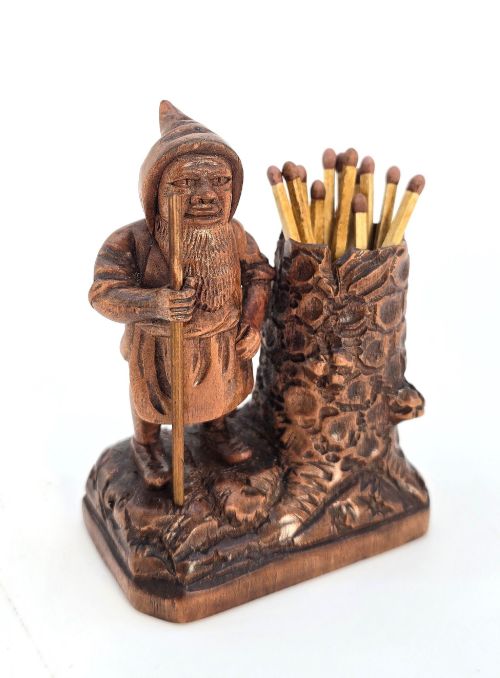
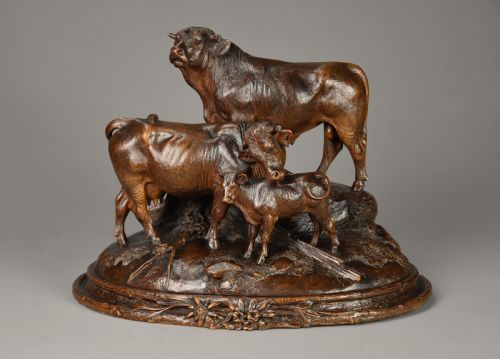
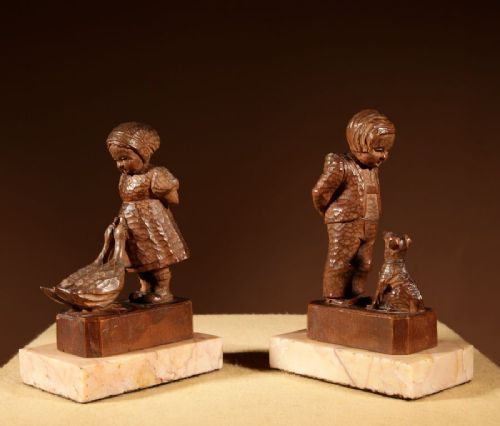
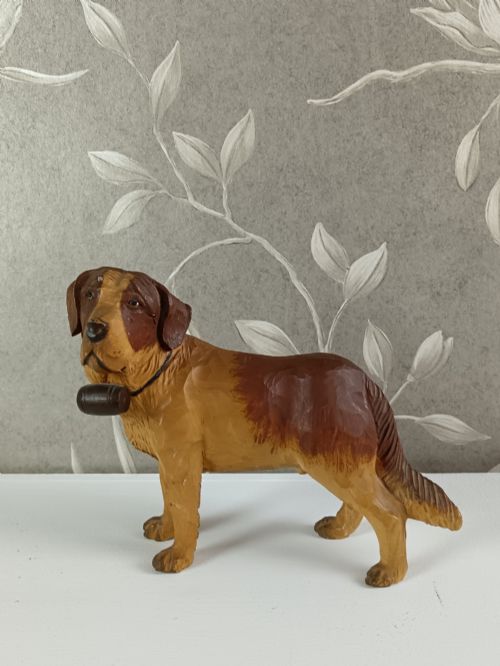
These black forest wood statue pieces bring Alpine wildlife and rustic character straight into a room through masterful hand carving.

Black Forest Wood Statue
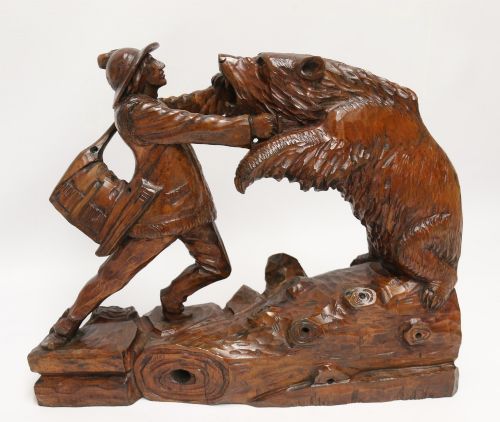
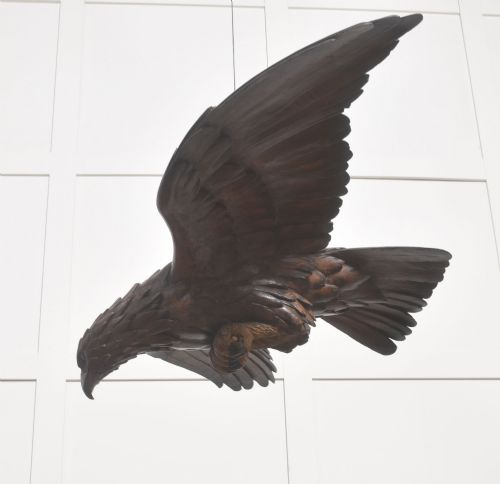
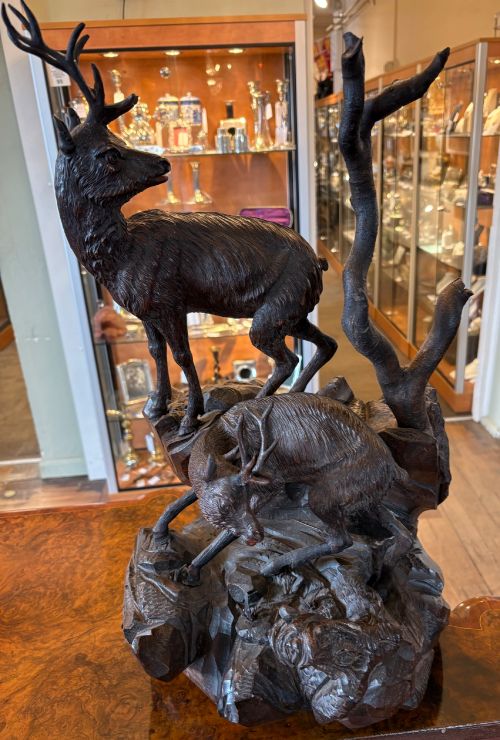
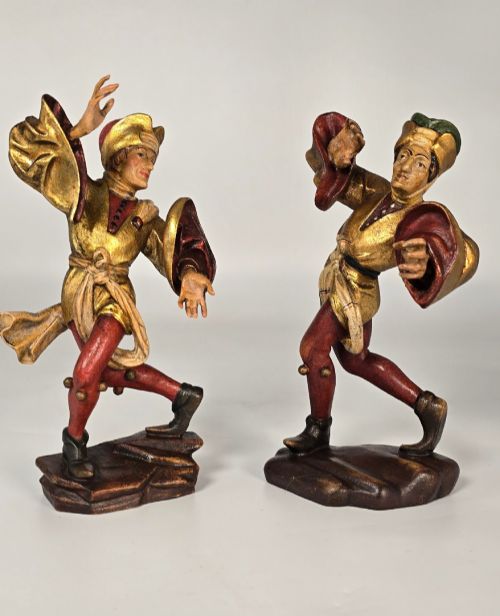
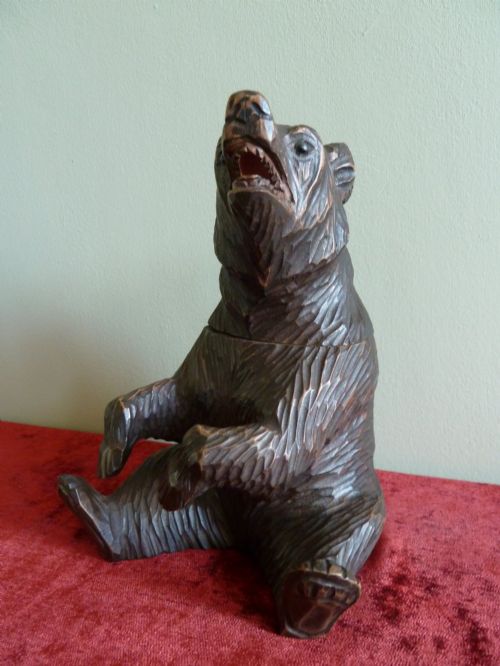
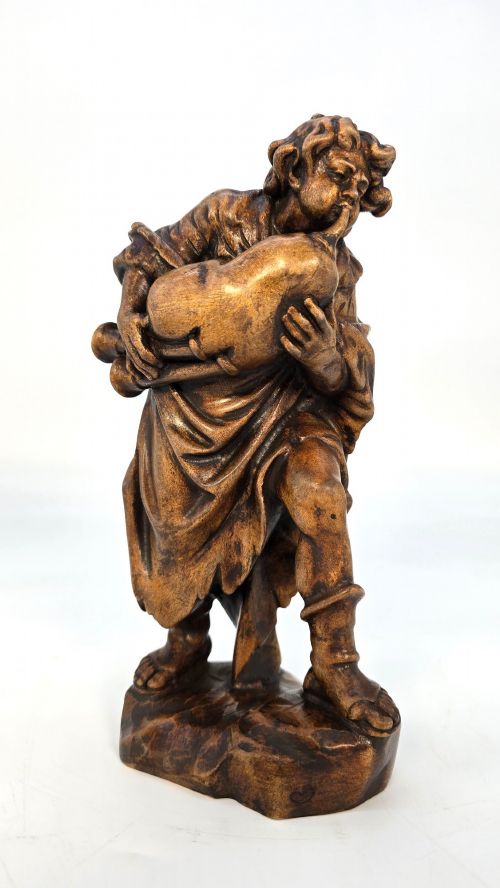
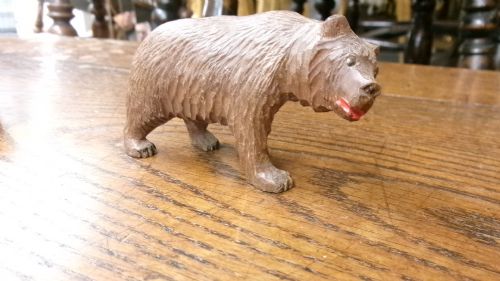
A black forest wood statue captures the rich sculptural tradition of the nineteenth and early twentieth centuries, spanning the Victorian era through the nineteen forties. These carvings often depict native fauna such as bears, deer, eagles, and cattle, alongside human figures like peasants, shepherds, and medieval musicians.
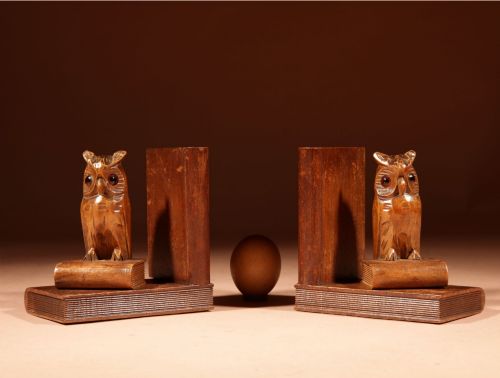
The objects take various functional and decorative forms on this page, including free-standing sculptures, bookends, match holders, lamps, and tobacco holders. Pieces emerge from Swiss and broader Alpine folk art traditions, reflecting regional craftsmanship of the period.
How they were made
Makers shaped these woods using traditional chisels and gouges, relying on hand carving techniques to achieve realistic fur textures, anatomical precision, and expressive postures on animals and human subjects alike.
Bears take on human habits here, frequently caught hiking, holding tobacco, or serving as lamps with stud eyes.
What varies in quality
The distinction between ordinary and exceptional work rests entirely in the anatomical accuracy and the depth of the carving. Superior items display fluid musculature, convincing fur texture, and lively expressions rather than stiff or generic forms.
Compositional complexity also drives quality, as multi-figure groups or unusual subjects like figures with phoenixes or specific narrative scenes require far greater skill from the carver than a standard standing animal.
J HUGGLER
The Black Forest Wood Statue Glossary
- Black Forest
- A regional style of nineteenth-century wood carving originating primarily from the Brienz region of Switzerland and the Black Forest in Germany. These works are celebrated for naturalistic animal and human figures.
- Limewood
- A pale, fine-grained wood traditionally favored by carvers for its uniform texture and lack of prominent grain. This timber allowed artisans to execute extremely delicate undercutting without splitting.
- Folk art
- Utilitarian and decorative objects created within a traditional community craft vernacular. Pieces often display regional characteristics rather than academic academic training.
- Figure group
- A sculptural composition featuring multiple interacting human or animal subjects. Such groupings demand advanced spatial planning and high technical execution from the carver.
Black Forest Wood Statue: Frequently Asked Questions
What animals do these statues show?
Carvings frequently represent native Alpine fauna, most notably bears, stags, red deer, eagles, owls, ibex, chamois, cattle, and Saint Bernard rescue dogs.
Animals appear either as solitary studies or grouped together in naturalistic poses, sometimes integrated into functional items like match holders or bookends.
How do I date a carving?
Dating relies on stylistic markers, timber choice, and period conventions ranging from the nineteenth century through the early twentieth century. Victorian pieces often lean towards dense walnut and naturalistic animal groups, while later items from nineteen hundred to nineteen forty show diverse folk art influences.
Signatures, stamps, or specific inscriptions where present can further narrow the timeline to exact decades like eighteen ninety or nineteen sixteen.
Where were these pieces made?
Production centred primarily in the mountainous regions of Switzerland, particularly Brienz, and the Black Forest area of Germany. Workshops in these locations produced specialised wooden wares for tourists and collectors.
Artisans drew heavily on local Alpine traditions, depicting regional peasants, folk tales, and native wildlife.
How do I care for wood statues?
Keep wooden carvings away from direct sunlight and sudden temperature shifts to prevent the timber from drying out or splitting. Dust gently with a soft, dry brush to protect delicate carved details and surface finishes.
Avoid liquid cleaners or polishes that can build up in the recessed grain of limewood or walnut.