

Vintage White Sculpture
Vintage white sculpture brings classical form and tactile mineral texture into a room, offering everything from carved Carrara marble busts to smooth alabaster figures.
Vintage White Sculpture
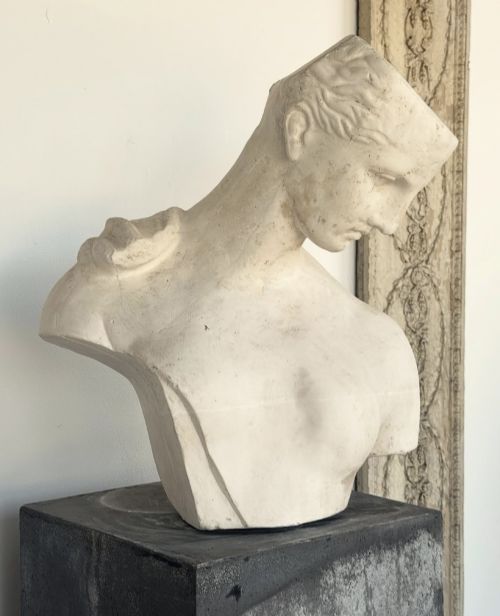
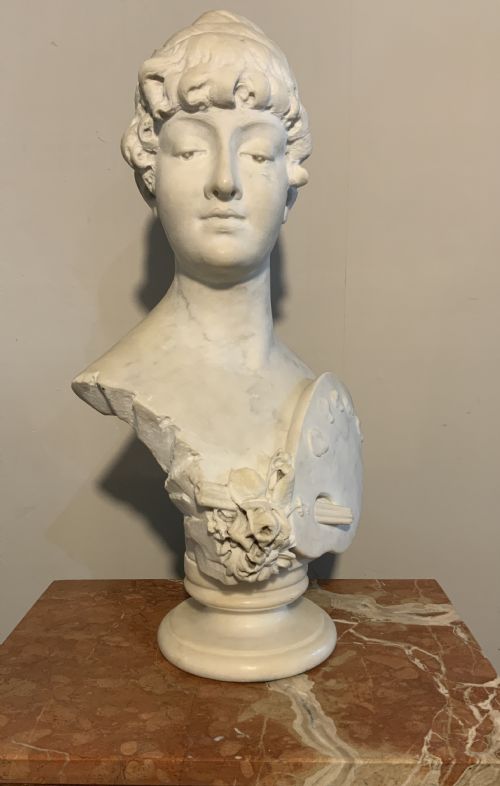
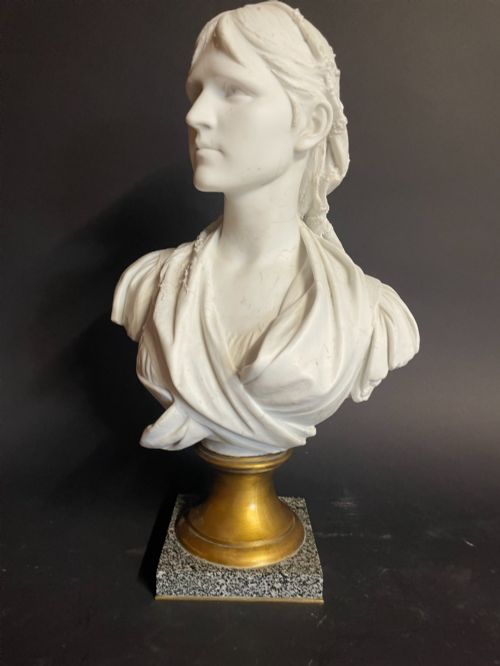
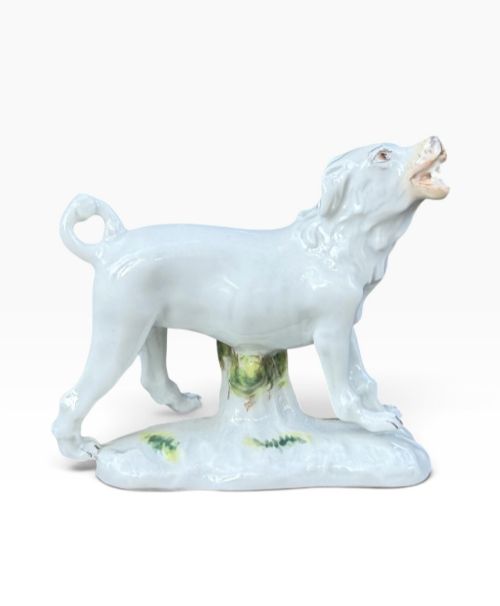
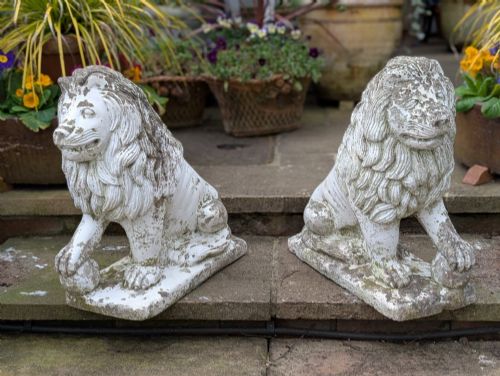
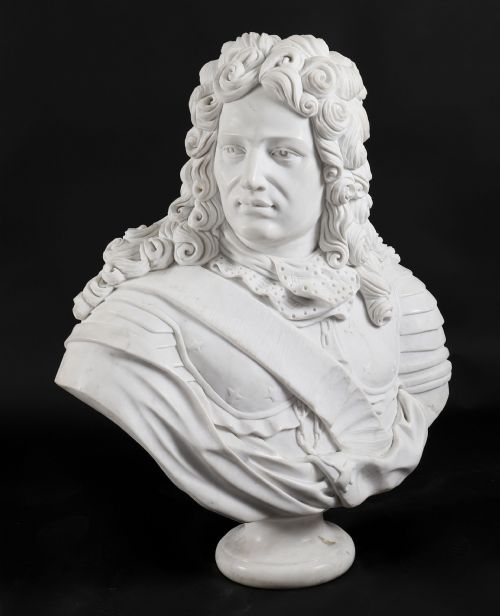
A vintage white sculpture search uncovers solid carved stone, cast plaster, and porcelain forms spanning the nineteenth and twentieth centuries. Buyers frequently encounter library busts, classical figures, and animal studies originating from European and British makers.
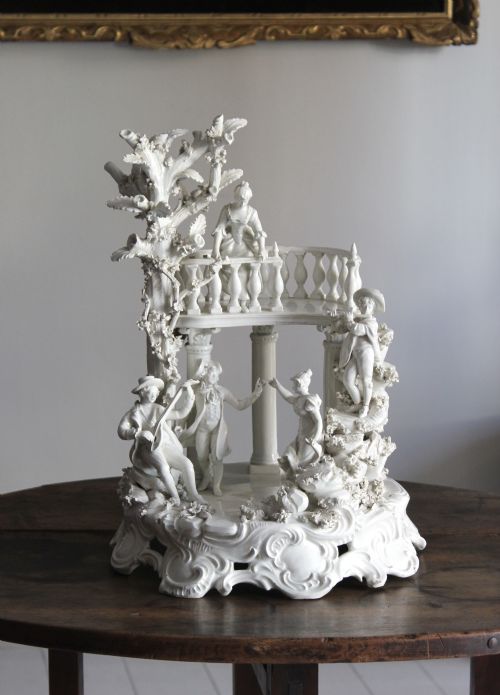
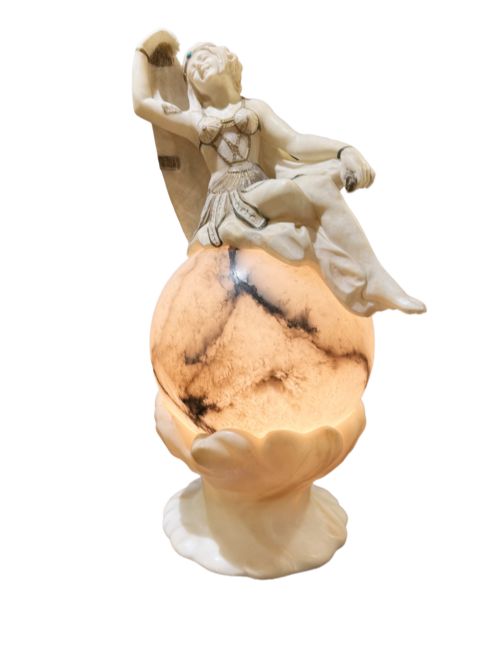
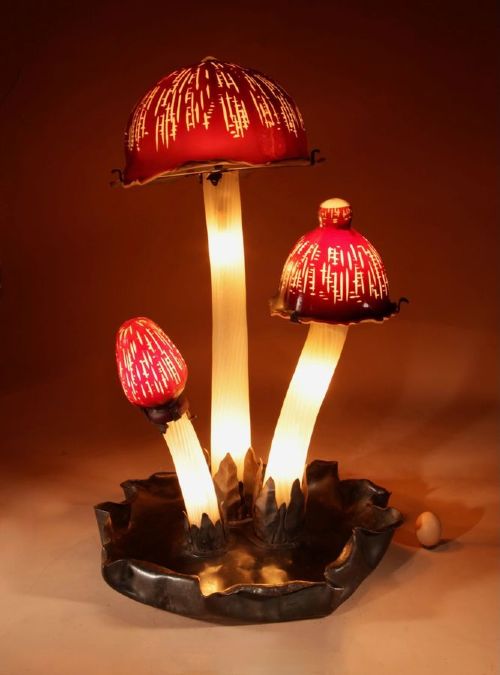
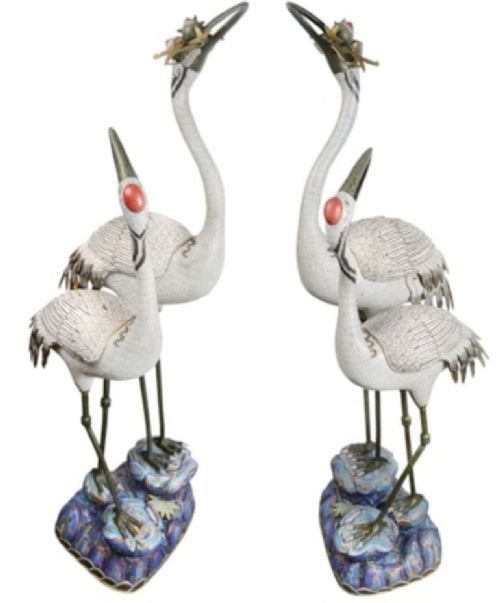
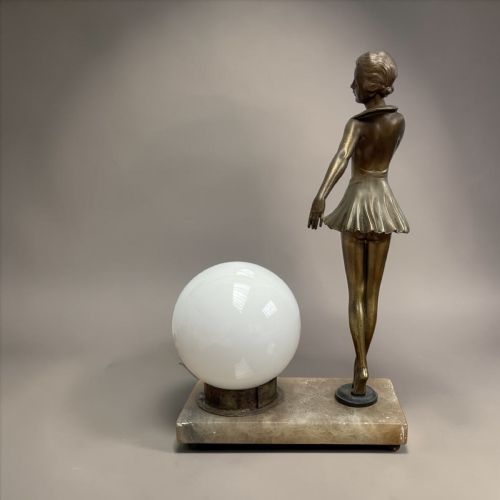
The selection ranges from large architectural ornaments and carved marble statues to delicate porcelain figurines and table lamps. Pieces reflect varied historical revivals, encompassing Neoclassical, Art Deco, and Victorian aesthetics.
Materials and construction methods
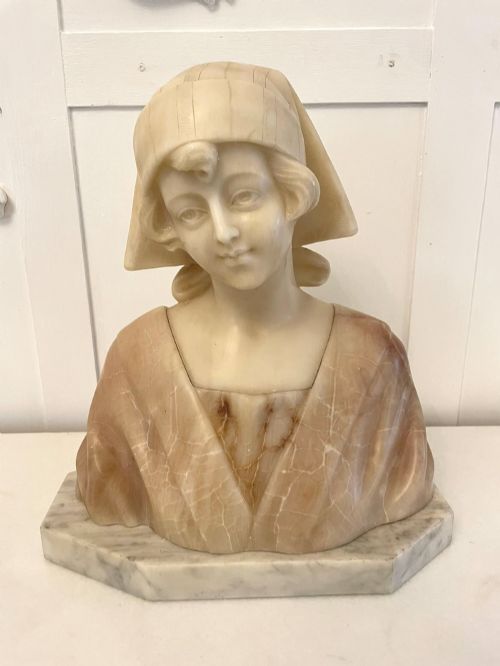
Carved pieces utilise natural materials such as Carrara marble, alabaster, and various woods, shaped by hand with chisels and rasps. These traditional methods yield subtle tool marks and organic variations across the surface of the stone.
Moulded examples employ plaster, cast iron, and porcelain, frequently finished with paint or glaze to achieve a uniform pale tone. Foundries and potteries utilised specialised moulds to duplicate intricate details on figures and architectural ornaments.
Vintage White Sculpture Retail Price Guide 2026
Typical asking prices for vintage white sculpture among the pieces listed under this phrase on Sellingantiques today, from the lower quarter to the upper quarter. They describe what is for sale here now, not the wider market.
Among the stone and metal figures sits an eccentric wooden rocking horse and a rustic butcher shop cow trolley.
Distinctions in quality and execution
Quality rests upon the crispness of the carving and the purity of the chosen medium, whether fine-grained marble or dense alabaster. Superior examples display anatomical precision, balanced proportions, and careful smoothing of secondary surfaces.
Moulded works are judged by the sharpness of the cast and the absence of surface pitting or seam lines. Finer items retain delicate facial expressions and crisp drapery folds that weaker reproductions lose during production.
Meissen porcelain·Royal Worcester·Derby porcelain·Val d’Osne foundry
The Vintage White Sculpture Glossary
- Carrara marble
- A type of white or blue-grey marble quarried in Italy, prized by sculptors for its fine and uniform grain.
- Alabaster
- A soft mineral often carved into translucent figures and lamps, easily distinguished by its milky white appearance.
- Library bust
- A sculptural portrait head and shoulders, frequently depicting historical figures, philosophers, or literary icons in marble or plaster.
- Putto
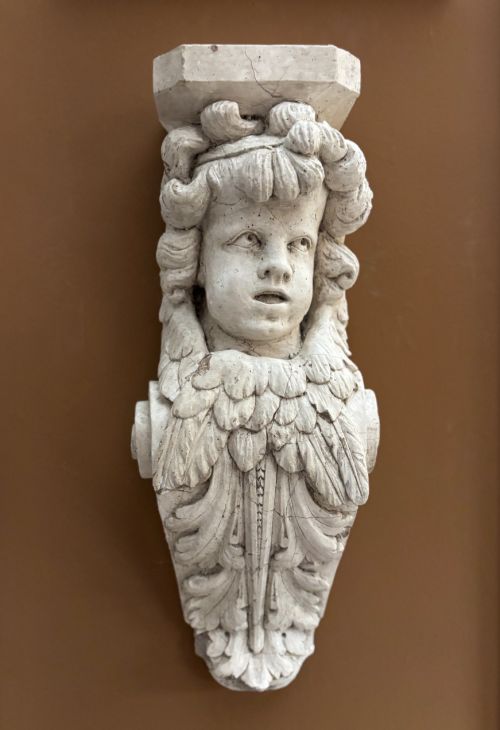
- A plump, naked male child depicted in classical art, often represented as a winged cherub on wall corbels and friezes.
- Bocage
- An ornamental background of foliage and branches found behind porcelain figures and animal groups.
Vintage White Sculpture: Frequently Asked Questions
How do I clean marble sculptures?
Dust surfaces regularly with a soft, dry cloth to prevent dirt accumulation in crevices and carved details. Avoid harsh chemical cleaners and excessive water, which can damage unsealed stone or painted finishes.
For stubborn marks, consult a specialist conservator rather than attempting aggressive scrubbing. Natural stone requires gentle maintenance to preserve its original surface texture over time.
Where should I place a heavy marble bust?
Support heavy stone and marble pieces on sturdy surfaces such as dedicated pedestals, strong side tables, or anchored wall brackets. Verify that the supporting furniture can bear the substantial weight without tipping or sagging.
Position the piece away from direct heat sources and heavy foot traffic where it might be knocked. Stable placement protects both the sculpture and your surrounding interior from accidental damage.
Are plaster busts fragile?
Plaster is softer and more brittle than marble or bronze, making it susceptible to chips, scuffs, and structural cracks if dropped. Handle these pieces with clean hands, supporting the base and main body simultaneously during movement.
Keep plaster works in dry interior environments to prevent moisture absorption and subsequent surface degradation. Gentle placement ensures these historic casts survive intact for future generations.
How do I identify a Grand Tour souvenir?
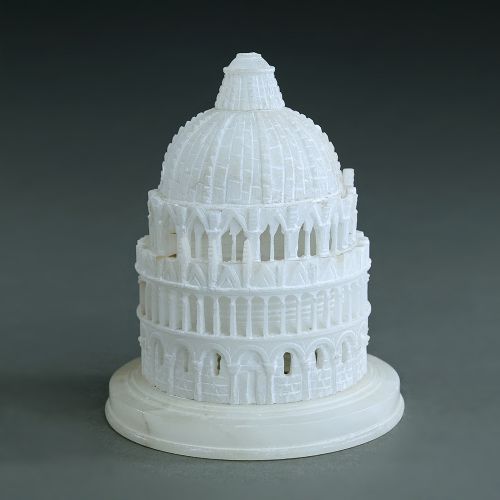
Nineteenth-century Grand Tour pieces often depict classical monuments or mythological figures purchased by travellers exploring Italy and Europe. They frequently feature small-scale bronze or marble studies mounted securely on polished plinth bases.
Look for fine hand-finishing and aged patination consistent with nineteenth-century workshop practices. These compact items served as portable reminders of classical education and foreign travel.