



Marble Gentleman Sculpture
A marble gentleman sculpture captures the gravitas of a historical sitter, offering collectors a striking portrait piece with undeniable presence.
Marble Gentleman Sculpture
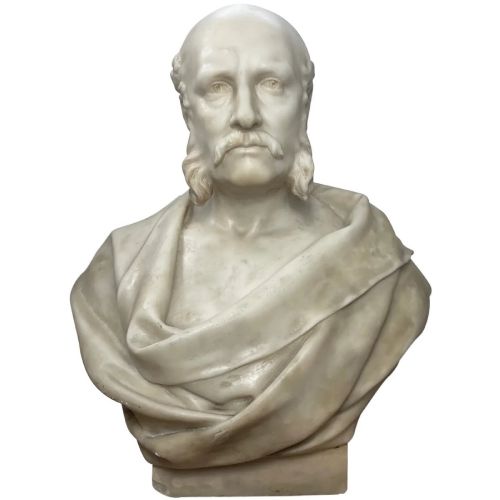
A marble gentleman sculpture primarily takes the form of a portrait bust, depicting male sitters ranging from civic figures to bearded gentlemen. These works appear across the Victorian era, the nineteenth century generally, the eighteenth century, and the Edwardian period, recording individual likenesses with immense gravity.
The objects available on this page include monumental civic portrait busts alongside smaller carved marble studies. Makers and artists recorded in these listings span the nineteenth century and specific dates such as 1890 and 1897, providing clear historical anchor points for collectors.
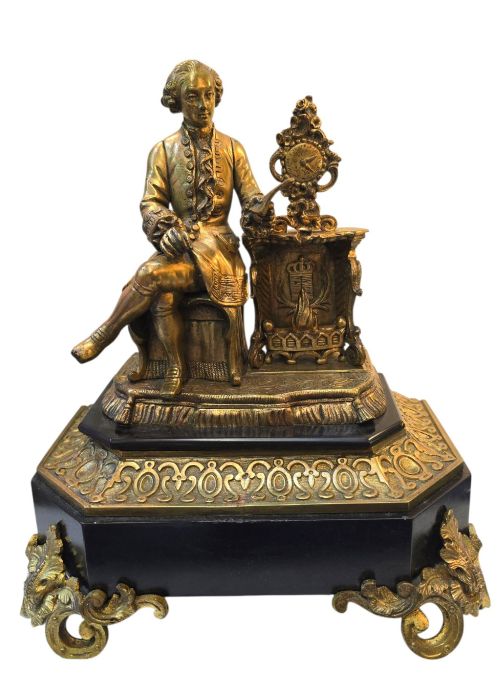
While marble is the dominant medium, related sculptural forms in bronze, gilt bronze, ormolu, stone, terracotta, and wood also surface. These varied materials expand the scope of portraiture available to those seeking historical figures and detailed representations.
Materials and methods
Mixed media works integrate marble with gilt bronze, ormolu, and wood bases or mounts, combining carved stone elements with cast metal components. Terracotta and stone offer alternative sculptural bases for figures created during the nineteenth century and earlier periods.
Marble Gentleman Sculpture Retail Price Guide 2026
Typical asking prices for marble gentleman sculpture among the pieces listed under this phrase on Sellingantiques today, from the lower quarter to the upper quarter. They describe what is for sale here now, not the wider market.
Materials recorded across the selection include white marble, veined marble, gilt bronze, ormolu, stone, terracotta, and wood.
Assessing quality and execution
The refinement of the carving dictates the distinction between standard production and masterwork sculpture. Subtle handling of the eyes, expression, and musculature separates an ordinary likeness from a portrait of striking psychological depth.
The integrity of the medium and the presence of a recorded signature or attribution elevate a piece. Works bearing specific dates or identified makers command greater historical interest than unsigned civic pieces.
Pierre-Augustin Caron de Beaumarchais·John Wenlock Rollins·Feridah Francis Forbes Taylor
The Marble Gentleman Sculpture Glossary
- Bust
- A sculpted representation of a person from the shoulders or chest up. This format dominates the portrait sculpture market.
- Civic portrait
- A large-scale sculptural depiction commissioned to honour a public figure or official. These monumental works often display heightened formality.
- Ormolu
- Finely ground high-carat gold applied to a bronze base, frequently utilised for mounts or decorative garnishes on sculpture bases. It provides a warm, metallic contrast to cold stone.
- Neoclassical
- A style rooted in classical antiquity that influenced nineteenth-century sculpture. It emphasises clean lines, sober restraint, and classical drapery.
Marble Gentleman Sculpture: Frequently Asked Questions
What periods do these sculptures date from?
The pieces span the eighteenth century, the nineteenth century, the Victorian era, and the Edwardian period. Each era brings distinct clothing styles and facial hair trends.
Collector interest usually focuses on nineteenth-century carved works, though eighteenth-century examples and Edwardian pieces also appear.
How were marble portrait busts displayed?
These sculptures traditionally stood on heavy wooden columns, plinths, or library mantelpieces in grand homes and civic buildings. Their substantial weight required sturdy architectural support.
Today, placing one on a dedicated pedestal allows light to catch the carved contours of the face and drapery.
Are all these pieces made solely of marble?
While white marble and veined marble predominate, the material evidence includes related components in bronze, gilt bronze, ormolu, stone, terracotta, and wood.
Some portrait busts incorporate mixed media elements such as cast metal bases or wooden supports alongside the carved stone.
How can I identify a specific sitter?
Named sitters are occasionally recorded in the title or inscribed directly onto the sculpture or its base, as seen with civic portrait busts.
Unidentified gentlemen require stylistic analysis of their hair, sideburns, beards, and cravats to narrow down the probable decade of creation.