

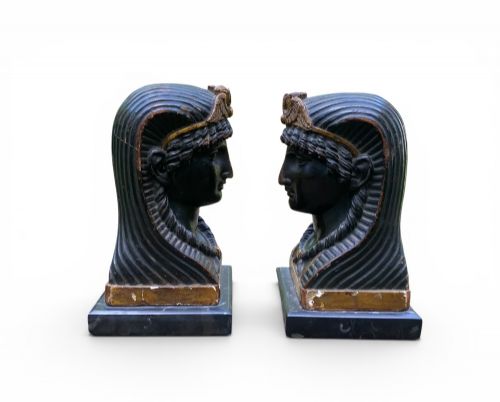
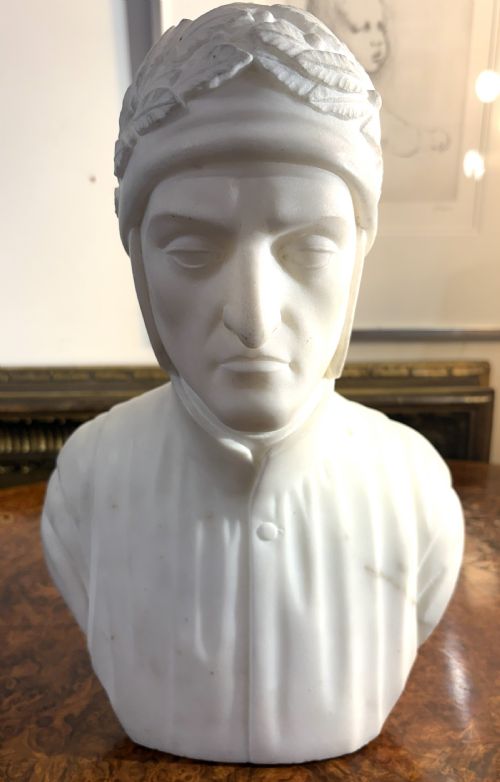
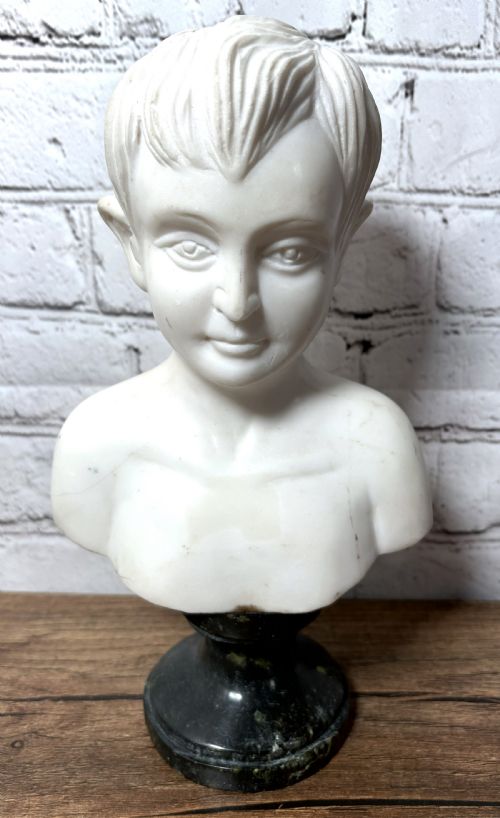


Marble Library Sculpture
These marble library sculpture pieces bring classical figures and literary masters directly to your desk in carved stone and cast metal.
Marble Library Sculpture
A marble library sculpture brings classical antiquity and literary heritage into domestic spaces through carved stone and cast metal busts and figures. When you search for marble library sculpture, you encounter portraits of poets, philosophers, and statesmen designed for home studies and libraries.
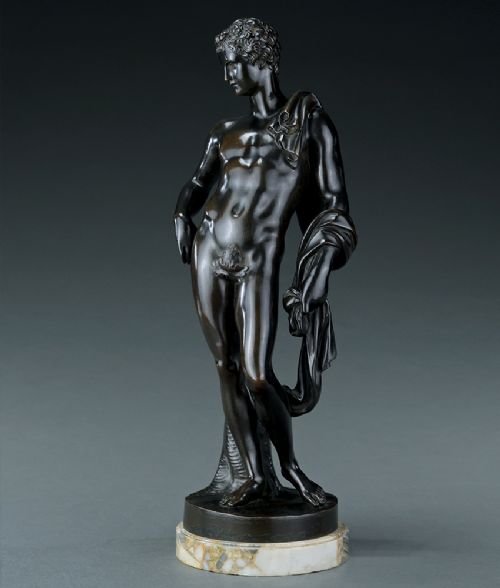
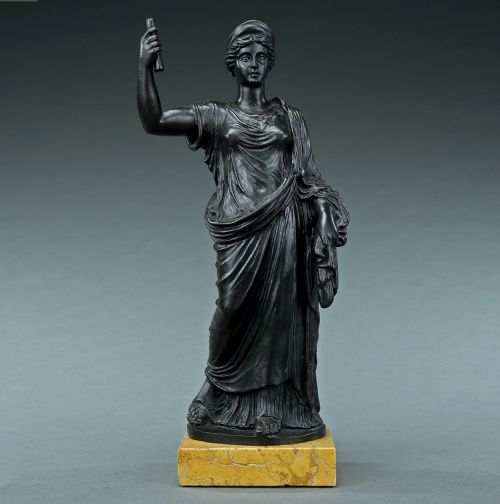
The selections span the eighteenth, nineteenth, and early twentieth centuries, drawing heavily on Neoclassical, Regency, and Grand Tour aesthetics. Pieces range from white marble busts mounted on dark plinths to patinated bronze figures of classical deities and French writers.
Most items on this page combine carved marble with materials like bronze, gilt bronze, or wood to create substantial portrait busts. Subjects include historical figures such as Dante, Shakespeare, and Hippocrates alongside anonymous gentlemen and youths.
Materials and construction
Carvers shaped white marble and stone to render detailed facial expressions and draped garments for library busts. Sculptors mounted many of these stone portraits onto contrasting black marble plinths or wood bases to elevate the visual weight of the piece.
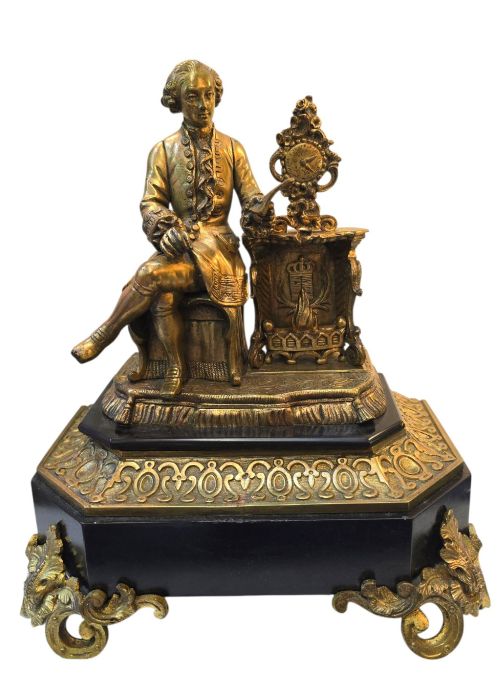
Foundries cast bronze, gilt bronze, and ormolu components using traditional metalworking techniques to produce figures of deities and philosophers. Artisans also worked with terracotta and combined materials to achieve patinated surfaces and multi-media portraiture.
Marble Library Sculpture Retail Price Guide 2026
Typical asking prices for marble library sculpture among the pieces listed under this phrase on Sellingantiques today, from the lower quarter to the upper quarter. They describe what is for sale here now, not the wider market.
Listings feature marble, bronze, and wood across periods from the eighteenth century to the Edwardian era.
Assessing quality
Material selection dictates the presence of integrated stone plinths and the harmonious pairing of marble with gilt bronze or wood. Superior execution achieves a lifelike presence and anatomical accuracy that distinguishes masterwork portraiture from standard decorative output.
Pierre-Augustin Caron de Beaumarchais·Thomas Hope
The Marble Library Sculpture Glossary
- Neoclassical
- A style reviving the art and architecture of ancient Greece and Rome, prevalent during the eighteenth and nineteenth centuries. This aesthetic influences the sober expressions and classical drapery seen on library busts.
- Grand Tour
- A traditional journey of Europe undertaken by upper-class young men to absorb classical culture and art. Souvenirs from these travels included small bronze and marble sculptures of ancient philosophers and deities.
- Ormolu
- Finely ground high-carat gold mercury-gilded to a bronze object, frequently used as an accent on bases and mounts. This technique adds metallic brilliance to stone and dark metal compositions.
- Patina
- A surface sheen or coloration developed through age or chemical treatment on bronze and marble. It enhances the visual depth and tactile qualities of sculptural surfaces.
Marble Library Sculpture: Frequently Asked Questions
How were Grand Tour sculptures used?
Grand Tour sculptures served as tangible reminders of educational travels across Europe and Italy during the eighteenth and nineteenth centuries. Collectors displayed these miniature bronzes and marble carvings in home libraries to signal their cultural sophistication.
These objects allowed scholars and gentlemen to surround themselves with depictions of classical deities, philosophers, and historical figures in their daily lives.
How do you style marble busts at home?
Marble busts suit traditional studies, libraries, and living spaces when placed on sturdy wooden bookshelves, desks, or mantelpieces. Their neutral stone tones pair well with leather-bound books, dark wood furniture, and classical architectural details.
Placing them on contrasting plinths helps anchor the sculpture visually against walls or within shelving units.
How do you identify nineteenth-century bronzes?
Nineteenth-century bronze sculptures exhibit distinct casting methods, tool marks, and patinations characteristic of period foundries. Examining the underside and mounting hardware often reveals period screws and construction techniques.
Stylistic cues such as Neoclassical drapery and subject matter like classical philosophers further help date these objects accurately.