


Vintage Wedgwood Porcelain
Vintage wedgwood porcelain brings together ornate lustre glazes and delicate hand-painted motifs from the late nineteenth and early twentieth centuries.
Vintage Wedgwood Porcelain
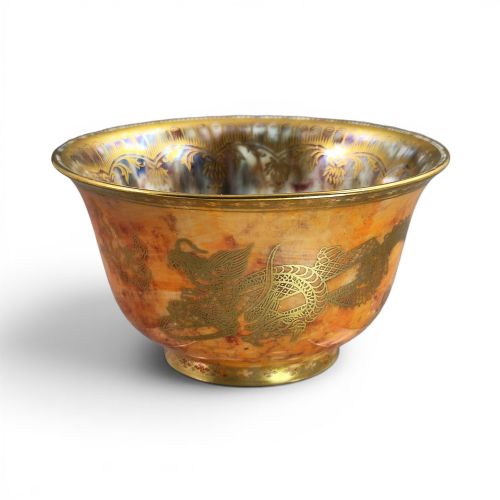
Vintage wedgwood porcelain encompasses decorative bowls, vases, tea sets, and miniature vessels created during periods spanning from the late nineteenth century into the Edwardian era and the 1920s. Buyers searching this phrase typically encounter elaborate lustre glaze pieces, particularly bowls and vases decorated with mythological creatures and intricate patterns. These ceramic items reflect diverse design influences, ranging from Victorian neoclassical and Aesthetic Movement styles to Art Nouveau and Art Deco aesthetics.
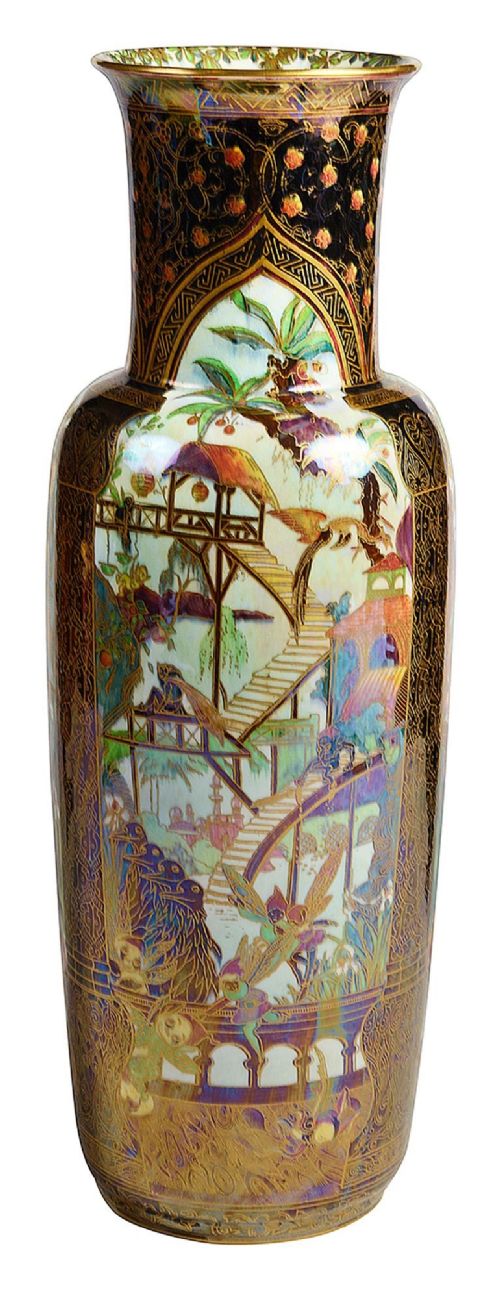
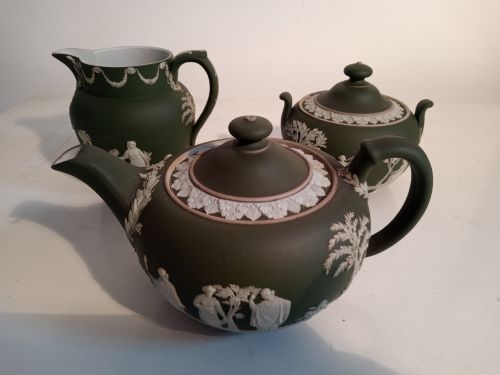
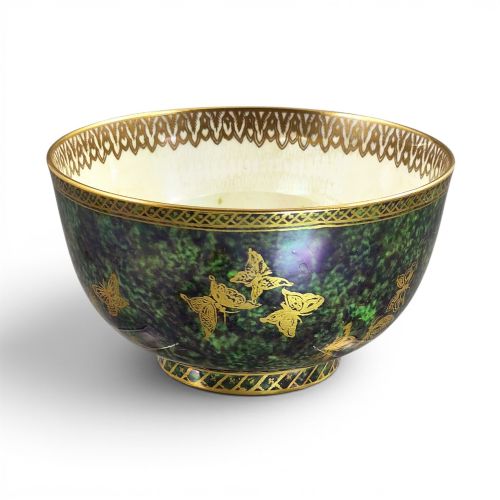
The selection on this page relies heavily on the output of specific designers working within that timeframe, most notably Daisy Makeig-Jones. Her imaginative creations dominate the available items, especially the Fairyland lustre series featuring dragons, butterflies, and celestial themes. Alongside these vibrant wares, buyers find traditional tea sets in olive green, hand-painted shaped dishes, and occasional portrait brooches.
How they were made
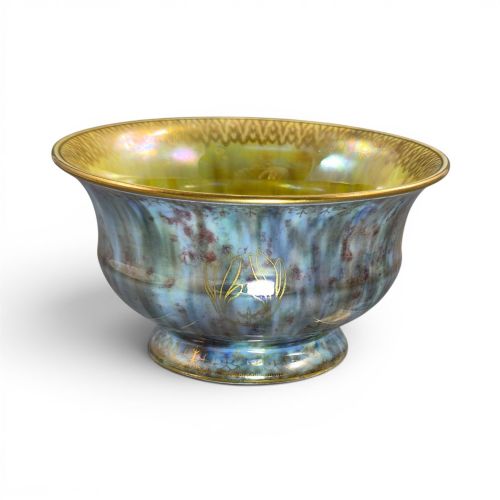
Potters utilised fine bone china and standard porcelain as the base bodies for these decorative objects, shaping them into bowls, octagonal vessels, and mugs. Artisans applied specialised lustre glazes to create iridescent, multi-coloured surfaces that catch the light from different angles. This chemical glazing process produced deep mottled oranges, greens, and dark backgrounds suited to imaginative ornamentation.
Gilding and gold leaf were added by hand to accentuate rims, handles, and internal motifs, often complemented by detailed enamel painting. Master designers oversaw the application of transfer-printed designs enhanced with rich hand-applied enamels. The combination of metallic gilding and reflective glaze required precise kiln firing to achieve the desired visual depth.
Current listings feature porcelain and bone china forms decorated with lustre glaze, enamel, and gold leaf.
What varies in quality
The distinction between standard production items and exceptional pieces rests in the complexity of the design and the richness of the lustre finish. Multi-layered lustre effects involving detailed transfer work combined with extensive hand-painted enamel and heavy gilding represent the upper echelon of these ceramics. Simpler monochrome or plain glazed tea wares occupy a different tier of craftsmanship compared to richly populated mythological scenes.
Hand-painted precision and the vibrancy of the gold leaf application determine the overall visual impact of individual vessels. Pieces featuring intricate motifs such as dragons, phoenixes, or fairies demand superior artistic execution during the decoration stage. The preservation of the iridescent sheen across complex forms like octagonal bowls and multi-handled mugs signals superior workshop standards.
Daisy Makeig Jones·James Hodgkiss·Thomas Allen Design
The Vintage Wedgwood Porcelain Glossary
- Lustre Glaze
- A ceramic finish containing metallic oxides that produces an iridescent, reflective surface upon firing. It creates the shimmering, rainbow-like effect seen on early twentieth-century decorative vessels.
- Bone China
- A type of soft-paste porcelain incorporating animal bone ash for strength and translucency. It provides a whiter, finer base for detailed enamel painting and gilding.
- Gilding
- The application of gold leaf or gold powder to ceramic surfaces for decorative accentuation. It is typically applied to rims and handles to highlight the contours of bowls and vases.
- Octagonal Bowl
- A vessel featuring eight distinct planar sides rather than a standard circular profile. This geometric form was frequently utilised for complex lustre-glazed display pieces.
- Enamel
- Opaque glass-like paint applied over the glaze and fired at lower temperatures to add permanent colour. It allows for vibrant details such as butterflies and mythological figures.
Vintage Wedgwood Porcelain: Frequently Asked Questions
What is Fairyland Lustre porcelain?
Fairyland Lustre is an elaborate line of decorative ceramics developed in the early twentieth century featuring fantastical subjects like elves, goblins, and dragons. These pieces utilise complex multi-stage glazing and heavy gilding techniques.
Designed primarily by Daisy Makeig-Jones, these wares are celebrated for their imaginative storytelling and vibrant, iridescent colour palettes.
How do I date vintage Wedgwood porcelain?
Dating involves examining the style of the piece, the specific glaze type, and any accompanying decorator signatures or pattern numbers. Edwardian and 1920s pieces often reflect Art Nouveau or Art Deco influences alongside signature lustre finishes.
Earlier nineteenth-century examples tend to display Neoclassical or Aesthetic Movement characteristics, utilising different colourways and simpler bodies like olive green tea sets.
Where should I display lustre bowls?
Lustre bowls require placement in well-lit areas where natural light can interact with the metallic oxides in the glaze. Shelving or cabinets near windows allow the iridescent surfaces to shift colours as viewing angles change.
Because these vessels often feature intricate hand-painted details on both interior and exterior surfaces, open display setups work best for full visibility.
How do I care for antique porcelain?
Antique porcelain requires gentle handling and cleaning restricted to dry dusting with a soft cloth to protect delicate enamel and gold leaf. Moisture and harsh cleaning agents can degrade vintage glazes and metallic gilding over time.
Keeping pieces away from direct, prolonged sunlight helps preserve the vibrancy of the hand-painted enamels and the integrity of the lustre finish.