


Vintage Wedgwood China
These vintage wedgwood china pieces bring remarkable lustre glazes and hand-painted artistry to your table.
Vintage Wedgwood China
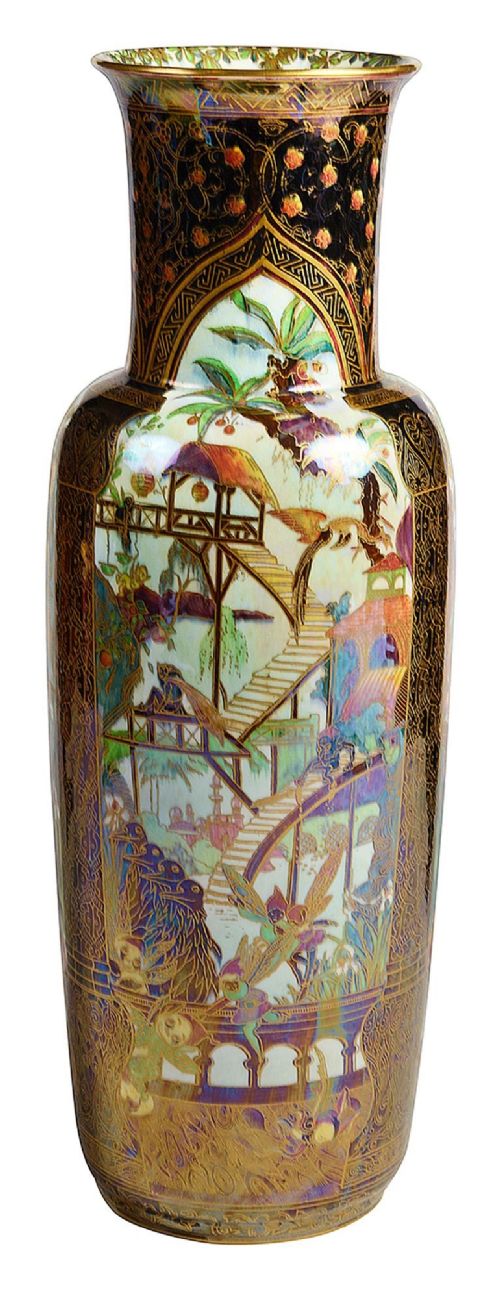
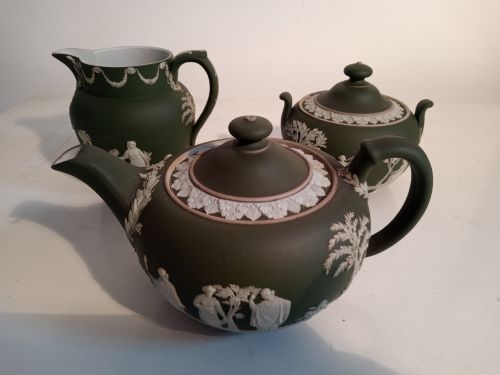
Vintage wedgwood china encompasses a striking array of decorative bowls, vases, tea sets, and figurines created across the late nineteenth and early twentieth centuries. You will frequently encounter vibrant lustre glaze works alongside traditional earthenware and bone china forms from this era.
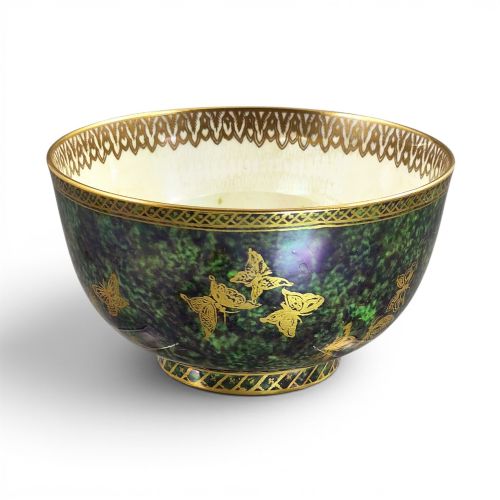
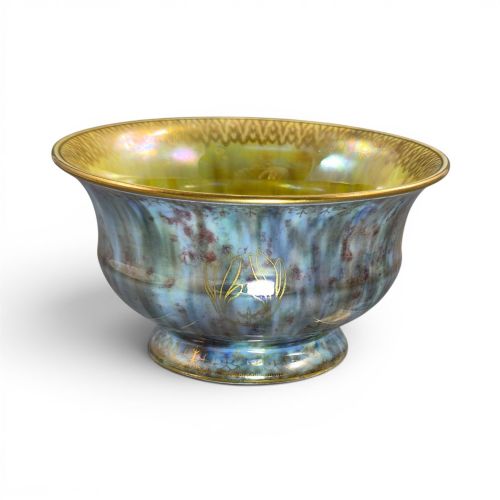
The selection here draws heavily from Edwardian and Victorian Neoclassical styles, with notable incursions into Art Deco and Art Nouveau aesthetics. Decorative bowls dominate the available range, often featuring intricate mythical motifs and rich colour palettes.
How they were made
Potters utilised fine porcelain and bone china as the foundational bodies for these intricate vessels and figures. Skilled artisans applied specialised lustre glazes to create iridescent surfaces that catch the light from every angle.
Painters embellished many pieces with detailed enamel work and delicate gilding using gold leaf. Master designers planned elaborate patterns involving dragons, butterflies, and fairy themes before firing the ceramics to set the colours permanently.
The selection spans from the late 1800s through the Edwardian era into the 1920s, showcasing bone china, porcelain, and lustre glaze.
What varies in quality
The complexity of the surface decoration largely dictates the standing of an individual piece within its category. Works featuring elaborate multi-coloured lustre effects and detailed hand-painting demonstrate superior artistic ambition compared to simpler monochrome items.
Design attribution plays a significant role in distinguishing standard production from exceptional examples. Pieces bearing documented patterns from renowned designers command greater attention for their artistic execution and visual depth.
Daisy Makeig-Jones·James Hodgkiss·Wedgwood And Co Ltd
The Vintage Wedgwood China Glossary
- Lustre Glaze
- A ceramic finish incorporating metallic oxides that produces an iridescent, pearlescent sheen upon firing. This technique creates shimmering surface effects found on many decorative bowls and vases.
- Bone China
- A type of soft-paste porcelain containing bone ash, resulting in high strength, chip resistance, and a translucent body. It forms a smooth white base for detailed enamel painting.
- Jasperware
- A type of stoneware developed by Wedgwood, typically characterised by a matte, unglazed surface with raised white ornamentation against a coloured ground. It remains a signature aesthetic of the pottery.
- Gold Leaf
- Gold beaten into extremely thin sheets and applied to ceramic surfaces for gilding. It provides a permanent metallic accent along rims and decorative borders.
- Edwardian
- Pertaining to the reign of King Edward VII, spanning the early twentieth century. This period favoured lighter, graceful designs influenced by earlier neoclassical revivals.
Vintage Wedgwood China: Frequently Asked Questions
How do I clean lustre china?
Wash these delicate pieces gently by hand using lukewarm water and mild soap.
Avoid abrasive sponges or harsh chemical detergents that might damage the thin metallic lustre glazes and surface gilding.
Are these tea sets usable?
Many vintage tea sets remain physically robust enough for careful, occasional use during special gatherings.
Collectors often prefer to display them as decorative art objects to protect the fragile enamels and gold leaf from daily wear.
How do I identify the period?
Examine the base for impressed factory marks, pattern numbers, and specific backstamps associated with the manufacturer.
Stylistic cues such as the vibrant fantasy motifs point directly toward the early twentieth century.
What is fairyland lustre?
Fairyland lustre refers to a distinctive range of imaginative ceramic designs featuring goblins, elves, and mystical creatures.
These elaborate fantasy scenes were painted using complex glazing techniques that created shimmering, otherworldly backdrops.