

Gold Gilded Bowl
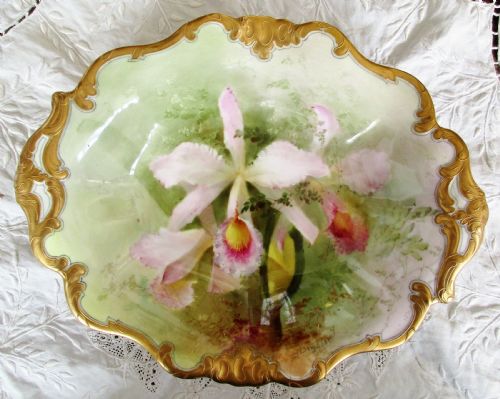
When you search for a gold gilded bowl, you meet a variety of decorative vessels adorned with metallic lustre across multiple centuries.
Gold Gilded Bowl
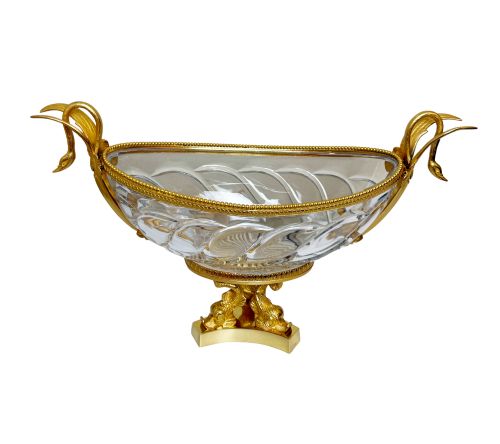
A gold gilded bowl encompasses a wide range of decorative vessels, centrepieces, and dishes created to catch the eye in a room.
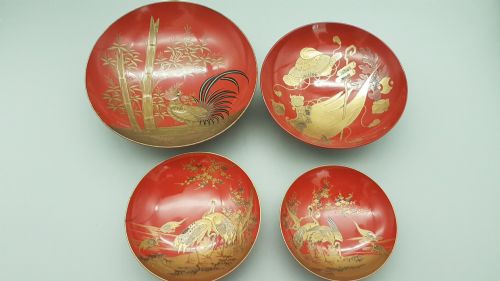
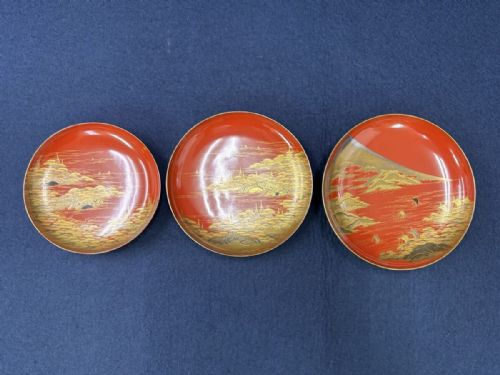
The selections span the nineteenth century into the Edwardian era, taking in English porcelain, French ormolu, Bohemian glass, and Japanese earthenware.
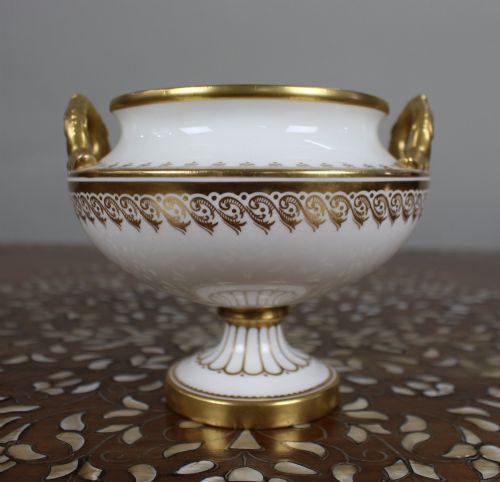
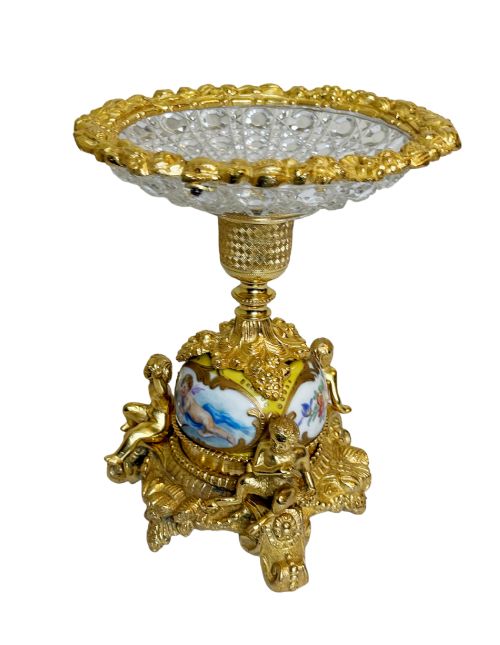
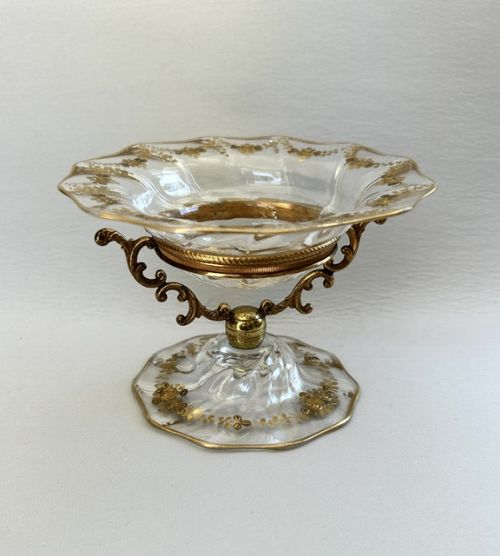
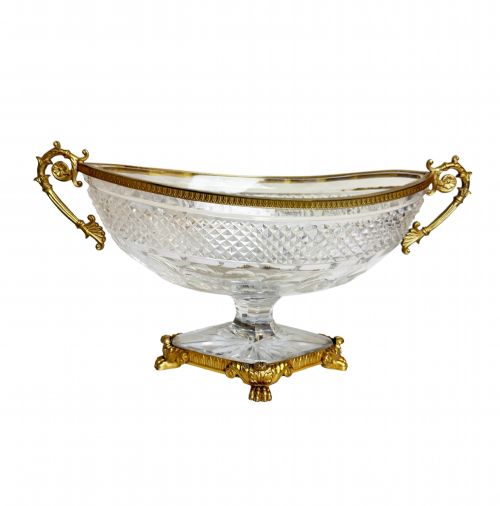
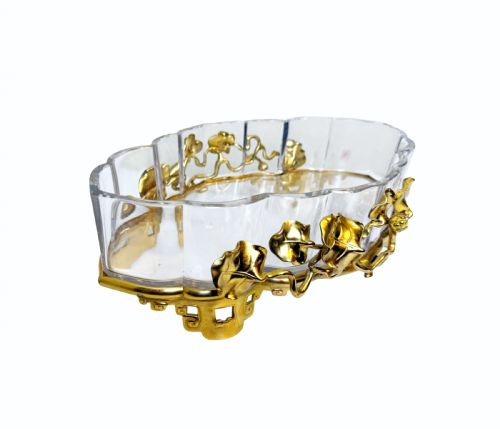
You are most likely to encounter nineteenth-century crystal centrepieces with gilt bronze mounts alongside porcelain items from factories like Royal Doulton and Wedgwood.
How they were made
Maker's workshops applied gold leaf, liquid gilding, or paste gilt onto surfaces of ceramic, crystal glass, and cast metal.
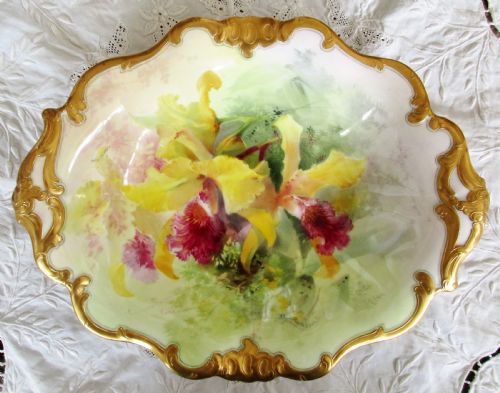
Porcelain items relied on hand-painting and enamel decoration before the final application of metallic lustre, while glass pieces utilised surface etching and enamelling.
Listings feature items from the Georgian period through to the 1920s, utilising porcelain, crystal glass, earthenware, and gilt bronze.
What varies in quality
The standard of the piece rests upon the crispness of the hand-painted details and the complexity of the metal mounts, such as champlevé enamel or cast cherubs.
Heavier bronze frames, finer brushwork on floral scenes, and signed works by master ceramists distinguish the upper tier of objects from simpler production wares.
Chamberlains Worcester·Royal Doulton·Daisy Makeig Jones·Spode·Meissen·Crown Derby·Doulton Burslem·Coalport·St Louis Glassworks·Royal Worcester
The Gold Gilded Bowl Glossary
- Gilt bronze
- An alloy of copper and zinc finished with a layer of gold, frequently used for mounts on crystal vessels. It is also known by the French term ormolu.
- Sucrier
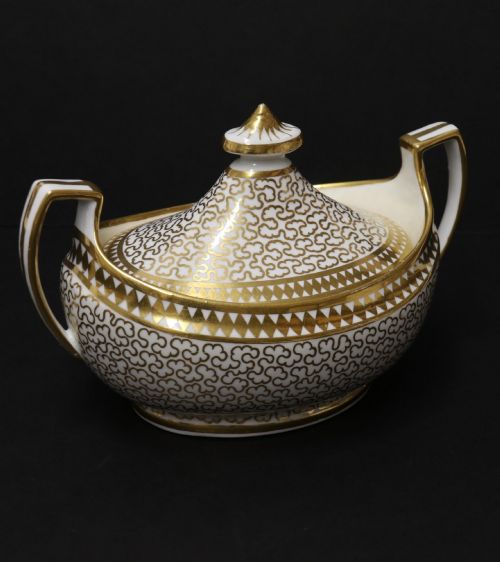
- A small bowl or vessel designed for holding sugar at the tea table, often accompanied by a matching cover. These appear frequently in early nineteenth-century porcelain.
- Satsuma ware
- A type of Japanese earthenware featuring a crackle-glaze ivory body decorated with elaborate enamels and gilt highlights. Pieces from the Meiji period frequently bear the signatures of master artists.
Gold Gilded Bowl: Frequently Asked Questions
What is a gilt bronze centrepiece used for?
These large ornamental pieces were placed in the middle of dining tables or sideboards as decorative focal points.
They often combined heavy cast metal frames with cut crystal bowls to reflect candlelight during formal gatherings.
How do I identify Satsuma ware bowls?
Satsuma ceramics display a distinct cream-coloured body covered in a fine network of crackled glaze.
They are heavily decorated with polychrome enamels and raised gold details, often depicting traditional figures, landscapes, or flowers.
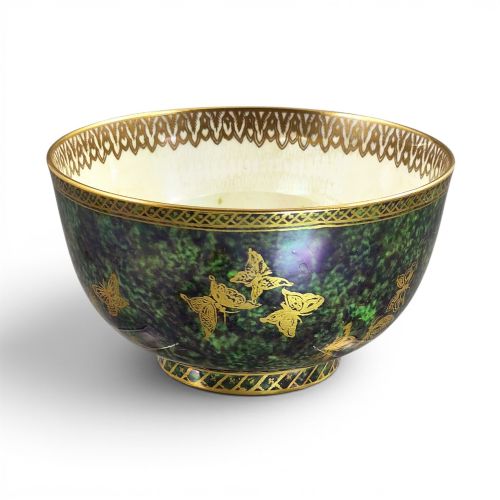
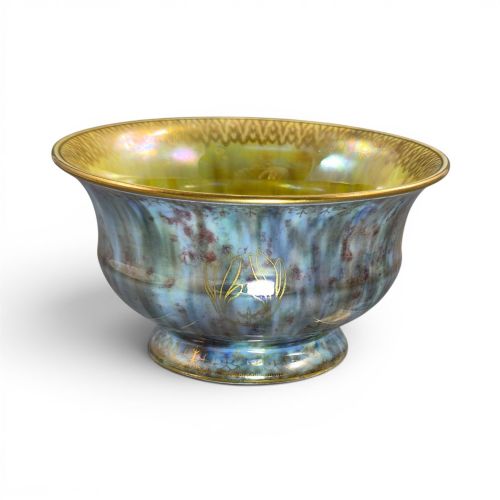
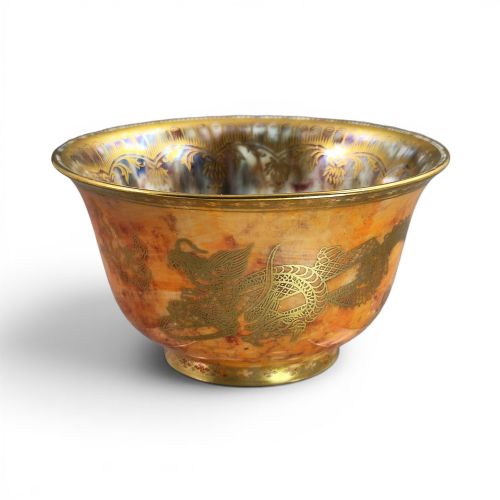
What is Wedgwood Fairyland Lustre?
Fairyland Lustre is a specialised line of porcelain developed during the early twentieth century featuring fantastical motifs.
These pieces use iridescent metallic glazes to create magical scenes involving dragons, butterflies, and mystic figures.
How should I care for antique gilded glass?
Gilded glass requires gentle handling because the thin gold leaf or enamel decoration sits directly on the surface.
Wash them by hand in lukewarm water without harsh detergents and avoid soaking the gilded areas.