


Antique Wedgwood Lustre
Antique wedgwood lustre pieces combine iridescent metallic glazes with fantastical ceramic designs that captivate serious collectors.
Antique Wedgwood Lustre
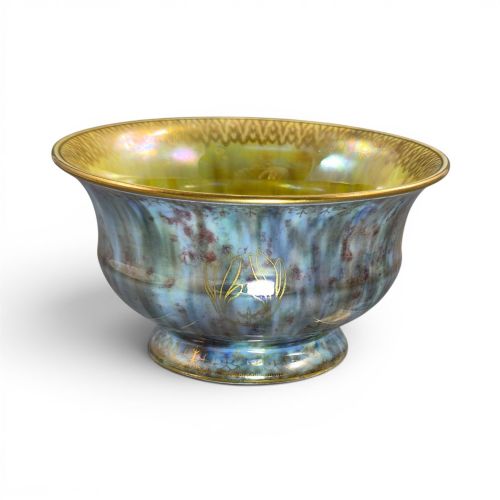
Antique wedgwood lustre items comprise decorative bowls, vases, jugs, and miniature cups shaped from earthenware, bone china, and porcelain. These vessels span the Georgian, Edwardian, and early twentieth-century periods, capturing the decorative tastes of the nineteen-tens and nineteen-twenties.
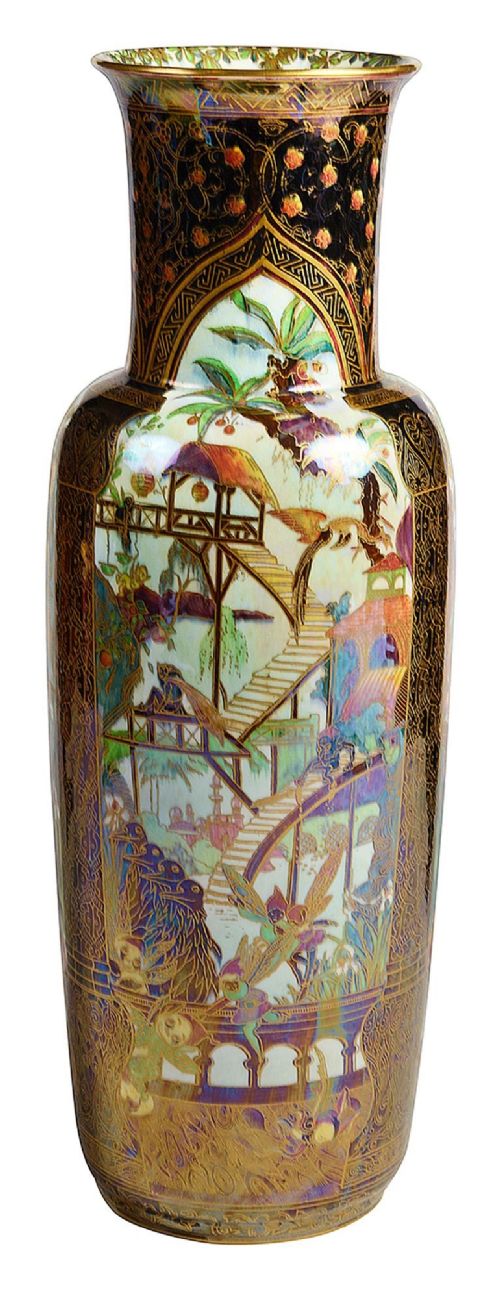
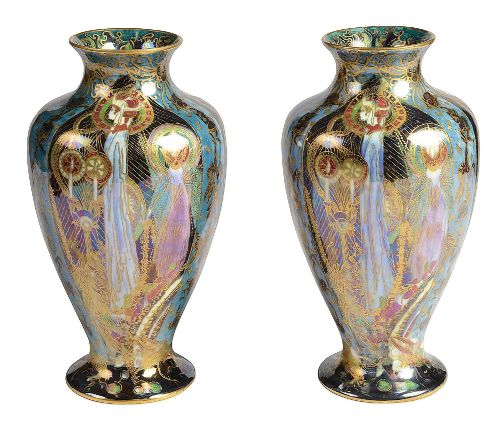
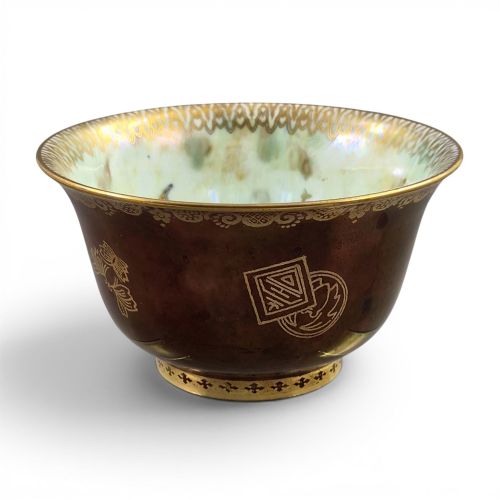
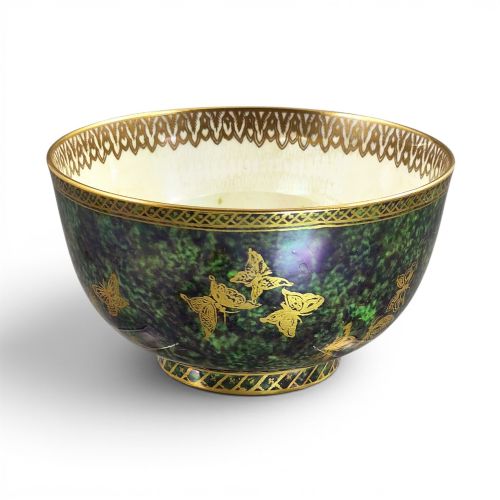
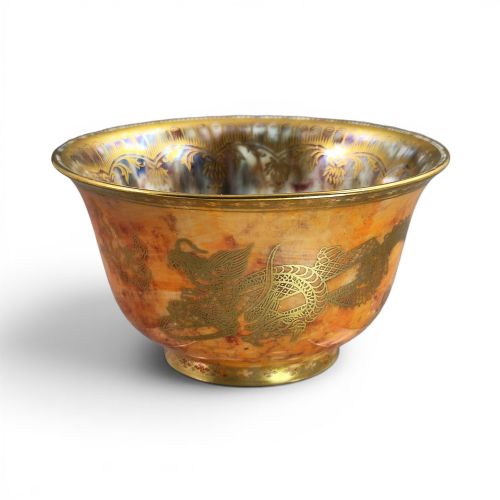
Collectors frequently encounter complex fairy and mythical themes on these wares, such as dragons, butterflies, and phoenix designs. The octagonal bowl and baluster vase formats appear often alongside smaller cabinet pieces like the Melba cup and bud vase trio.
Edwardian output dominates the selection, reflecting the prolific work of notable designers during that era. Each piece relies on the interplay between deep coloured glazes and metallic surface details to achieve its distinct visual impact.
How they were made
Potters shaped the ceramic bodies using earthenware, bone china, or porcelain before applying specialised lustre glazes. These liquid metallic solutions created an iridescent sheen across the surface during firing.
Craftsmen enriched the glazed vessels using gold leaf, gilt accents, and enamel painting to define intricate motifs. This multi-layered kiln process fused the metallic elements into the surface finish for lasting brilliance.
Listings span earthenware, bone china, and porcelain bodies decorated with gold leaf, gilt, and enamel over lustre glaze.
What varies in quality
Complexity of pattern execution separates standard items from the more elaborate masterworks in this field. Dense multi-scene designs require greater painting skill than simpler mottled or single-motif colourways.
The richness and depth of the iridescent glaze finish influence the overall visual success of a vessel. Strong contrast between the metallic sheen and the painted enamel details denotes superior craftsmanship.
Daisy Makeig Jones·James Hodgkiss
The Antique Wedgwood Lustre Glossary
- Lustre Glaze
- A ceramic coating containing metallic salts that produces an iridescent, reflective surface during firing. This technique creates the characteristic metallic sheen seen on these wares.
- Bone China
- A type of soft-paste porcelain incorporating bone ash for enhanced strength and translucency. It provides a smooth, white ground for detailed enamel painting.
- Gilt
- A thin layer of gold applied to the ceramic surface to highlight rims, handles, and design motifs. It adds a warm metallic contrast to the colourful glaze.
- Earthenware
- Porous clay pottery fired at relatively low temperatures and rendered impermeable by a glazed surface. It forms the heavier structural body of many decorative bowls and jugs.
- Baluster Vase
- A tall vessel shape characterised by a rounded lower body that tapers toward the neck. This classic form supports expansive narrative scenes and decorative patterns.
Antique Wedgwood Lustre: Frequently Asked Questions
What is fairyland lustre?
Fairyland lustre refers to a distinctive range of imaginative ceramic designs featuring goblins, elves, and mythical creatures set within fantastical landscapes. These patterns utilise rich colour palettes and elaborate gold detailing.
The style became emblematic of high-period Wedgwood production during the early decades of the twentieth century. Collectors prize these imaginative narratives for their artistic ambition and technical execution.
How are these vessels cleaned?
Cleaning requires only a gentle wipe with a soft, dry cloth to remove dust from the glazed surface. Water and cleaning agents risk damaging delicate enamel and gilt details.
Keeping pieces away from direct sunlight protects the fugitive metallic glazes from fading over time. Careful placement ensures the iridescent finish remains stable.
When were these pieces made?
Most items date from the Edwardian era and the nineteen-tens through the nineteen-twenties, reflecting a surge in imaginative ceramic design. Earlier Georgian examples also exist in creamware bodies with variegated lustre finishes.
Stylistic shifts across these decades moved from simpler mottled surfaces to dense, narrative-driven patterns. Dating relies on standard factory marks and recorded pattern numbers.
Where were they displayed?
Owners historically showcased these decorative vessels on mantelpieces, in display cabinets, or upon dedicated tables within Edwardian interiors. Their reflective surfaces caught ambient room light effectively.
Miniature cups and small bowls served as cabinet pieces intended for close inspection rather than functional use. Larger octagonal bowls anchored room displays as focal points.