


Vintage Walnut Writing Cabinet
A vintage walnut writing cabinet brings together fine timber and practical compartmentalised storage, offering a sophisticated surface for correspondence that anchors a room.
Vintage Walnut Writing Cabinet
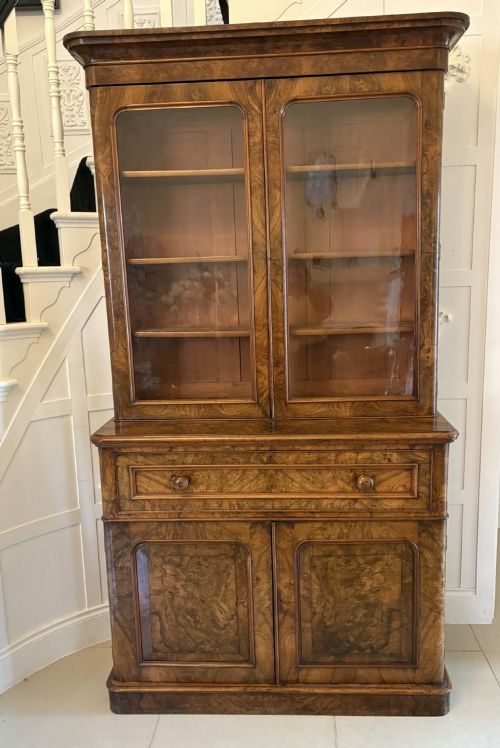
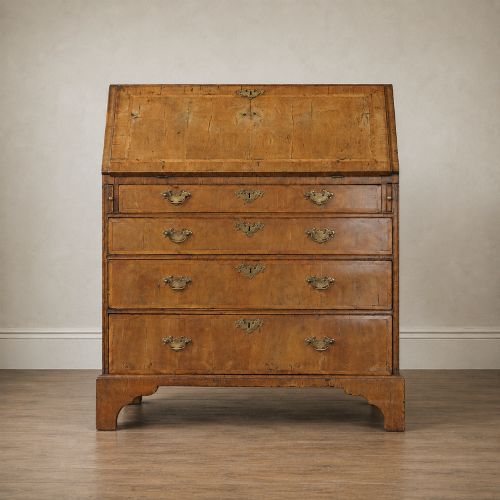
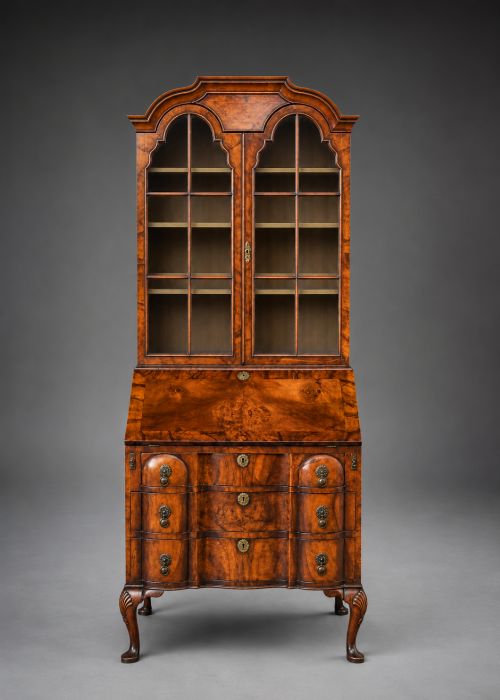
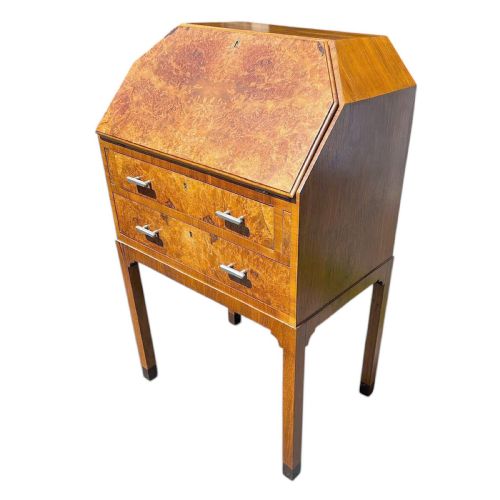
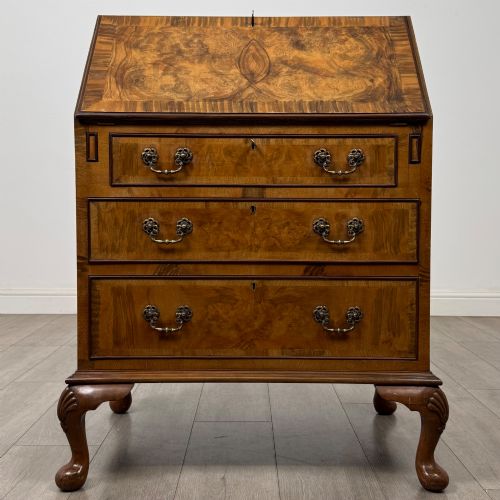
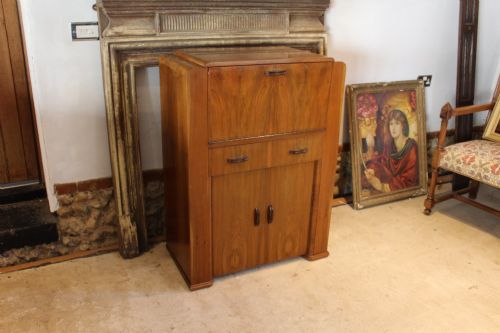
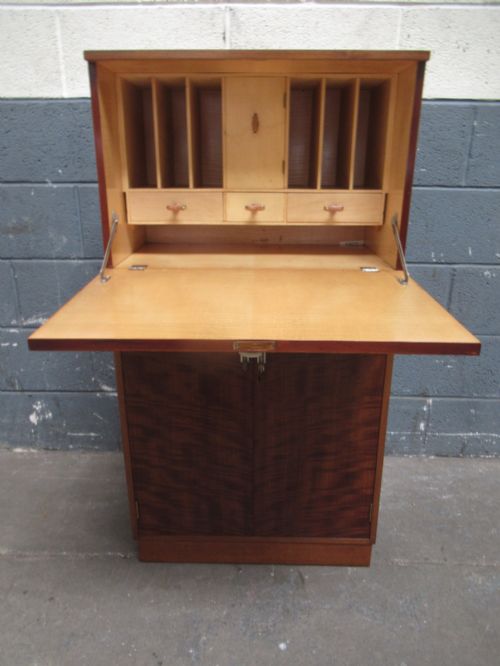
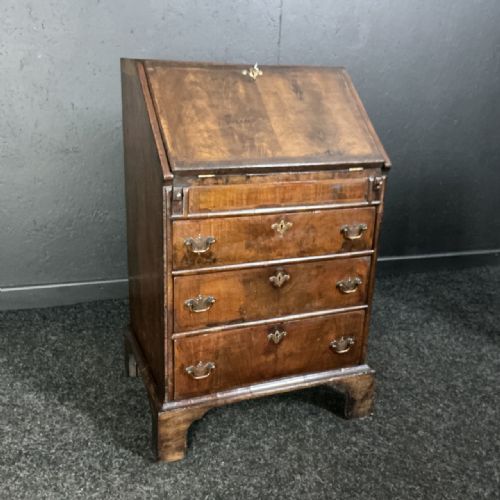
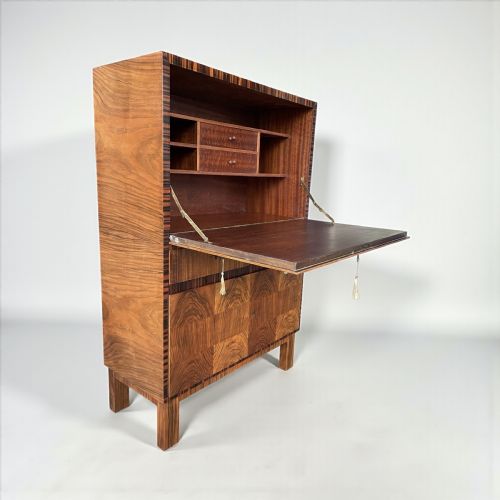
A vintage walnut writing cabinet encompasses a range of fitted desks, bureau bookcases, and secretaires designed for storage and correspondence. When exploring this phrase, buyers encounter pieces spanning from the 18th century through to Art Deco examples from 1930 and Edwardian interpretations.
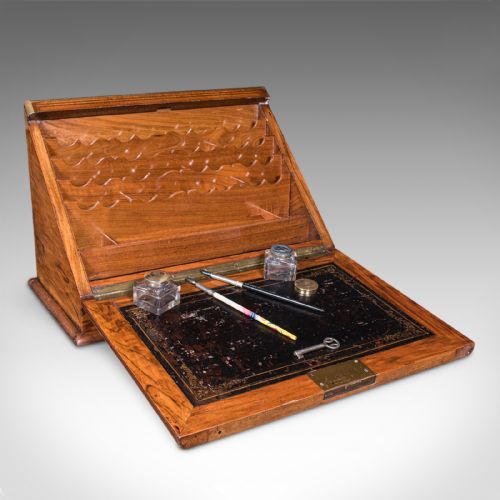
Makers utilised various configurations, combining drop-front writing surfaces with internal pigeonholes, small drawers, and upper glazed bookcases. These pieces serve as functional workspace furniture and prominent decorative focal points.
Distinguishing quality across periods
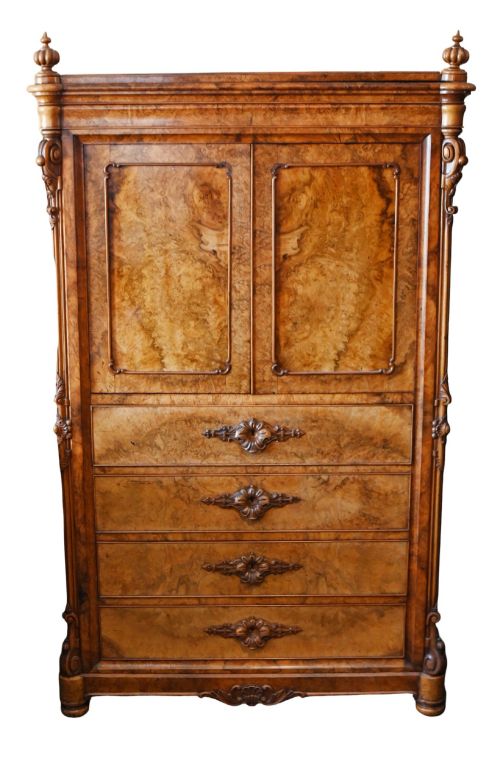
The distinction between standard and superior pieces rests on the depth of the timber figuring and the precision of the veneer matching. Master craftspeople selected burr walnut sections that created symmetrical patterns across large surfaces.
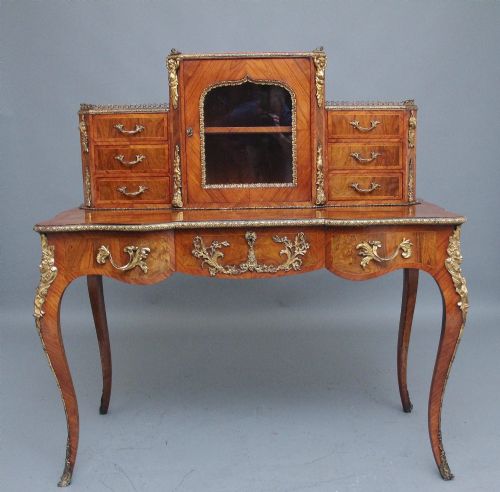
Internal complexity and joinery integrity dictate the standard of execution, from simple drop-front desks to elaborate bureau bookcases with secret compartments and finely dovetailed drawer construction. The integration of original brass fittings and undamaged marquetry inlay further elevates a piece.
Listings span from the 17th century through Georgian and Victorian eras to 1930s Art Deco.
F.H. Marshall & Co Glasgow
The Vintage Walnut Writing Cabinet Glossary
- Bureau
- A desk featuring a sloping hinged lid that opens to reveal a fitted interior of small drawers and pigeonholes.
- Escritoire
- A tall writing cabinet, often incorporating a fall-front writing surface concealing compartments, originating in the 17th century.
- Marquetry
- The art of applying pieces of veneer to a structure to form decorative patterns, frequently featuring floral designs.
- Lowboy
- A small dressing table or side table with drawers, often produced in Queen Anne and later revival styles.
- Burr walnut
- A prized timber harvested from the abnormal growth of a walnut tree, yielding swirling, highly decorative grain patterns.
Vintage Walnut Writing Cabinet: Frequently Asked Questions
What is a bureau bookcase?
A bureau bookcase combines a sloping writing desk at the base with an enclosed shelving unit or glazed cabinet above.
This form provides both functional workspace and display storage within a single tall item of furniture.
How do I identify Art Deco writing cabinets?
Art Deco writing cabinets from the 1930s typically feature streamlined geometric silhouettes and polished walnut surfaces without traditional carving.
These pieces prioritise clean lines and showcase the natural figuring of the wood veneer.
What is burr walnut?
Burr walnut comes from a tree growth that produces intricate, swirling grain patterns rather than straight lines.
Cabinet makers used these figured veneers on prominent exterior surfaces to create striking visual contrast.
Where were these cabinets made?
The pieces originate from workshops across England, France, Italy, Germany, and the Netherlands over multiple centuries.
Regional preferences influenced whether a piece incorporated Dutch marquetry, French polish, or English Georgian proportions.
How do I care for walnut furniture?
Walnut surfaces require protection from direct sunlight and excessive moisture to prevent fading and veneer warping.
Regular dusting with a soft cloth and occasional gentle waxing maintain the lustre of the timber.