

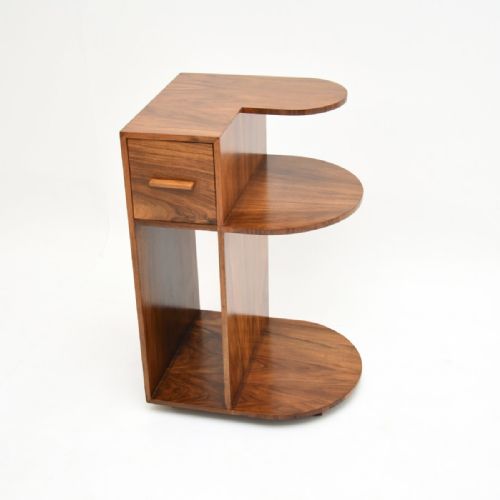
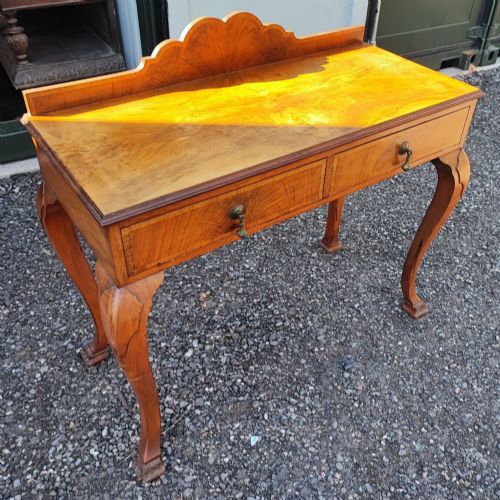
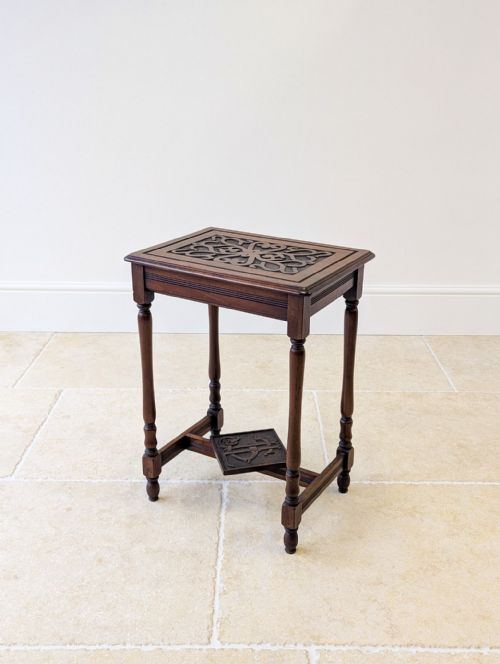
Vintage Walnut Occasional Table
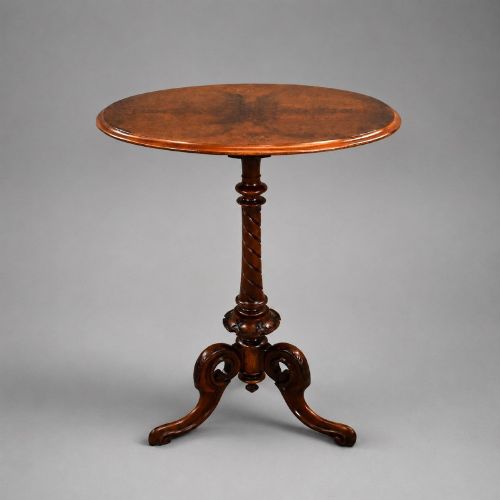
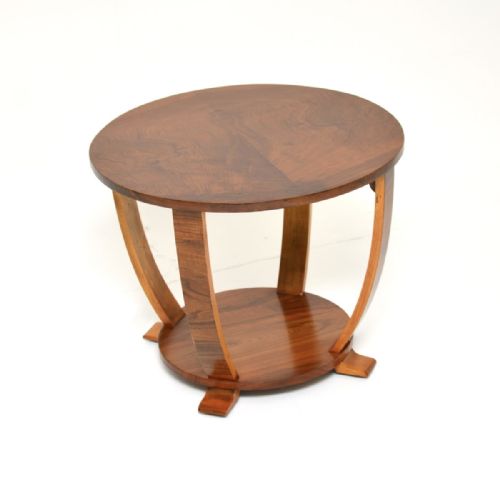
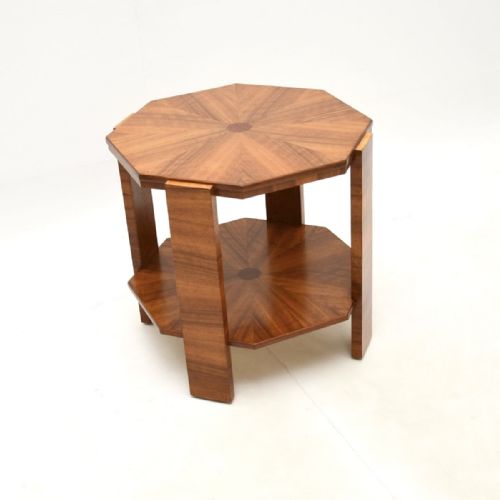
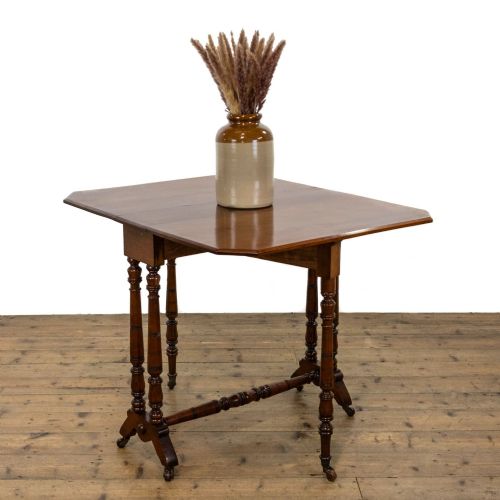
A vintage walnut occasional table brings rich timber grain and useful surface space to a corner or beside a sofa.
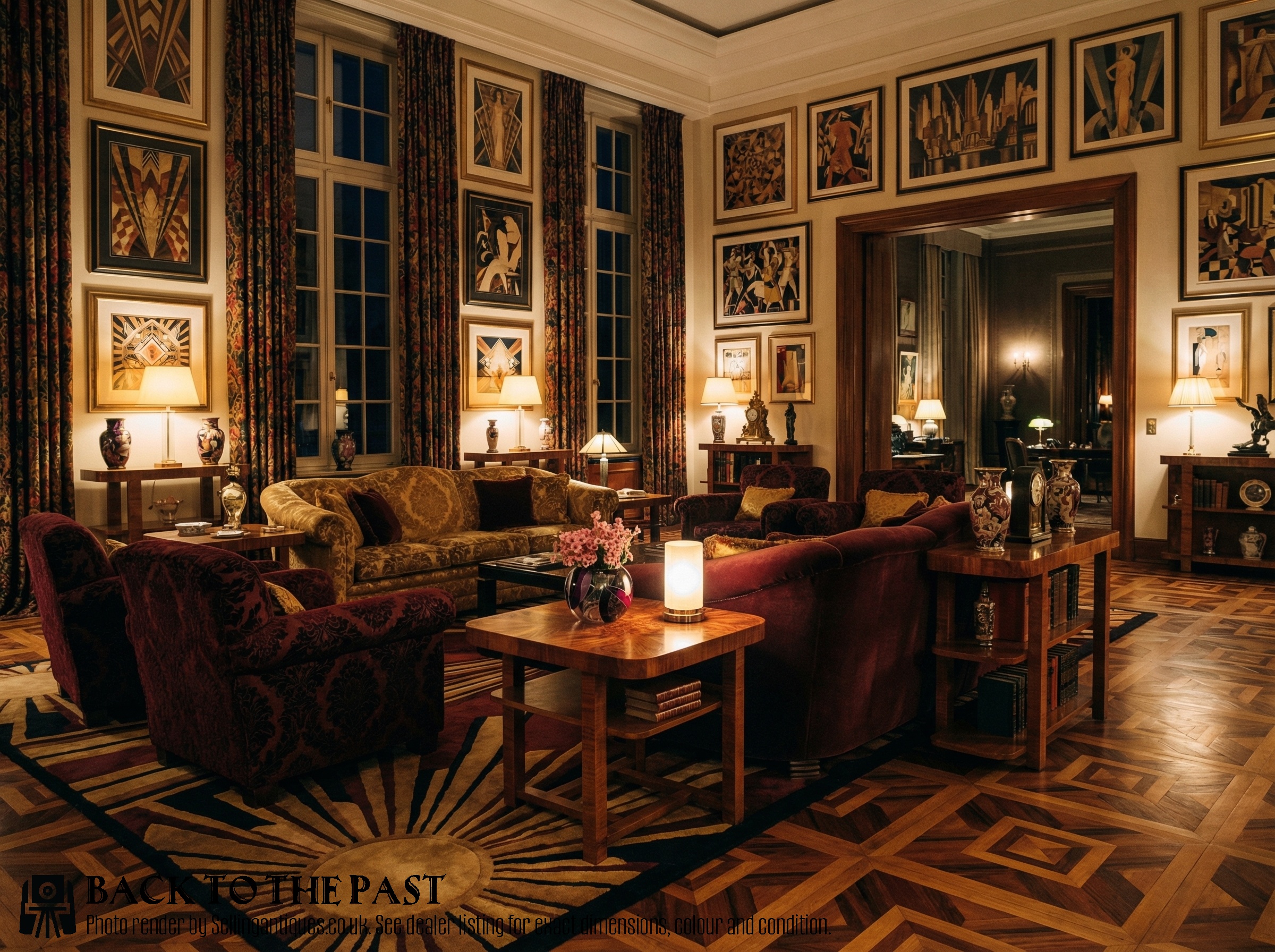
Vintage Walnut Occasional Table
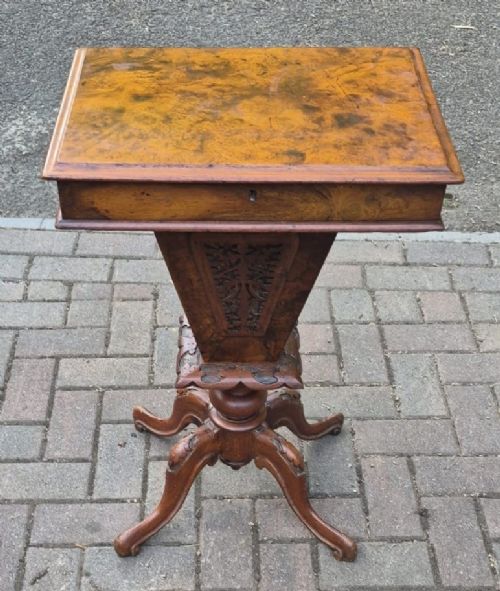
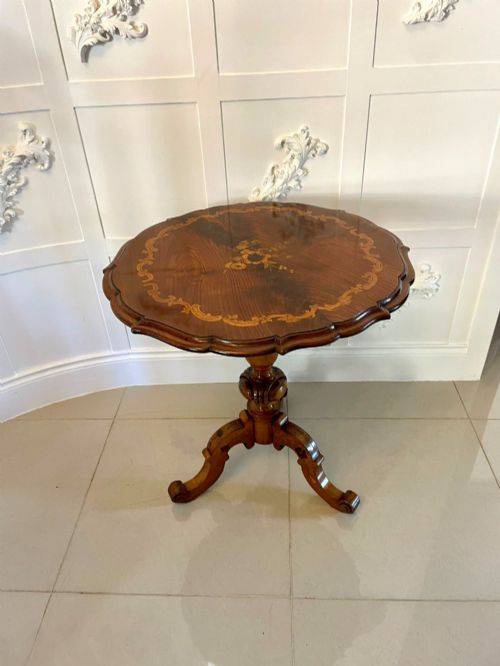
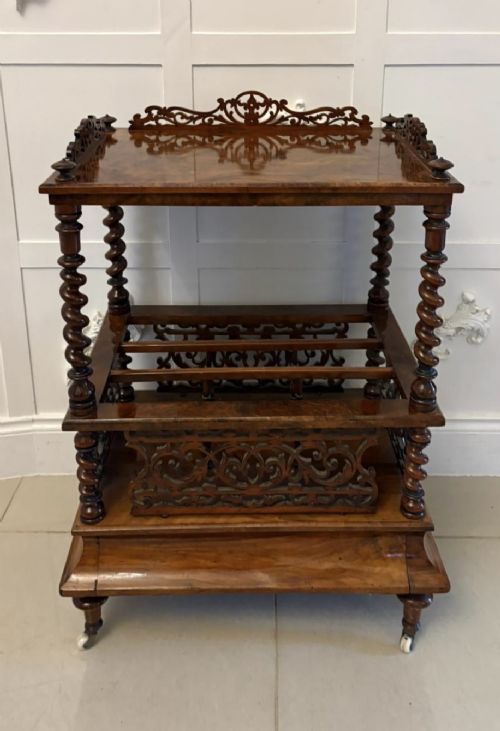
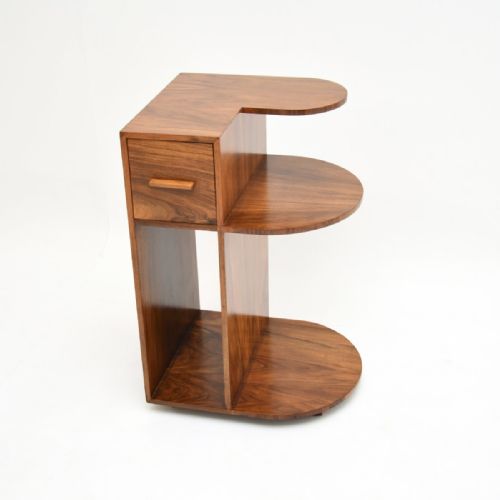
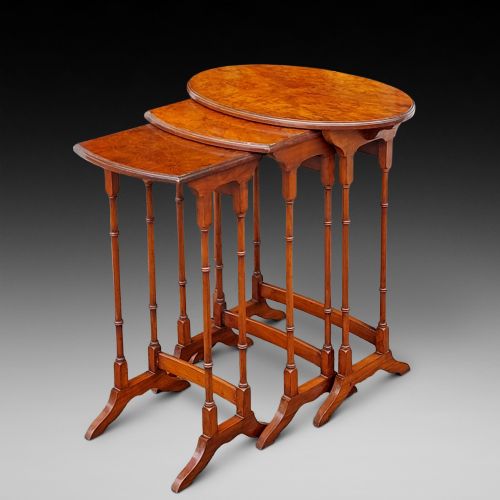
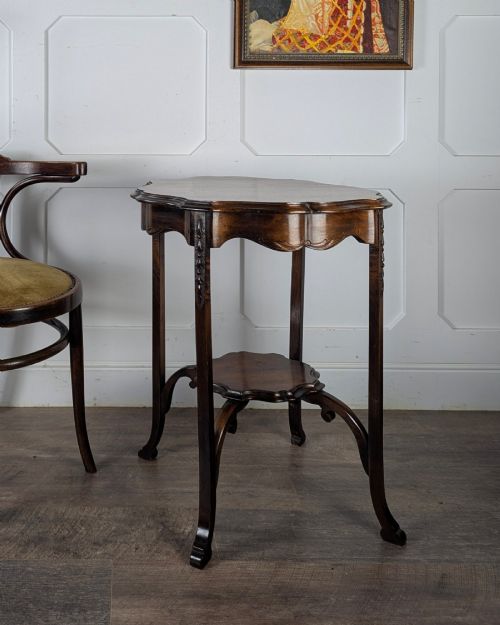
A vintage walnut occasional table appears in various forms across this selection, including side tables, coffee tables, nests of tables, and specialised pieces like canterburys and sewing tables. These items serve as compact, moveable surfaces that fit easily into sitting rooms and studies.
The pieces on this page span several distinct periods, with Victorian, Edwardian, and Art Deco designs making up the majority. Buyers encounter both simple everyday items and more decorative forms incorporating marquetry or tiered structures.
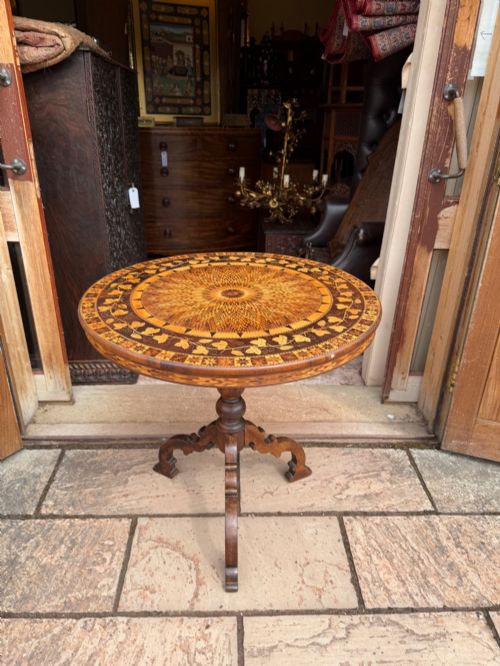
Origins vary from English workshops to French makers and Italian Sorrento production, reflecting different regional tastes in cabinet making across the nineteenth and twentieth centuries.
What varies in quality
The selection of timber grain sets individual pieces apart, with highly figured burr walnut commanding greater visual presence than plain walnut planks. Craftsmanship shows in the precision of marquetry inlay and the stability of tiered or nesting structures.
Proportion and decorative restraint dictate the character of each piece, distinguishing restrained Edwardian designs and geometric Art Deco lines from heavier Victorian formats.
Materials range from solid hardwood and brass to intricate burr walnut and figured walnut veneers.
Shoolbred·Liberty of London
The Vintage Walnut Occasional Table Glossary
- Burr walnut
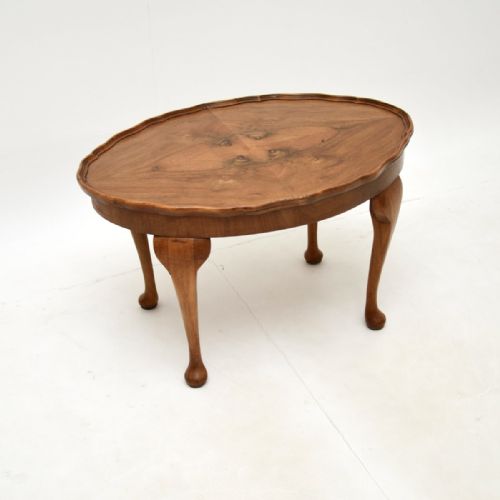
- A thin slice of timber taken from a growth or burl on the walnut tree, prized for its swirling, highly decorative grain patterns. This material appears frequently on the tops of Victorian and Art Deco tables.
- Marquetry
- The art of applying small pieces of veneer to a structure to form decorative patterns or pictures. Victorian and continental tables often feature floral or geometric marquetry.
- Nesting tables
- A set of smaller tables designed to slide neatly beneath one another when not in use. Edwardian and interwar makers produced these in sets of three.
- Sutherland table
- A narrow drop-leaf table with hinged flaps supported by pivoting swing legs. These space-saving designs emerged in the Victorian era.
- Etagere
- A piece of furniture consisting of a set of open shelves for displaying small objects. French examples often feature turned wooden legs.
Vintage Walnut Occasional Table: Frequently Asked Questions
What is a vintage walnut occasional table used for?
These tables provide a convenient surface for lamps, books, or drinks beside a chair or sofa. Their compact size allows them to move easily around a room as needed.
Certain forms include tiers or nesting sets that offer extra space only when required, making them practical for modern living rooms.
How do I identify Art Deco walnut tables?
Art Deco pieces typically date from the 1920s and 1930s, featuring smooth geometric lines and highly figured walnut veneers. They often take the form of low coffee tables or tiered occasional tables.
These designs abandon Victorian ornamentation in favour of clean curves and symmetrical grain arrangements.
What is the difference between burr walnut and plain walnut?
Plain walnut displays a relatively straight, uniform grain pattern across the timber surface. Burr walnut comes from a tree deformity, creating dense, swirling patterns full of intricate eyes and knots.
Tables featuring burr walnut veneers were usually reserved for more decorative, high-status reception rooms.
How should I care for a vintage walnut table?
Keep wooden furniture away from direct sunlight and heat sources to prevent the walnut veneer from drying out or splitting. Routine dusting with a soft, dry cloth maintains the polished finish.
Avoid placing damp items directly onto the timber surface without using coasters to protect the polish.