



Vintage Walnut Credenza
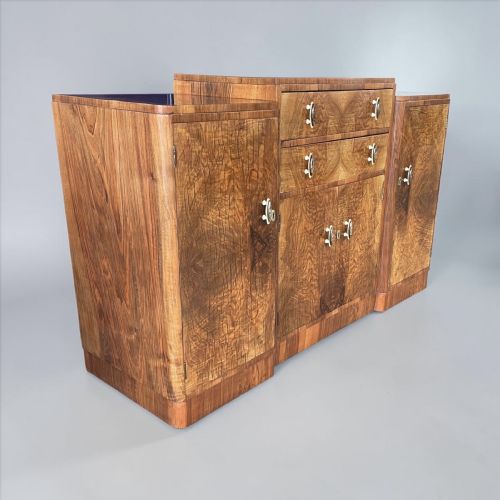
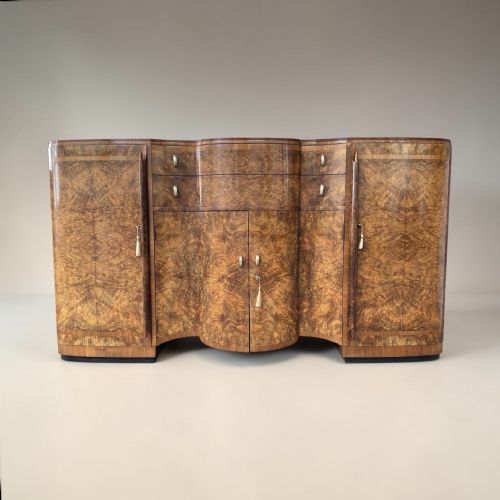
A vintage walnut credenza brings figured timber and substantial presence to a room, offering both display space and practical storage.

Vintage Walnut Credenza
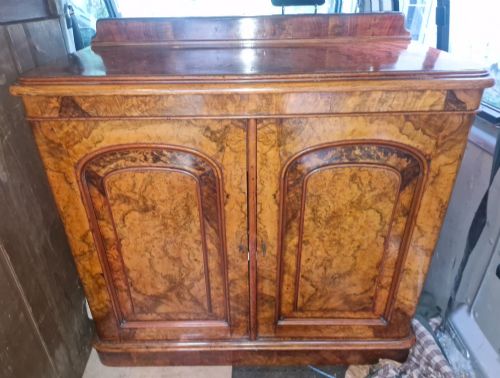
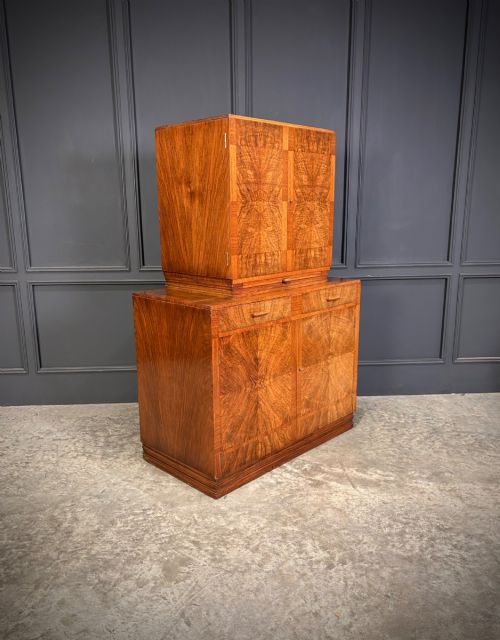
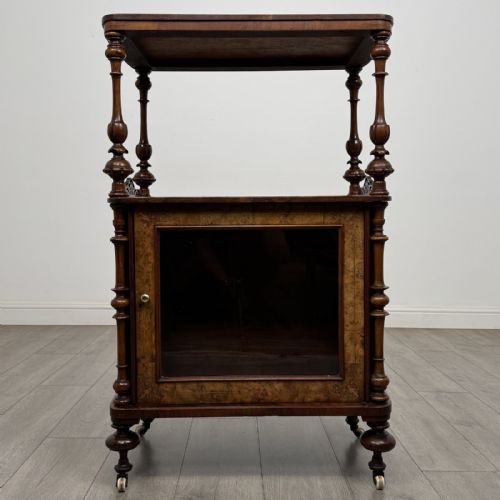
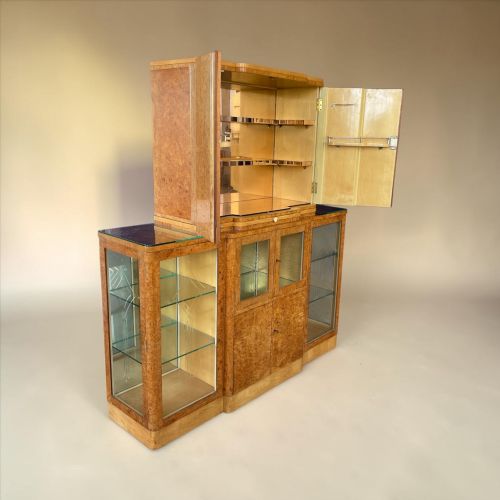
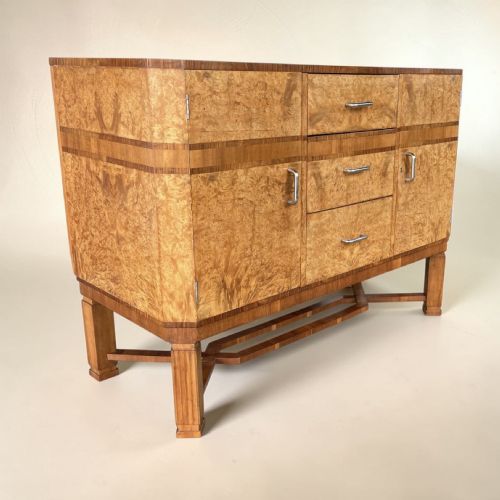
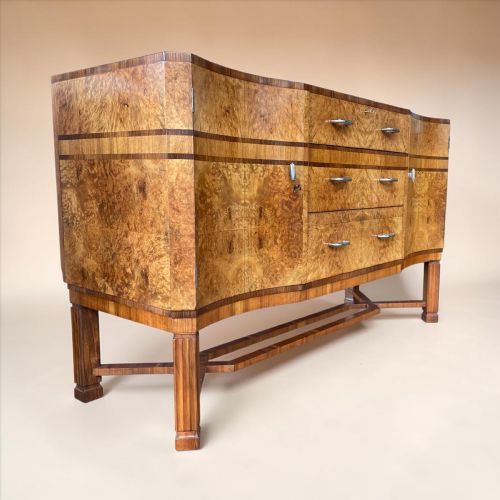
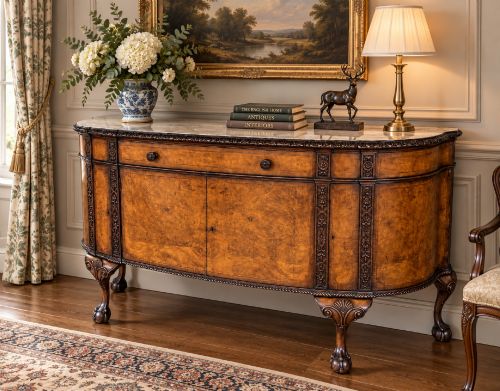
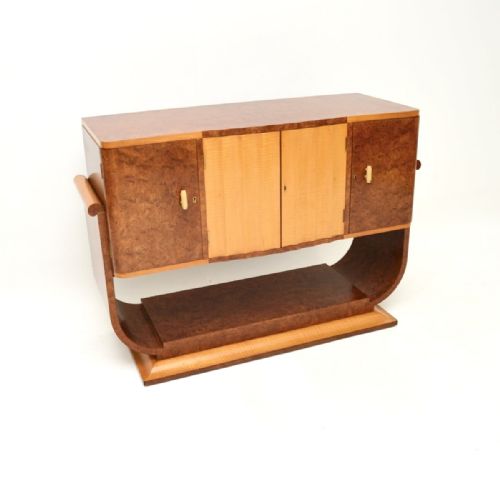
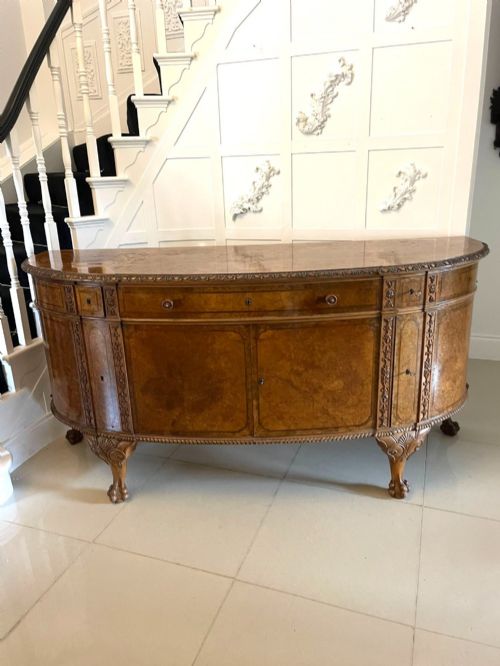
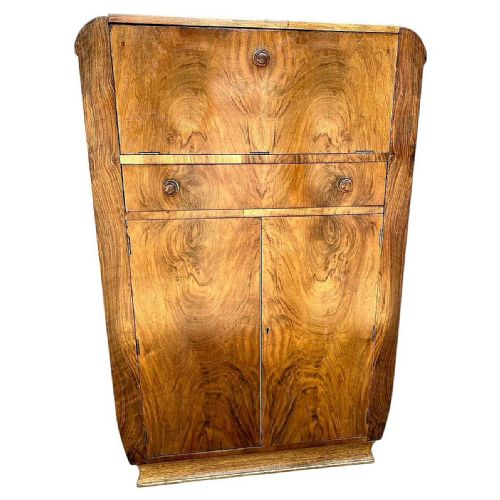
The selection on this page relies heavily on early twentieth-century production, particularly Art Deco pieces alongside Edwardian and Victorian forms. These low storage units frequently feature multiple doors, serpentine or bow fronts, and specialised internal fittings such as cutlery sets or drinks compartments.
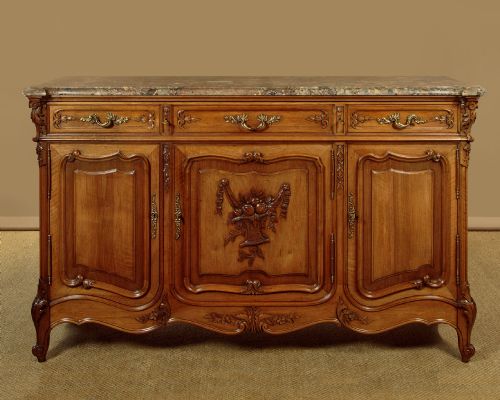
Origins vary between British workshops and continental makers, incorporating French styles alongside domestic production. Forms span from demi-lune side cabinets and break-fronted bookcases to server credenzas with mirrored backs or marble tops.
Materials and construction methods
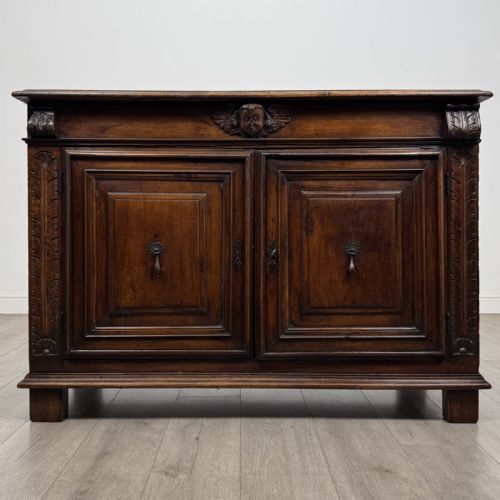
Makers utilised solid walnut and decorative veneers, notably burr walnut and figured walnut, chosen for their complex grain patterns and rich tones. Secondary timbers like oak and sycamore appear alongside contrasting elements such as satin birch.
Surface decoration frequently involves marquetry inlay, intricate carving, and polished finishes that highlight the natural figure of the wood. Metal mounts in brass and ormolu complement the timber, while certain continental and Victorian examples incorporate fitted marble tops.
Vintage Walnut Credenza Retail Price Guide 2026
Typical asking prices for vintage walnut credenza among the pieces listed under this phrase on Sellingantiques today, from the lower quarter to the upper quarter. They describe what is for sale here now, not the wider market.
Listings span from the 1860s through the 1930s, uniting Victorian revivalism with modernist Art Deco forms in solid and veneered walnut.
Distinctions in quality
The calibre of a piece rests largely on the selection and matching of the walnut veneers, where symmetrical grain alignment across doors and drawers indicates superior craftsmanship. Maker attribution also elevates certain examples, particularly documented works from notable twentieth-century workshops.
Construction depth defines the upper tier, seen in exhibition-quality nineteenth-century credenzas with elaborate serpentine fronts and complex internal fittings. Heavier carving, superior brass or ormolu hardware, and integrated marble tops further separate standard production from exceptional pieces.
Maurice Adams·Edward Barnsley·Harry and Lou Epstein·Hille·Hille of London
The Vintage Walnut Credenza Glossary
- Burr walnut
- A specialised timber cut from the wart-like growths on walnut trees, yielding highly ornamental, swirling grain patterns. It is frequently applied as a veneer on statement doors and drawer fronts.
- Credenza
- A low storage cabinet traditionally used for serving food or displaying precious items. In later periods, the term overlaps fluidly with sideboards and side cabinets.
- Marquetry
- The art of applying small pieces of veneer to a structure to form decorative patterns or pictorial designs. It appears frequently on continental cabinets and nineteenth-century exhibition pieces.
- Serpentine front
- A furniture front characterised by a curving contour that bulges outward in the centre and recedes toward the ends. This shape requires advanced woodworking skill to execute properly.
- Ormolu
- Gilded bronze ornamentation applied to furniture mounts and decorative details. It adds metallic contrast to polished walnut surfaces, particularly on continental pieces.
Vintage Walnut Credenza: Frequently Asked Questions
What is the difference between a credenza and a sideboard?
A credenza typically denotes a low-profile cabinet designed for storage and display, whereas a sideboard often incorporates broader serving surfaces and varied internal compartments.
In practical terms across these listings, the two terms frequently overlap to describe low timber storage furniture.
How do I identify an Art Deco walnut credenza?
Art Deco pieces from the 1930s generally display geometric symmetry, clean lines, and highly figured burr walnut or contrasting sycamore veneers.
Unlike ornate Victorian or revival styles, these cabinets favour streamlined silhouettes without heavy historical carving.
What materials are commonly found on these cabinets?
Solid walnut and walnut veneer form the primary body of these pieces, often enhanced by burr walnut for decorative grain effects.
Secondary materials include brass hardware, marble tops on certain continental designs, and glass for cabinet doors and bookcases.
Are these pieces strictly British in origin?
While many examples originate from British workshops and documented makers, the selection also includes continental pieces, particularly French provincial and Art Deco designs.
French pieces frequently incorporate distinct details such as marble tops and marquetry inlay.