

Vintage Walnut Chairs
Vintage walnut chairs bring warmth and rich grain to a room, spanning formal nineteenth-century dining sets and sleek art deco lounge suites.
Vintage Walnut Chairs
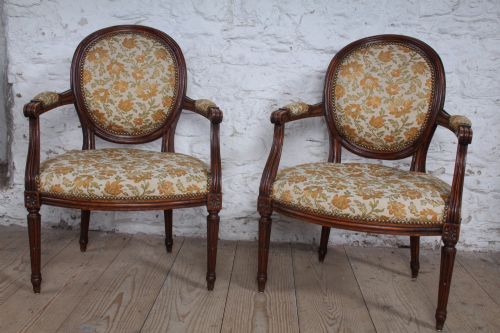
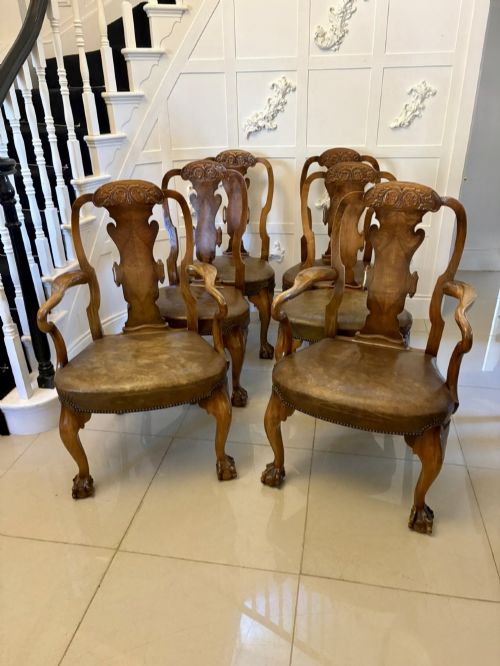
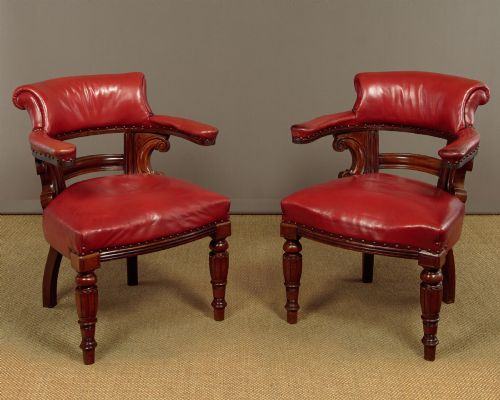
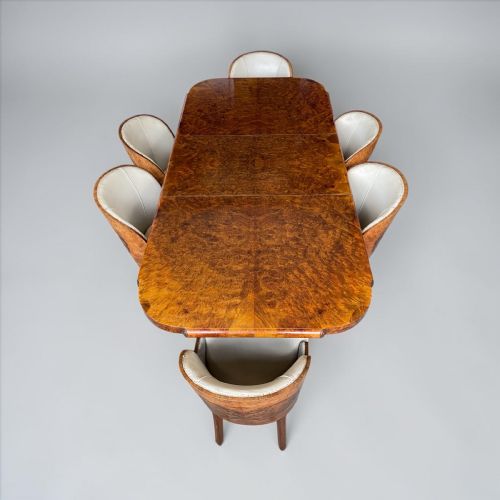
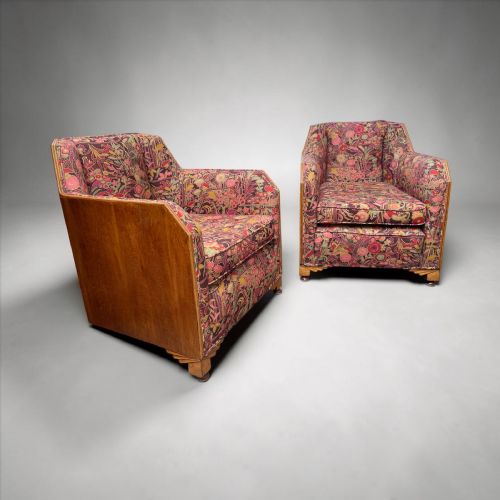
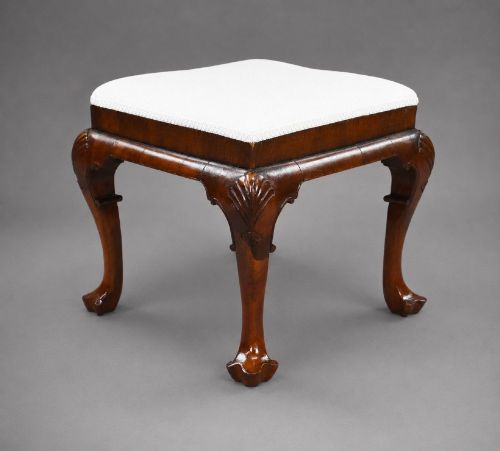
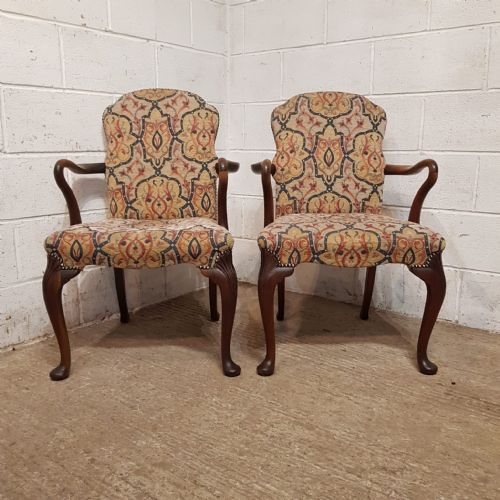
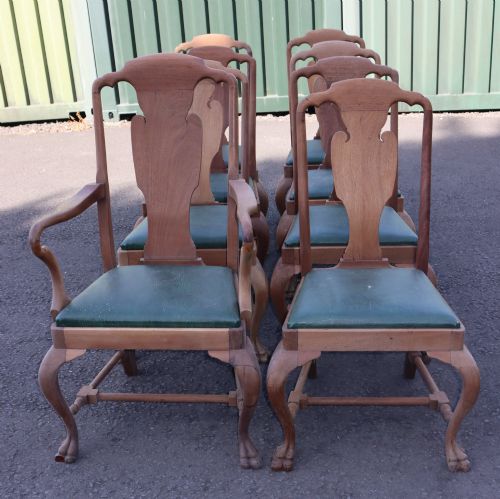
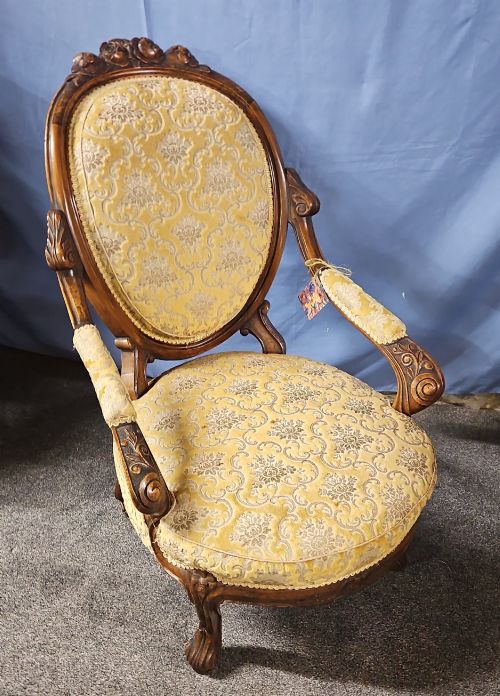
Vintage walnut chairs comprise a diverse mix of seating options, ranging from nineteenth-century Victorian salon chairs to nineteen-thirties art deco club chairs. Buyers searching for vintage walnut chairs encounter various forms, including dining sets, armchairs, library chairs, and occasional stools.
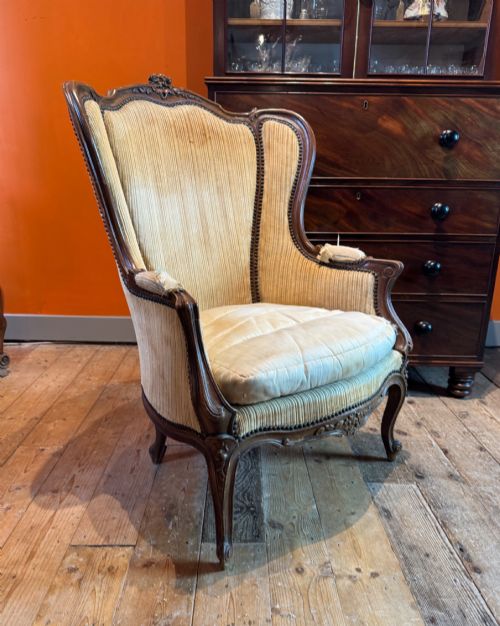
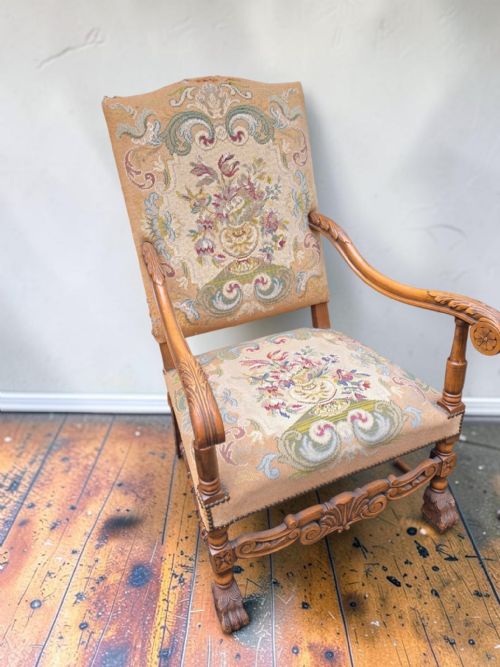
The selection reflects multiple eras, notably the Victorian period, the Edwardian years, and the interwar art deco movement. Revival styles also appear frequently, including Queen Anne, Carolean, and French design influences executed in solid walnut and burr walnut.
Makers and origins vary widely across the inventory, spanning English workshops, French ateliers, and Portuguese makers. Seating comes upholstered in diverse materials such as leather, velvet, fabric, textile, and split cane.
How they were made
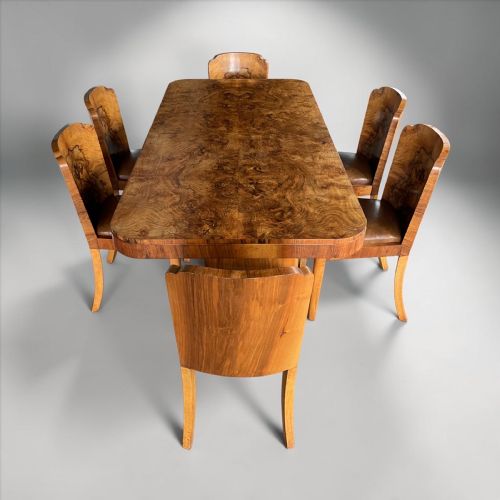
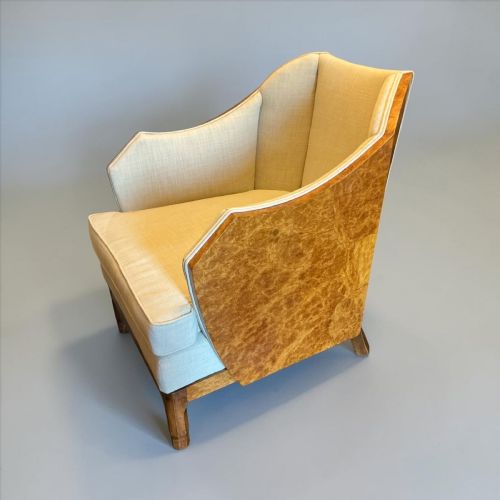
Makers utilised solid walnut and burr walnut for framing, often carving intricate details into nineteenth-century dining chairs and Victorian salon pieces. Timber selection dictated the visual weight of the furniture, with burr walnut providing decorative patterning on art deco club chairs and occasional pieces.
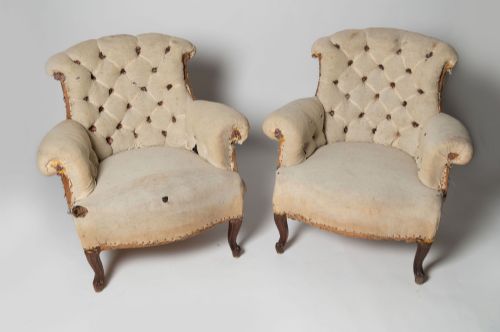
Upholstery methods varied by period, employing traditional stuffing and springs for Victorian nursing chairs and button-back armchairs. Later nineteen-thirties designs utilised streamlined frames paired with calf suede, leather, or textile coverings to achieve distinct modern silhouettes.
Upholstery materials recorded across the walnut seating range from embossed leather and calf suede to velvet, textile, and split cane.
What varies in quality
Quality reveals itself in the crispness of the timber carving and the selection of walnut veneers. Pieces featuring figured burr walnut display superior decorative ambition compared to plain timber frames.
The integrity of the construction and the fidelity of revival styles dictate the standing of individual pieces. Master furniture makers employed precise joinery and balanced proportions, visible in the curve of cabriole legs and the symmetry of carved ornamentation.
Maurice Adams·Hille·Harry and Lou Epstein
The Vintage Walnut Chairs Glossary
- Burr walnut
- A prized timber veneer showing swirling, knotty grain patterns formed from tree growths. It appears frequently on decorative art deco and nineteenth-century cabinet work and chair frames.
- Bergere
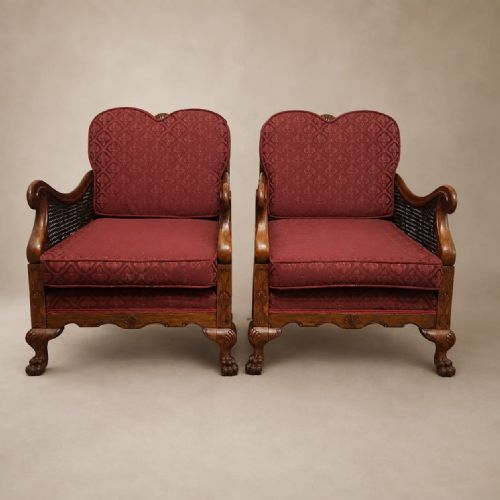
- An enclosed upholstered armchair with a wooden frame, often featuring cane work panels on the back and sides. These designs gained popularity in French and English seating of the nineteenth and early twentieth centuries.
- Cabriole leg
- A furniture leg that curves outward and then tapers inward, mimicking an animal's limb. This form characterises Queen Anne style and eighteenth-century inspired revival seating.
- Carolean revival
- A nineteenth-century style imitating the ornate, baroque woodwork of the late seventeenth century under King Charles II. Pieces often feature high carved backs and rich upholstery.
- Spoonback
- An upholstered chair back shaped to resemble the hollow of a spoon, designed to fit the human spine. This form is common in Victorian nursing and salon chairs.
Vintage Walnut Chairs: Frequently Asked Questions
How do I identify art deco chairs?
Art deco chairs from the nineteen-thirties usually feature geometric lines, smooth curved wooden frames, and minimal carved ornamentation compared to earlier Victorian designs. They frequently incorporate club chair silhouettes or streamlined occasional forms.
Upholstery on these pieces often utilises bold textiles, calf suede, or smooth leather to complement the polished walnut or burr walnut woodwork.
What is a bergere chair?
A bergere is a traditional French-style armchair featuring an exposed wooden frame and upholstered seat cushions. Many examples also include woven cane panels along the sides and back.
These chairs range from nineteenth-century interpretations to nineteen-thirties suites, offering a lighter visual presence than fully upholstered library chairs.
How do I care for walnut furniture?
Walnut benefits from stable indoor humidity and protection from direct sunlight, which can fade the rich natural colour of the wood. Regular dusting with a soft, dry cloth preserves the polished surface.
Harsh chemical cleaners should be avoided to protect both the timber finish and historic upholstery materials such as leather, velvet, or textile.
What distinguishes Victorian walnut chairs?
Victorian walnut chairs often display deep hand-carving, button-backed upholstery, and curved wooden frames. Common forms include nursing chairs, spoonback armchairs, and formal dining sets.
These pieces reflect historic revival movements, combining dark walnut timber with elaborate textile or leather coverings.