




Vintage Wall Dish
When you search for a vintage wall dish, you discover broad chargers and cabinet plates formed in porcelain, copper, and earthenware across centuries of decorative craft.
Vintage Wall Dish
A vintage wall dish encompasses large display chargers, cabinet plates, and decorative dishes made for visual impact rather than dining use. These pieces often feature hanging provisions or pair naturally with period plate racks designed for wall presentation.
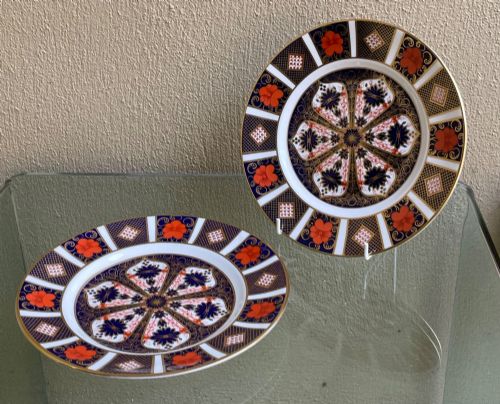
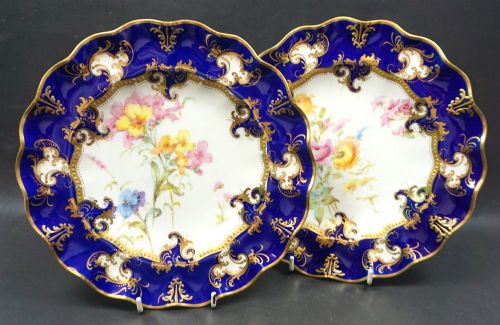
The selections span traditional Japanese Imari and Meiji period ceramics alongside European Delftware, English bone china, and Middle Eastern metalwork. Pieces range from small scalloped dessert dishes to substantial brass and copper chargers.
Originating across distinct stylistic movements including Dutch Baroque, Chinoiserie, and Japanese cloisonné, these wall pieces demonstrate the global reach of decorative arts from the seventeenth century through the mid twentieth century.
How they were made
Ceramic pieces utilise porcelain, earthenware, and faience bodies finished with hand-painted glazes, cobalt blue pigments, and polychrome enamels. Firing techniques fix intricate floral, avian, and figurative motifs directly onto the clay body.
Metal items employ copper, brass, iron, and silver plating shaped through repoussé work, engraving, and metal inlay. Cloisonné enamelling secures coloured pastes within soldered wire compartments on metal foundations before firing and polishing.
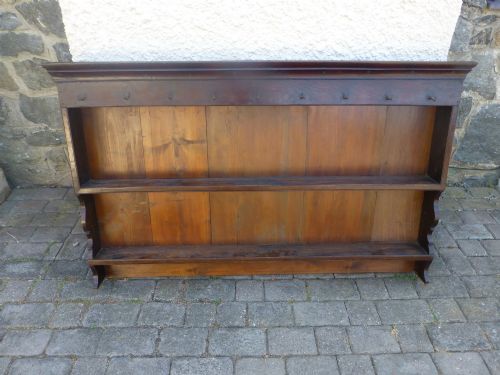
An eighteenth-century delft dresser plate rack waits patiently to hold your newly discovered charger.
What varies in quality
Quality rests in the precision of the hand-painted brushwork or the complexity of the metal inlay and repoussé detailing. Master artisans achieve sharper lines, richer enamel saturation, and more balanced compositions across the surface.
The integrity of the material body, whether translucent porcelain, heavy copper, or dense earthenware, dictates the durability and visual resonance of the finished dish.
Royal Worcester·Royal Crown Derby·Royal Doulton
The Vintage Wall Dish Glossary
- Charger
- A large decorative plate traditionally used for ceremonial display rather than serving food. These substantial dishes command attention on walls and large surfaces.
- Imari
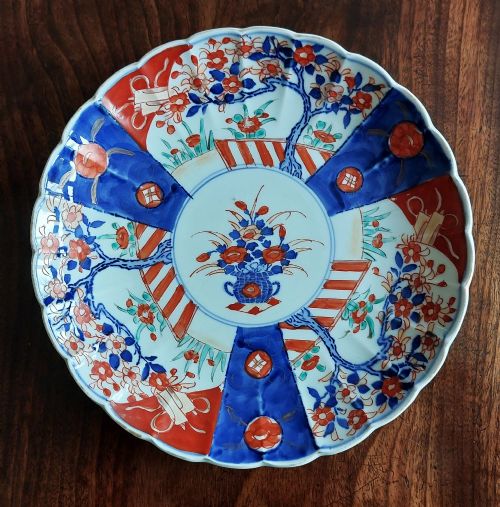
- A style of Japanese porcelain featuring distinctive cobalt blue and iron red underglazes, frequently enriched with gold leaf. This aesthetic influenced European ceramic design significantly.
- Delftware
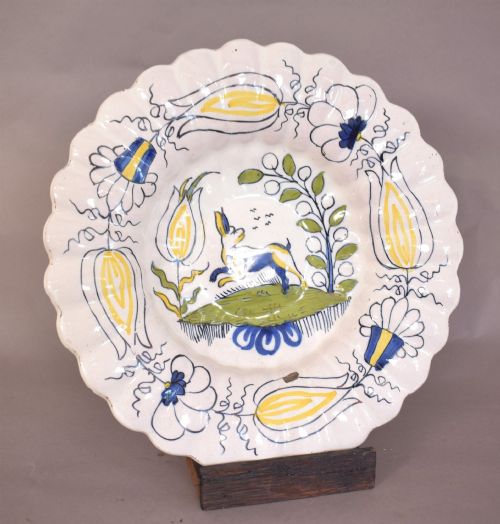
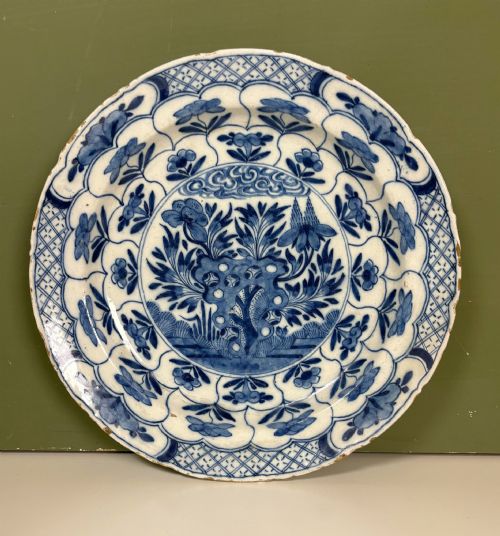
- Tin-glazed earthenware produced in England, the Netherlands, and France, typically decorated with blue and white motifs or polychrome Chinoiserie scenes.
- Cloisonné
- A metalwork technique where thin wire partitions are soldered to a copper base to create cells filled with enamel paste. The surface is then fired and ground smooth.
- Repoussé
- A metalworking method where a malleable metal sheet is hammered from the reverse side to form a raised design in relief. This technique creates tactile depth on copper and silver chargers.
Vintage Wall Dish: Frequently Asked Questions
How do I hang a heavy charger safely?
Large metal and ceramic dishes require robust spring-loaded brass wall hangers that distribute the weight evenly across the rim. Ensure the fixing secures directly into a wall stud or uses appropriate masonry anchors.
Avoid wire attachments that rely on old glazes or delicate foot rings for support, as shifting humidity can weaken historic materials over time.
Were these plates meant for dining?
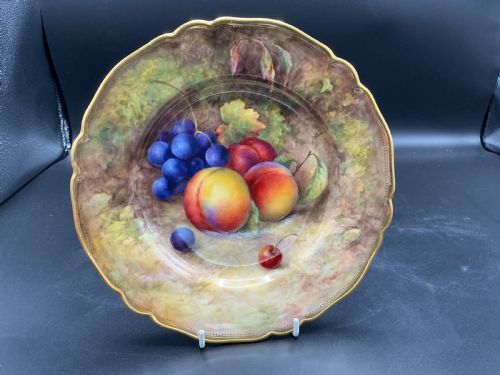
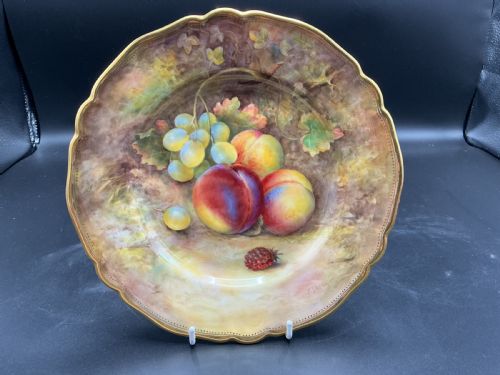
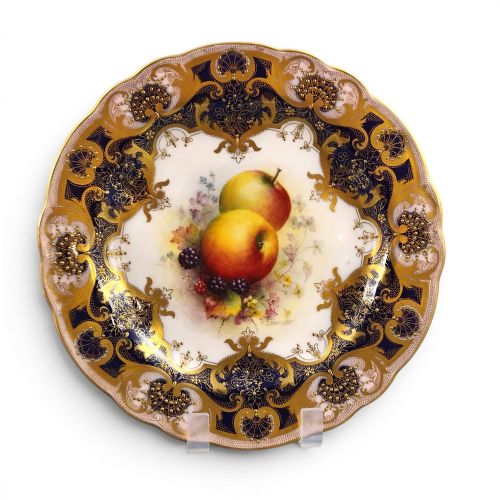
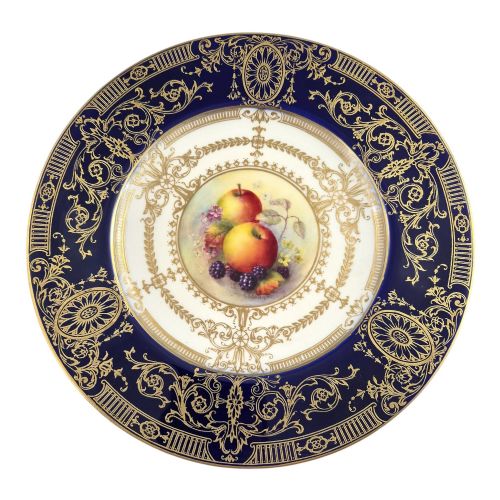
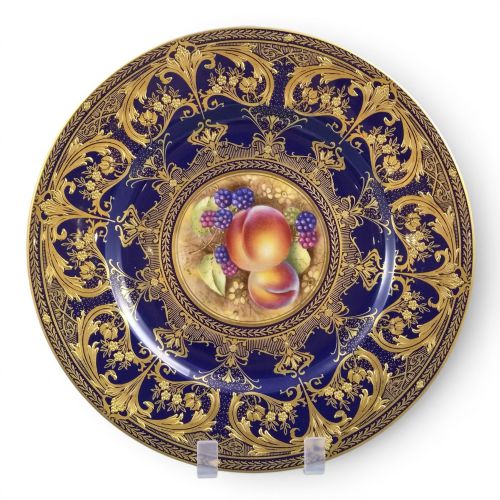
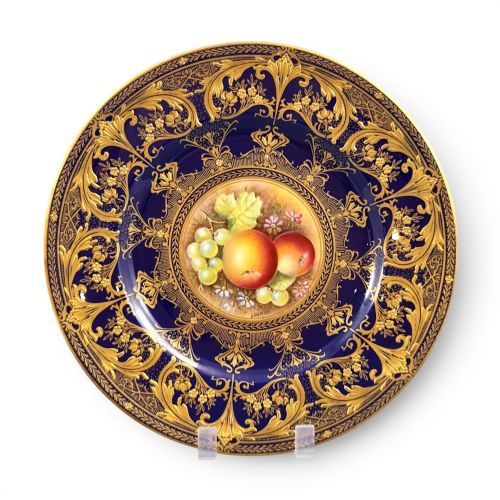
Cabinet plates and large display chargers are created primarily for visual appreciation rather than daily utility. Their painted fruit scenes, intricate enamels, and soft earthenware bodies suit decorative display best.
Using antique decorative dishes for food service exposes vulnerable glazes and historic metallic lustres to unnecessary wear and detergent damage.
How do I date a blue and white Delft dish?
Examination of the tin glaze, raw clay foot rim, and pigment depth helps determine the era of a Delft piece. Earlier examples often display minor glaze imperfections and distinct tonal variations in the cobalt blue.
Comparing the stylistic motifs, such as floral sprays or Chinoiserie figures, against known production periods narrows down the manufacturing decade.
How should I clean antique copper and brass dishes?
Dust metal chargers gently with a soft, dry cloth to remove surface particles without disturbing patinated surfaces. Avoid harsh chemical polishes that strip away historic character and age tones.
Preserving the original patinated copper or silver inlay requires minimal intervention and stable indoor humidity levels.