

Vintage Wall Appliques
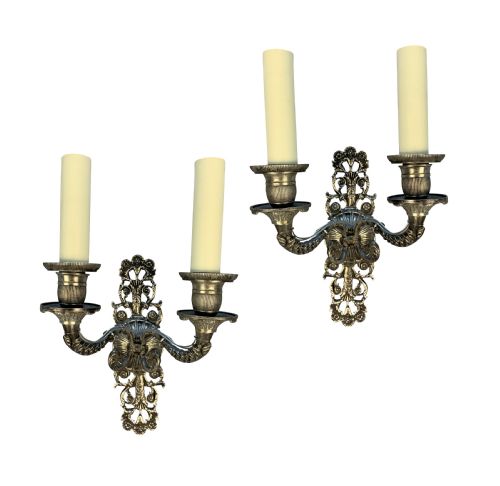
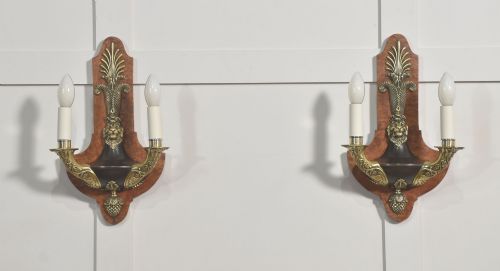
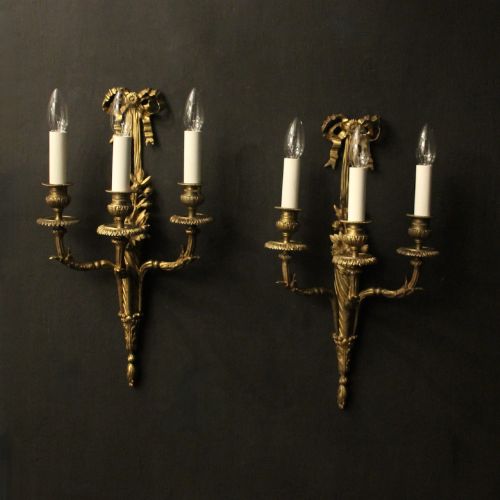
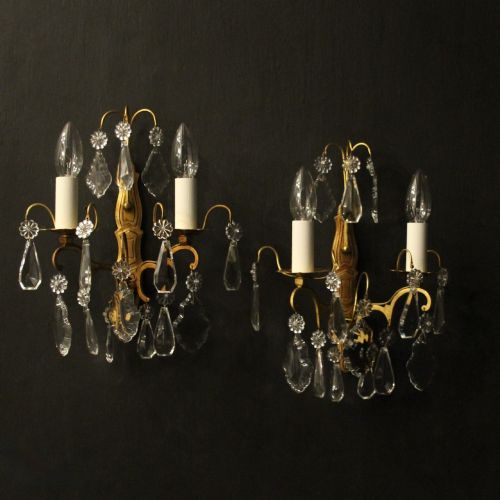
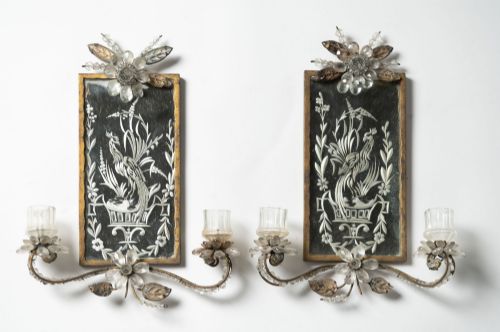
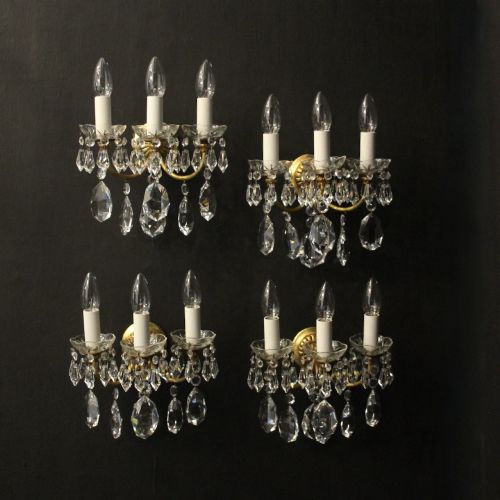
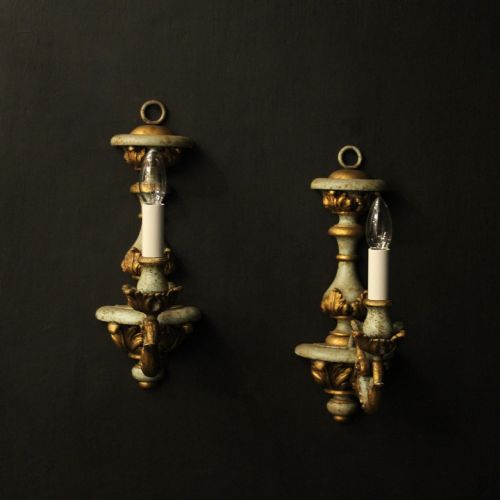
These vintage wall appliques bring genuine period illumination and decorative weight to your interior.
Defining vintage wall appliques
When you search for vintage wall appliques, you encounter pieces designed to mount directly onto vertical surfaces and project candle or electrical light into a room. These objects combine practical illumination with sculptural presence, functioning as permanent fixtures of interior decoration.
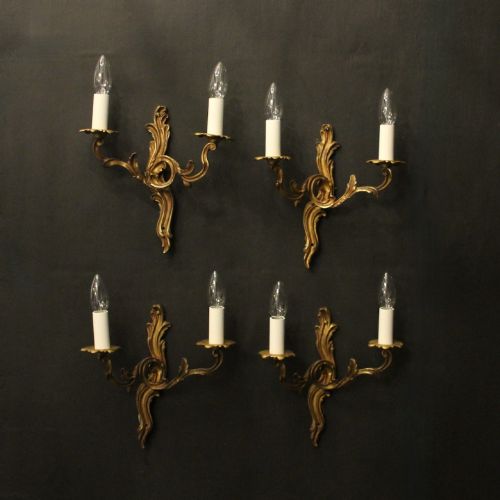
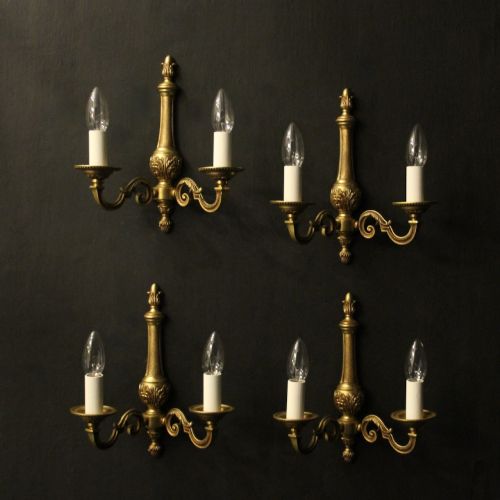
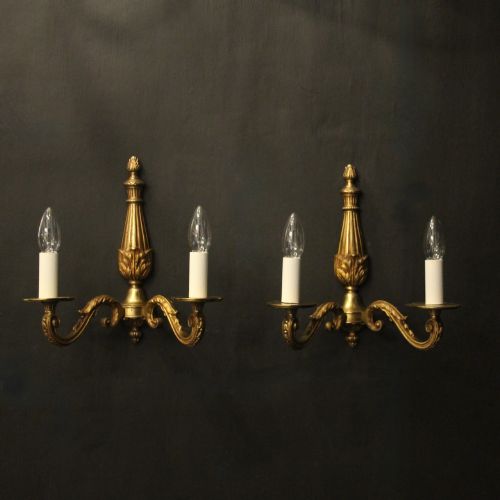
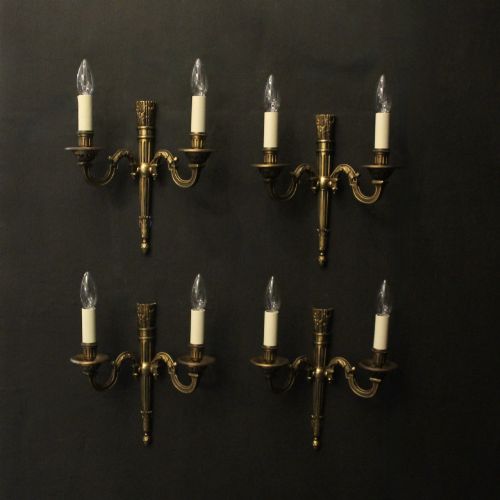
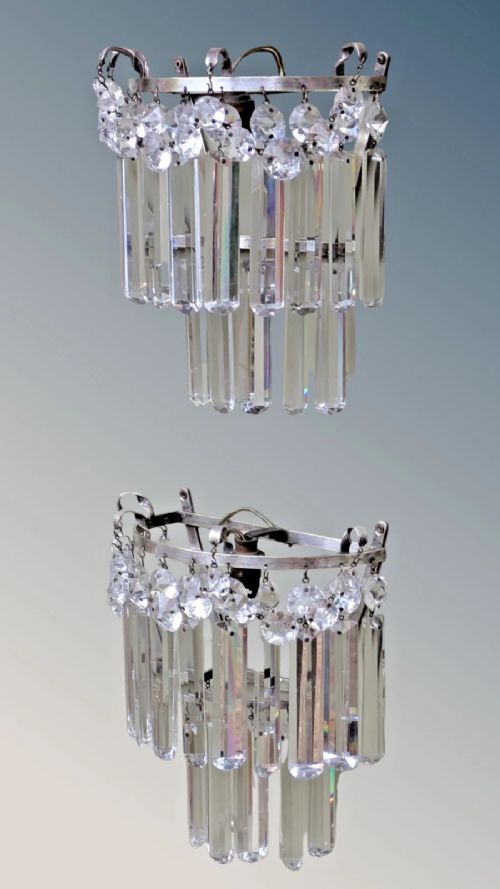
On this page, you are most likely to meet pairs originating from the seventeenth century and the nineteen-thirties. These pieces take the form of wall lights and wall sconces, frequently configured with single, twin, or four arms for lighting.
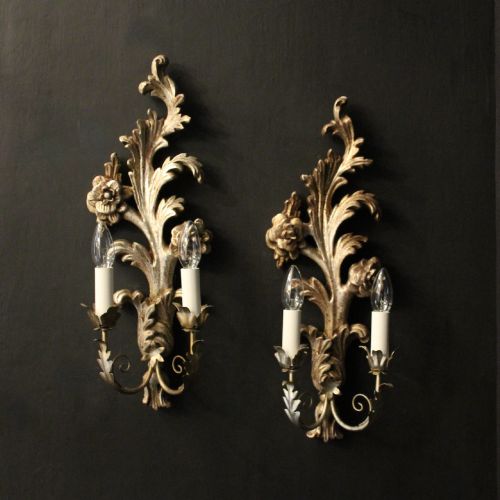
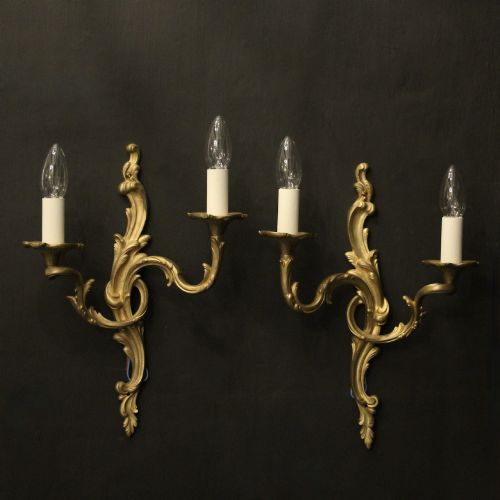
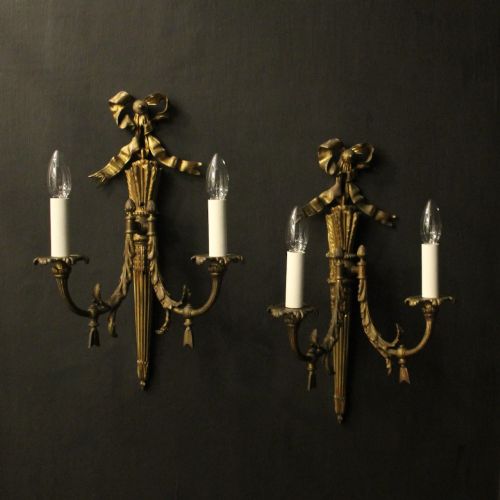
The aesthetic vocabulary draws heavily from French Rococo, Baroque, French Neoclassical, and Florentine Rococo traditions. Makers from these stylistic lineages utilise ornate casting and carving to create distinct visual focal points for residential spaces.
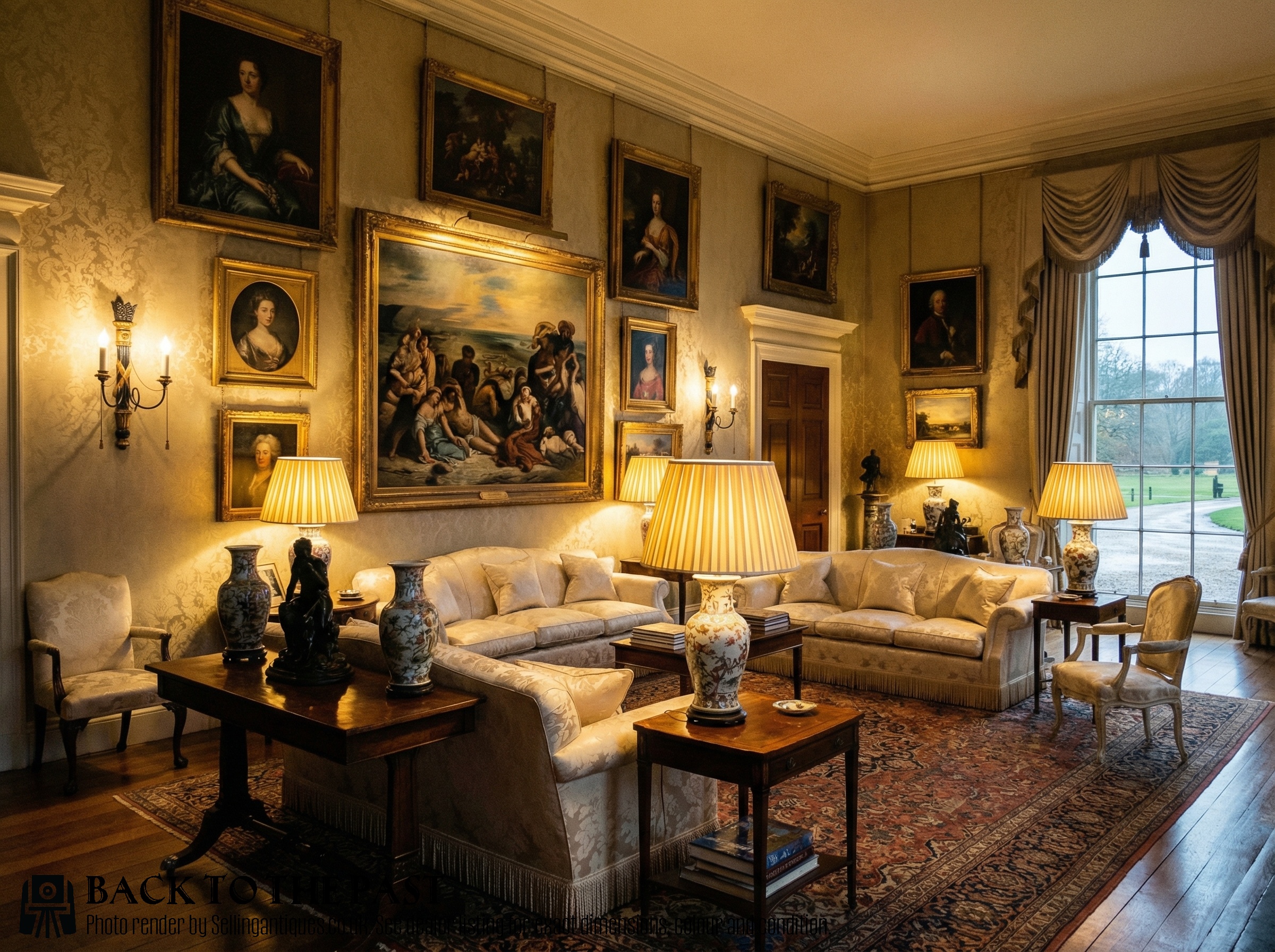
Materials and construction
The construction relies on a robust mix of metals and timber, including brass, gilt brass, gilded brass, iron, and standard metal. Workshops also employed carved wood and ebonised wood to build the foundational structures of these lighting fixtures.
Surface decoration frequently involves the application of silver leaf or gold leaf over timber and metal bases. Artisans shaped these materials into elaborate forms, occasionally incorporating figural elements such as cherubs into the brass structures.
Retail Price Guide 2026
Typical UK retail prices for vintage wall appliques, calculated from the Sellingantiques database of over a million retail prices indexed since 2003. This retail price guide relies exclusively on Sellingantiques data; no external sources or auction records are used, so the figures do not describe the wider market.
Current listings feature pieces from the 17th Century and 1930, utilising brass, silver leaf, carved wood, and ebonised wood.
Assessing quality and execution
The integrity of the surface finish also determines the tier of the piece, with tightly adhered silver leaf and restrained gilding outperforming heavy, modern repaintings. The structural weight of the metal arms and the rigidity of the backplates indicate the original workshop's commitment to durability.
The Vintage Wall Appliques Glossary
- Wall sconce
- A bracket fixed to a wall to hold lights or candles. These fixtures project outward to illuminate surrounding architectural details.
- Giltwood
- Wood that has been covered with a thin layer of gold leaf. This technique provides a luminous surface that catches ambient light.
- Ebonised wood
- Timber treated to resemble ebony, typically through staining or painting. This dark finish creates a strong contrast against gilded highlights.
- Rococo
- An ornate style originating in France characterised by asymmetry, scrollwork, and naturalistic plant motifs. It dominates the decorative language of many period lighting fixtures.
Frequently Asked Questions
How were vintage wall appliques used?
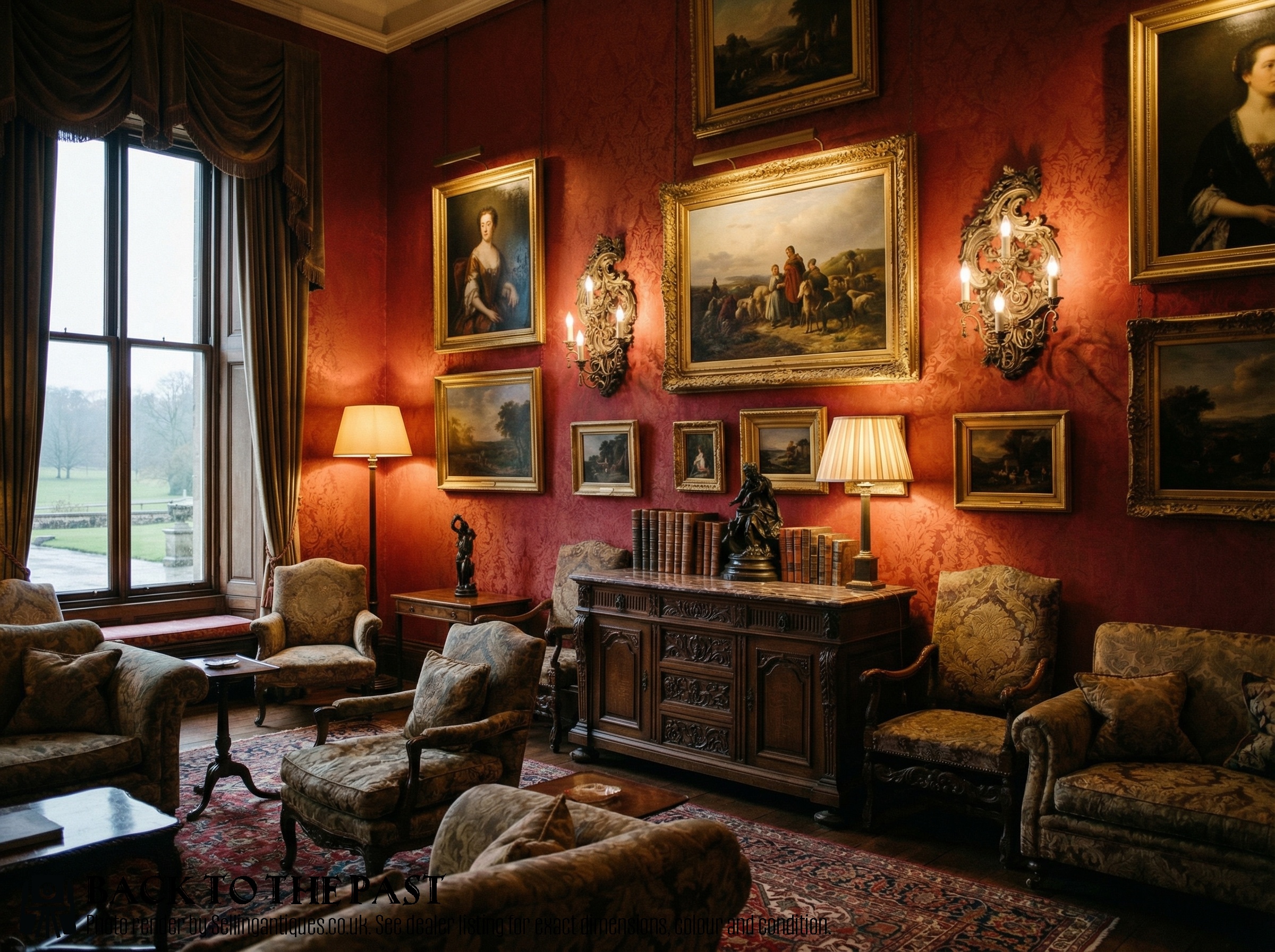
These fixtures were mounted beside mirrors, fireplaces, or along hallway walls to distribute candlelight evenly across a room. The reflective metal backplates and gilt surfaces helped maximise the modest illumination available from early light sources.
Over time, many of these pieces were adapted for electricity while retaining their original aesthetic purpose as decorative wall art. They continue to serve as primary or accent lighting in period-focused interiors.
How do I live with these wall lights?
Integrating these fixtures into a modern room requires careful placement at eye level to appreciate the carved or cast details. Pairing them with dimmable bulbs helps recreate the warm, subdued atmosphere of their original historical context.
Ensure the wall construction can support the weight of solid brass or carved timber frames. Professional wiring installation is standard practice when bringing historical lighting into contemporary service.
How do I tell periods apart?
Seventeenth-century examples display heavy, hand-wrought construction and austere Baroque lines compared to later iterations. The materials often show deep patina and tool marks consistent with early forging and joinery techniques.
Nineteen-thirties pieces frequently adopt earlier French and Italian revivals, mixing machine-finished elements with traditional hand-gilding. The wiring channels and modern screw threads on these later items provide clear clues to their twentieth-century creation date.
What styles are common?
French Rococo and Baroque styles dominate, bringing dramatic curves, asymmetrical scrolls, and lavish botanical motifs to the design. These aesthetics prioritise movement and rich surface ornamentation over straight lines.
Neoclassical and Florentine traditions appear frequently, offering a more restrained symmetry or dense, gilded floral carving. Each style dictates the specific silhouette of the arms and the detailing of the backplate.