


Empire Style Wall Lights
Empire style wall lights are striking antique fixtures that transform a room with classical symmetry and rich metallic warmth.
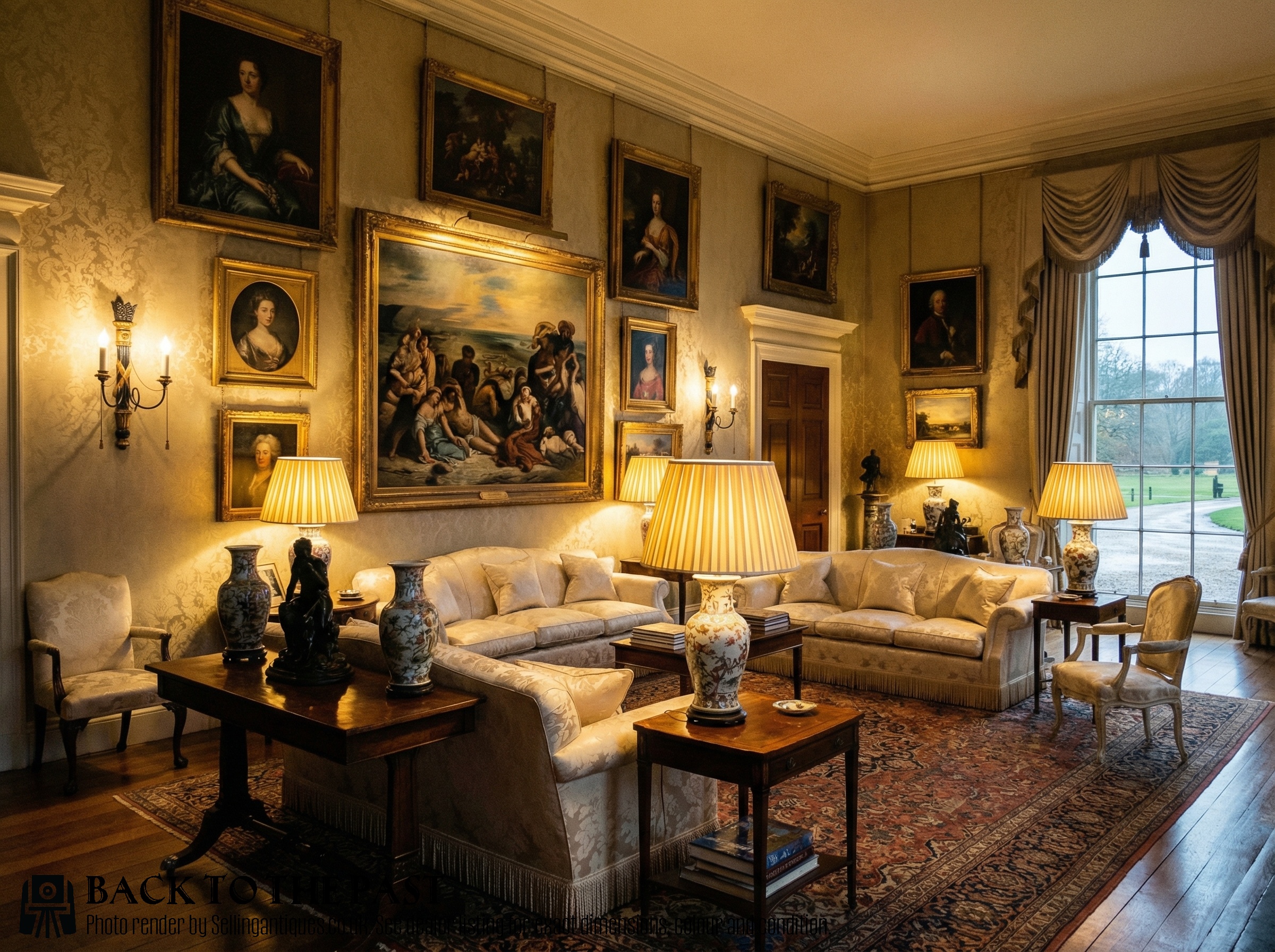
What empire style wall lights are
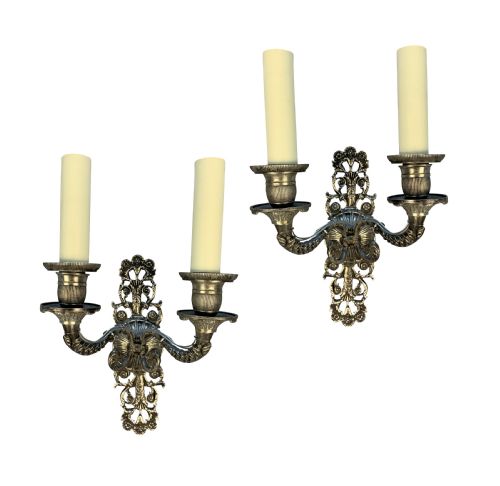
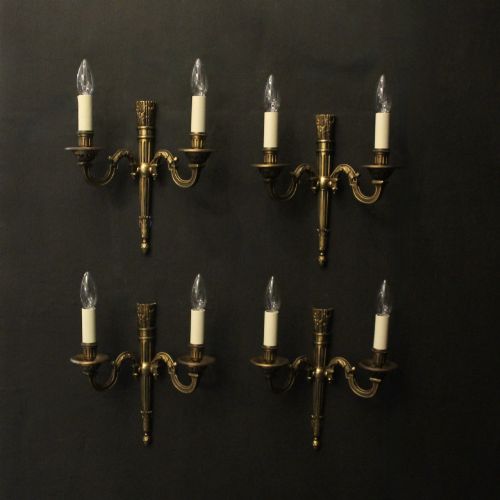
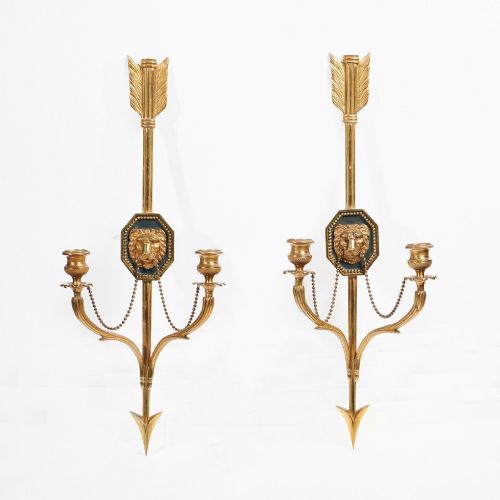
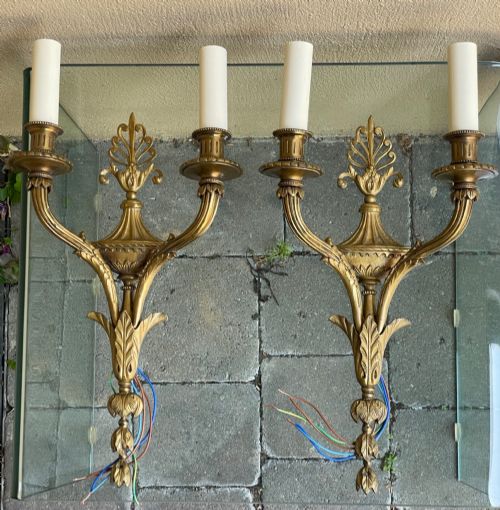
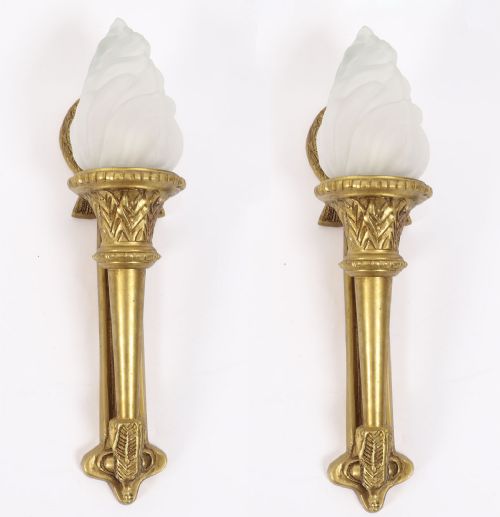
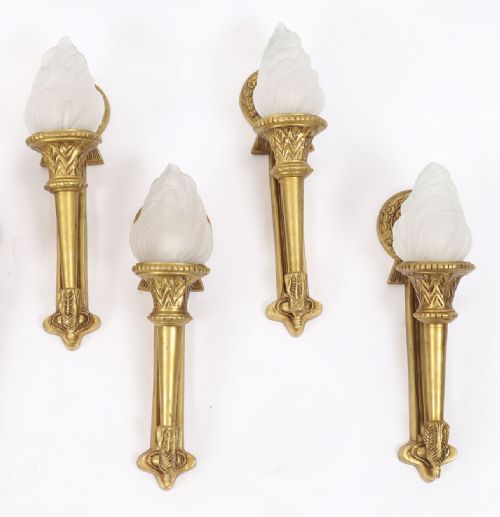
When you search for empire style wall lights, you are looking at decorative wall sconces and brackets influenced by classical motifs. The pieces available span periods from the Edwardian era and 1900 through to the 1930s, alongside 19th-century examples.
Most entries are paired items designed to flank mirrors or fireplaces in the French Empire, Regency, Neoclassical, and Grand Regency styles. These objects originate from English, French, and Italian workshops, bringing formal architectural presence to an interior.
How they were made
The construction of these fixtures relies on metalworking techniques, utilising brass, bronze, and patinated bronze alongside cast ormolu and gilded bronze. Artisans shaped these heavy metallic elements to create intricate backplates and candle arms.
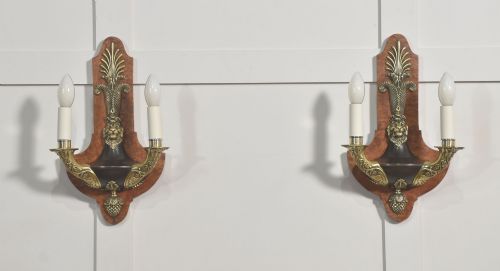
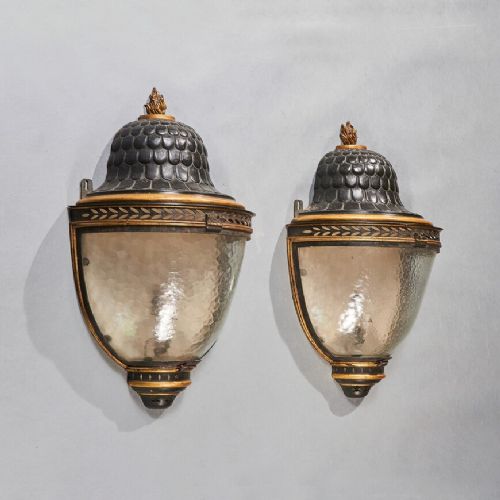
Certain pieces incorporate contrasting materials, pairing ebonised wood or glass with bright giltwood and gilt bronze mounts. These varied surfaces required specialised gilding and joining methods to ensure durability and visual depth.
The decorative schemes draw directly from neoclassical ornament, employing cast bronze details fixed to structural metal or wooden bodies. Every component is assembled to project light outward while maintaining a rigid, architectural profile.
Retail Price Guide 2026
Typical UK retail prices for empire style wall lights, calculated from the Sellingantiques database of over a million retail prices indexed since 2003. This retail price guide relies exclusively on Sellingantiques data; no external sources or auction records are used, so the figures do not describe the wider market.
These glittering wall mounts ensure your hallway receives visitors with the stern, candle-lit dignity of a Napoleonic campaign tent.
What varies in quality
The distinction between standard production and superior examples lies in the crispness of the cast metal and the depth of the gilding. Finer pieces display sharply defined neoclassical motifs in ormolu and patinated bronze rather than soft, indistinct details.
Materials contribute significantly to the overall character, with genuine ormolu and fire-gilded bronze retaining a richer luminosity than later applied paints or basic metallic finishes. The integration of ebonised wood or specialised glass elements also elevates the visual complexity of the bracket.
The Empire Style Wall Lights Glossary
- Ormolu
- A technique of applying finely ground high-carat gold to a bronze object. This mercury gilding creates a durable, warm metallic surface characteristic of high-status French pieces.
- Applique
- An alternative term for a wall light or sconce mounted directly onto a vertical surface. These fixtures often feature decorative backplates that reflect the flame.
- Patinated Bronze
- Bronze that has been chemically treated to achieve a dark, aged surface tone. It provides a striking visual contrast against bright ormolu and gilt highlights.
- Giltwood
- Timber that has been coated with a thin layer of gold leaf or powder. It offers a lighter, carved alternative to solid cast bronze frameworks.
- Neoclassical
- A style rooted in the art and architecture of classical antiquity. It emphasises symmetry, restraint, and formal geometric motifs.
Frequently Asked Questions
How do I clean gilded bronze wall lights?
Dust the metal surfaces gently with a soft, dry brush to prevent the accumulation of particles within the cast details. Avoid using aggressive chemical cleaners or abrasive cloths that can strip the delicate gilt layer.
Professional conservation advice should be sought if the metalwork requires deeper intervention or if the wiring needs updating for modern safety standards.
Are these wall lights wired for electricity?
Most antique wall lights of this type have been adapted for electrical use during their long lifespan to suit modern domestic requirements. Original candle-holding sockets are frequently converted to house small electrical fittings.
Buyers should examine the wiring details closely and consult a qualified electrician to verify that the internal components comply with current regulations.
What defines the Regency style in these lights?
Regency pieces draw heavily on classical Roman, Greek, and Egyptian motifs popularized during the early nineteenth century. They prioritize clean architectural lines, bold use of patinated and gilded metals, and strict symmetry.
This aesthetic shares close ties with the French Empire style, often featuring similar military trophies, laurel wreaths, and classical proportions.