



Vintage Velvet Settee
A vintage velvet settee offers deep comfort and historic character, bringing rich tactile warmth and classic seating to a traditional room.
Vintage Velvet Settee
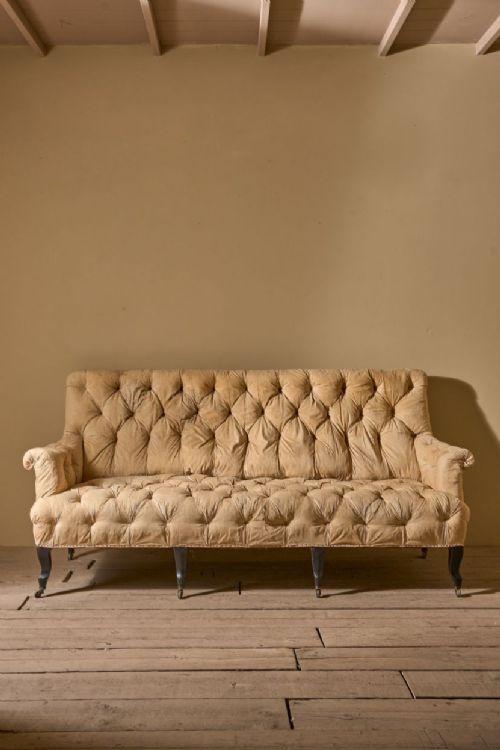
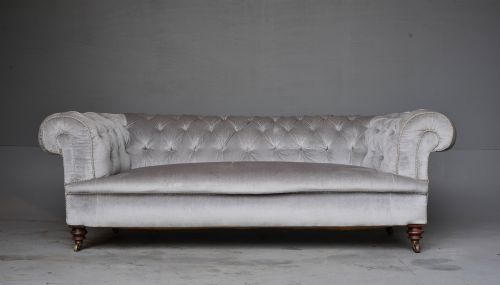
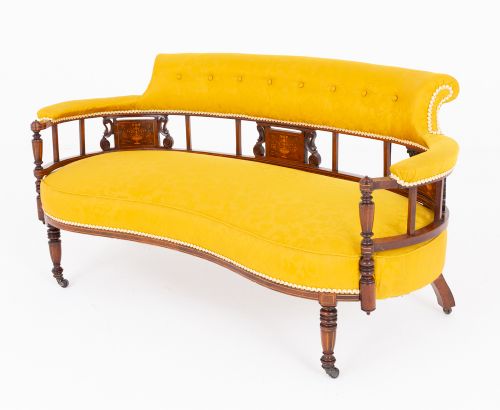
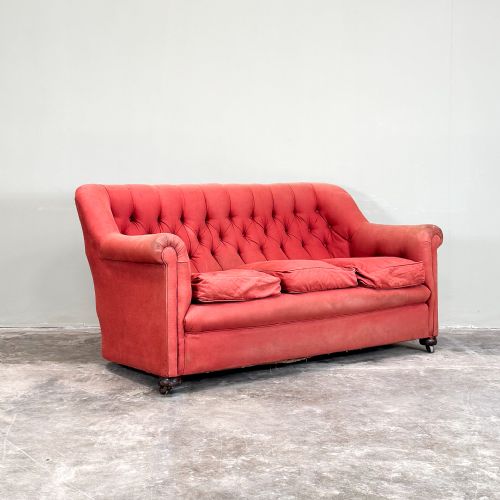
A vintage velvet settee serves as a substantial seating piece, encompassing formats from buttoned nineteenth-century designs to early twentieth-century creations. Buyers exploring this category encounter varied silhouettes, including Chesterfield models, drop-arm sofas, and camelback proportions.
The selection ranges across distinct periods, drawing heavily from Victorian, Edwardian, and early twentieth-century eras. Frameworks appear in styles such as Napoleon III, Chippendale Revival, French Louis XV, and Art Deco, offering diverse aesthetic options for interiors.
Most pieces combine timber frames with plush textile upholstery, frequently accented by buttoning or trim details. The resulting forms function effectively as principal living room seats, bedroom couches, or salon seating.
Materials and construction
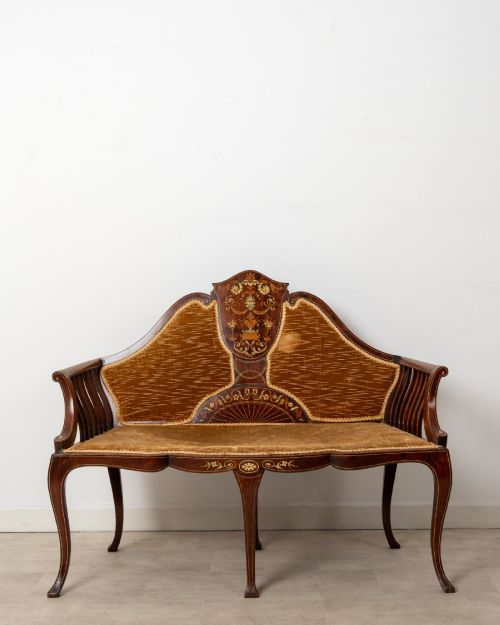
Makers built the structural frameworks using hardwoods such as mahogany, walnut, rosewood, fruitwood, and beech, often incorporating carved details, painted finishes, or inlaid decoration. Metal components like brass appear selectively in hardware or castors supporting the frames.
Upholstery relies on velvet as the primary tactile textile, sometimes paired with leather or tassel trims. Artisans employed traditional techniques including deep buttoning, drop arms, and shaped padding to achieve resilient and comfortable seating.
Materials span mahogany, walnut, rosewood, and beech frames upholstered in velvet, occasionally complemented by brass hardware and tassel trim.
Assessing quality and craftsmanship
The distinction between tiers rests upon the execution of the timber frame and the refinement of its carving or inlay. Finely shaped mahogany, walnut, or rosewood structures display superior joinery and more ambitious silhouettes than simpler utility pieces.
Upholstery detail also dictates grade, separating standard upholstered seating from sophisticated buttoned work, drop-arm mechanisms, or integration with distinct stylistic revivals. The harmony between the exposed wood frame and the velvet covering marks the highest standard.
Howard and Sons
The Vintage Velvet Settee Glossary
- Chesterfield
- A traditional sofa style characterised by rolled arms and deep button tufting across the backrest and inner sides. This form provides a formal yet comfortable seating presence.
- Knowle sofa
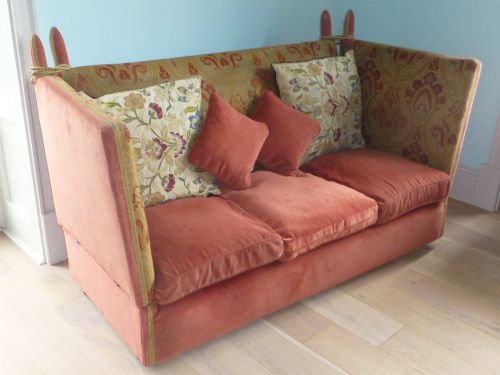
- An early upholstered sofa design featuring adjustable or drop-down sides held in place by wooden brackets and cords. It originates from seventeenth-century lineage but appears in later revivals.
- Camelback
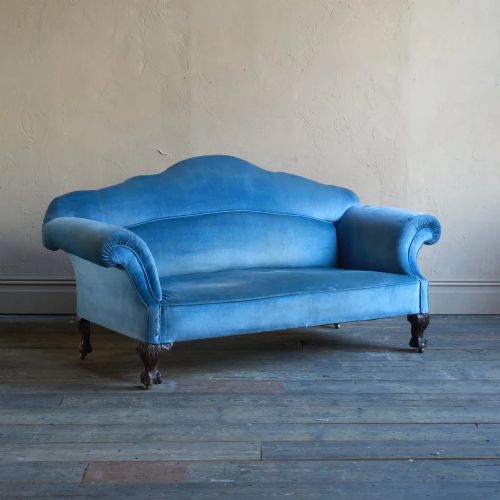
- A sofa shape defined by a graceful, undulating curved top rail resembling a camel's hump. This profile became popular during the Georgian period and subsequent revivals.
- Napoleon III
- A nineteenth-century French eclectic style associated with the Second Empire, known for ornate buttoned upholstery and lavish frames. Pieces from this aesthetic often use rich wood and deep cushioning.
- Drop end
- A sofa configuration where one or both armrests can be lowered or adjusted. This mechanism allows the seating piece to double as a daybed or chaise.
Vintage Velvet Settee: Frequently Asked Questions
How do I clean velvet upholstery?
Velvet requires gentle brushing to maintain the pile and prevent flattening over time. Professional cleaning is recommended for deep stains to avoid damaging the delicate textile fibres.
Avoid using excessive water or harsh household detergents on antique fabrics. Regular light vacuuming with a soft brush attachment keeps dust from settling into the weave.
Are these settees comfortable for daily use?
Many examples feature deep seating and sprung upholstery designed for extended relaxation. The inclusion of padded arms and supportive backrests enhances everyday practicality in a living space.
Heavily buttoned variations offer firmer support, while deep-seated nineteenth-century designs provide a more lounging-oriented experience. Individual comfort depends largely on the internal stuffing condition of each specific piece.
What rooms suit a velvet settee?
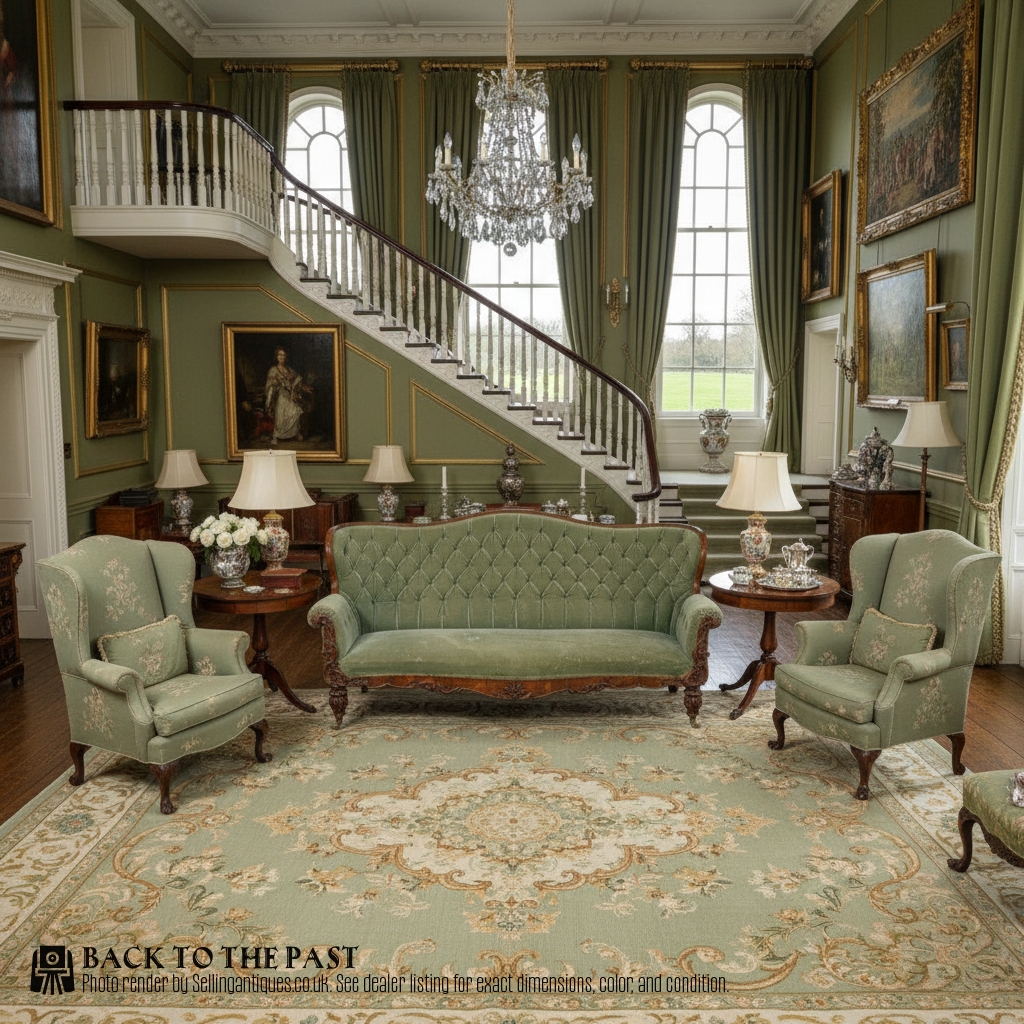
These seating pieces anchor formal living rooms, studies, or spacious hallways with historic character. Smaller Edwardian variations fit comfortably into bedrooms or dressing rooms as accent seating.
The tactile richness of velvet pairs well with timber furniture, Persian rugs, and traditional architectural details. Placing the settee away from direct sunlight preserves the depth of the textile colour.
How do I identify a Victorian piece?
Victorian frames typically showcase substantial carved walnut or mahogany construction, often featuring dark finishes and robust proportions. Button-backed upholstery and ornate curving woodwork are frequent indicators of this era.
Stylistic cues also point toward revival aesthetics like Chippendale or Louis XV influences filtered through nineteenth-century tastes. Comparing the turning of the legs and the weight of the timber helps confirm the period.