



Vintage Upholstery Stool
These vintage upholstery stools bring period character and comfort to a room, offering versatile seating and footrests in classic timber frames.
Vintage Upholstery Stool
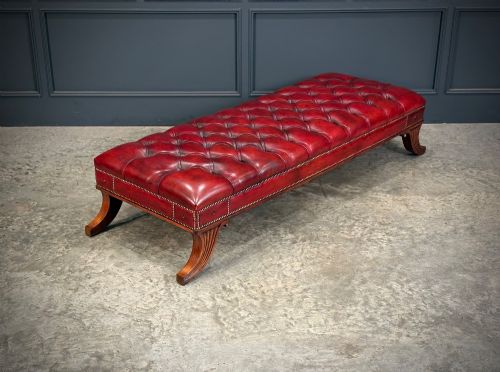
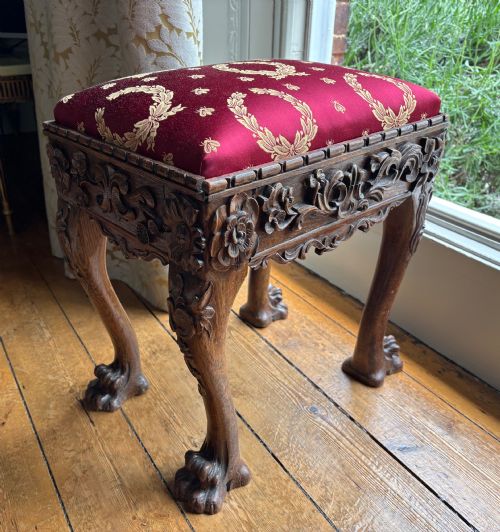
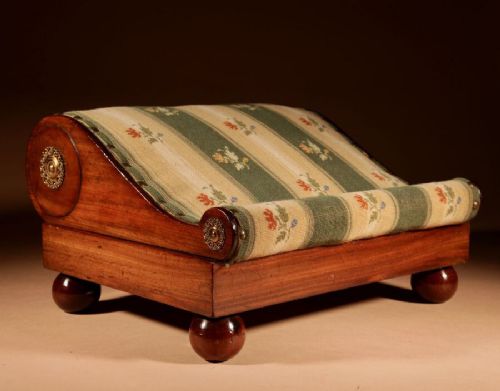
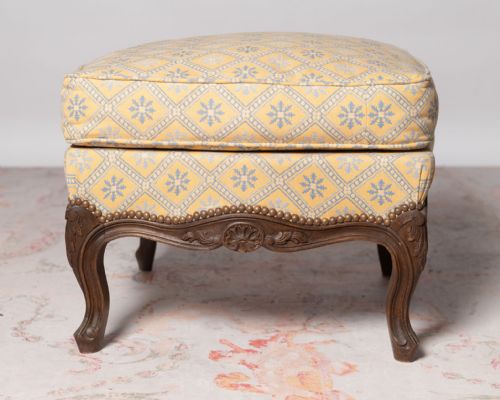
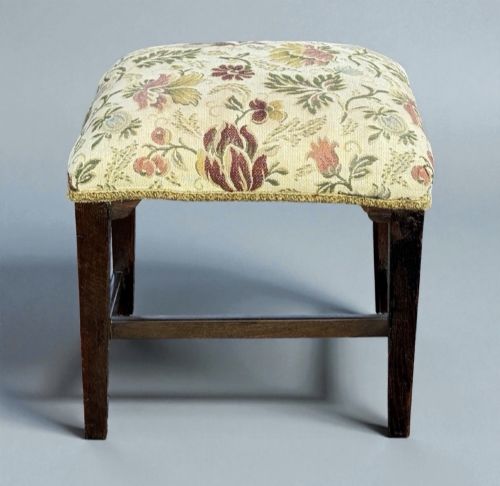
A vintage upholstery stool combines a solid timber frame with a padded textile top, designed for seating or resting feet. When searching for a vintage upholstery stool, buyers encounter diverse forms ranging from compact Victorian foot-warmers to grand walnut centre stools and large country house storage ottomans.
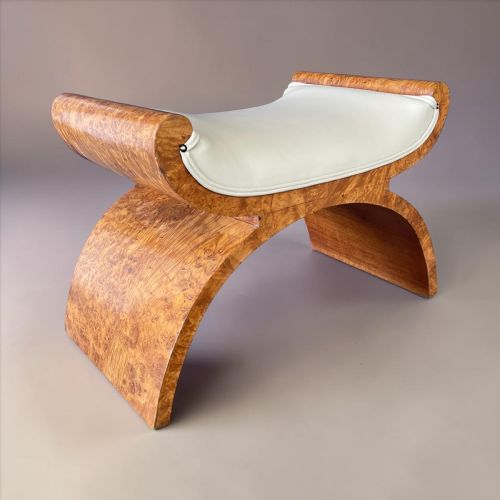
The selection spans multiple centuries of craftsmanship, featuring Georgian and Victorian pieces alongside Edwardian designs and Art Deco creations. Timber frames appear in mahogany and walnut, while upholstery choices include wool, velvet, tapestry, and gros-point needlework.
Revival styles heavily influence the inventory, showing notable Chippendale, Queen Anne, and William and Mary design motifs. These varied origins and stylistic revivals mean every piece offers distinct decorative possibilities for contemporary interiors.
Quality factors in traditional stools
The distinction between standard and superior pieces lies in the crispness of the timber carving and the architectural proportion of the frame. Robust joinery in woods like walnut and mahogany ensures lasting structural integrity.
Upholstery execution and textile selection separate everyday workshop output from master pieces. Original needlework tops and substantial frames with defined period styling command greater appreciation among collectors.
Listings feature timber frames in walnut and mahogany alongside textiles including velvet, tapestry, and gros-point needlework across multiple centuries.
Harry and Lou Epstein·Howard and Sons·Hallett and Sons
The Vintage Upholstery Stool Glossary
- Gros-point
- A type of needlepoint embroidery worked on a coarse canvas, frequently seen on nineteenth-century ottoman and stool tops. This durable stitch created raised geometric or floral patterns.
- X frame stool
- A form featuring intersecting diagonal legs that form an X shape when viewed from the side. This ancient architectural design enjoyed revivals in various periods.
- Foot warmer
- A small covered container or stool historically filled with hot embers to keep feet warm during carriage travel or in draughty rooms. These domestic items survive as collectible occasional pieces.
- Centre stool
- A large freestanding stool designed to sit in the middle of a room rather than against a wall. Such pieces typically exhibit finished woodwork on all sides.
- Spiral carved
- A decorative turning technique applied to wooden table and stool legs, creating a twisted rope effect. This detail appears frequently on seventeenth-century revival furniture.
Vintage Upholstery Stool: Frequently Asked Questions
How do I style a vintage stool?
These pieces work well as flexible seating in a hallway or placed at the foot of a bed for extra surface space.
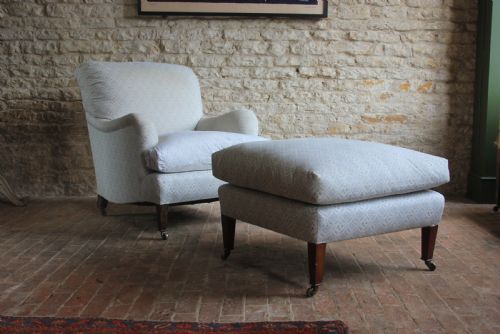
Smaller footstools fit easily beside armchairs, while larger ottomans function effectively as coffee table alternatives when topped with a sturdy tray.
Are these stools comfortable for daily use?
Most pieces retain traditional padding, though the firmness varies according to the age and original purpose of the upholstery.
Some examples remain ready for fresh upholstery if you prefer modern cushioning standards over historical padding materials.
How do I date a wooden stool?
Dating relies on identifying the prevailing furniture style, such as Queen Anne cabriole legs or heavy Victorian walnut carving.
Timber choice and construction methods, including joint types and tool marks, also provide reliable clues to a piece's era.
Can I use an ottoman for storage?
Specific larger models designed as storage ottomans feature internal compartments hidden beneath the upholstered seat.
Check the listing details to confirm whether a particular piece includes a hinged lid or lift-off top designed for holding blankets.