





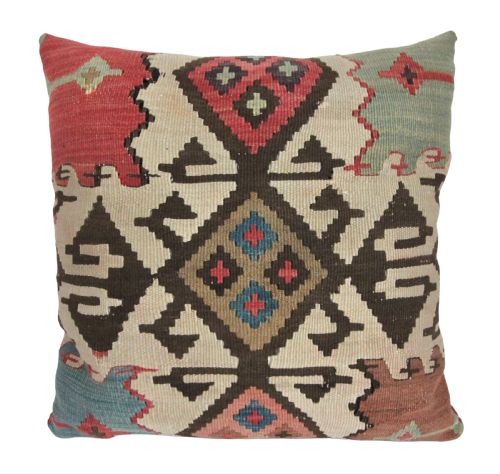
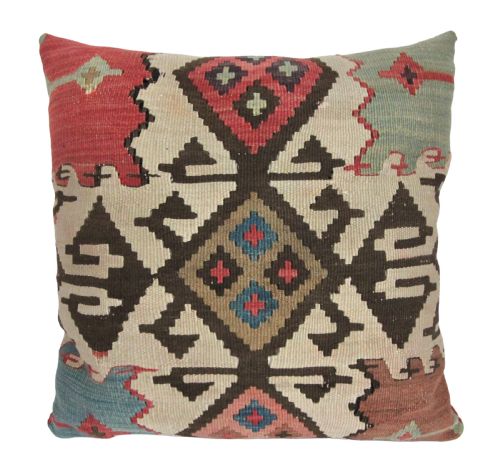


Vintage Turkish Cushion
These vintage turkish cushion examples bring hand-woven Anatolian tribal artistry straight onto your sofa.

Vintage Turkish Cushion
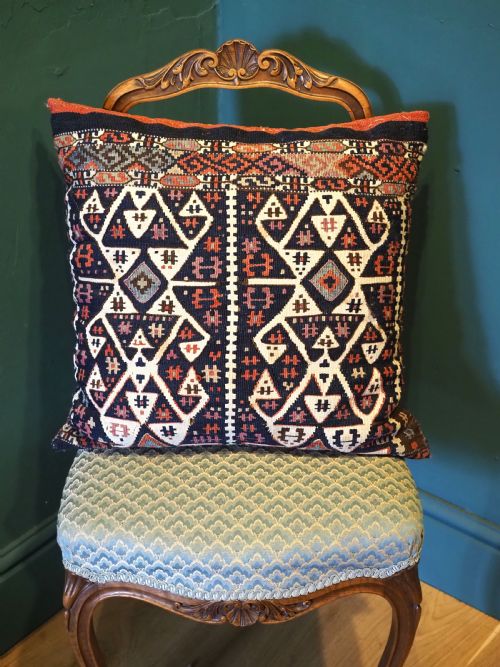
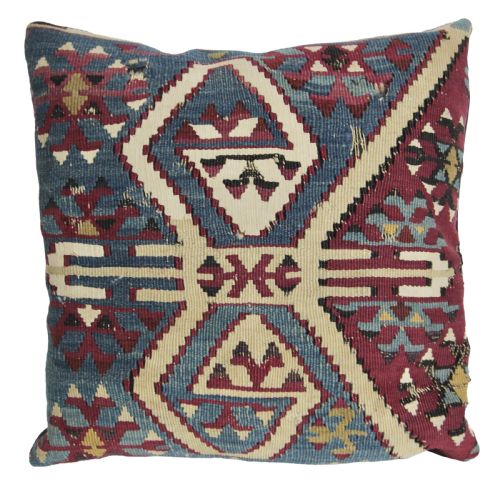
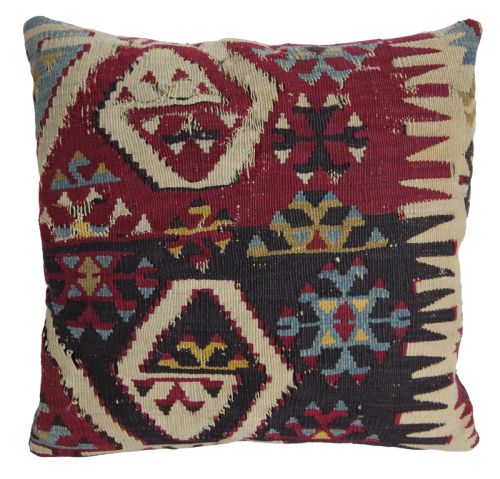
When you search for a vintage turkish cushion, you encounter hand-woven textiles derived from historic nomadic floor coverings and storage bags. These pieces repurpose antique weaving into domestic furnishings for everyday use.
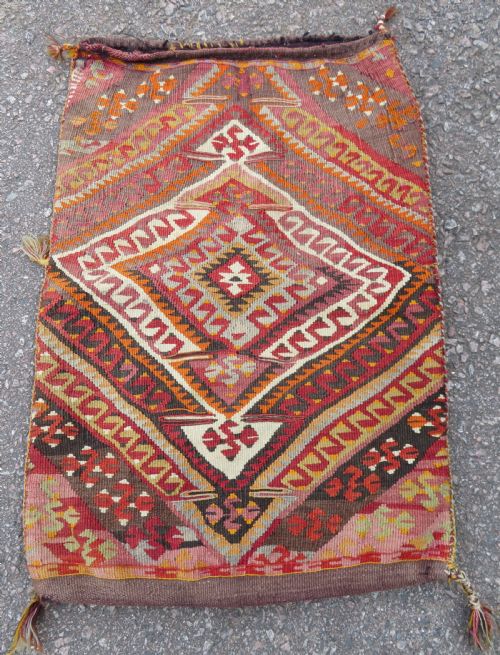
The most common version you meet on this page is the kilim cushion, formed from flat-woven fragments dating back to the mid-nineteenth century. Alongside these, you find specialised forms like saddle bag faces and juvals adapted into throw cushions.
Originating from Anatolian tribal traditions, these textiles display distinct regional patterns that reflect the heritage of their makers. Each object bridges historic textile production and contemporary interior decoration.

How they were made
These pieces rely upon traditional wool and cotton materials, combining durable pileless weaving with sturdy backing fabrics. Artisans employed time-honoured hand-weaving techniques to create flat-woven surfaces designed for practical utility.
Makers constructed bag faces and rugs intended for nomadic life, which later found new life as cushions through careful cutting and stitching. The underlying textile structure utilises wool for the patterned face and cotton for stability.
Listings feature periods spanning from eighteen-fifty to nineteen-twenty, utilising traditional wool and cotton materials across Anatolian tribal styles.
What varies in quality
Quality rests upon the integrity of the original weave and the preservation of the textile fragment. Pieces retaining tight, dense wool knotting and crisp tribal motifs sit at the higher end of the range.
The sophistication of the traditional Anatolian design work and the condition of the flat-woven surface dictate the visual impact of each cushion. Subtle variations in dye saturation and wool texture distinguish standard bag faces from finer tribal examples.
The Vintage Turkish Cushion Glossary
- Kilim
- A flat-woven carpet or rug produced in countries of the former Ottoman Empire. These textiles lack a pile, making them lightweight and versatile for cushion conversion.
- Juval
- A large tent bag used by nomadic tribes for storage. They feature intricate face designs that frequently get repurposed into decorative cushions.
- Anatolian
- Pertaining to the historic region of Anatolia, encompassing modern-day Turkey. This designation identifies the geographical origin of traditional tribal weaving.
- Saddle bag
- A paired bag carried by riding animals, constructed with durable flat-woven faces. Surviving fragments of these bags often form the front panels of vintage cushions.
Vintage Turkish Cushion: Frequently Asked Questions
What is a vintage turkish cushion?
A vintage turkish cushion is a decorative home accessory made from historic flat-woven textiles originating in Anatolia. These pieces repurpose antique rugs and bag faces into functional soft furnishings.
Most examples utilise traditional wool and cotton construction methods dating from the nineteenth and early twentieth centuries. They bring authentic tribal patterns into modern interior spaces.
How do I care for my cushion?
Caring for these historic textiles requires gentle handling to preserve the fragile wool and cotton fibres. Professional dry cleaning is recommended to protect the integrity of the flat weave.
Avoid placing the cushion in direct sunlight to prevent fading of the traditional dyes. Regular light vacuuming helps remove dust without disturbing the weave structure.
How old are these cushions?
The pieces available range across several periods spanning the mid-nineteenth to the early twentieth century. Specific dates reflect the age of the original textile rather than the date of cushion assembly.
Earlier examples originate around eighteen-fifty, while others date towards nineteen-twenty. Each piece carries the distinct stylistic markers of its production era.
Where do the designs come from?
The patterns originate from Anatolian tribal and nomadic traditions across Turkey. Weavers incorporated local motifs and geometric symbols unique to their specific communities.
Styles such as Anatolian Traditional and tribal nomadic expressions define the visual character of these items. Every textile records the distinct cultural heritage of its makers.