









Vintage Tribal Wool Rug
A vintage tribal wool rug brings rich village character and enduring craft into a room, offering tactile warmth rooted in centuries of nomadic weaving traditions.
Vintage Tribal Wool Rug
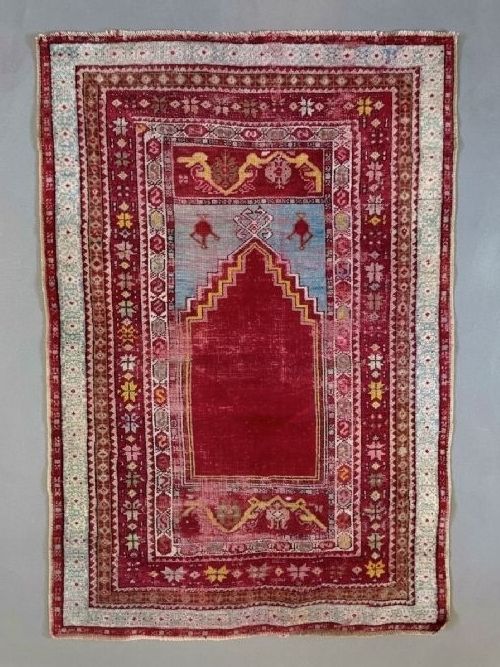
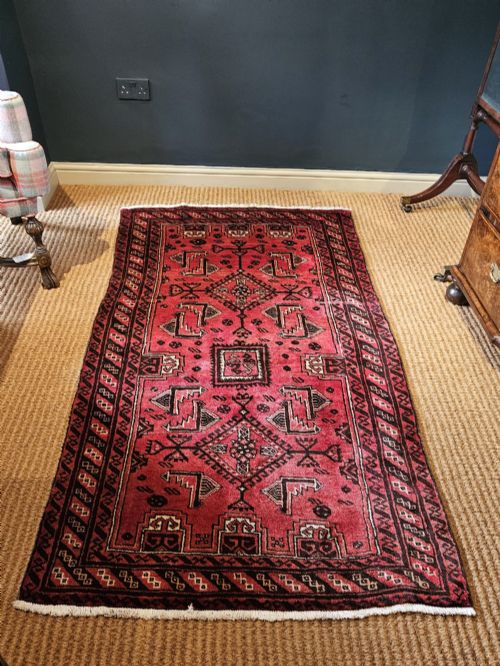
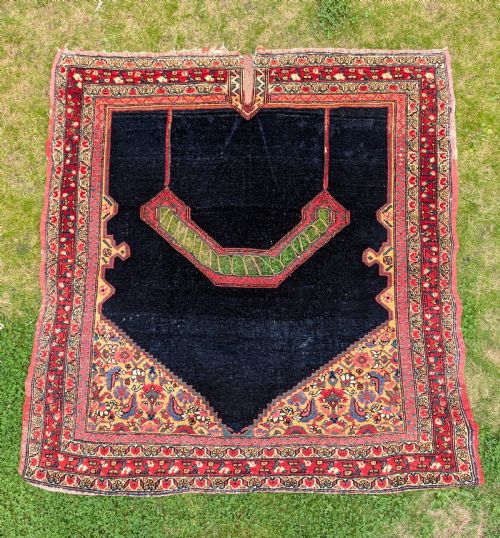
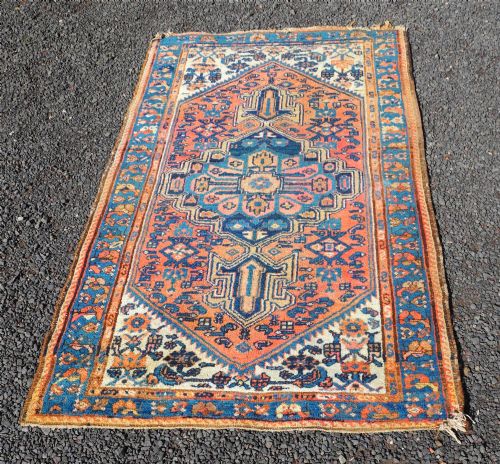
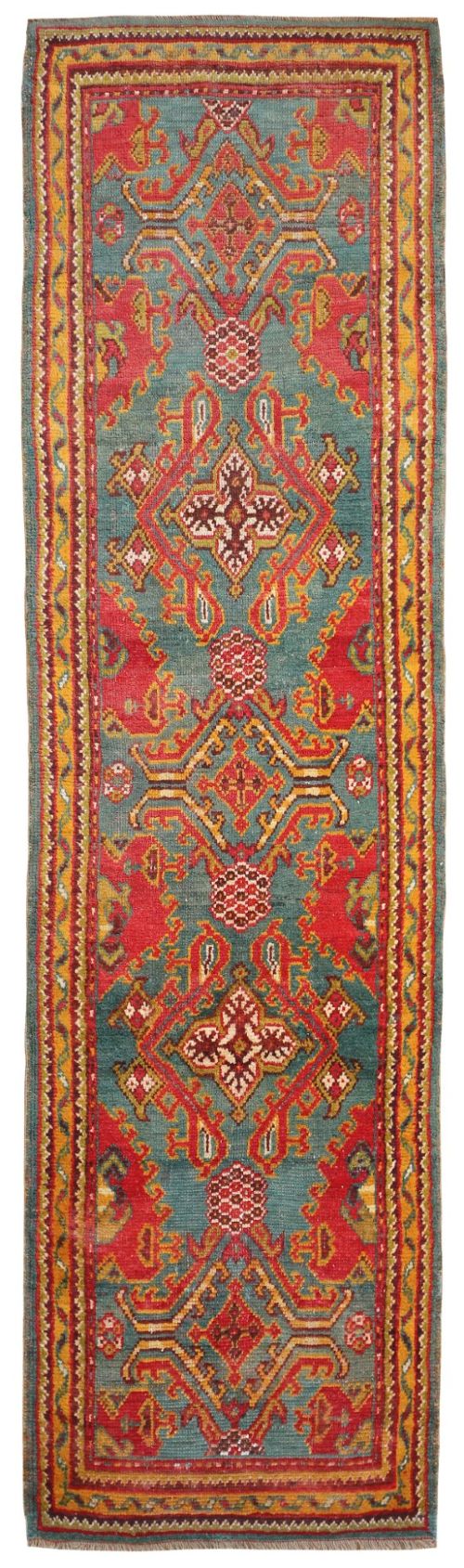
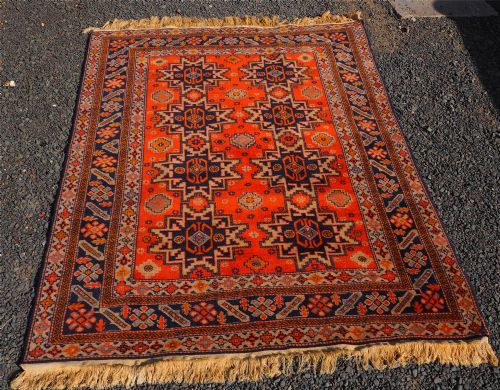
When searching for a vintage tribal wool rug, a buyer encounters hand-knotted and flat-woven pieces originating from Persian, Caucasian, Central Asian, and Anatolian regions. These textiles span from the late nineteenth century into the 1930s, encompassing village and nomadic formats such as runners, prayer rugs, saddle covers, and main carpets. The common thread is a grounded, folk aesthetic reflecting the specific tribal groups who made them, including Afshar, Bakhtiar, Khamseh, Baluch, and Yomut weavers.
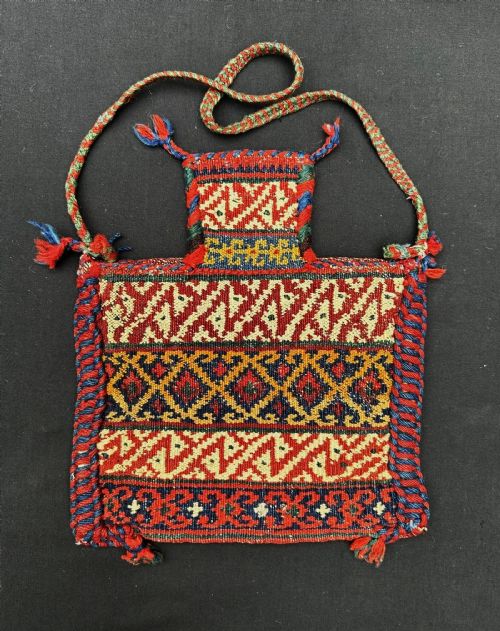
The pieces appearing on this page range from room-sized carpets down to small bag faces and wall hangings, demonstrating the vast functional scope of nomadic weaving. Village workshops and tribal camps produced floor coverings alongside utilitarian items like pipe bags and horse blankets, all constructed to withstand practical daily use while displaying regional iconography. A buyer is most likely to meet durable wool pile rugs and runners carrying geometric or stylised floral motifs developed across generations.
Materials and construction
These textiles rely predominantly on wool, often paired with cotton foundations or silk thread highlights, utilising natural dyes to achieve deep and enduring colour profiles. Weavers constructed pile rugs and flatweaves using hand-knotted and hand-woven techniques, sometimes incorporating felted wool or embroidery depending on the object type, such as ceremonial horse blankets or double-faced storage bags.
The use of pure wool and natural dyes accounts for the resilience and ageing characteristics visible in these pieces. Foundation threads in cotton or wool support dense surface piles, while specialised formats like kilims or embroidered felt pieces employ distinct structural methods tied to their specific geographic origins in Central Asia, Persia, or the Caucasus.
Object forms include runners, saddle covers, prayer rugs, wall hangings, and main carpets from Persian and Caucasian origins.
Factors of distinction
Quality in these textiles rests upon the density of the weave, the handling of the wool, and the depth achieved by natural dyes. Finer knots per square inch allow for crisper geometric or pictorial definition, separating standard village utilitarian pieces from masterworks produced by specific tribal groups.
The integrity of the wool pile and the vitality of the colour palette further distinguish individual examples. Superior pieces maintain structural soundness alongside harmonious colour interaction, where natural dye variations create subtle tonal shifts across the surface rather than flat uniformity.
The Vintage Tribal Wool Rug Glossary
- Pile
- The raised, soft surface of a rug formed by the cut ends of knot threads. This layer bears the primary wear of foot traffic and provides thermal insulation.
- Kilim
- A flat-woven carpet or rug produced without a pile, common throughout Anatolia and Persia. These textiles rely on interlocking weft threads to create sharp geometric patterns.
- Natural Dyes
- Colourants derived from plant, insect, and mineral sources prior to the widespread adoption of synthetic alternatives. They yield complex, mellow tones that age gracefully over decades.
- Warp
- The vertical threads stretched lengthwise on a loom that form the structural skeleton of a woven rug. Fringe ends typically consist of extended warp threads.
- Weft
- The horizontal threads passed across the warp to secure the knots in place. Together with the warp, they create the foundational grid of the textile.
Vintage Tribal Wool Rug: Frequently Asked Questions
Where were these rugs made?
The pieces originate across Persia, the Caucasus, Anatolia, and Central Asia, created by various tribal groups and village communities such as the Afshar, Bakhtiar, Yomut, and Baluch.
Production centres ranged from nomadic tents to settled village workshops, resulting in distinct regional designs and weaving traditions.
How do I care for a wool rug?
Vacuum gently without using a rotating brush roll to protect the pile and prevent fringe damage. Professional cleaning by specialists in antique textiles ensures the wool and natural dyes remain preserved.
Rotating the rug periodically distributes foot traffic evenly across the surface, preventing localized wear patterns.
How do I identify tribal designs?
Tribal designs typically display geometric medallions, hooked motifs, and stylised animal or floral forms handed down through specific nomadic lineages. Colour palettes often reflect local dyestuffs available in regions like Kerman, Shiraz, or the Caucasus.
Comparing structural details and border arrangements helps link a piece to particular groups like the Afshar or Yomut.