

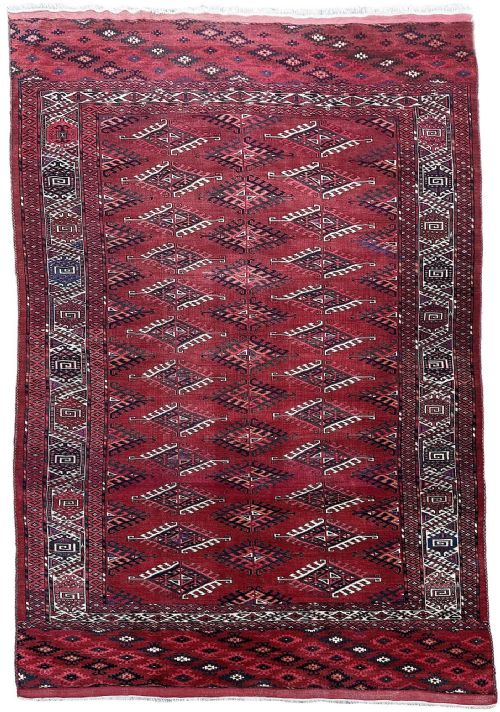
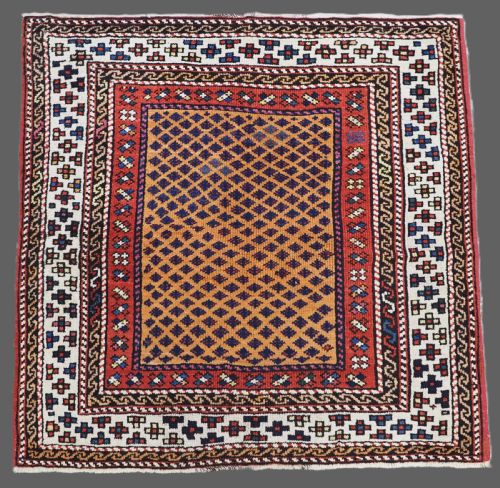

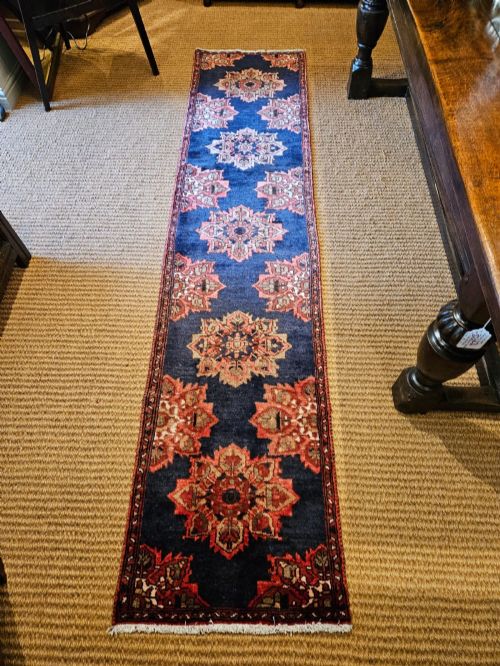
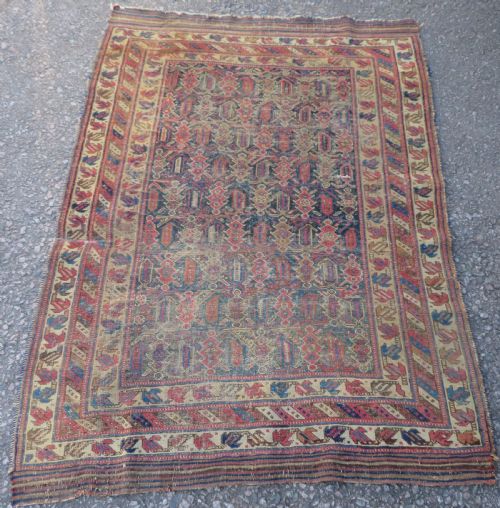
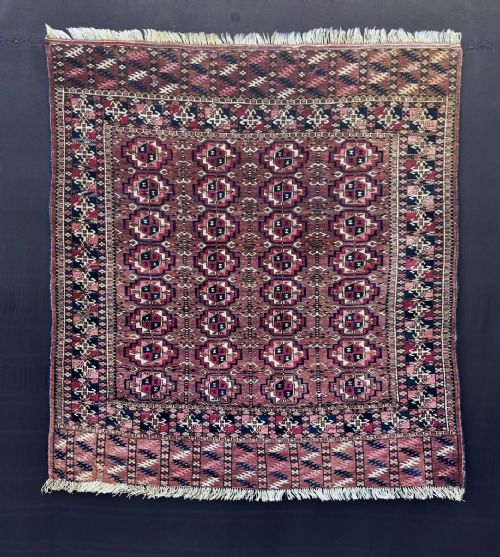
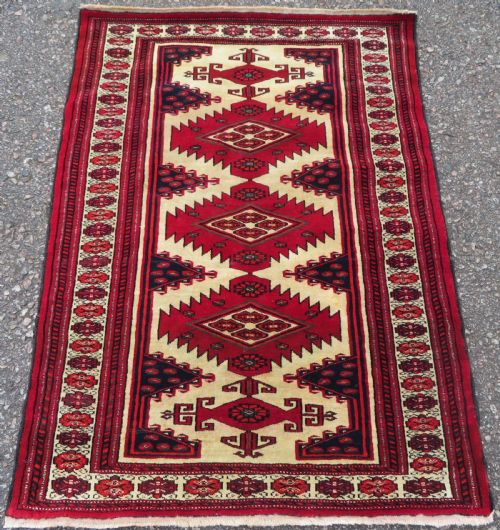
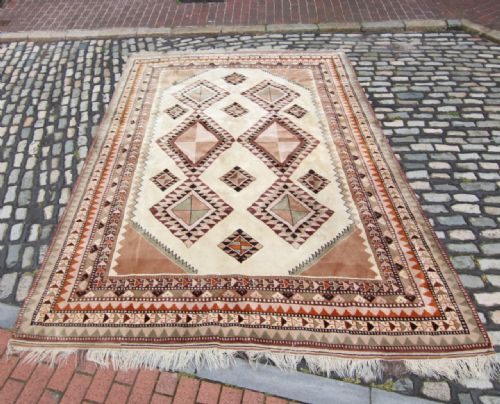
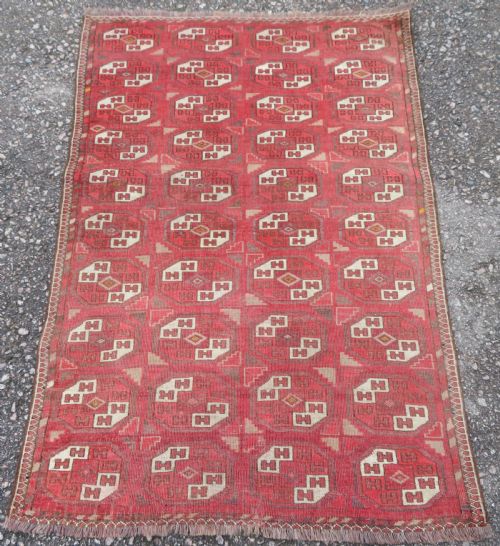
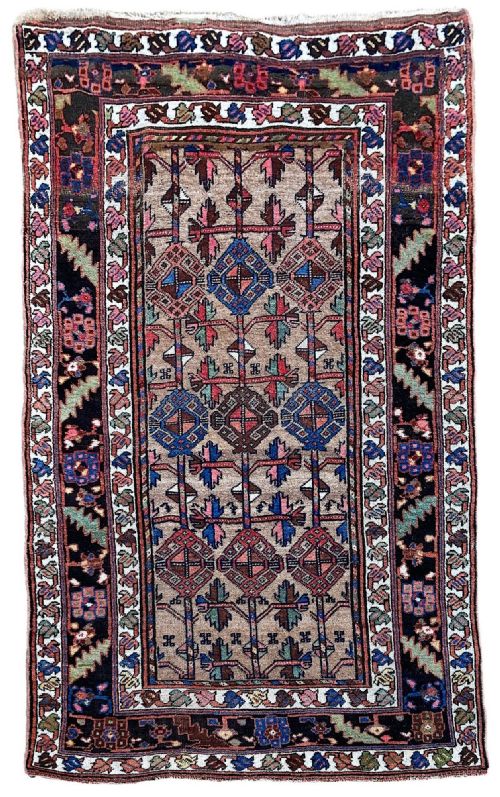
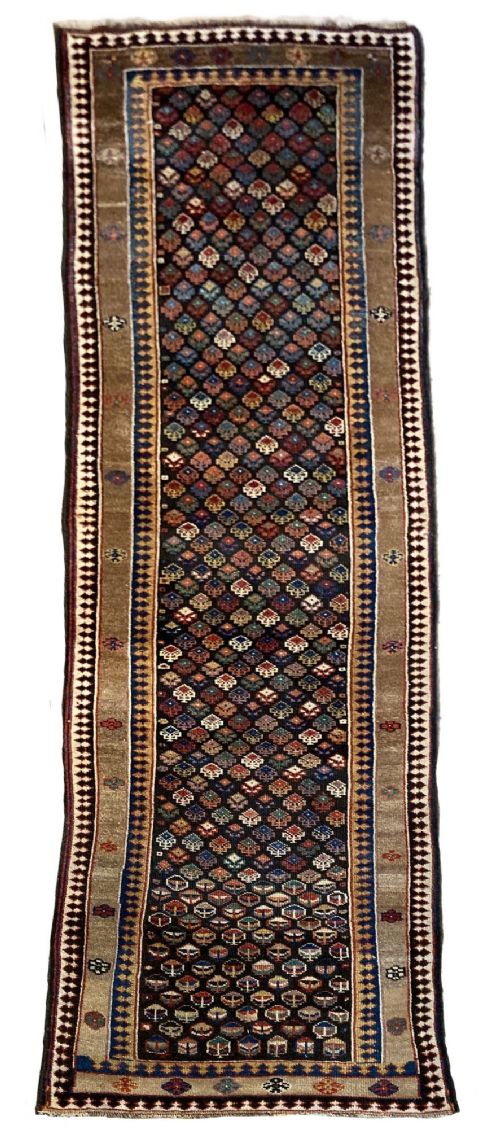
Geometric Pattern Wool Rug
These pieces, found under the search phrase geometric pattern wool rug, deliver tribal history and floor warmth through authentic village weaving.
Geometric Pattern Wool Rug
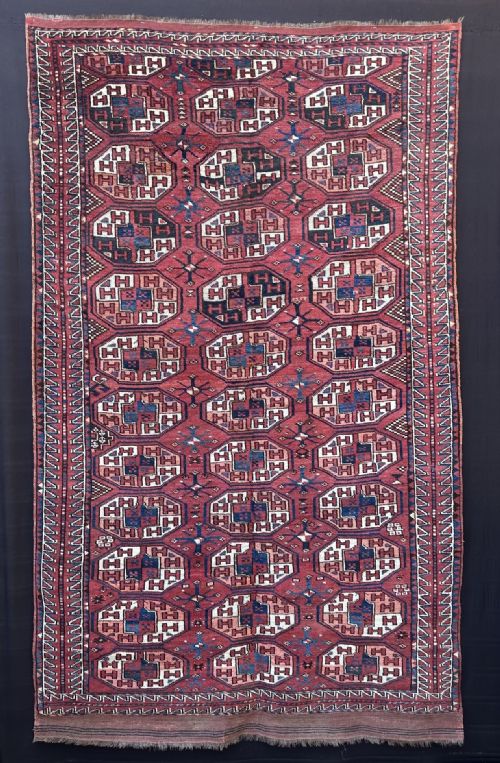
A geometric pattern wool rug brings centuries of nomadic and village weaving traditions into modern interiors. These floor coverings emerge from various tribal groups across Central Asia, the Caucasus, and Persia.
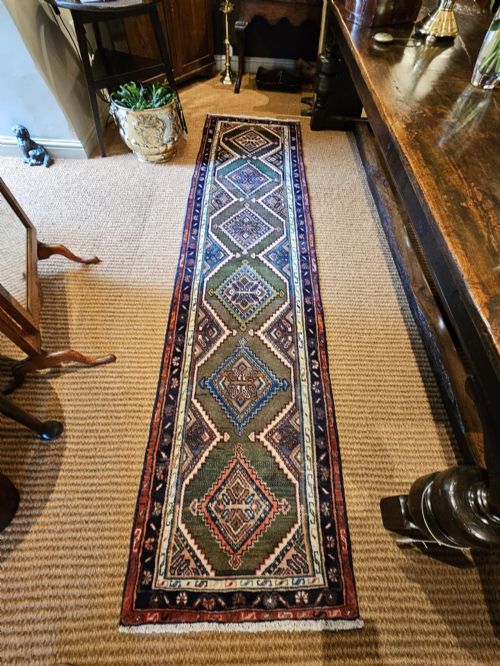
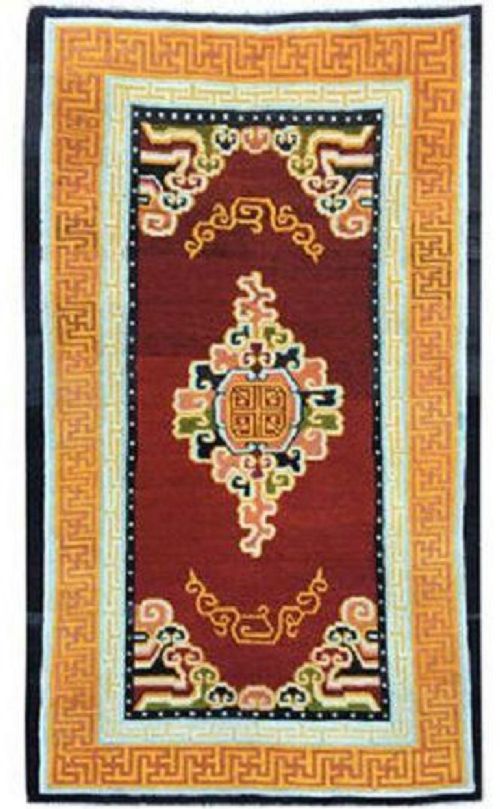
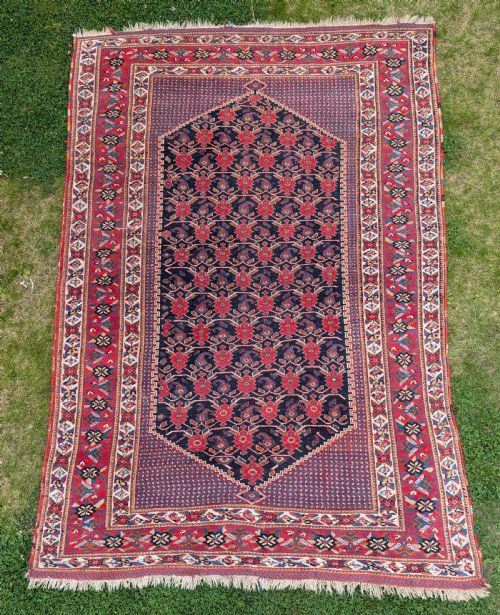
The selections available range from compact square sizes and hallway runners to large carpets and tent door rugs. Pieces span multiple decades from the mid-nineteenth century through to the nineteen-thirties.
Buyers encounter tribal identifiers such as Turkmen, Afshar, Kurdish, Kazak, and Yomut among the offerings. These originate from specific regional hubs including Fars Province and the Caucasus.
Wool and Hand Construction
Makers utilised wool and hand-spun wool fibres, occasionally combined with cotton foundations, to create durable floor coverings. These materials absorb dye with depth and withstand generations of domestic use.
Makers employed hand-knotting and flat-weave techniques to build dense piles and crisp geometric structures. Artisans relied on natural dyes to colour the wool in tones ranging from navy blue and olive green to rich reds.
Dye Purity and Structural Integrity
The upper tier of these textiles displays exceptional knot density and precise execution of lattice and repeat designs. Superior examples retain vibrant, naturally derived colour palettes that hold their character across decades.
Foundation tightness and edge binding condition dictate the longevity of older carpets. Pieces with even pile wear and intact selvedges demonstrate superior structural preservation.
The Geometric Pattern Wool Rug Glossary
- Engsi
- A specialised Turkmen tent door rug featuring a quartered design meant to guard the entrance of a yurt.
- Kelleh
- A long, format Persian carpet traditionally used in the lengthwise centre of a room.
- Kapunuk
- An ornamental tent hanging placed around the wooden frame of a nomadic doorway.
- Kilim
- A flat-woven carpet or rug produced without a pile by tightly interweaving warp and weft threads.
- Selvedge
- The finished side edges of a rug that protect the structure from unravelling.
Geometric Pattern Wool Rug: Frequently Asked Questions
How do I clean an antique wool rug?
Vacuum gently without using a beater bar to remove embedded dust and dirt particles.
Professional specialist washing is recommended for deeper cleaning to protect natural wool fibres and traditional dyes.
Where were these tribal rugs made?
These textiles originate from nomadic tribes and village workshops across Central Asia, the Caucasus, and Persia.
Specific weaving groups include the Turkmen, Afshar, Kurdish, and Qashqa'i peoples.
Are these rugs suitable for hallways?
Long hallway runners and narrow formats appear frequently within the inventory to accommodate corridors and high-traffic pathways.
Underlay placement helps keep these historical runners secure on smooth wooden or tiled floors.
How can I tell the tribal origin?
Specific motifs, knotting structures, and regional colour combinations point toward particular maker groups such as Yomut or Kazak.
Tribal identifiers often align with the distinct cultural heritage of nineteenth-century weavers.