


Vintage Tin Glazed Earthenware
Vintage tin glazed earthenware brings hand-painted pottery into a room, offering centuries of regional colour and domestic utility.
Vintage Tin Glazed Earthenware
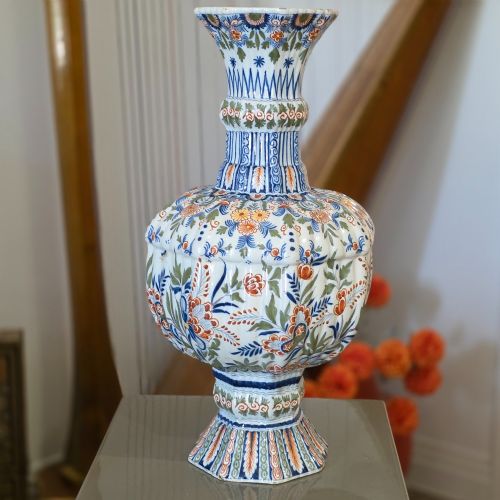
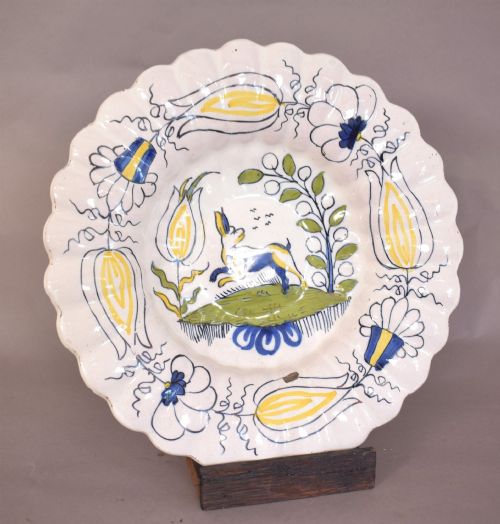
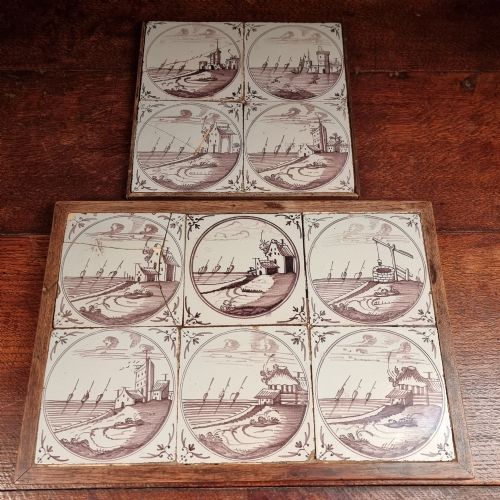
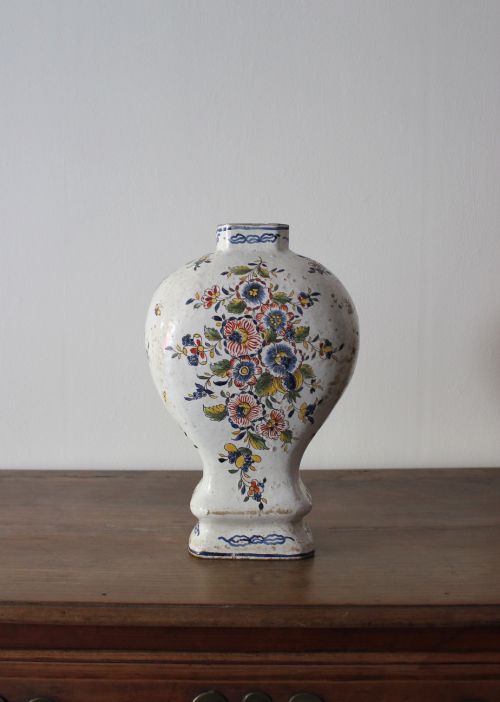
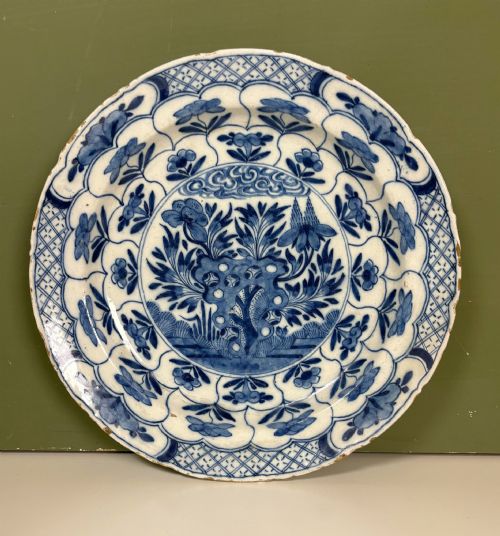
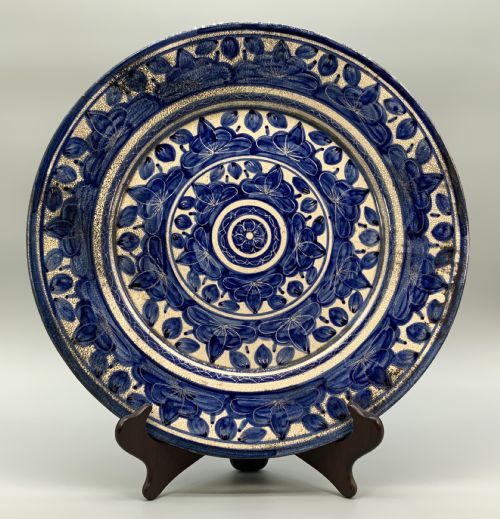
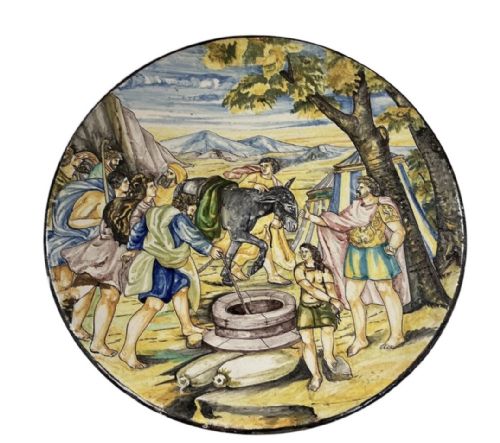
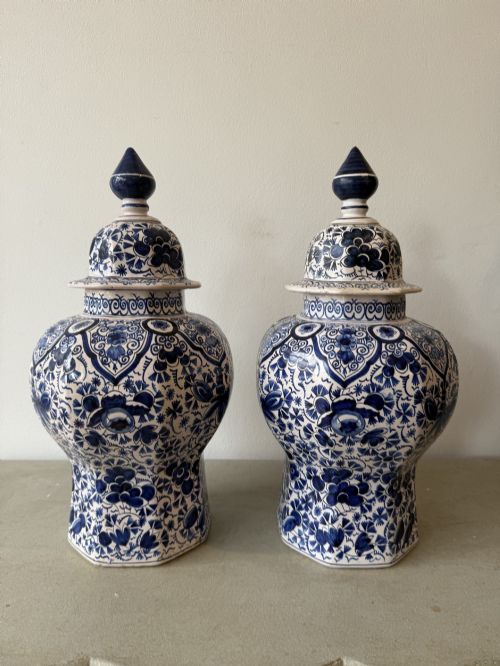
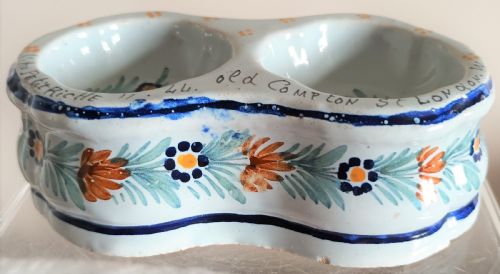
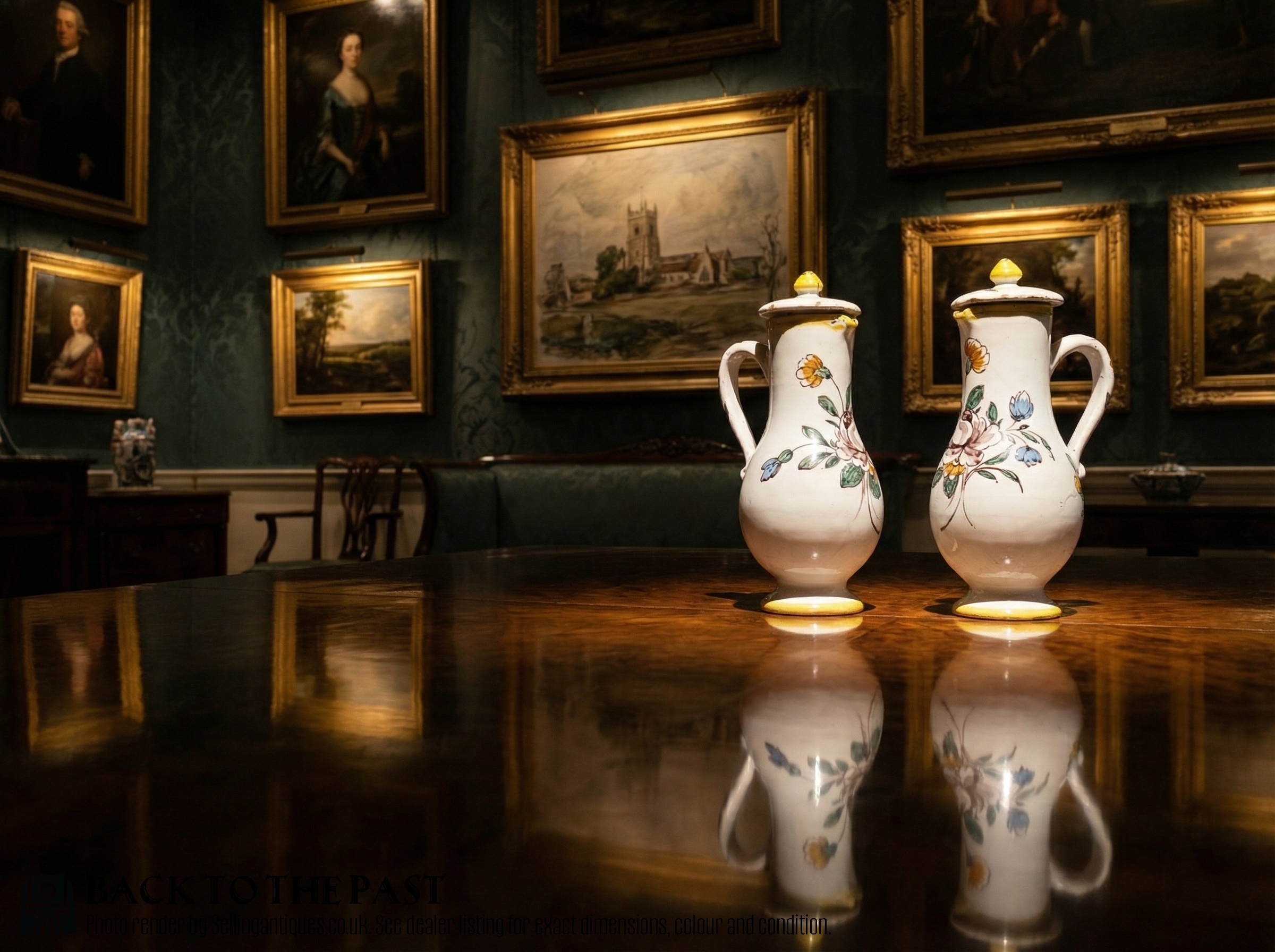
Vintage tin glazed earthenware encompasses plates, chargers, vases, and tiles produced across several European regions from the seventeenth century through to the mid-twentieth century. Buyers searching for vintage tin glazed earthenware encounter Dutch Delftware, French faience, Italian maiolica, and English delftware alongside later revival pieces.
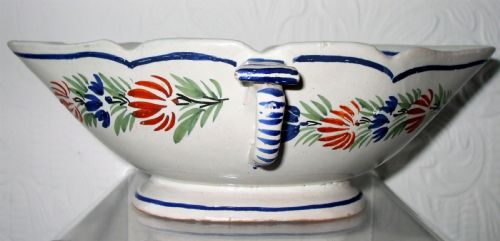
The objects take many functional and decorative forms, including large chargers, lidded vases, pharmacy jars, tobacco jars, sauceboats, and table lamps. Pieces span domestic tablewares and ornamental items, with blue and white decoration forming the primary aesthetic across most periods.
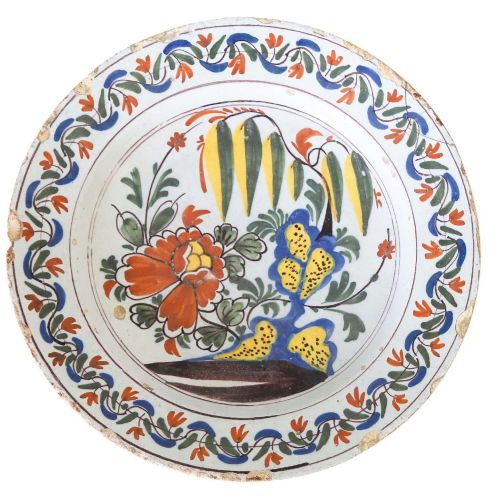
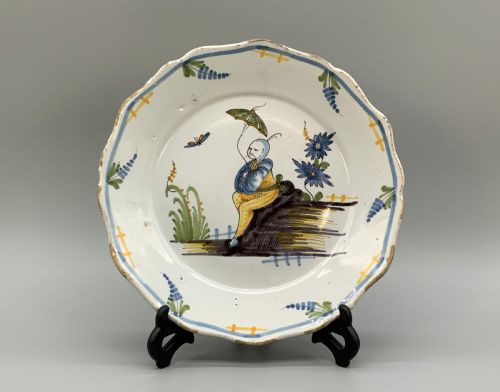
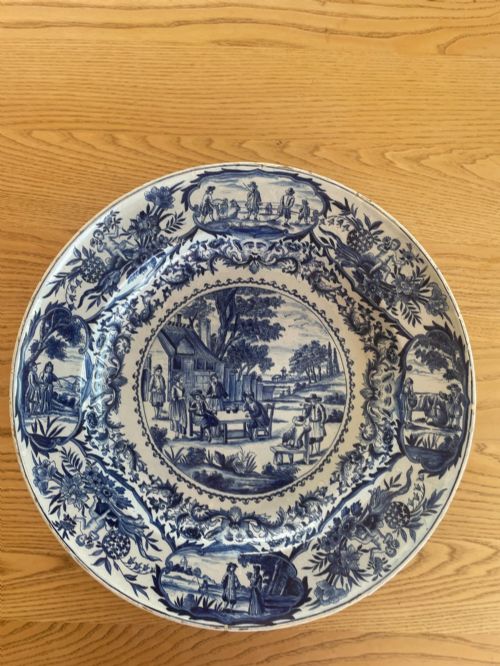
Dutch production dominates much of the available selection, particularly chargers and vases finished in cobalt blue or manganese. Continental European workshops from France, Italy, and Germany contribute distinct regional styles, from polychrome floral designs to Chinoiserie scenes.
How they were made
Potters shaped local clays into earthenware bodies before applying a white tin-opacified glaze that created an opaque, smooth surface for painting. This tin glaze provided a white ground that imitated Chinese porcelain while remaining accessible to European kilns.
Painters applied metallic oxide pigments directly onto the unfired or raw glaze, allowing the colours to absorb into the surface during the high-temperature firing process. Cobalt produced blue, copper and chromium contributed greens, antimony gave yellow, and manganese yielded purple-brown tones.
Listings span periods from the seventeenth century through to the mid-twentieth century, featuring earthenware bodies finished with tin glaze, brass fittings, and ceramic materials.
What varies in quality
Quality rests in the crispness of the hand-painted brushwork and the complexity of the design, distinguishing hurried workshop output from skilled artistic execution. Early pieces demonstrate deliberate control over pigment application, whereas later revivals vary in the density and precision of the glaze.
The stability of the tin glaze and the depth of the firing affect the overall visual weight of the ceramic body. Superior examples maintain an even glaze surface with minimal crawling or pooling around the foot ring.
HB Quimper·Cantagalli·Desvres
The Vintage Tin Glazed Earthenware Glossary
- Tin-glazed earthenware
- Pottery coated with a glaze containing tin oxide to produce a white, opaque surface suitable for painting. This technique forms the foundation of European delft, faience, and maiolica.
- Charger
- A large decorative plate intended for display on a wall or sideboard rather than daily dining use. These items frequently display pictorial or floral scenes across their broad cavetto.
- Faience
- The French and continental European term for tin-glazed earthenware. Centres such as Rouen, Desvres, and Quimper developed distinct regional variations.
- Albarello
- A cylindrical earthenware jar used by apothecaries to store dry drugs, ointments, or syrups. They originated in the Middle East before becoming common across Italian and European pharmacies.
- Manganese
- A metallic oxide pigment used in ceramic decoration to produce rich purple, brown, or plum tones. It frequently appears in eighteenth-century Dutch and French pieces either alone or alongside blue.
Vintage Tin Glazed Earthenware: Frequently Asked Questions
How do I clean vintage tin glazed earthenware?
Dust these ceramic pieces gently with a dry cloth and avoid immersing them in water, particularly if they exhibit old hairline cracks or glaze chips. Moisture can penetrate the porous earthenware body beneath the tin glaze and cause further deterioration.
Display items away from damp environments and direct heat sources to protect the surface pigments and glaze integrity over time.
Are these pieces safe for food use?
Older tin-glazed ceramics often contain lead within the glaze composition, making them unsuitable for modern food consumption or daily dining. They are best reserved for visual display and decorative placement within the home.
Examine the condition of the glaze surface to ensure no active flaking occurs where food might come into contact with the ceramic body.
How can I tell Dutch delft from French faience?
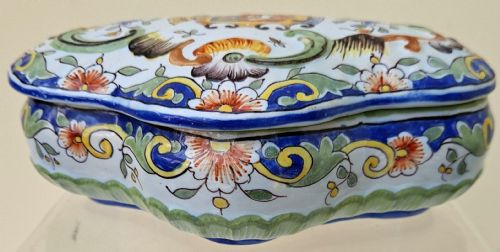
Dutch delft typically relies on cobalt blue and manganese pigments with strong maritime or Chinese export influences, often presented on chargers and vases. French faience frequently incorporates softer polychrome palettes, yellow highlights, and distinct regional motifs associated with towns like Quimper and Rouen.
Examining the foot ring, glaze tone, and painted border motifs helps clarify the likely continental origin of an individual piece.
What is the difference between delftware and maiolica?
Delftware generally refers to tin-glazed earthenware produced in England and the Netherlands, characterised by blue and white or manganese palettes influenced by oriental trade. Maiolica describes the equivalent tin-glazed tradition originating in Italy and spreading through European revival workshops.
Both techniques share the fundamental tin-opacified glaze method but developed distinct regional painting styles and local forms over the centuries.