

Vintage Timber Mirror
A vintage timber mirror brings warmth and character to a room, offering both practical reflection and rich historic craftsmanship.
Vintage Timber Mirror
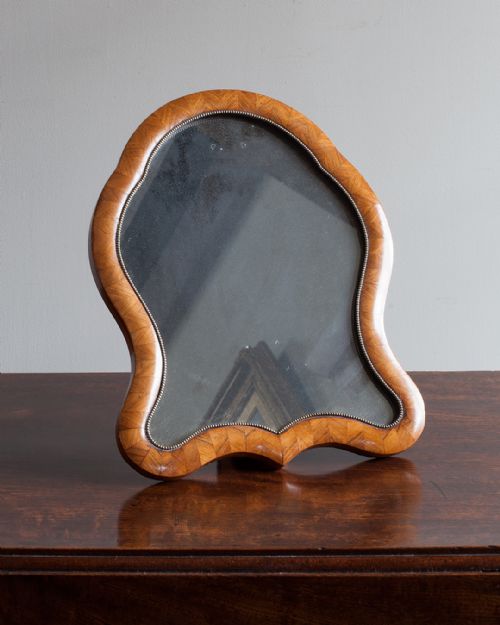
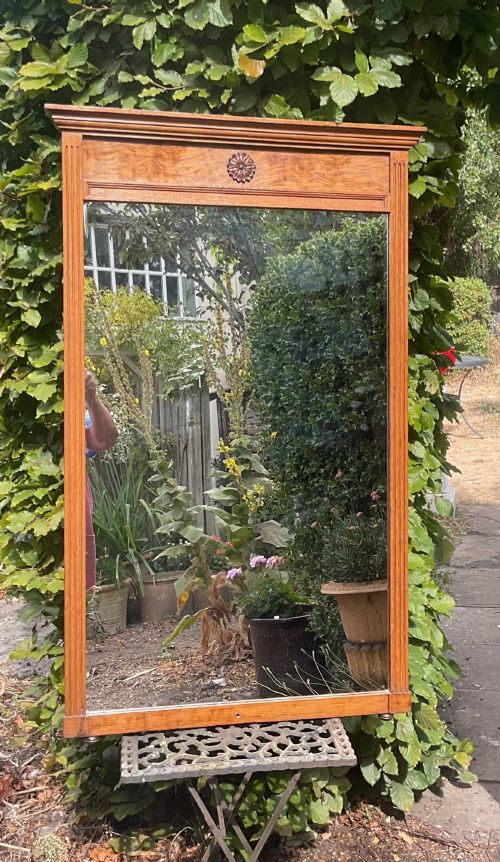
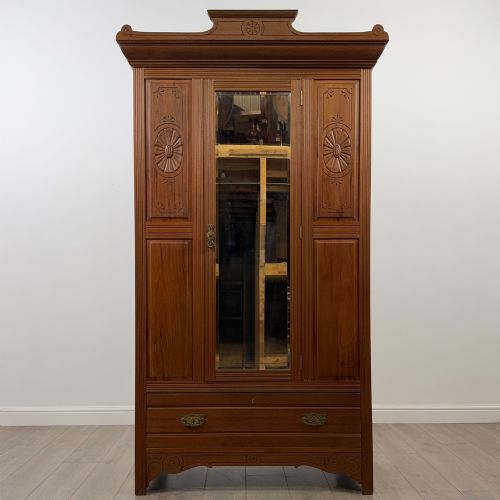
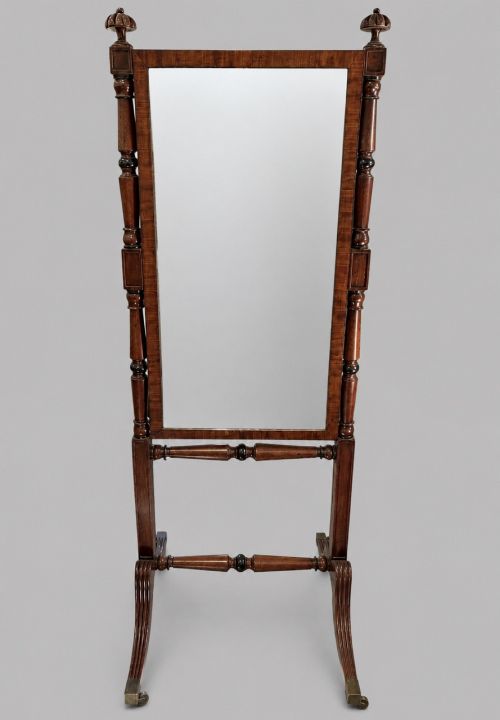
When searching for a vintage timber mirror, buyers encounter a diverse selection of wall-hanging, cheval, and dressing table formats originating from the nineteenth and early twentieth centuries. These pieces reflect stylistic influences ranging from Victorian and Edwardian periods to French Provincial and Art Deco designs.
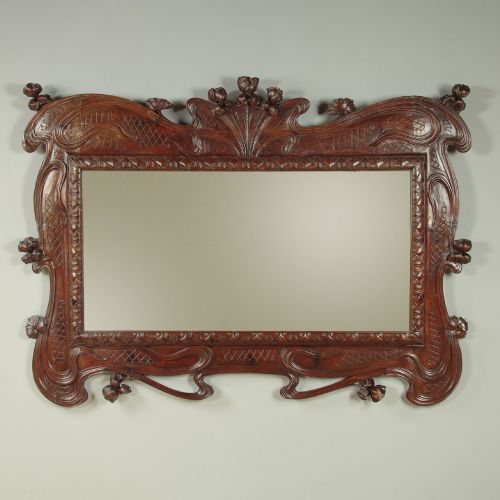
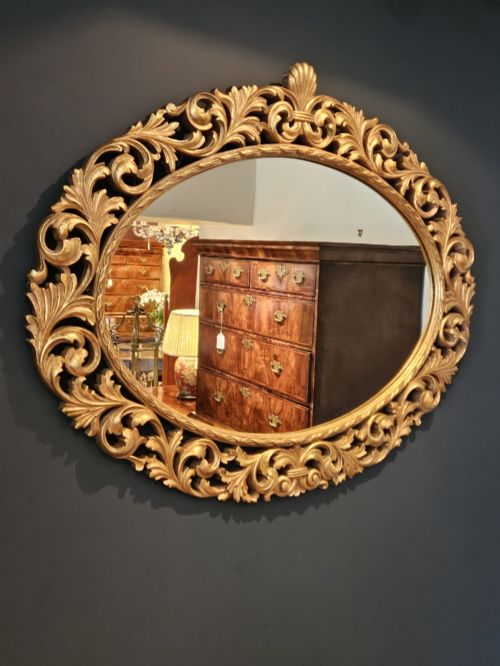
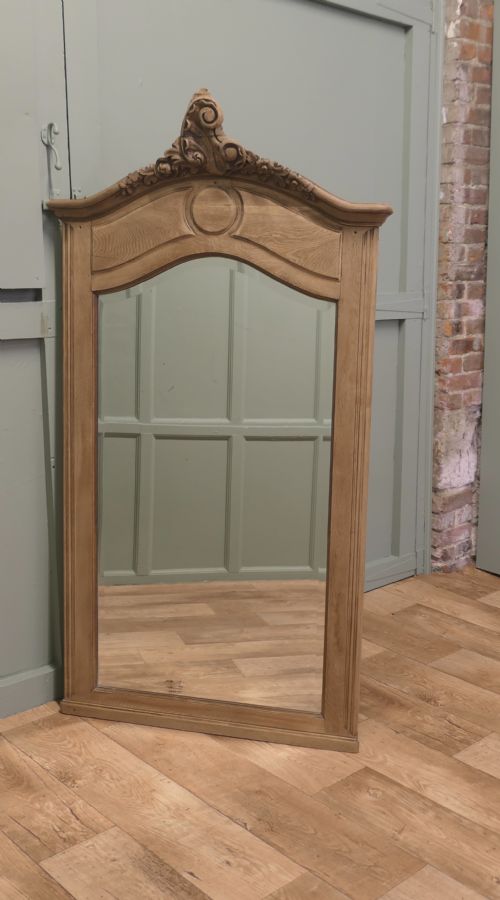
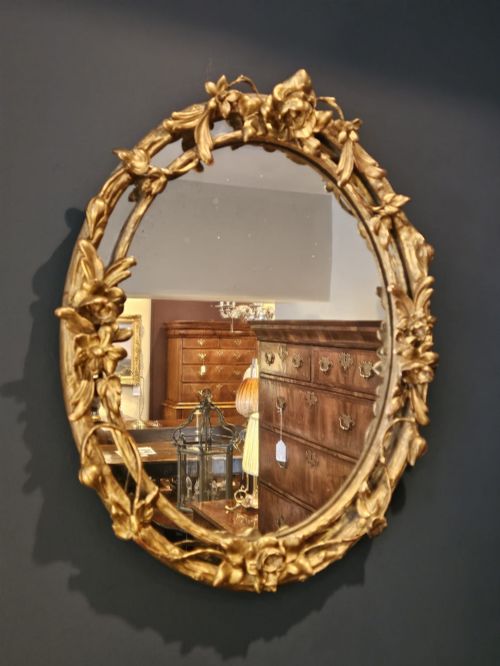
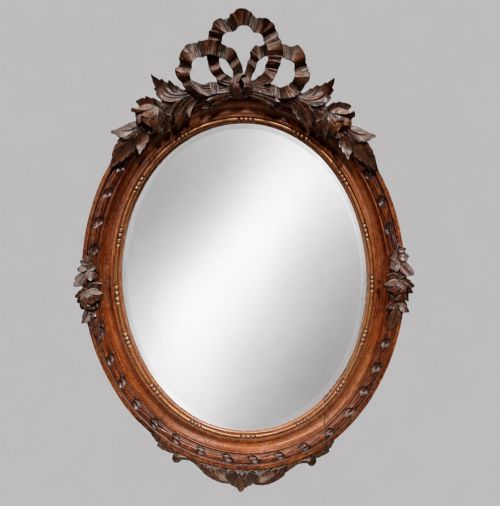
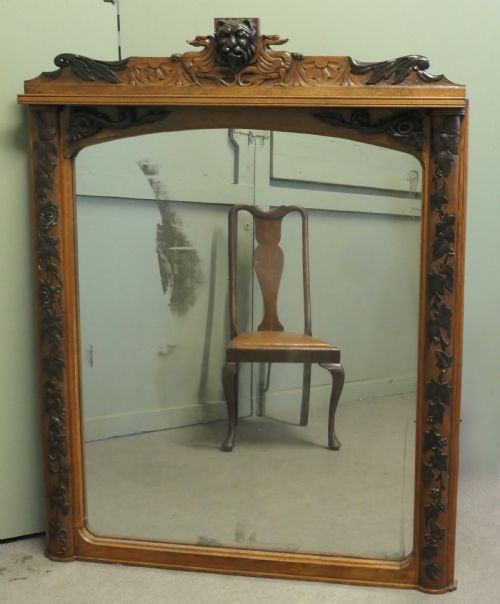
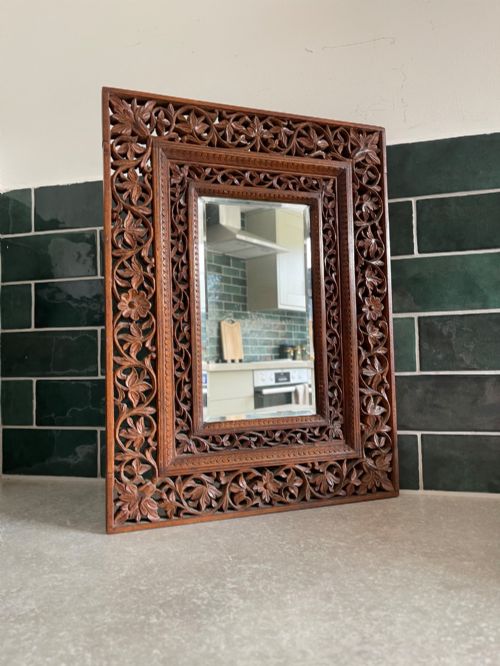
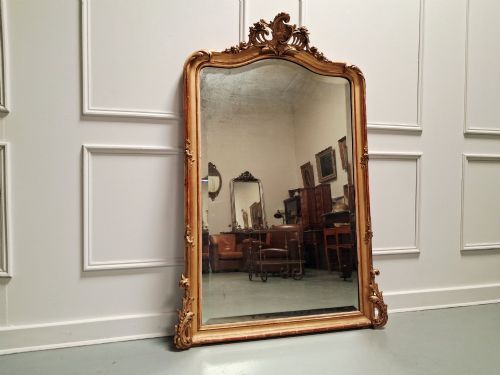
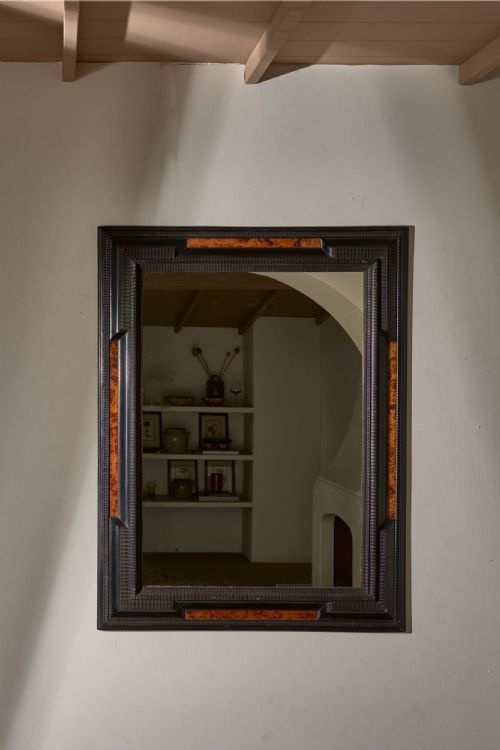
The most common examples on this page are wall mirrors framed in woods such as oak, walnut, mahogany, and maple, alongside giltwood and gesso iterations. Many incorporate carved detailing, from simple moulded profiles to elaborate floral and avian motifs.
Origins span English country house pieces, continental European workshops, and examples from further afield, including North Indian craftsmanship. Formats vary from small tabletop items to large overmantle and cheval mirrors.
Materials and construction
Makers utilised solid timbers and veneers like walnut, oak, and mahogany, often shaping the wood through hand carving or steam bending to create decorative frames. Giltwood and gesso finishes were frequently applied over wooden bases to achieve reflective, metallic highlights.
Glass plates were traditionally silvered and secured into the wooden rebates with panel pins or wooden backing boards, while structural joints relied on traditional joinery methods appropriate to each period.
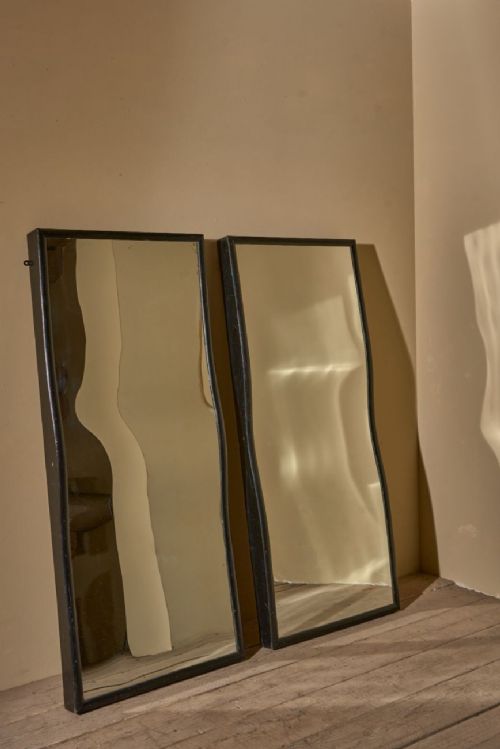
Fairground fun house mirrors and circus glass bring a wonderful, eccentric distortion to domestic spaces.
Distinctions in quality
Quality rests in the crispness of the hand carving, the depth and execution of gilt or ebonised surfaces, and the selection of figured timber veneers. Superior pieces display harmonious proportions and careful attention to structural detail in the frame construction.
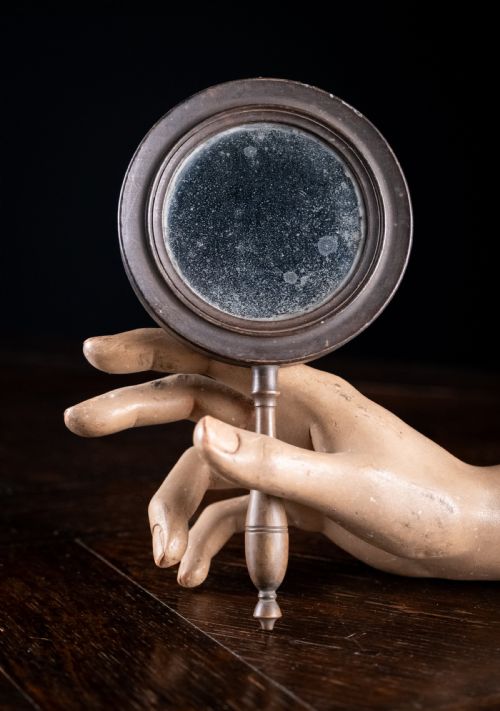
The presence of original mirror glass with natural foxing or distortion contrasts with later replacements, while the integrity of the original backing boards and fixings adds to the historic authenticity of the object.
The Vintage Timber Mirror Glossary
- Giltwood
- Wood that has been coated with gold leaf or a gold-coloured finish. This technique was commonly used on decorative frames to create a bright, reflective surface.
- Cheval mirror
- A full-length mirror suspended on a vertical swivelling frame between two upright posts. These freestanding pieces allowed users to view their entire outfit.
- Overmantle mirror
- A large mirror designed specifically to be hung on the wall above a fireplace mantel. They frequently dominated the reception room wall in period homes.
- Gesso
- A plaster-like material applied to wooden frames as a smooth base for gilding or painting. It allowed carvers to achieve sharp, intricate relief details.
- Oyster veneer
- Slices cut transversely from small branches to produce circular or oval patterns resembling oyster shells. This technique is often found on seventeenth-century pieces.
Vintage Timber Mirror: Frequently Asked Questions
How do I hang a heavy timber mirror safely?
Heavy mirrors require secure fixings anchored directly into wall studs or masonry using appropriate brackets and picture wire rated for the weight.
Professional installation is recommended for large overmantle or cheval mirrors to ensure stability and prevent accidents.
Should I replace foxed mirror glass?
Foxing, which appears as dark spots or clouding on the glass, is a natural result of age and oxidation in historic silvering. Many collectors prefer retaining original glass for its authentic character.
Replacement is generally reserved for glass that is broken or impedes reflection so severely that the mirror cannot be used.
How do I care for antique wood and gilt frames?
Dust frames regularly with a soft, dry cloth and avoid using modern chemical polishes or water on gilt surfaces. Moisture can lift delicate gesso and gold leaf.
Applying a light, appropriate wax to exposed timber occasionally helps nourish the wood without building up a residue.
How do I identify the period of a mirror?
Dating relies on examining the construction methods, the type of wood used, and stylistic indicators such as carving motifs and edge bevels. Victorian and Edwardian pieces often show distinct mechanical tool marks or specific regional joinery.
Backboards, fixings, and the composition of the glass plate also provide strong clues to the decade of manufacture.