


Vintage Storage Seat
A vintage storage seat combines practical utility with period character, offering hidden compartments beneath hinged panels or lift-up lids for everyday organisation.
Vintage Storage Seat
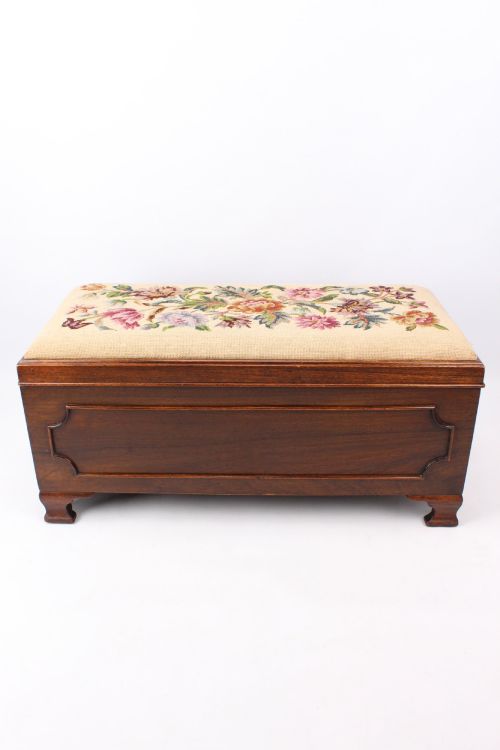
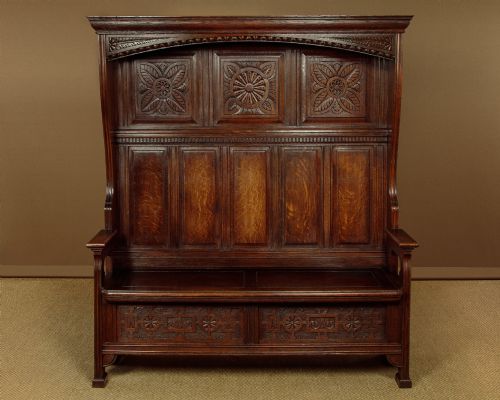
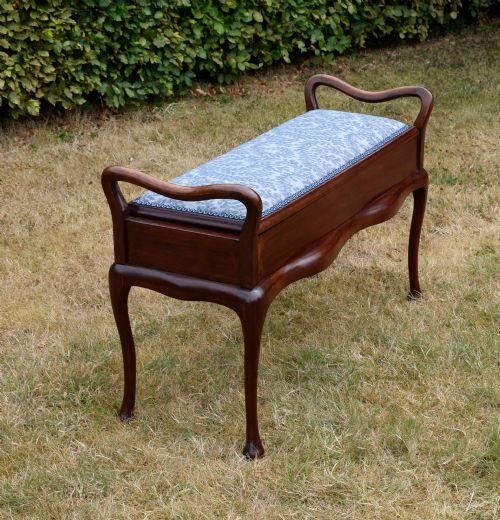
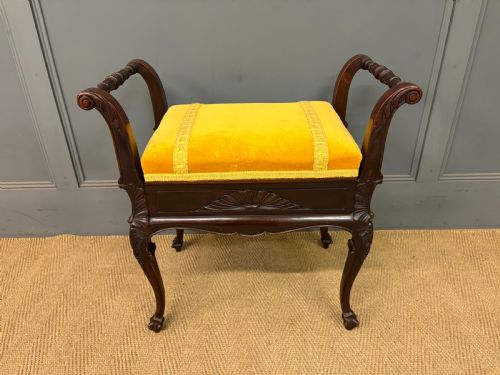
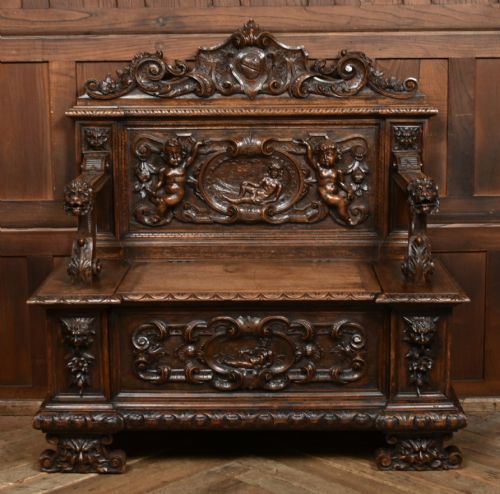
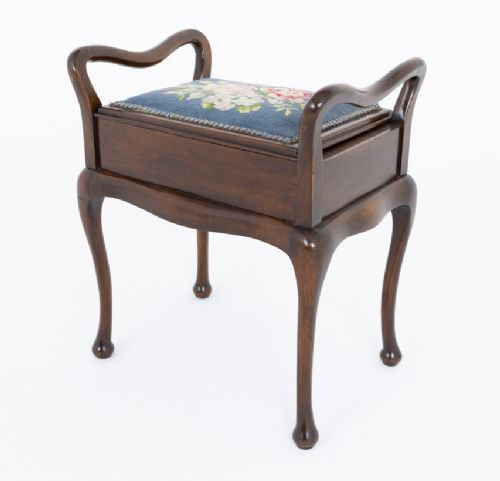
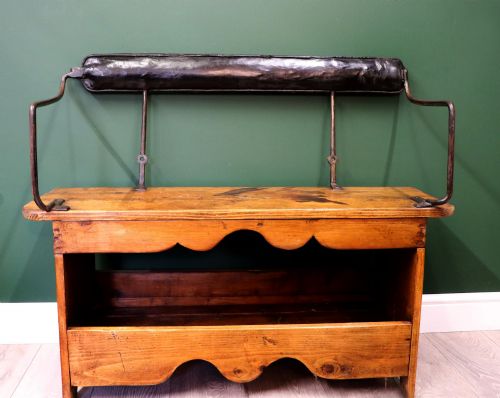
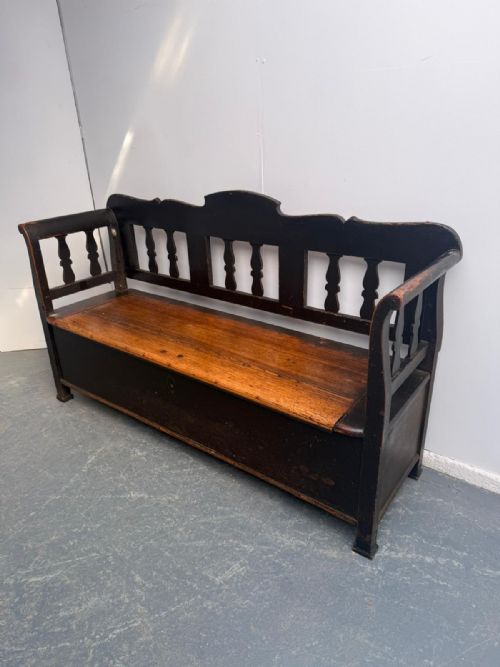
A vintage storage seat serves as a dual-purpose furniture piece designed to provide both a place to sit and a concealed compartment for household items. When exploring this selection, buyers encounter various historical forms ranging from piano stools and ottomans to hall benches, settles, and cassapancas. These pieces originate from distinct periods spanning the nineteenth century through the Edwardian era and the nineteen-thirties.
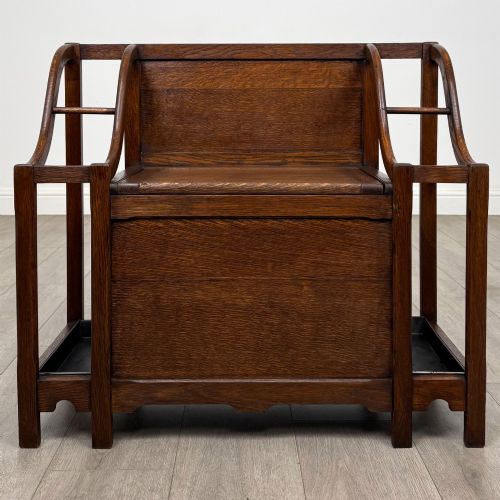
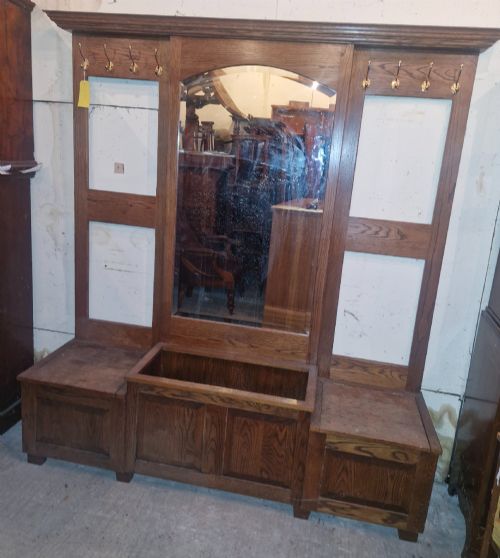
The most common formats on this page include oak and mahogany hall seats featuring lift-up lids, alongside piano stools with internal music storage and upholstered ottomans. Many examples integrate practical functions such as shoe storage, coat stands, or fold-over tops. Country variants in pine and walnut provide simpler lines, while revival styles introduce heavier ornamentation to domestic hallways and living rooms.
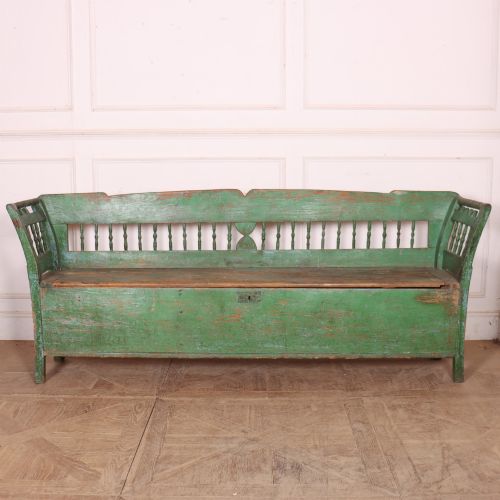
Origins vary across British workshops, European countryhouses, and Scandinavian provinces, resulting in distinct regional characteristics. Hungarian painted pine benches and Austrian farmhouse seating sit alongside English Arts and Crafts oak designs and Art Deco walnut pieces. Buyers select these items to anchor an entryway, furnish a bedroom, or introduce period texture into a modern interior.
How they were made
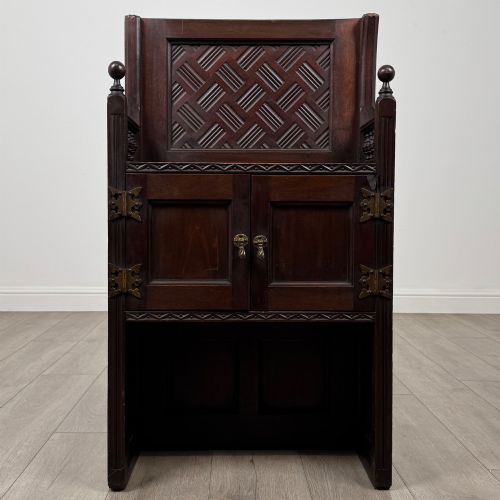
Makers constructed these seats using solid hardwoods such as oak, mahogany, and walnut, alongside softwood pine for painted country furniture. Joinery relied on traditional methods including mortise and tenon joints to ensure structural stability under daily weight. Metal hinges, brass fittings, and iron hardware secured the opening lids and drop-front compartments found on settles and cabinets.
Surface finishes reflect the aesthetic preferences of their respective eras, utilising wax, dark polish, or lead-based and modern interior paints. Upholstered variants incorporated fabric, leather, velvet, and needlework seats, often layered over horsehair or spring stuffing. Decorative embellishments included hand-carved panels, inlaid wood banding, and turned spindle galleries.
One exceptional Edwardian hall seat arrives complete with a novel twist in its mechanism, keeping unsuspecting sitters guessing.
What varies in quality
Quality in a vintage storage seat depends upon the integrity of the timber selection and the precision of the joinery. Superior examples display tightly fitted joints, stable framing that withstands regular sitting, and original hardware that operates smoothly. Lesser pieces may suffer from warped lids, replaced hinges, or weakened internal box structures resulting from heavy use.
The artistic merit of the carving and the originality of the surface finish distinguish standard utilitarian items from finer examples. Pieces retaining their authentic painted or polished surfaces demonstrate better historical preservation than those stripped or aggressively refinished. Finer upholstery work, intact needlework, and secondary woods matching the primary casing indicate careful workshop production.
The Vintage Storage Seat Glossary
- Cassapanca
- An Italian wooden bench featuring a high back and arms with a large storage chest integrated beneath the seat. This form originated during the Renaissance and remained popular in revival designs.
- Settle
- A wooden bench with a high solid back designed to block draughts, often featuring arms and a hinged seat concealing a box storage compartment. Country versions frequently utilise pine or oak.
- Duet piano stool
- A wider seating bench designed for two musicians, typically featuring a hinged or fall-front mechanism to store sheet music internally. Mahogany and walnut are common framing timbers.
- Ottoman
- An upholstered seat or bench without a back, usually fitted with a hinged top that opens to reveal a blanket or linen storage box. Nineteenth-century examples often incorporate concave shapes or leather coverings.
- Hall bench
- A narrow seating item placed in an entryway, frequently combining a boot store, shoe rack, or umbrella stand beneath the lift-up seat. Many incorporate panelled backs and coat hooks.
Vintage Storage Seat: Frequently Asked Questions
What is a monks bench?
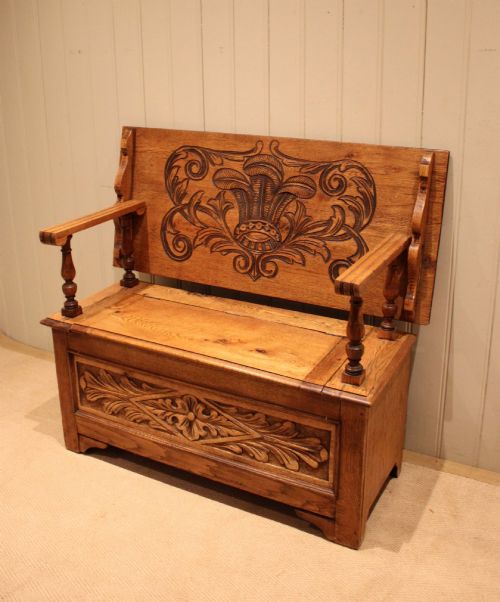
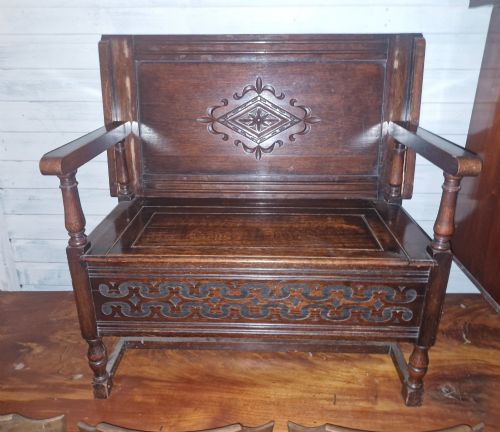
A monks bench is a multifunctional wooden seat featuring a hinged back that folds forward over the armrests to transform the piece into a table. These versatile items were popular in various revival styles during the early twentieth century.
They provide compact surface space and hidden storage beneath the seat, making them suitable for small hallways or living areas where multi-use furniture is practical.
How do I use a hall seat at home?
A hall seat functions primarily as an entryway drop-zone where household members can sit to remove footwear while stashing boots, scarves, or umbrellas out of sight. Models with integrated panels and hooks also accommodate coats and hats.
Placing one in a corridor or porch establishes an organised threshold that combines period aesthetic charm with everyday domestic utility.
Are piano stools comfortable for daily seating?
Piano stools are generally built for upright posture during musical practice rather than lounging, though upholstered top variants offer adequate padding for short periods. Their primary advantage lies in the internal compartment designed for storing sheet music or small household items.
They fit well beside a desk, in a dressing room, or at the foot of a bed where occasional seating and concealed storage are required.
How do I distinguish Edwardian storage seats from Victorian ones?
Victorian storage seats tend to feature heavier proportions, darker polished finishes, and more elaborate carving or robust leather upholstery. They often reflect revival movements like Gothic or Jacobean tastes.
Edwardian pieces generally exhibit lighter frames, simpler lines, and restrained mahogany or inlaid decoration reflecting a shift towards airier domestic interiors.