





Antique Scandinavian Bench
An antique scandinavian bench brings restrained Nordic utility and pale painted finishes into a room, offering both practical seating and architectural presence.
Antique Scandinavian Bench
When you search for an antique scandinavian bench, you encounter sturdy timber seating rooted in regional traditions, spanning simple country pine settles to refined neoclassical forms. The selections here centre predominantly on Swedish pieces from the eighteenth, nineteenth, and early twentieth centuries, capturing a distinct evolution from rustic utility to elegant painted restraint.
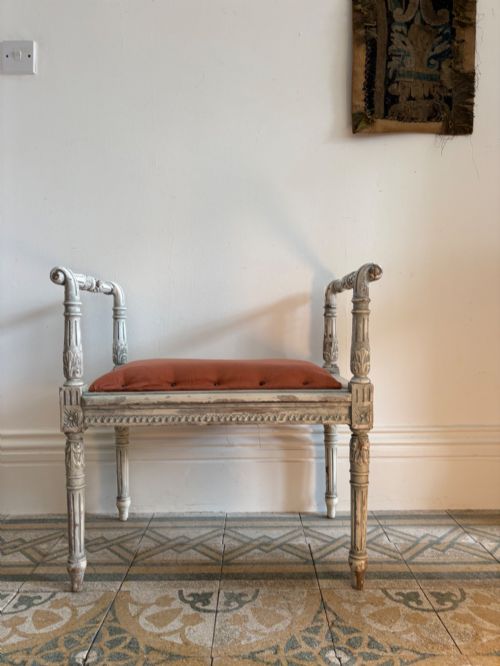
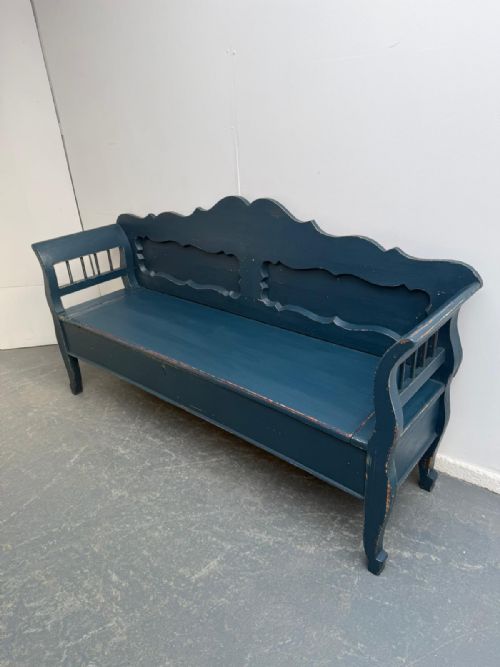
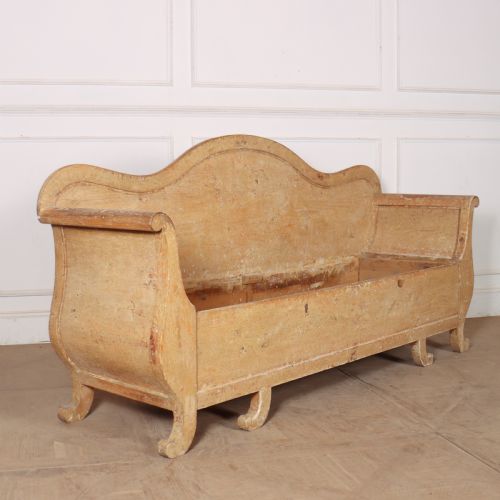
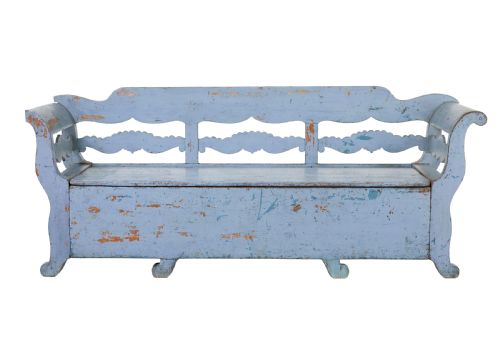
The objects take various shapes, including settle benches with integrated high backs, long wooden benches, and cushioned sofas upholstered in silk, linen, or hessian. Many examples display original painted surfaces in pale tones, while others celebrate the warm grain of natural birch or pine.
Originating from domestic interiors across Scandinavia, these items served practical household needs for dining, resting, and storage before becoming sought-after decorative pieces. Their enduring appeal lies in clean lines and functional construction that complement both traditional and modern interiors.
Materials and Construction
Makers relied principally on native softwoods and hardwoods, working extensively with pine, birch, and beechwood to build the structural frames of these benches and settles. Timber selection dictated the eventual finish, with dense birch taking a smooth polish while knotty pine provided a robust base for decorative paint layers.
Surfaces were frequently finished with layered paint in muted hues, creating patinated coats that age with distinctive character over the decades. Upholstered variants incorporated traditional stuffing materials beneath coverings of silk, linen, or hessian to provide comfortable seating.
Materials recorded across the inventory include painted wood, satin birch, linen, and silk.
Distinctions in Quality and Craft
Superior examples are distinguished by the integrity of their original surface finishes, where untouched layers of period paint or polished satin birch reveal authentic age rather than modern intervention. The balance of proportions and the subtlety of carved neoclassical details, such as fluting or rosettes, separate refined urban pieces from simpler rural work.
Structural joinery defines the longevity of each piece, with tight joints and well-preserved frame construction indicating careful original workmanship. The survival of period upholstery textiles or original hardware further elevates the significance of individual items.
John Tesch
The Antique Scandinavian Bench Glossary
- Gustavian
- The Swedish neoclassical style spanning the late eighteenth and early nineteenth centuries, characterised by symmetrical restraint, fluted columns, and pale painted surfaces.
- Settle
- A wooden bench featuring a high back to block draughts, solid armrests, and frequently a concealed storage box beneath the hinged seat.
- Biedermeier
- A central European and Scandinavian design movement from the mid-nineteenth century focusing on utility, clean lines, and the natural beauty of blonde veneers like birch.
- Satin birch
- A timber derived from birch wood featuring a lustrous, light-reflecting grain that was favoured for fine nineteenth-century Scandinavian furniture.
- Hessian
- A coarse woven fabric typically made from jute or hemp fibres, used historically as a durable foundation or covering material in upholstery.
Antique Scandinavian Bench: Frequently Asked Questions
How do I use an antique settle bench?
A settle bench works effectively in a hallway or kitchen where its high back provides a windbreak and its integrated seat lifts to store household items.
In living spaces, positioning one against a plain wall allows the painted or timber finish to stand out while offering deep, functional seating.
What is the difference between Gustavian and Biedermeier styles?
Gustavian pieces draw on neoclassical motifs like fluted legs and pale monochrome paint, reflecting lighter eighteenth-century architectural trends.
Biedermeier design emerges later in the nineteenth century, stripping away classical ornamentation to highlight the warm, unpainted grain of birch timber.
How should I care for original painted wood?
Preserve antique painted surfaces by keeping pieces away from direct sunlight and maintaining stable indoor humidity levels to prevent timber movement.
Dust gently with a dry, soft cloth and avoid chemical cleaning agents that can strip fragile historic paint layers.
Are these benches comfortable for daily seating?
Wooden benches without upholstery offer firm, upright support suited for dining tables or occasional hallway use.
Variants featuring padded silk, linen, or hessian cushions provide a softer sit closer to traditional sofa comfort.