


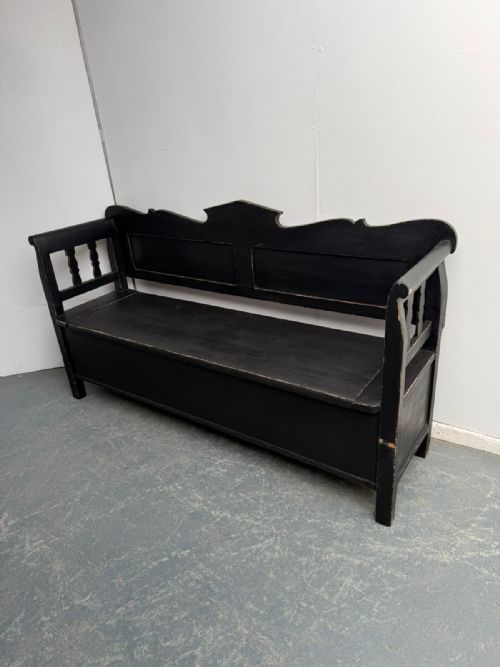
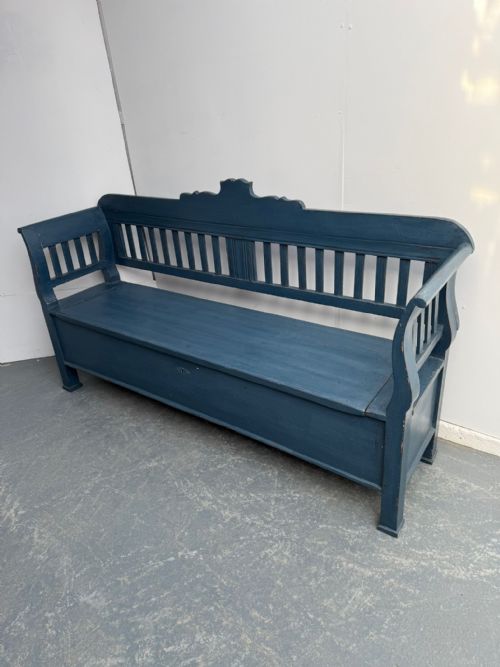
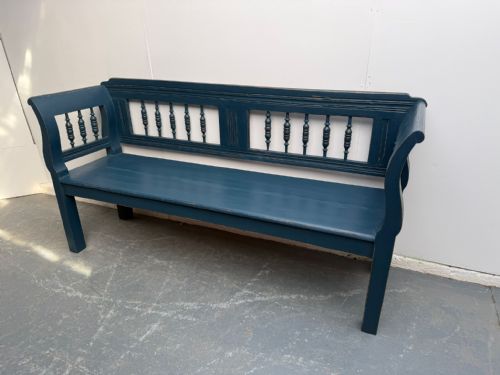


Painted Country Wooden Bench
These painted country wooden bench pieces bring honest, folk-painted character into a room.
Painted Country Wooden Bench
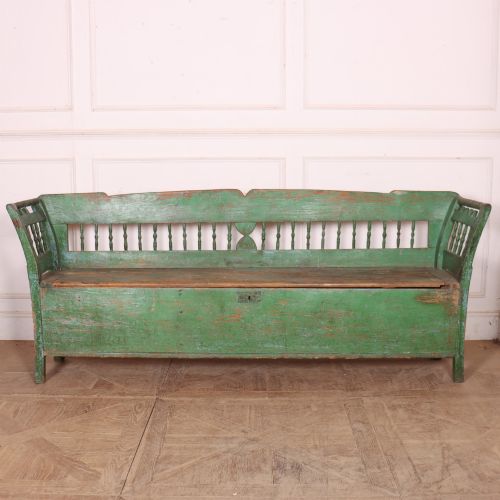
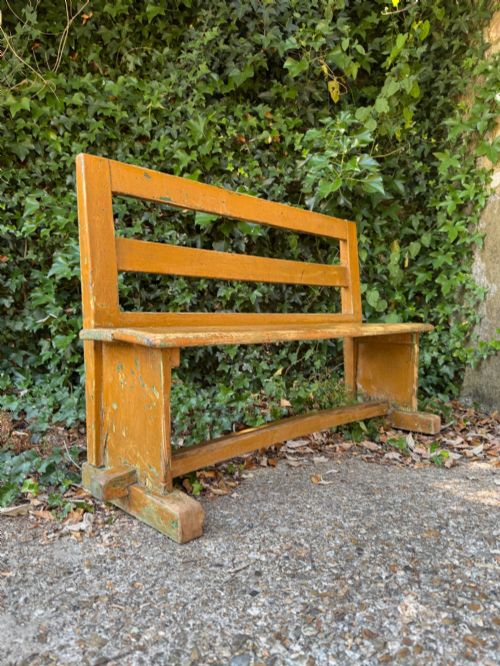
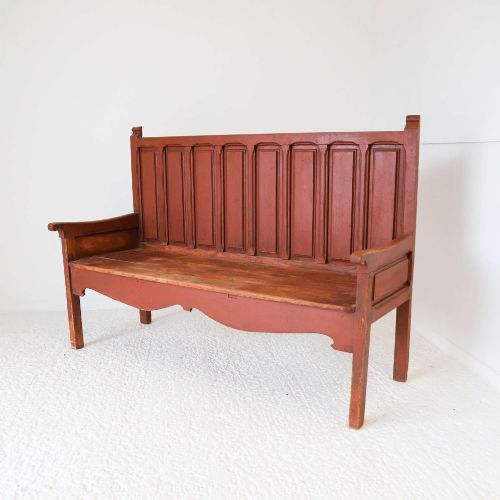
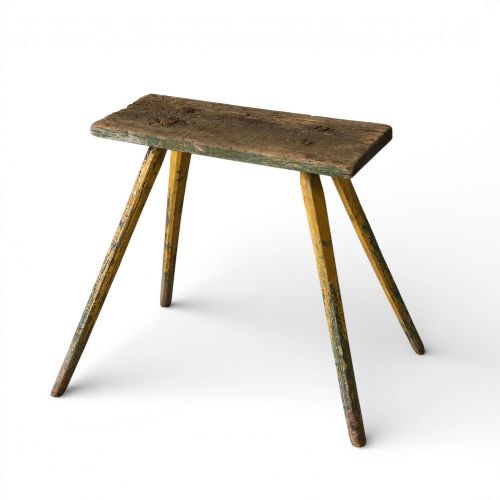
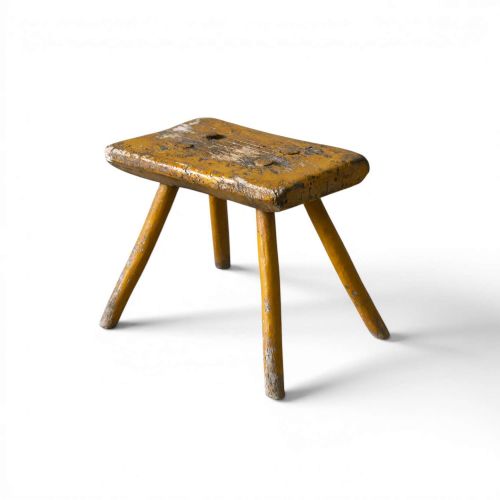
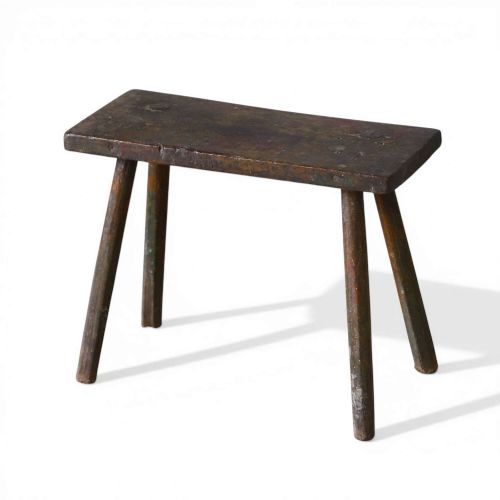
A painted country wooden bench brings domestic utility and regional folk style together across centuries of domestic life. When you search for a painted country wooden bench, you encounter forms that range from simple milking stools and tavern settles to long box settles and large dining benches. The pieces span from the eighteenth century through the Victorian era and into the early twentieth century, originating from English, Welsh, French, Spanish, Austrian, Hungarian, and Swedish workshops.
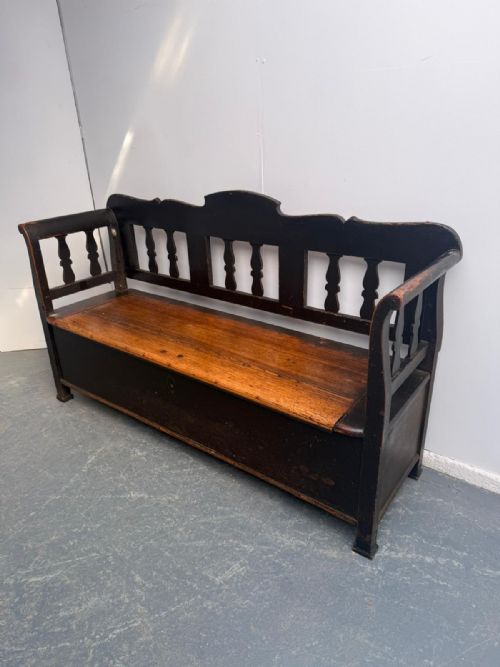
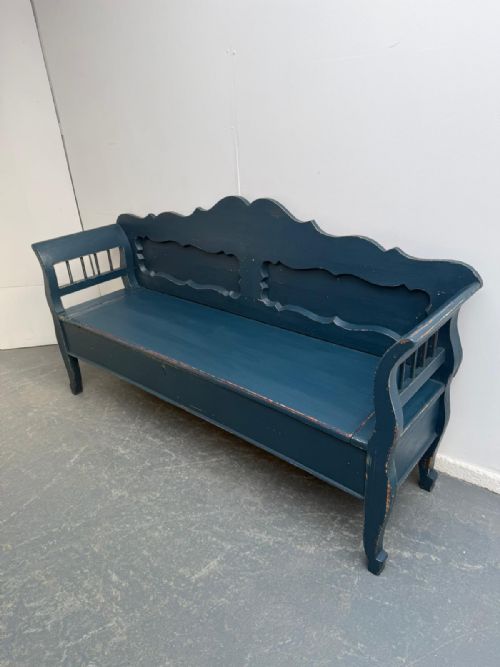
The most common examples you meet on this page are nineteenth-century pine benches and Victorian box settles carrying their original painted surfaces. These regional variations include high backs designed to block draughts in farmhouses, storage boxes beneath the seat, and open formats intended for everyday domestic use. Alongside standard benches, the category encompasses related seating such as settees and small rustic stools, reflecting the diverse output of European rural cabinetmakers.
How they were made
Makers constructed these pieces primarily using pine and other softwoods and timbers, fashioned with straightforward joinery suited to regional workshops. Carpenters built boards for seats and backs using local timber, often employing scratch-built techniques for domestic utility rather than courtly refinement.
The defining finish relies on layers of paint applied to the wood, frequently surviving in original hues such as blue, green, grey, ochre, black, and distressed tones. Iron hardware, including hinges and brackets, frequently reinforces the structural joints on box settles and storage benches.
Several pieces double as indoor woodpiles because their storage boxes were once packed with winter logs.
What varies in quality
The distinction between ordinary and exceptional examples rests upon the survival of the original painted surface. Pieces retaining their untouched period pigment hold greater integrity than those stripped or repainted at a later date.
Construction heft and regional form also dictate distinction. Heavy structural timbers, integrated storage boxes with original ironwork, and clear geographic attributions set certain settles and benches apart from basic utility seating.
The Painted Country Wooden Bench Glossary
- Settle
- A wooden bench featuring a high back, solid arms, and often an enclosed box seat beneath. This form protected sitters from cold draughts in pre-central heating farmhouses.
- Box settle
- A bench with a hinged seat opening to reveal storage space underneath. These items doubled as linen chests or grain stores in rural homes.
- Original paint
- The initial decorative or protective pigment applied to the wood when first made. Collectors prize surfaces that retain their historical wear without later overpainting.
- Pine
- A softwood commonly utilised by rural carpenters across Europe for domestic furniture. Its accessible nature suited regional workshops producing robust daily seating.
- Folk art
- Traditional decorative styles rooted in regional culture rather than academic design. This encompasses the vernacular colour palettes found on continental benches and settles.
Painted Country Wooden Bench: Frequently Asked Questions
Where did these benches originate?
Makers constructed these pieces across various European regions, including England, Wales, France, Spain, Austria, Hungary, and Sweden.
Each area developed distinct forms and colour palettes suited to local domestic traditions.
How were box settles used?
Households placed them near hearths to block cold air while storing blankets or dry goods inside the seat cavity.
They served as multi-functional furniture for sitting, storing, and dividing room space.
How do I identify original paint?
Original finishes show natural crackle, genuine wear patterns, and layered oxidation consistent with age.
Under magnification, historical pigment reveals the absence of modern primers or synthetic binders.
Can I use them daily?
Solid softwood construction and sturdy joinery allow these benches to withstand regular seating demands.
Placing them away from direct heat sources helps preserve the old timber and pigment.
What periods do they cover?
The selection spans from the eighteenth century through the Victorian period up to nineteen ten.
Georgian examples sit alongside nineteenth-century continental workshop pieces and turn-of-the-century designs.