
Vintage Sporting Picture
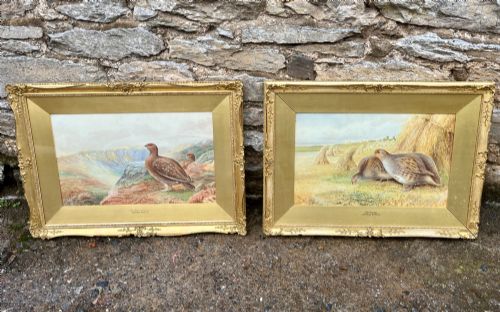
A vintage sporting picture captures horses, hounds, and field sports through oil paint, watercolour, and print.
Vintage Sporting Picture
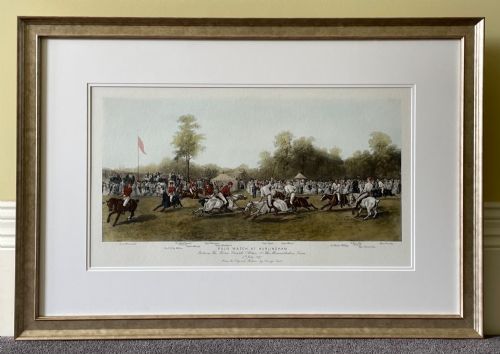
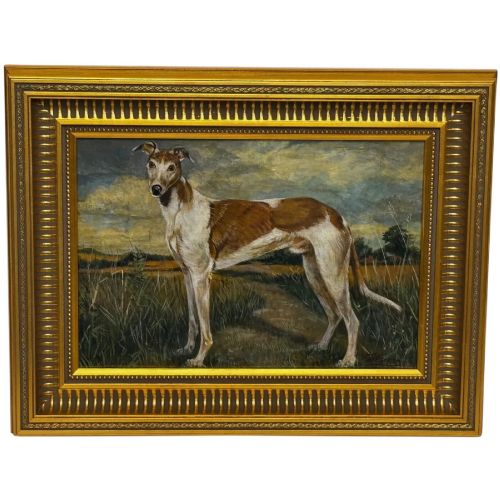
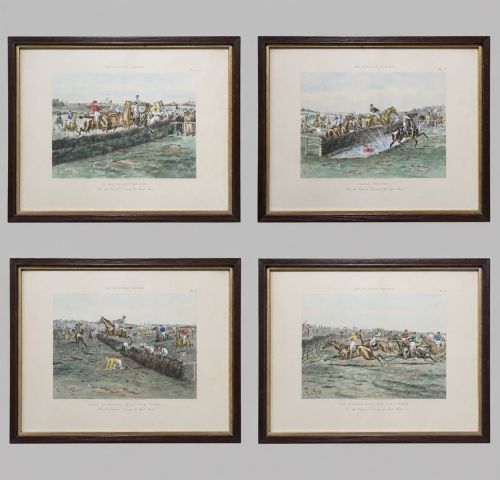
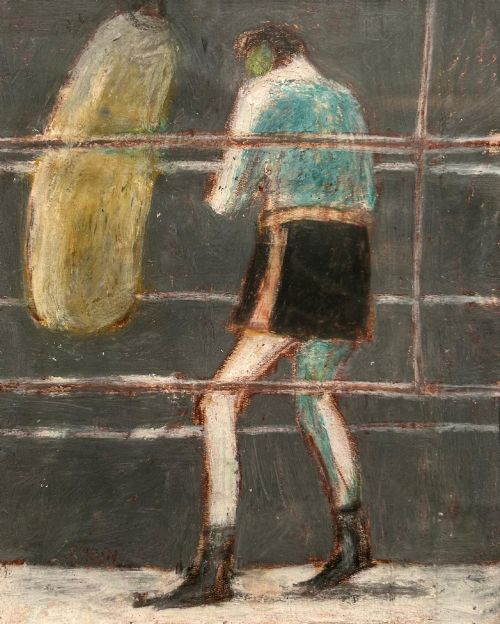
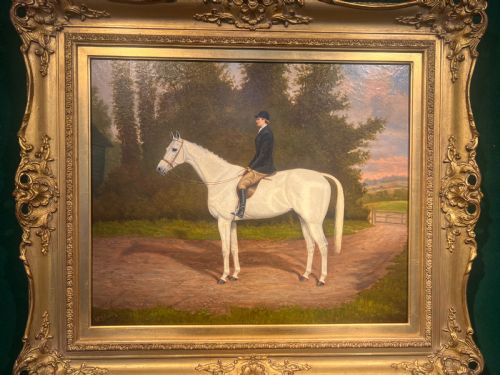
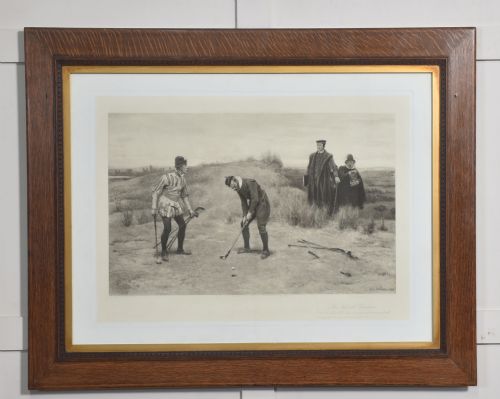
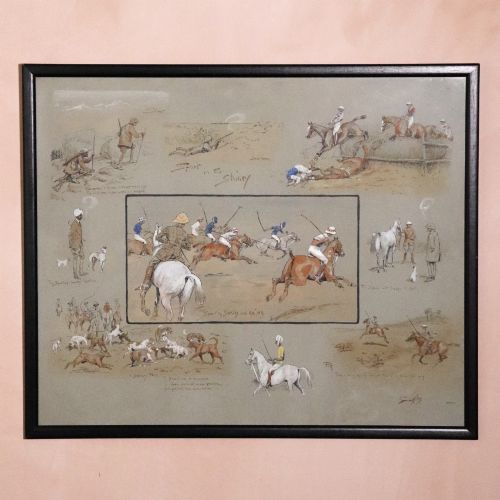
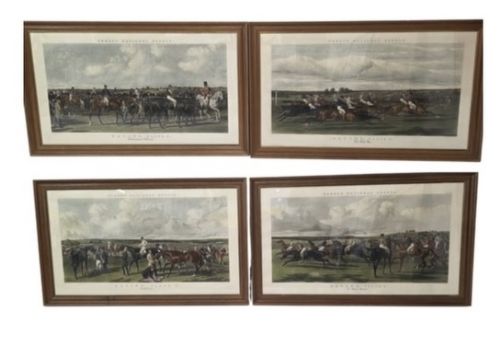
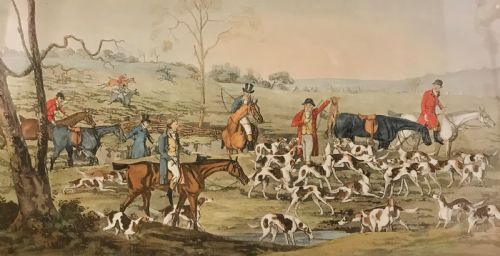
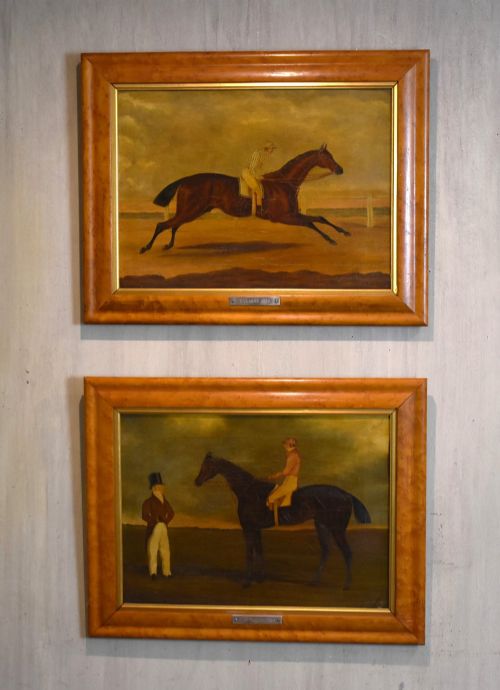
A vintage sporting picture encompasses framed paintings, drawings, and prints depicting equestrian subjects, hunting scenes, and working dogs. These works range from Georgian and Victorian depictions of racehorses and hounds to mid-twentieth-century watercolours and pastels.
Buyers will most commonly encounter nineteenth-century engravings, early twentieth-century prints, and oil paintings on canvas or panel. Many pieces document specific historical horses, hunts, or matches with direct ties to British sporting traditions.
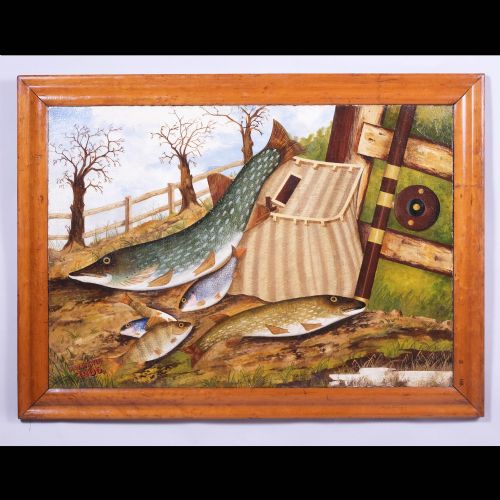
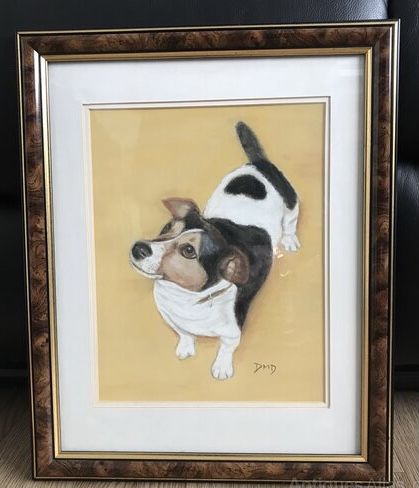
The category spans diverse media including lithographs, etchings, gouache, and pencil drawings housed beneath glass in wooden frames. Subject matter extends from polo and cricket to fishing, shooting, and canine portraits.
Materials and execution
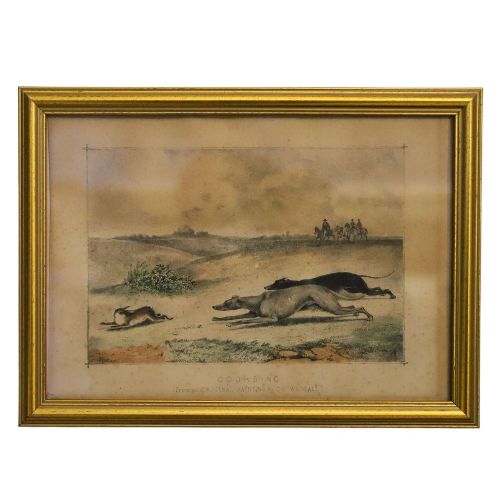
Artisans and artists worked primarily on paper, canvas, and wood panels using oil paint, watercolour, pastel, ink, and chalk. Many nineteenth-century works utilise hand-coloured engraving or lithography techniques to multiply detailed field scenes.
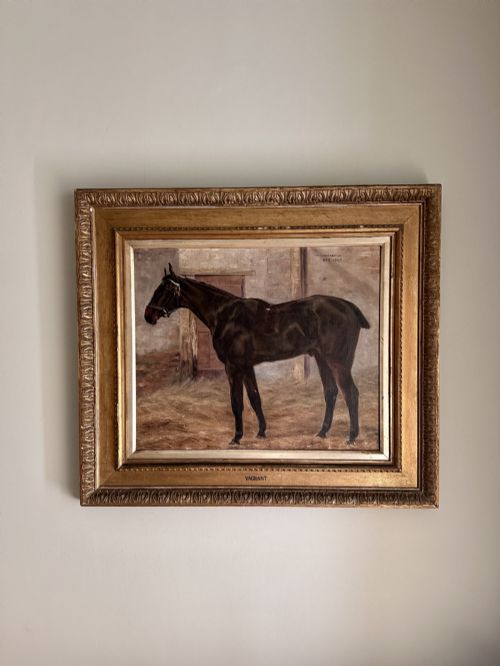
Framing materials commonly involve wood and glass to protect delicate works on paper, such as watercolours and prints, from atmospheric damage. Oil paintings on canvas or pine panels frequently retain their original wooden surrounds.
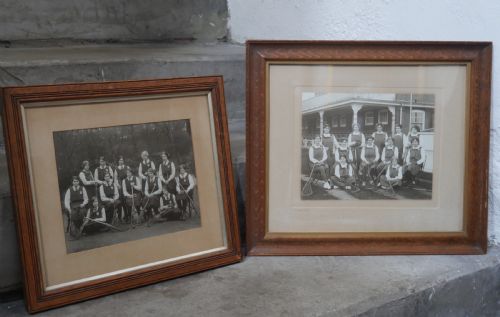
Even Victorian cricketers and lacrosse teams find their moments immortalised alongside champion racehorses and eager hounds.
Assessing quality and execution
Quality rests upon the draughtsmanship of the subject, particularly the anatomical accuracy of horses and hounds, alongside the artist's ability to convey movement. Hand-coloured prints demonstrate superior execution when the pigment application remains precise and vibrant.
Original oil paintings and pastels distinguish themselves through confident brushwork and depth of composition rather than mechanical reproduction. Works bearing clear signatures or established provenance carry greater weight within the tradition of sporting art.
George Finch Mason·Fred Fitzpatrick·C. H. Weigall·George Rankin·John C. Dollman·Snaffles·John Frederick Herring Snr·John Emms·Alfred Munnings·John Rattenbury Skeaping·Cecil Charles Windsor Aldin·Arthur Wardle·Gertrude Halsband·Herbert Dicksee·Basil Nightingale·William Williams·Abraham Cooper·Edward Lloyd of Ellesmere·Michael Lyne
The Vintage Sporting Picture Glossary
- Aquatint
- An intaglio printmaking technique that produces areas of tone resembling watercolour washes. It was frequently utilised for reproducing sporting scenes and horse racing prints.
- Lithograph
- A print produced from a flat stone or metal plate on which the image areas are greasy. This method allowed for wide circulation of detailed hunting and polo illustrations.
- Eglomise
- A process of applying cold gilding and painting to the reverse side of glass. It appears in decorative reproduction frames and panels.
- Gouache
- An opaque water-based paint that dries to a matte finish. It gives mid-twentieth-century sporting works solid blocks of dense colour.
- Provenance
- The documented history of ownership of an artwork. It establishes authenticity and connects pieces to historical estates or galleries.
Vintage Sporting Picture: Frequently Asked Questions
What subjects do vintage sporting pictures show?
These works display horse racing, fox hunting, polo matches, fishing, cricket, and canine portraits. They record the central pastimes and livestock prized by British society across multiple centuries.
Animals feature prominently, with specific depictions of bay hunters, greyhounds, spaniels, and champion racehorses accompanied by their jockeys or handlers.
How do I care for framed watercolours and prints?
Works on paper require protection from direct sunlight to prevent the fading of watercolours, inks, and hand-coloured pigments. Keeping them away from damp environments preserves both the paper support and the wooden frame.
Glazing should remain intact to shield delicate pastel and watercolour surfaces from dust and atmospheric moisture.
How are original paintings told apart from prints?
Original paintings display raised brush texture, visible weave in the canvas, or distinct pigment layering when viewed closely under light. Prints present a flat surface structure beneath glass, often showing tiny ink dots or plate marks from the printing process.
Examinations of the edges often reveal whether a piece is an oil on canvas, a pastel on tinted paper, or an engraved sheet.
Where were these sporting artworks displayed historically?
Country houses, estate libraries, and sporting clubs traditionally displayed these pictures to celebrate equestrian achievements and hunting victories. They served both as decorative wall art and as records of prized animals and notable matches.
Today, they transition easily into domestic hallways, studies, and living rooms as focal points of traditional interior design.