

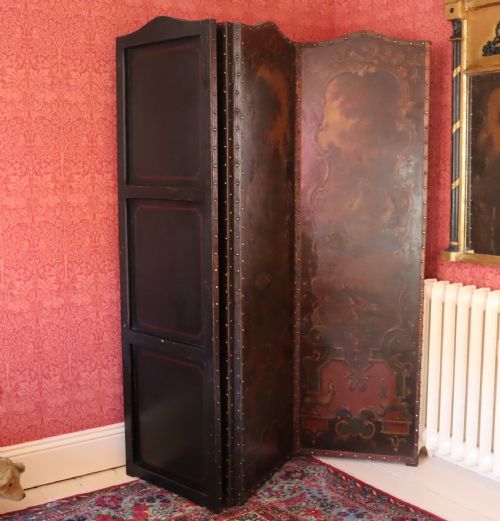


Brown Wood Panel Painting
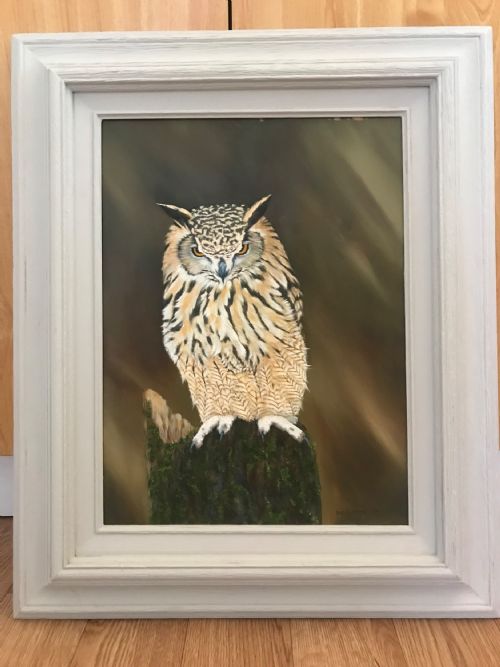
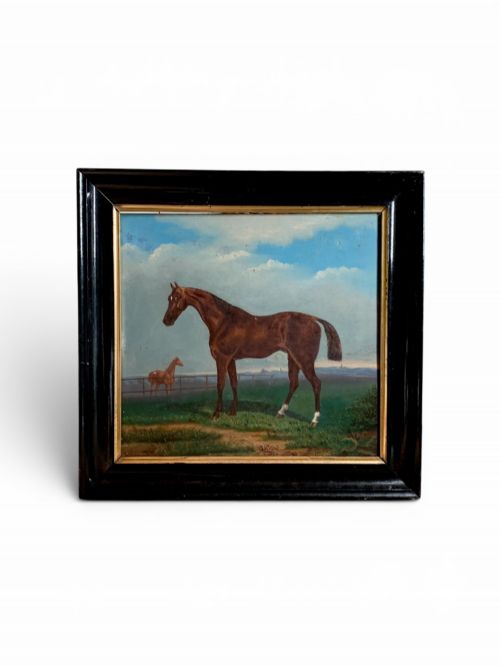
A brown wood panel painting carries centuries of pigment directly on timber, offering a tangible connection to historical studios.
Brown Wood Panel Painting
A brown wood panel painting brings together rigid wooden supports and oil paint across various historical periods.
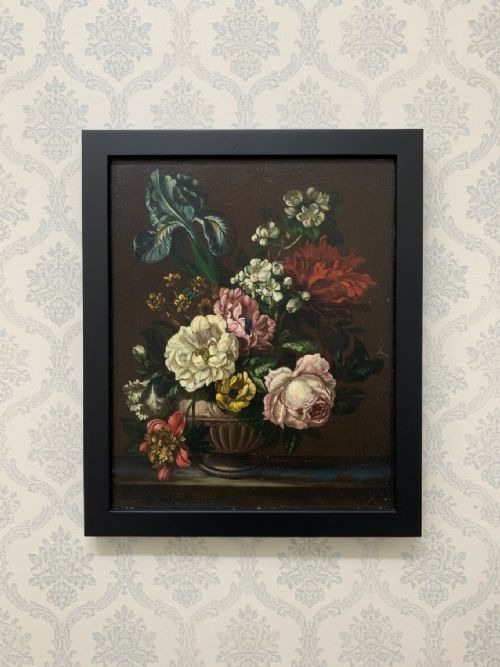
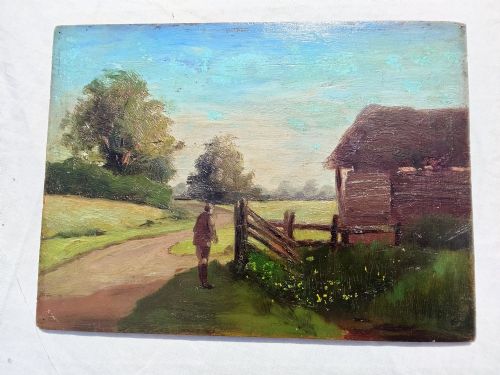
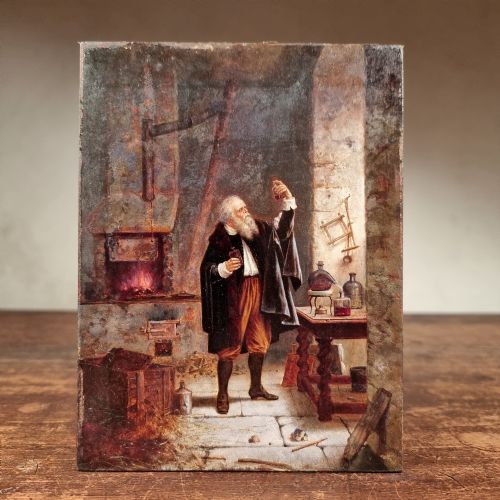
Buyers encountering this phrase most frequently discover oil paintings executed directly on wood panels or wooden boards from the eighteenth and nineteenth centuries.
The selection ranges from Dutch school still lifes and Scottish landscapes to portraits and interior scenes originating across Britain and continental Europe.
Materials and Construction
Artists applied oil paint directly onto prepared wood panels, including pine and various hardwoods, creating a durable painting surface.
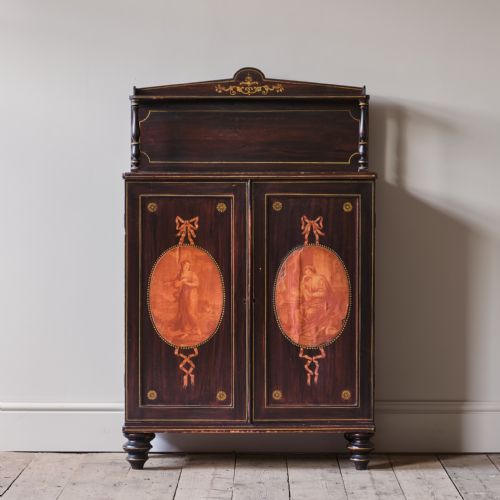
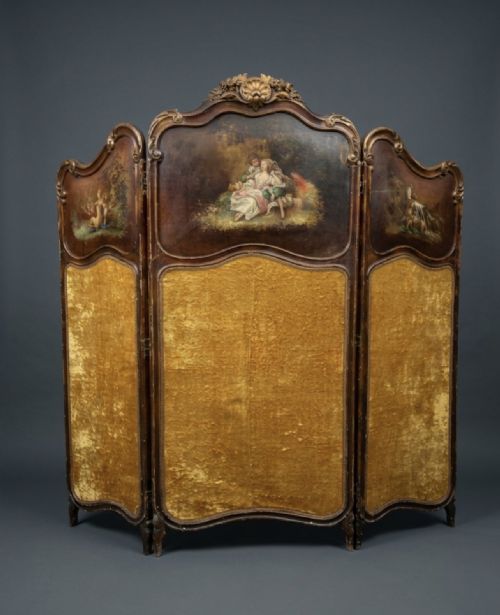
Makers utilised traditional mediums alongside brass or glass components in related furnishings and frames where painted panels formed decorative elements.
Listings span the 18th century, 19th century, and early 20th century, featuring oil paint on wood panel alongside related painted screens and cupboards.
Evaluating the Works
The sophistication of brushwork and the condition of the underlying wooden panel dictate the overall standard of each piece.
Works attributed to documented artists or established regional schools command greater interest than anonymous naive examples.
Tom Campbell·Michelangelo Meucci·Hans Temple·Théophile Emmanuel Duverger·Sir Thomas Lawrence
The Brown Wood Panel Painting Glossary
- Oil on panel
- A painting technique where pigment suspended in oil is applied directly to a wooden support. This method predates widespread canvas use and offers a rigid ground.
- Dutch School
- A grouping of artists working in the Netherlands, known for meticulous attention to domestic interiors and still life subjects. Their influence extended across subsequent centuries.
- Chiaroscuro
- The strong contrast between light and dark within a painting, used to create volume and dramatic focus. It defines many interior and portrait subjects.
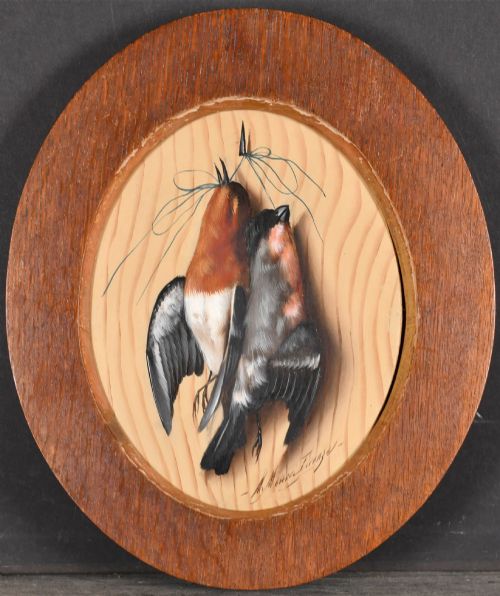
- Trompe l'oeil
- An artistic illusionistic technique designed to trick the eye into perceiving a painted object as three-dimensional. It appears in detailed still life compositions.
Brown Wood Panel Painting: Frequently Asked Questions
How should I clean a wood panel painting?
Dust the surface gently with a soft, dry brush without applying moisture or pressure. Avoid chemical cleaners entirely.
Consult a professional conservator for deeper cleaning to prevent damaging the historic oil paint and timber.
Why did artists paint on wood instead of canvas?
Wood panels provided a completely rigid and durable surface that held fine detail exceptionally well. Painters often preferred timber boards for smaller cabinet paintings and detailed still lifes.
Panels also required less preparation than woven textiles during specific historical periods.
How do I identify the wood type?
Examine the visible edges and reverse of the panel for grain patterns, weight, and colour variations. Common supports include pine and dense hardwoods.
Professional analysis can confirm the specific timber used by the maker.
Where should I hang these paintings?
Display wood panel paintings away from direct sunlight and steady heat sources to protect the timber and pigment. Stable indoor humidity prevents the wood from warping.
Mount the piece securely using appropriate hardware suited to its weight.