



Fox Hunt Oil Artwork
Fox hunt oil artwork captures the urgency and tradition of the chase through layered pigment and spirited brushwork.
Fox Hunt Oil Artwork
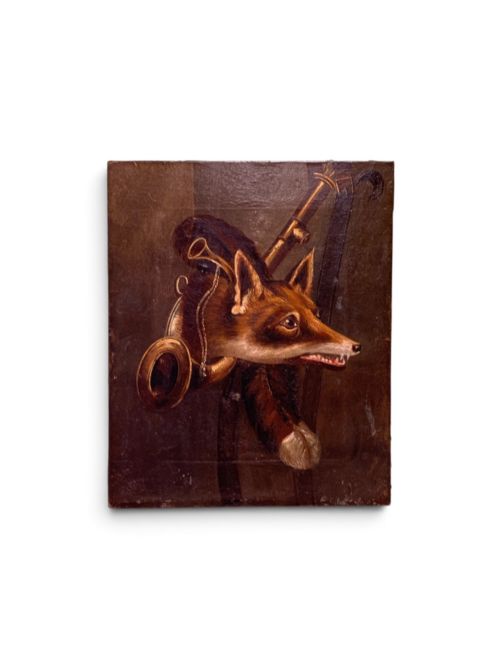
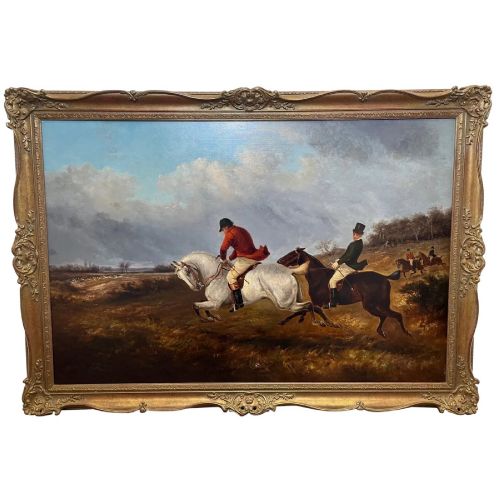
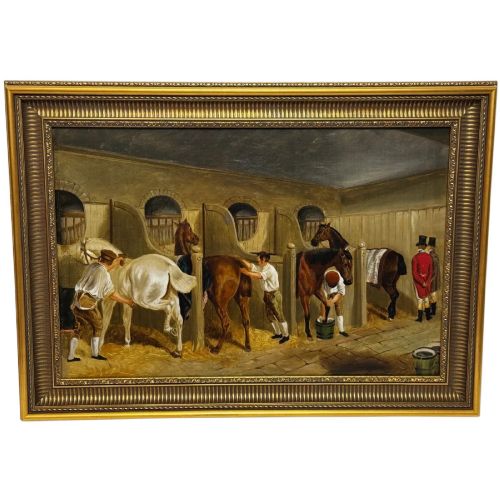
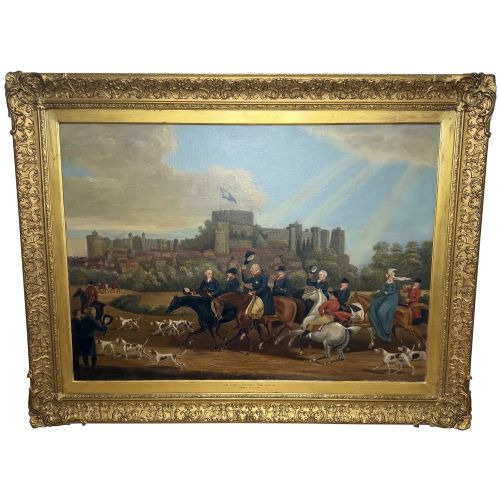
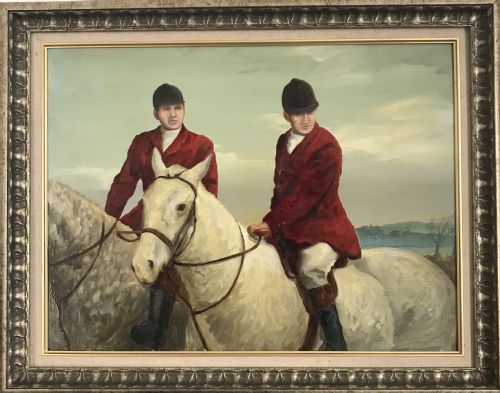
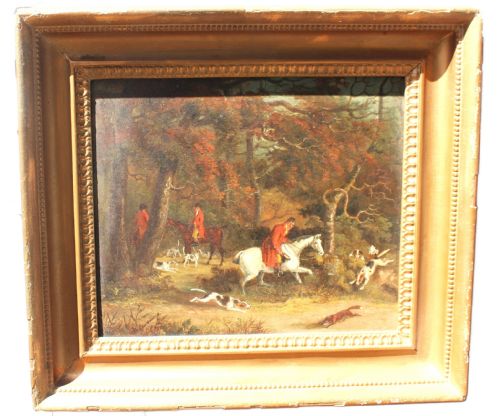
A fox hunt oil artwork is a painted depiction of equestrian pursuits, hounds, and country landscapes executed in oil paint. When you search for this phrase, you encounter canvases and panels populated by hunters, horses, and packs in full cry.
The versions most likely to meet you on this page date from the nineteenth century and the Victorian era, rendered in traditional British sporting art styles. These works range from expansive studies of the Berkeley Hunt to intimate portraits of hounds and individual riders.
Compositions often capture specific moments of the sport, such as the meet, the hot pursuit, or the death. Painters utilise oil on canvas or wood to record the texture of coats, the glint of gilt frames, and the damp atmosphere of winter fields.
What varies in quality
The division between ordinary and exceptional work rests upon the artist's command of anatomy and movement. Skilled painters render the straining muscle of a hunter and the alertness of a hound with anatomical precision, whereas lesser hands produce stiff, formulaic figures.
The integrity of the original surface and its framing also mark the hierarchy of examples. Canvases retaining their original stretchers, untouched paint layers, and period giltwood frames stand far above works marred by heavy relining or overpainting.
Materials recorded across the inventory include oil paint, canvas, wood panels, giltwood, and gold leaf.
Thomas Smythe·John Arthur Lomax·Philip Henry Rideout·George Armfield·Charles Faulkner·Fannie Moody·John Frederick Herring Jnr·John Sanderson-Wells·Guillaume Urban Régamey·George Goodwin Kilburne·Geoffrey Mortimer·Edward B Herberte
The Fox Hunt Oil Artwork Glossary
- Oil on Canvas
- A painting medium where pigments bound in drying oil are applied to a woven fabric support stretched across a wooden frame. This combination allows for rich colour blending and textured brushwork.
- Giltwood
- Wood that has been coated with a thin layer of gold leaf or gilt powder. It is commonly found on the ornate frames encasing nineteenth-century sporting paintings.
- Victorian Sporting Art
- A genre of painting popular during the reign of Queen Victoria that focuses on equestrian subjects, hunting, and rural sports. It emphasises accurate depiction of animals and countryside traditions.
- View Halloo
- The traditional shout raised by a huntsman upon sighting the fox. In painting titles, it denotes a scene capturing the sudden activation of the chase.
Fox Hunt Oil Artwork: Frequently Asked Questions
What subjects appear in these paintings?
These works depict equestrian scenes, hunting dogs, packs of hounds, and country landscapes. Riders on grey and chestnut horses feature prominently alongside wildlife.
Compositions often illustrate narrative moments from the hunt, including the initial meet, the pursuit across winter fields, and portraits of hounds.
How do I date a fox hunt painting?
Dating relies on stylistic markers, costume details of the riders, and the framing materials. Nineteenth-century works often employ heavy gilt wood frames and specific canvas preparations.
Signatures, artist records, and inscriptions on the reverse of the canvas or stretcher also provide clear chronological anchors.
Where were these artworks displayed?
Historically, sporting paintings hung in country houses, estate libraries, and dedicated smoking rooms. They served as celebrations of landed pursuits and horsemanship.
Today, collectors place them in traditional studies, living rooms, and hallways where their rich oil tones complement period interiors.
How do I care for an oil painting?
Preservation requires stable indoor humidity and protection from direct sunlight to prevent the oil paint from cracking or fading. Dusting should be done gently with a dry, soft brush.
Avoid using liquid cleaners on the canvas or the giltwood frame, as moisture damages both the pigment layers and the gold leaf.