
Vintage Spindle Back Seating
These vintage spindle back seating options bring practical vernacular charm to a room, offering honest construction and comfortable upright support.
Vintage Spindle Back Seating
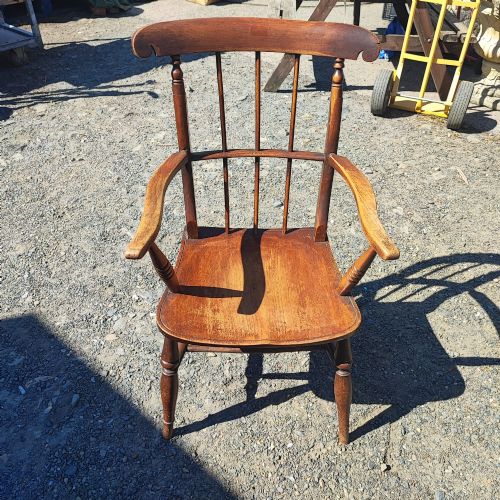
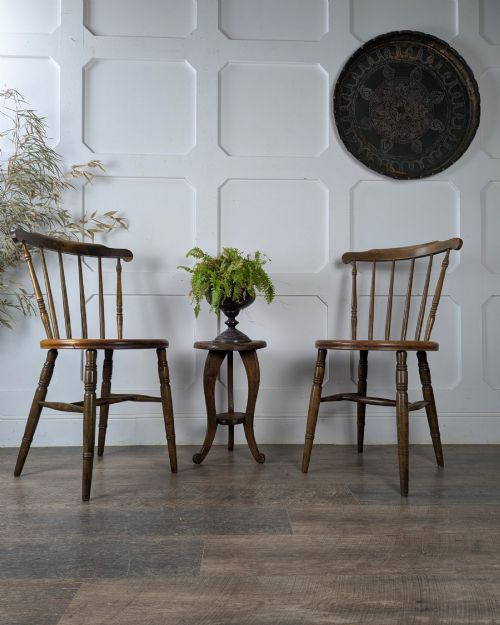
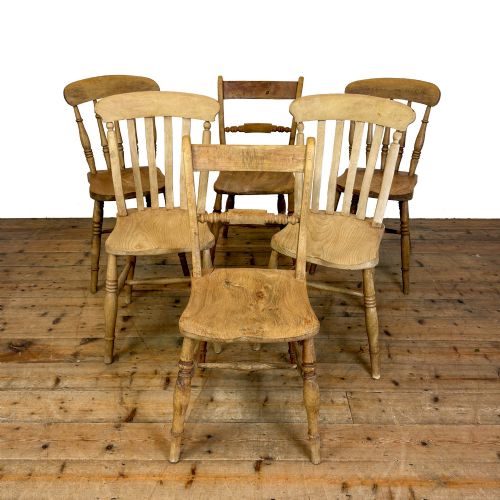
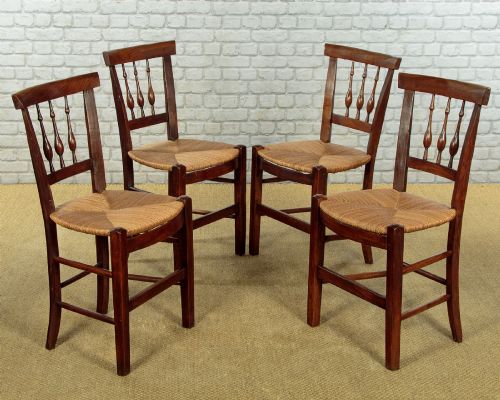
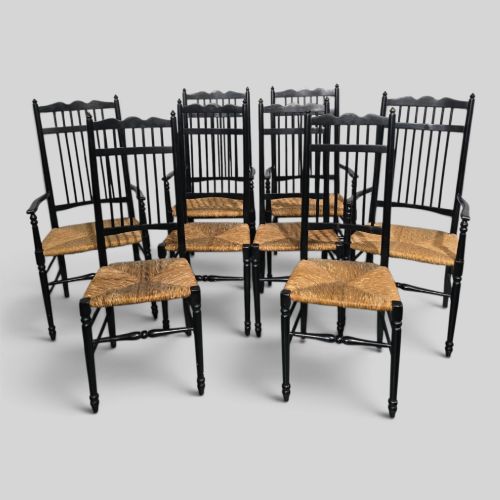
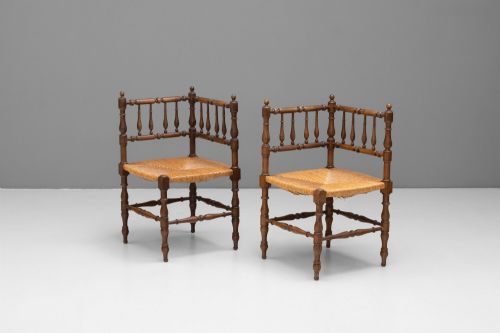
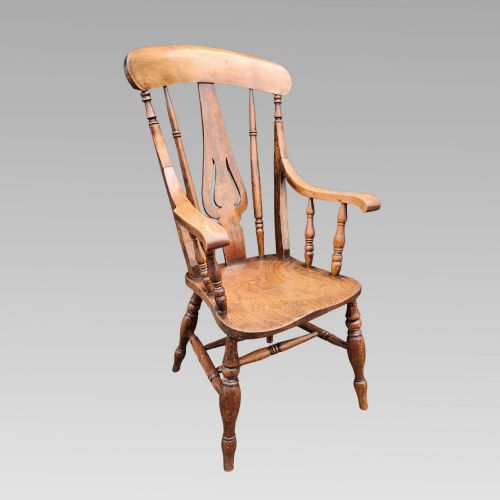
Vintage spindle back seating encompasses robust wooden chairs, armchairs, benches, and settles rooted in country vernacular traditions. Buyers seeking these pieces encounter traditional forms designed for daily utility in kitchens, dining rooms, and farmhouses.
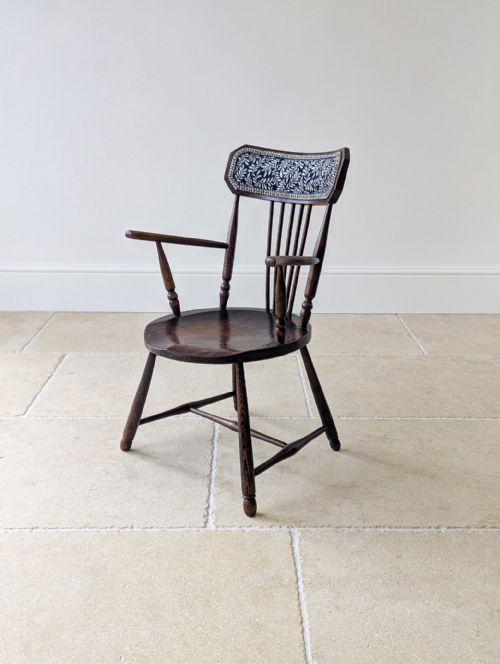
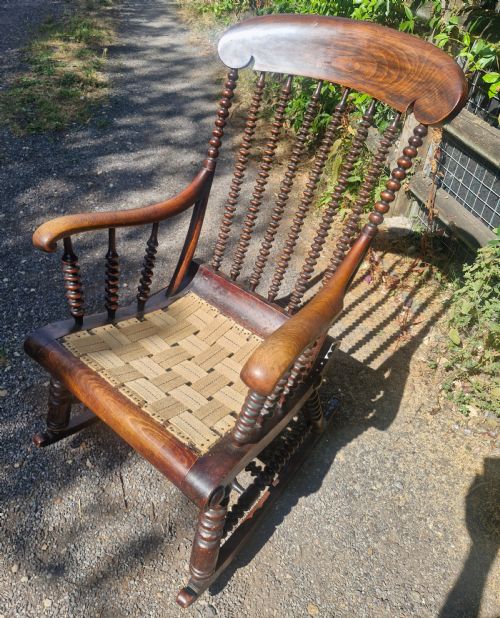
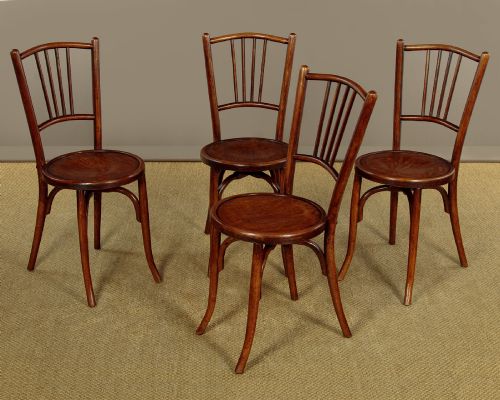
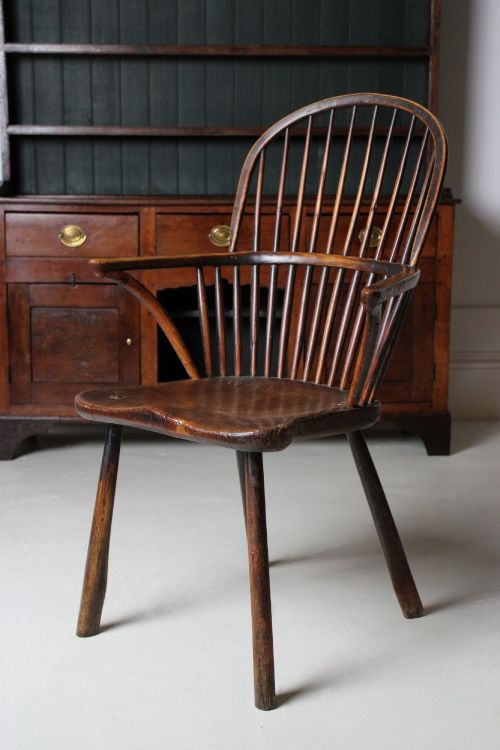
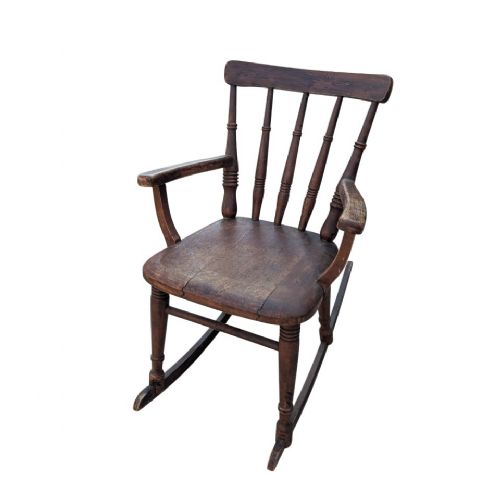
The selection on this page relies heavily on nineteenth-century and early twentieth-century examples spanning Victorian, Edwardian, and Georgian periods. Dining chairs, Windsor armchairs, and rocking chairs dominate the forms available.
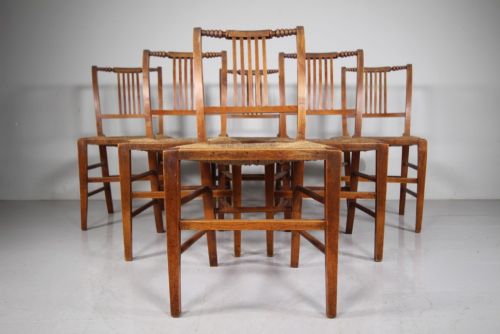
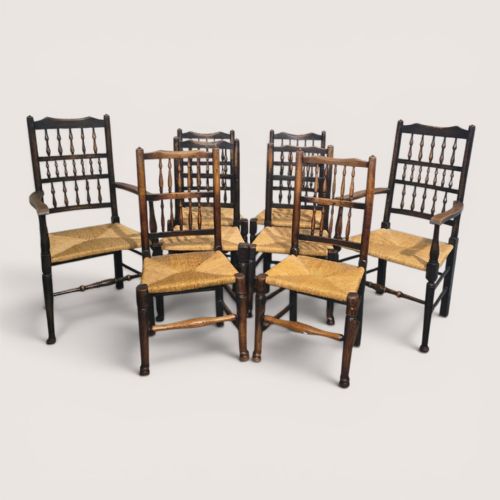
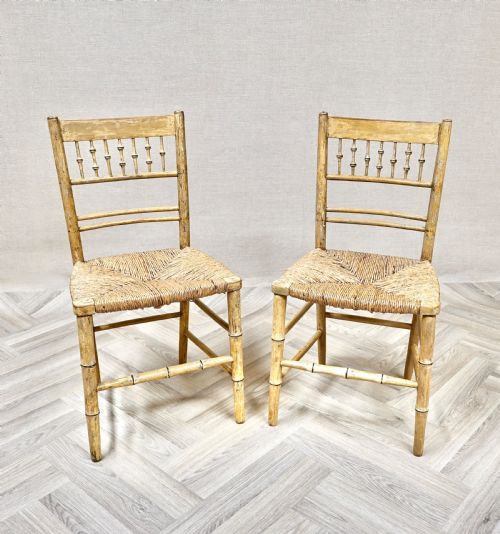
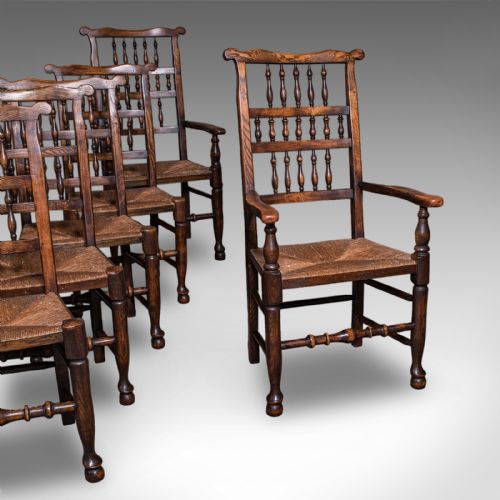
English country and rustic farmhouse aesthetics shape the majority of these listings, though regional variations include Hungarian benches and American seating. Sets of matching chairs sit alongside harlequin groups gathered together over time.
Materials and construction
Local timbers dictate the build of these chairs, with elm utilised for seats, ash for bent parts and spindles, and beech for turned legs and stretchers. Oak, pine, and birch also appear across specific regional forms.
Traditional joinery relies on turned spindles fitted into solid plank seats and steam-bent components shaping high or low backs. Rush, leather, and hide provide original seating surfaces on specific desk and dining variations.
Periods represented span from the Georgian era through Victorian and Edwardian decades into the early twentieth century.
What separates the fine from the ordinary
Quality rests in the integrity of the timber and the retention of original surface treatments, whether waxed pine, aged paint, or polished elm. Substantial thickness in solid plank seats and well-balanced turned components elevate a piece above standard utility items.
The harmony of matched sets versus assembled harlequin groups alters the character of dining seating. Structural survival without excessive replacement of spindles or legs preserves the historical honesty of each chair.
Codina·Morris and Co
The Vintage Spindle Back Seating Glossary
- Windsor chair
- A chair built with a solid wooden seat into which the legs and back spindles are bored directly. This form provides sturdy everyday support through steam-bent framing.
- Vernacular
- Objects built by local craftsmen for practical use rather than following strict academic design rules. These pieces reflect regional materials and traditional local techniques.
- Harlequin set
- A collection of dining chairs that share a general style and period while differing slightly in individual detail. Such groups accumulate organically rather than issuing from a single workshop set.
- Settle
- A high-backed wooden bench with solid arms and an enclosed base used to block draughts in older rooms. They offer communal seating alongside hidden storage box compartments.
- Rush seat
- A woven seating surface created from dried marsh grasses twisted into cords. This traditional method yields a flexible and supportive base for country dining chairs.
Vintage Spindle Back Seating: Frequently Asked Questions
How do I care for rush seats?
Keep rush seating away from excessive moisture and direct heat sources to prevent the natural fibres from becoming brittle.
Apply a light application of beeswax to the wooden framework while dusting the woven seat with a soft dry brush.
Can I mix these chairs with modern tables?
Spindle back chairs introduce warmth and tactile grain to contemporary dining spaces through their traditional silhouette.
Their varied wooden tones allow them to sit comfortably alongside glass, metal, or modern timber tables.
How do I identify a Windsor chair?
Look for a thick solid wooden seat that acts as the central anchor for both the undercarriage legs and the back spindles.
The absence of traditional box framing separates this construction method from standard framed dining chairs.
What is a harlequin set?
A harlequin set brings together individual chairs sharing similar heights, periods, or vernacular styles without forming an exact factory match.
This method mirrors how rural households naturally acquired and replaced seating over generations.