


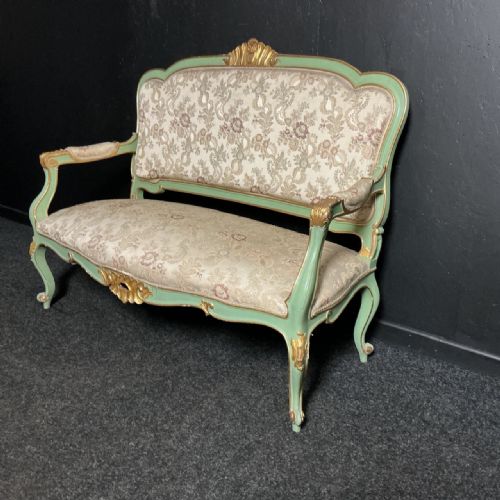
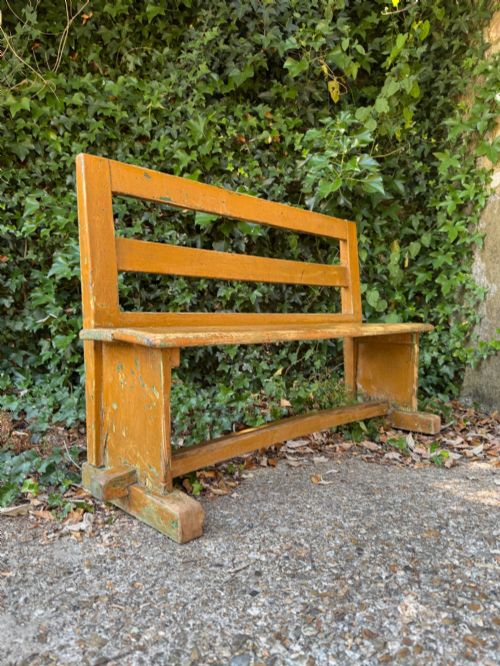
19th Century Painted Seating
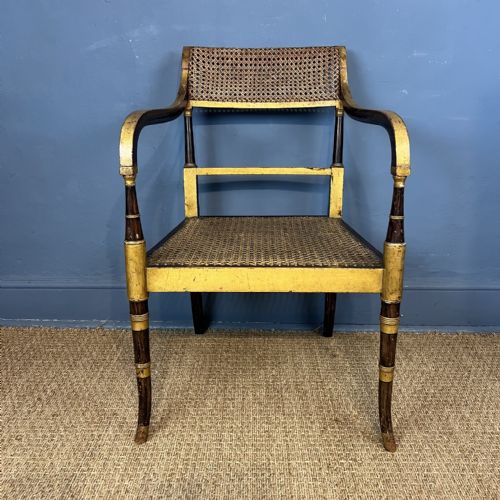
These pieces of 19th century painted seating bring colour and historical character to a room through centuries-old painted finishes on timber and iron forms.
19th Century Painted Seating
When you search for 19th century painted seating, you encounter a diverse range of furniture designed for both domestic interiors and outdoor gardens. The selection spans from rustic country stools and benches to formal neoclassical armchairs and salon seats.
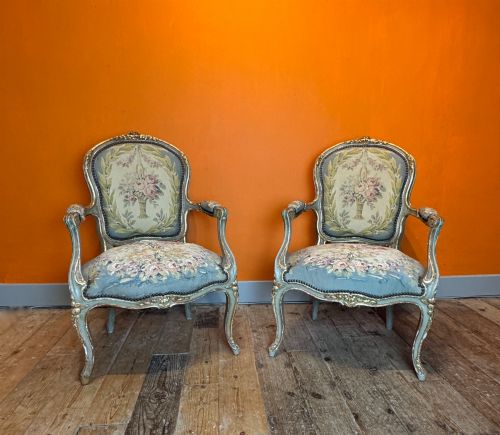
You are most likely to meet wooden chairs and benches finished in original paint, alongside cast iron garden seats and upholstered French armchairs. These pieces reflect regional traditions from across England, France, Italy, Sweden, and Eastern Europe.
The category encompasses specific seating forms such as window seats, hall chairs, settles, and milking stools. Each type carries the distinct decorative style of its period, ranging from Regency elegance to Victorian revivalism and Arts and Crafts simplicity.
Materials and construction methods
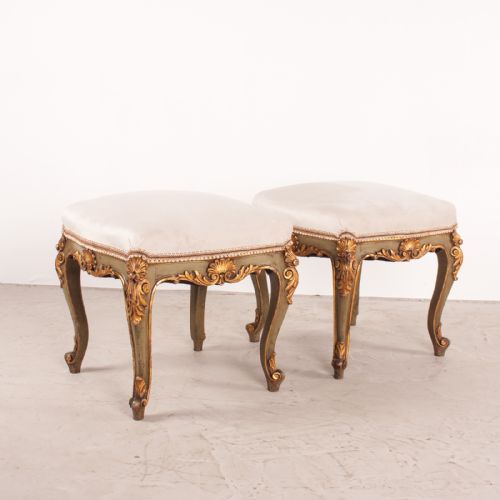
Makers utilised solid timbers such as pine, alongside cast iron and wrought iron, to build the foundational frames of these seats. Wooden surfaces received decorative treatments including layers of paint, parcel gilding, and faux finishes to imitate more expensive woods.
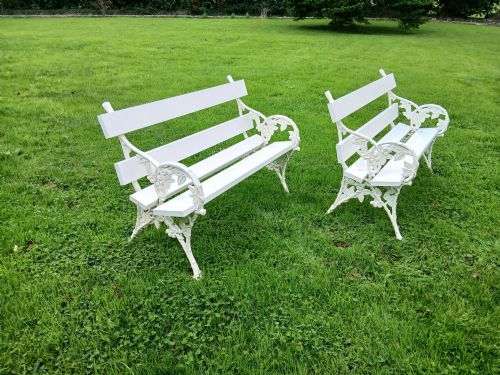
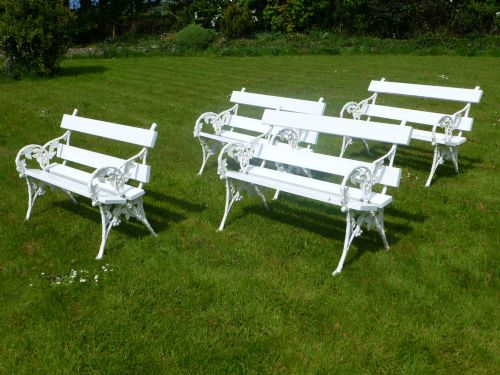
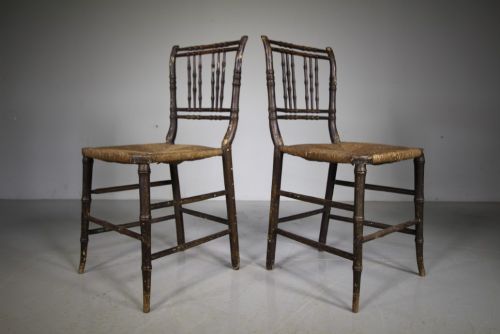
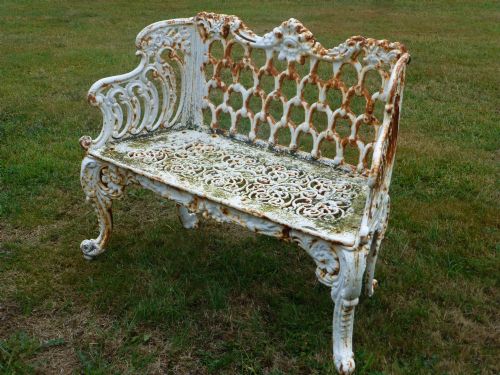
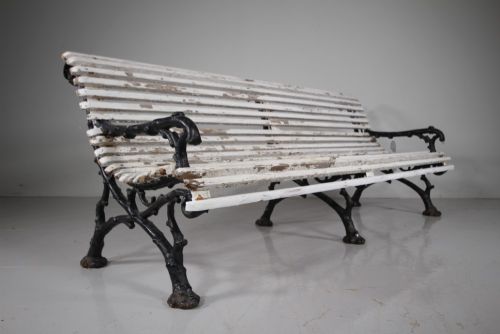
Outdoor metal benches employed sand casting techniques at ironworks like Falkirk Carron Foundry and Coalbrookdale to produce intricate plant and branch motifs. Interior chairs frequently featured woven cane, rush seats, or applied textile upholstery set within carved wooden frames.
Even iron garden benches occasionally pretended to be trees, wearing faux bois paint finishes to fool nineteenth-century guests.
Distinctions in quality
The survival and integrity of the original surface finish largely dictate the quality of a piece. Examples retaining their initial layers of paint or gilding hold greater historical interest than those stripped or repounded in later decades.
Construction methods and decorative ambition separate standard utility items from high-status commissions. Finely carved wooden details, balanced neoclassical proportions, and marked foundry ironwork distinguish the finest examples from simpler vernacular pieces.
Falkirk Carron Foundry·Morris and Co·Liberty of London
The 19th Century Painted Seating Glossary
- Parcel Gilt
- Wood or metal partially decorated with gold leaf applied over a prepared surface. This technique highlights carved details and creates contrast against painted areas.
- Fauteuil
- An open-framed wooden armchair with upholstered armrests, originating in France. These seats typically display carved woodwork and decorative painted finishes.
- Settle
- A wooden bench featuring a high back to block draughts, often incorporating a box storage compartment beneath the seat. They are frequently found in rustic and country interiors.
- Strapwork
- A decorative motif resembling interlaced leather bands or ribbons, often cast into iron garden benches or carved into wooden furniture.
- Faux Bois
- An artistic technique simulating wood grain applied to materials like cast iron. This finish gained popularity during the Victorian era for garden furniture.
19th Century Painted Seating: Frequently Asked Questions
How do I care for original painted wood furniture?
Keep wooden pieces away from direct sunlight and fluctuating humidity to prevent the paint from cracking or flaking. Clean surfaces gently with a dry or barely damp cloth without chemical solvents.
Wax or polish should only be applied if the specific paint type allows, as many historic finishes react poorly to modern cleaning products.
Were these iron garden benches painted originally?
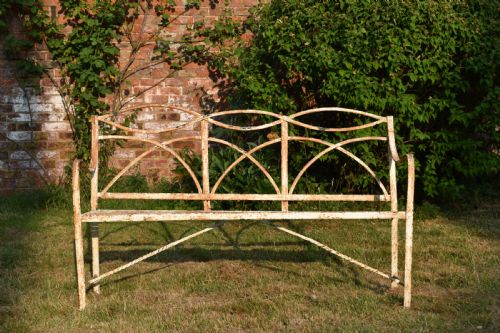
Cast iron garden seats from this era typically left the foundry with protective coats of paint to prevent rust. White, green, and dark tones were common choices for outdoor use.
Matching the original paint chemistry helps preserve the metal beneath while maintaining the authentic appearance of the piece.
What is the difference between a hall chair and a window seat?
Hall chairs feature rigid wooden construction with solid seats, designed for brief seating in entrance halls rather than long-term comfort. They often display prominent family crests or painted armorial bearings.
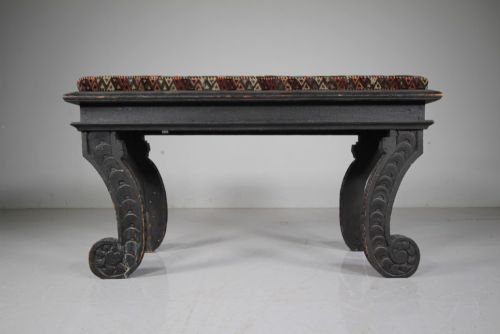
Window seats are built longer and shallower to fit beneath window recesses, often including upholstered tops or decorative painted frames for interior rooms.
How can I identify regional styles in country furniture?
Regional pieces often rely on locally available timber, such as pine in Sweden and various hardwoods in Eastern Europe or England. The choice of paint colour, from vibrant greens to muted ochres, reflects local domestic traditions.
Joinery techniques and tool marks further indicate whether a piece originated from a rural workshop or an urban cabinet maker.