



Spindle Back Accent Chairs
Spindle back accent chairs bring rustic charm and turned woodwork into contemporary rooms through centuries of regional craftsmanship.
Spindle Back Accent Chairs
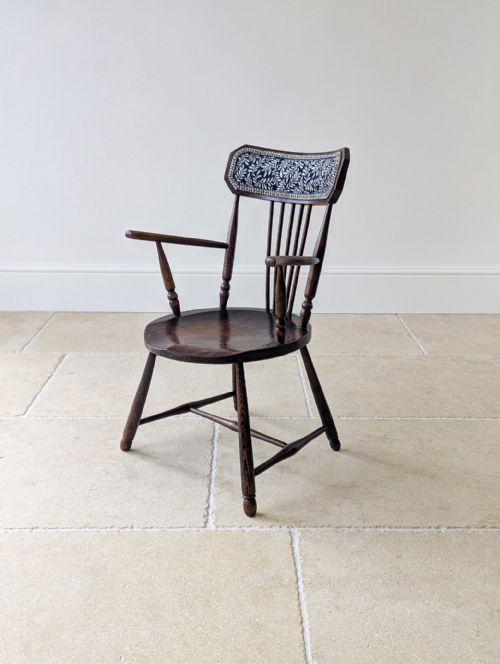
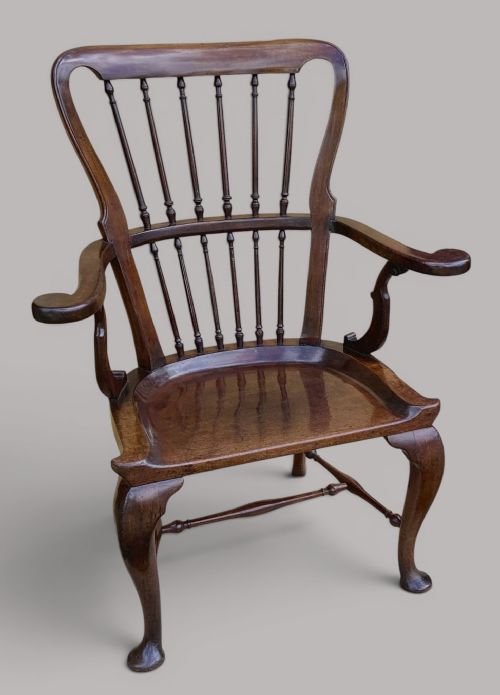
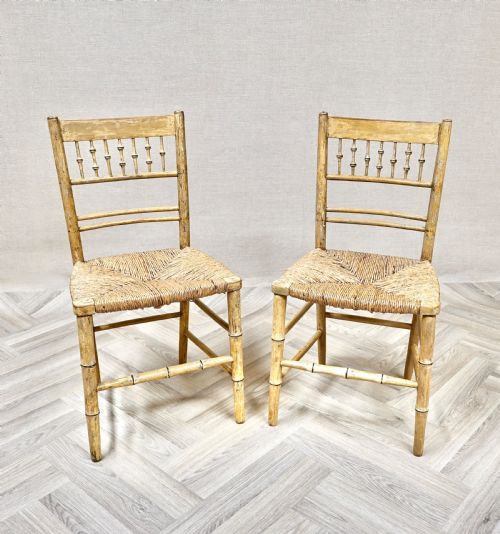
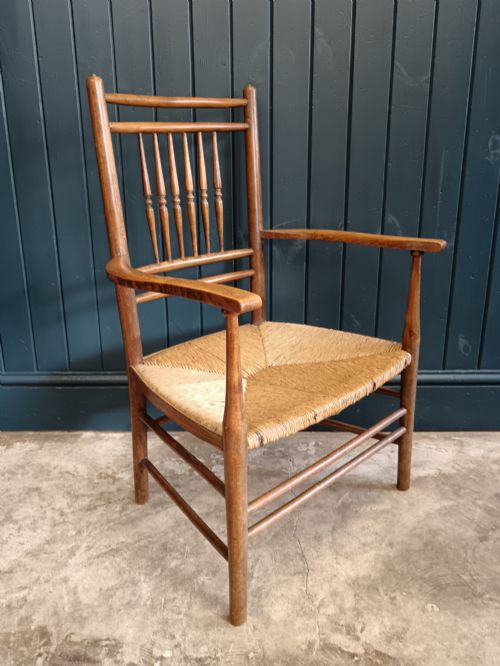
These seating pieces span vernacular country traditions and sophisticated design movements from the seventeenth century through the Edwardian era. When you search for spindle back accent chairs, you encounter forms ranging from robust Windsor armchairs to lightweight Arts and Crafts fireside seats.
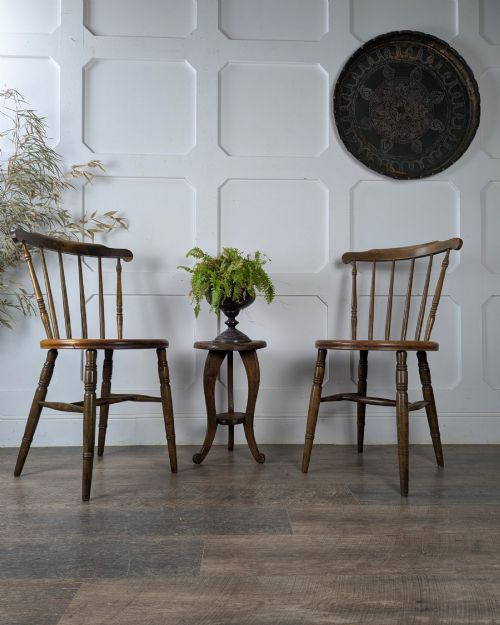
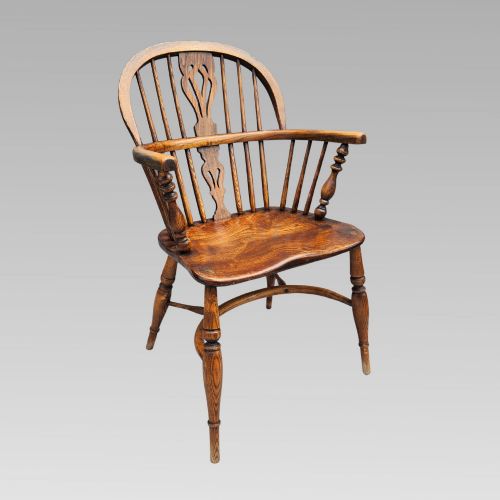
The selection on this page demonstrates remarkable variety in regional vernacular styles, including English country windsor chairs, Lancashire spindlebacks, and Swedish bobbin thrones. Makers utilised local timbers like elm, ash, and beech to construct functional seating with distinctive turned uprights.
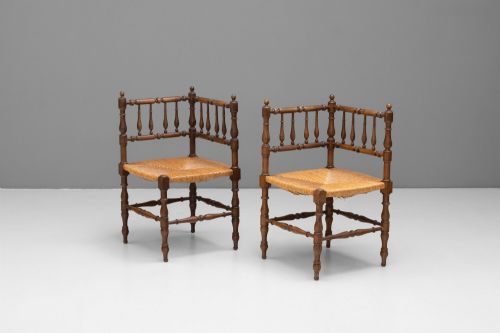
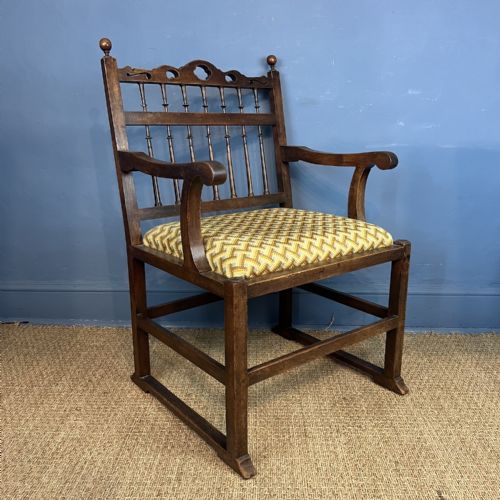
Forms vary from sturdy elbow chairs and rocking chairs to intimate nursing chairs and corner seats. Many incorporate rush or fabric seating panels, balancing structural turned woodwork with practical domestic comfort.
Materials and Construction
Craftsmen built these frames using native hardwoods such as oak, mahogany, fruitwood, and elm, often combining timbers within a single piece for structural strength. Beech and ash frequently provided the flexible material required for steam-bent components and slender turned spindles.
Turnery lathes shaped the vertical spindles and leg posts, whilst skilled joiners utilised mortise and tenon joints to secure the framework. Rush seating was tightly woven around seat rails, and upholstered variants employed traditional stuffing techniques beneath fabric or buttoned coverings.
Several chairs arrive with original paint or stubborn buttoned upholstery that has quietly witnessed centuries of household gossip.
Distinctions in Quality
Quality rests upon the crispness of the original turning and the integrity of the structural joinery holding the vertical spindles in place. Superior examples retain their original timber surfaces, whether polished mahogany or early painted finishes, without excessive replacement of parts.
The balance of proportions distinguishes finer workshops from provincial village production, particularly in the graceful curve of a Windsor bow or the refined taper of an Arts and Crafts upright. Original rush or upholstery work preserved in sound condition adds substantial merit to the piece.
E W Godwin·Liberty & Co·Liberty of London·Ford Maddox Brown
The Spindle Back Accent Chairs Glossary
- Spindle back
- A chair back constructed from a series of slender turned vertical wooden rods fitted between a top rail and seat. These components provide lightweight structural support while creating a rhythmic visual pattern.
- Windsor
- A chair style featuring a solid wooden saddle seat into which the legs, back spindles, and bow are separately socketed. This method creates a sturdy, unified construction typical of vernacular furniture.
- Rush seat
- A woven seating surface made from dried marsh grasses twisted into cords and hand-plaited across the chair frame. This traditional technique produces a resilient and tactile panel.
- Turnery
- The method of shaping pieces of wood by rotating them on a lathe while applying cutting tools. This process creates the decorative cylindrical profiles seen on chair legs and spindles.
- Arts and Crafts
- A design movement promoting hand craftsmanship and traditional materials in reaction to industrial manufacturing. Pieces from this era often emphasise exposed structural joinery and honest construction.
Spindle Back Accent Chairs: Frequently Asked Questions
What is a spindle back accent chair?
These are seating pieces defined by vertical turned wooden rods forming the backrest, combining decorative turned woodwork with functional domestic utility.
Originating in vernacular and stylistic traditions across the eighteenth and nineteenth centuries, they serve as decorative and practical seating in modern interiors.
How were antique spindle chairs used?
They functioned as fireside seating, bedroom chairs, and occasional accent pieces in parlours and studies. Specific variants like nursing chairs were built lower for convenience.
Rocking chairs and corner chairs provided specialised seating for relaxation or social conversation in period homes.
How do I identify the age of these chairs?
Age is determined by timber selection, tool marks from lathe turning, and construction methods such as wedged tenons or pegged joints. Stylistic cues like aesthetic ebonising or Arts and Crafts minimalism also point to specific decades.
Comparing the turned profiles and wood species against documented regional examples clarifies the likely period of manufacture.
Can I use an antique spindle chair daily?
Most sturdy elm, ash, and oak examples remain fully capable of everyday domestic use when structural joints are stable and secure. Lighter decorative pieces require more careful placement.
Checking the tightness of the spindle sockets and the condition of rush or fabric seats ensures safe long-term enjoyment.