

Vintage Spark Screen
These vintage spark screen pieces protect rooms from stray embers while adding period character to a hearth.
Vintage Spark Screen
A vintage spark screen serves as a protective barrier before an open hearth, preventing hot embers from reaching the room. When searching for this phrase, buyers encounter various forms designed to shield living spaces from domestic fires.
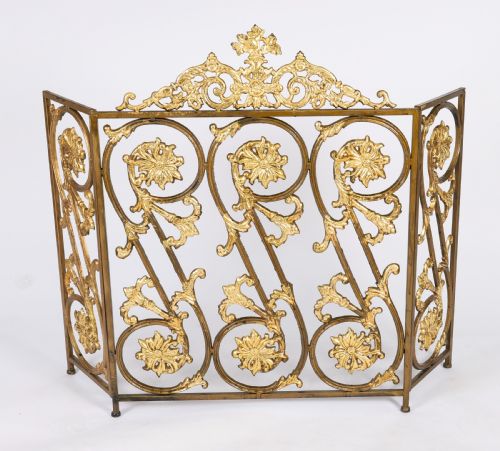
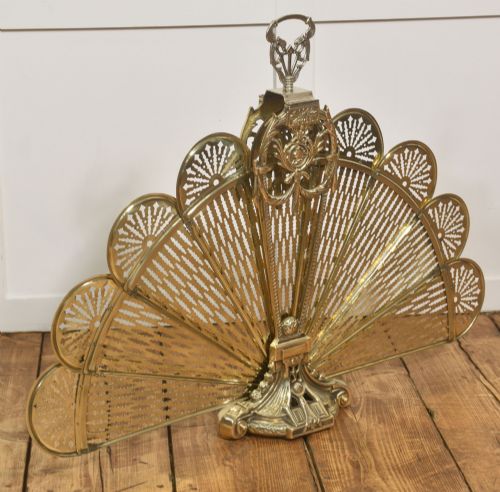
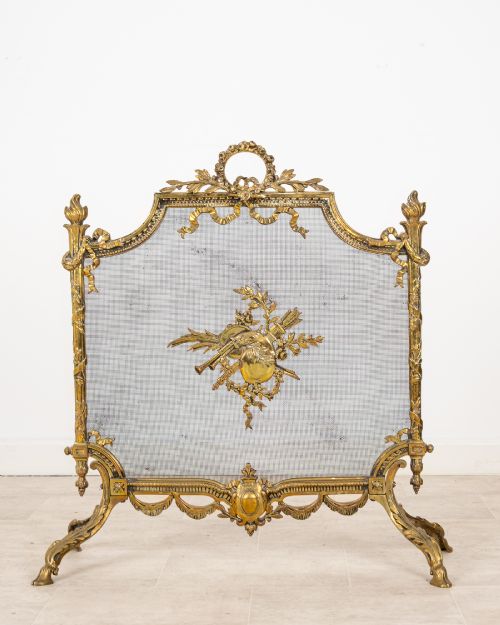
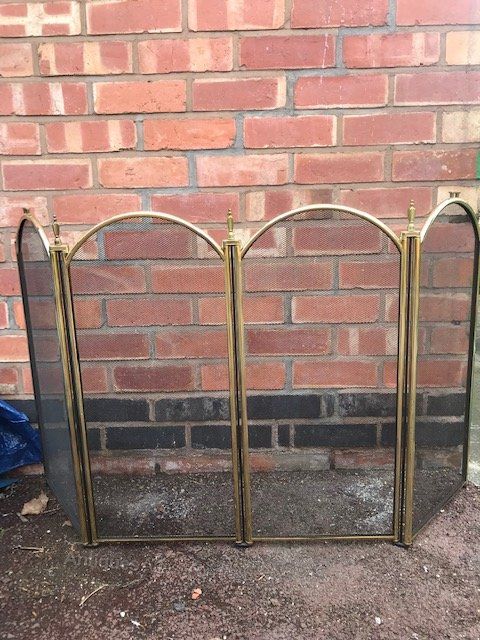
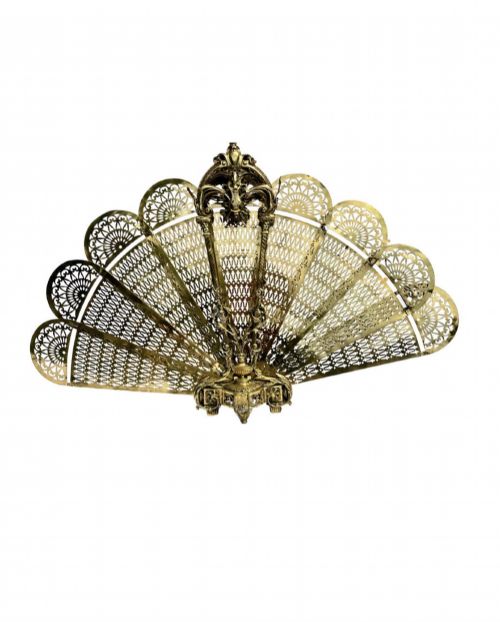
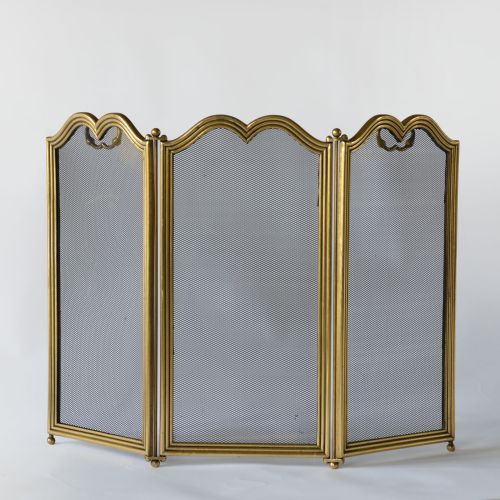
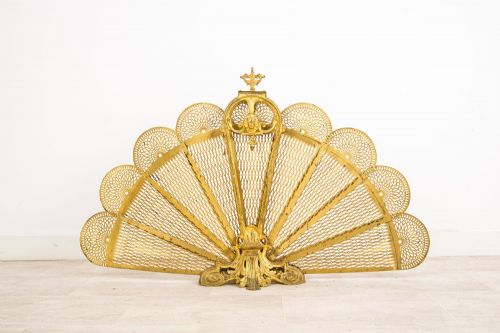
The pieces appearing on this page span the nineteenth century through the early twentieth century, including the Victorian and Edwardian eras. Common formats include folding wire guards, rigid brass panels, and expanding peacock fan designs.
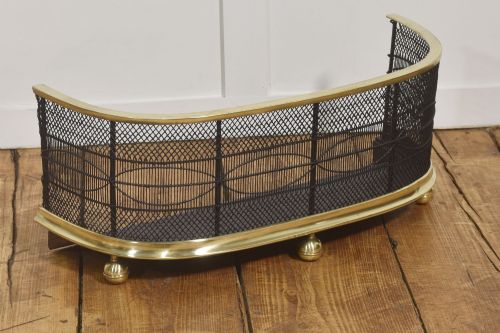
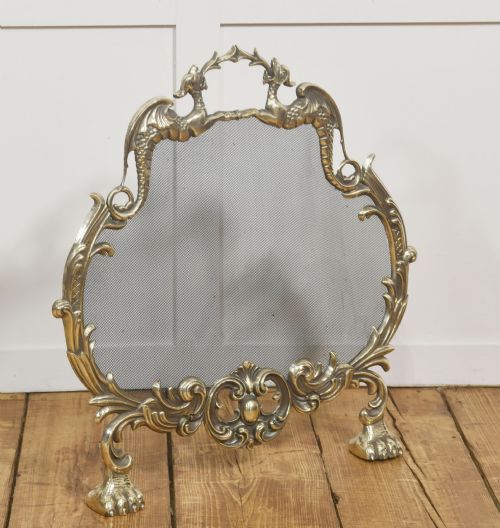
Origin styles range from English Arts and Crafts and Gothic revivals to French Louis designs and Rococo revivals. Buyers often find folding brass mesh spark guards and nursery fenders among these listings.
Materials and construction methods
Metalwork dominates these items, utilising brass, wrought iron, copper, and gilt bronze. Artisans shaped these metals into rigid frames, decorative grilles, and fine wire mesh panels.
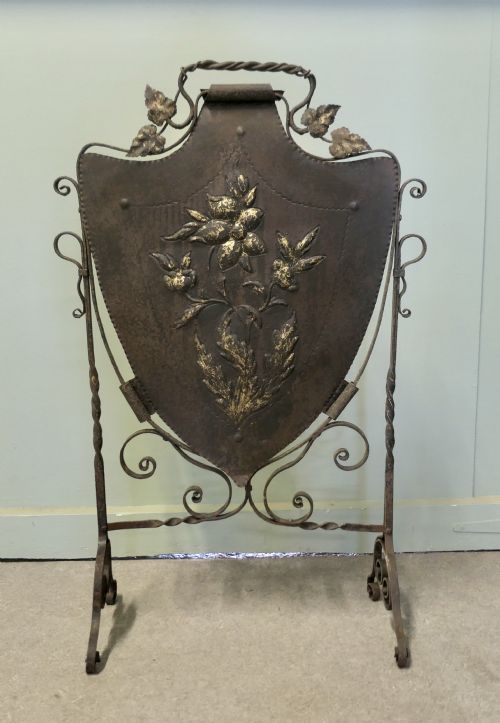
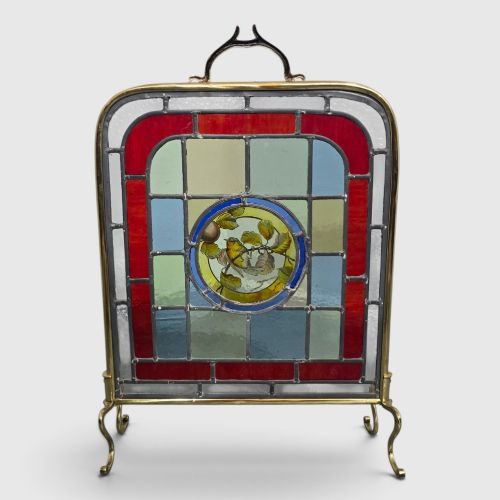
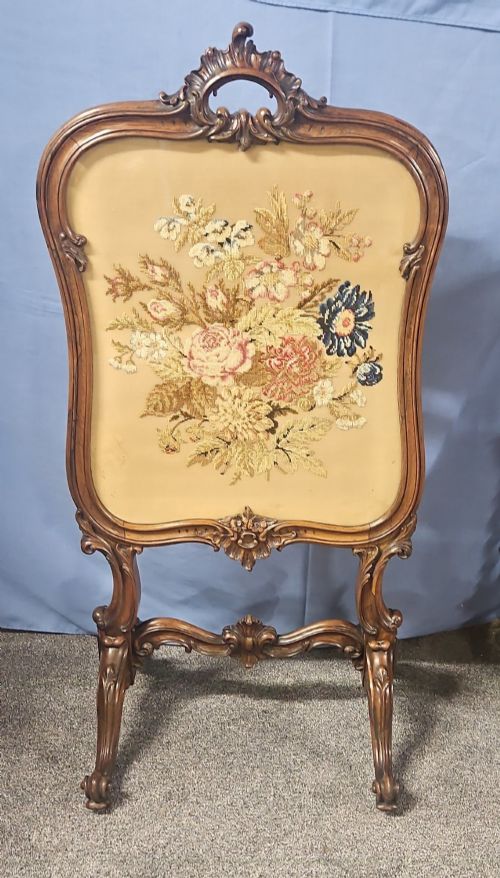
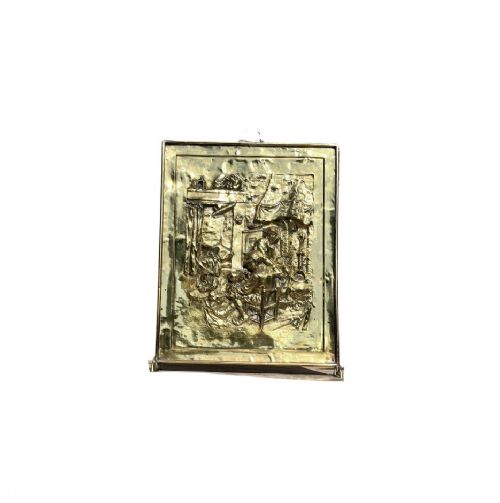
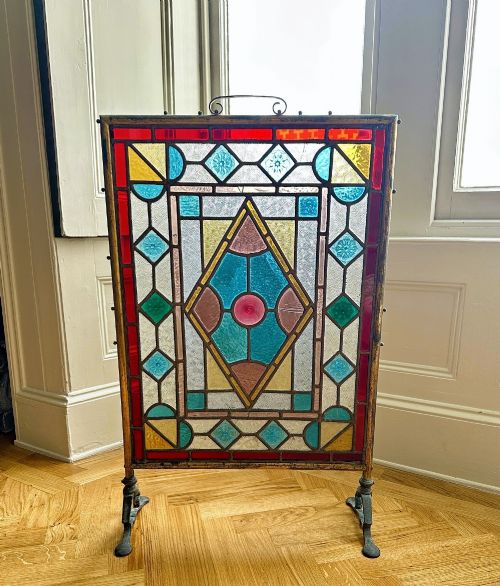
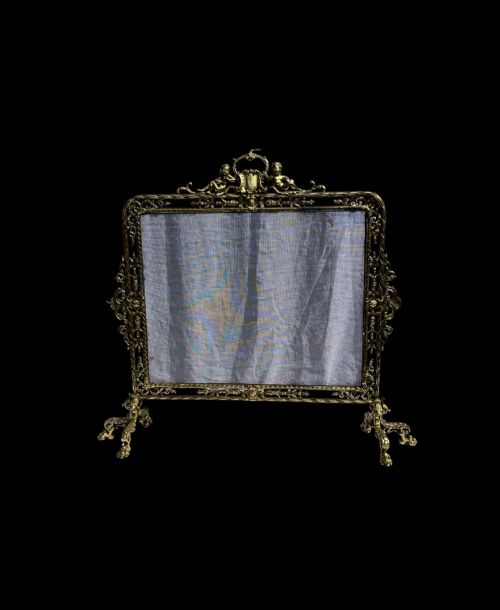
Decorative elements involve embossing, chasing, piercing, and stained glass insertions. Some examples combine wood such as oak and walnut with metal frames, or incorporate bevelled cut glass and mirrors.
Distinctions in quality and execution
Quality separates through the weight of the metal and the crispness of chased or pierced details. Superior examples exhibit substantial cast bronze or heavy brass construction rather than thin stamped sheet metal.
The integrity of the hinges on folding sections and the secure attachment of wire mesh demonstrate superior craftsmanship. Finer pieces incorporate refined decorative motifs, such as classical trophies or detailed floral repoussé work.
The Vintage Spark Screen Glossary
- Spark guard
- A protective wire mesh or metal barrier placed in front of an open fireplace to contain flying embers. These guards often feature folding side panels or nursery dimensions.
- Nursery fender
- A low metal barrier enclosing a hearth to keep children and pets at a safe distance from the fire. They frequently incorporate a mesh spark screen or a built-in clothes rail.
- Peacock fan screen
- A firescreen composed of rigid metal blades that pivot open into a semicircular fan shape. This design folds flat when the fireplace is not in use.
- Repoussé
- A metalworking technique where the artisan hammers the design from the reverse side to form raised ornamentation on the front. This method appears on many copper and brass hearth panels.
- Ormolu
- Gilded bronze ornamentation applied to decorative metalwork and furniture mounts. This finish is frequently found on French revival fireplace accessories.
Vintage Spark Screen: Frequently Asked Questions
What is a spark screen used for?
A spark screen blocks flying embers and sparks from escaping an open fire onto carpets and flooring. It sits directly in front of the hearth during use.
Beyond safety, these screens conceal an empty fireplace during warmer months, providing decorative metalwork to the room.
How do I measure for a spark screen?
Measure the width and height of your fireplace opening, ensuring the screen extends beyond the edges to offer complete coverage. Account for any protruding hearth stones or uneven floor surfaces.
Folding designs and multi-panel guards offer flexibility if you need to adjust the width to fit your hearth space precisely.
What is a nursery fender?
A nursery fender is an enclosed metal barrier taller and wider than a standard hearth guard, designed to keep children away from flames. They often feature fine wire mesh and sturdy iron or brass frames.
Many period examples include built-in rails originally intended for airing laundry or warming garments near the fire.
How do I care for brass and copper screens?
Dust metal frames regularly with a soft, dry cloth to prevent grime accumulation on the intricate brass or copper surfaces. Avoid abrasive cleaners that strip historic patinas.
Check wire mesh and hinges periodically to ensure the structure remains stable and secure during everyday use.