



Vintage Silver Wine Pail
These vintage silver wine pail examples combine heavy glass, oak and plated metal to chill bottles with period elegance.
Vintage Silver Wine Pail
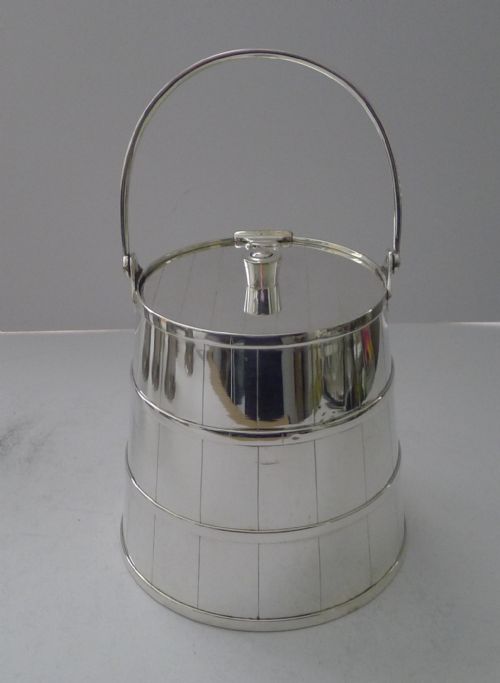
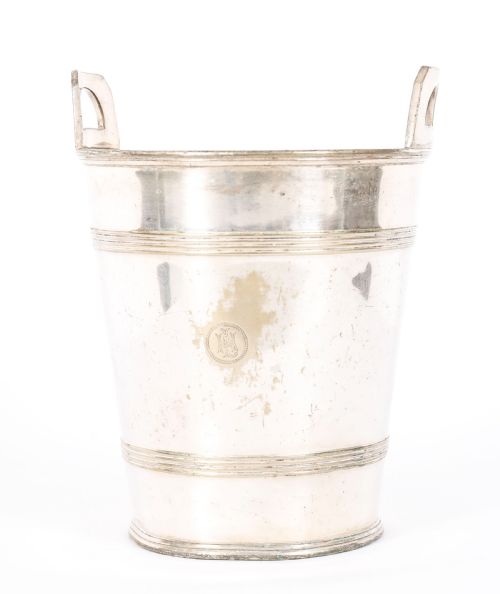
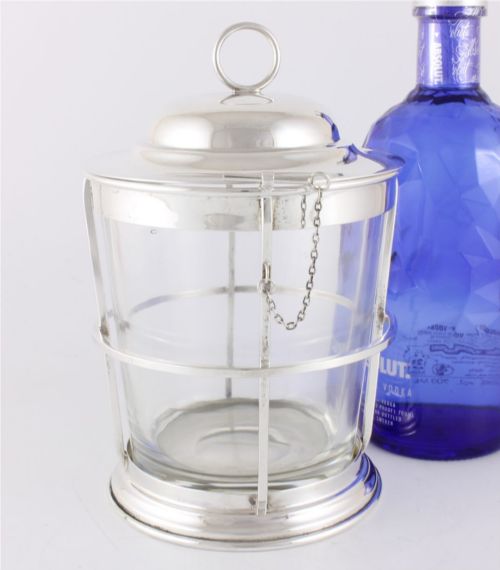
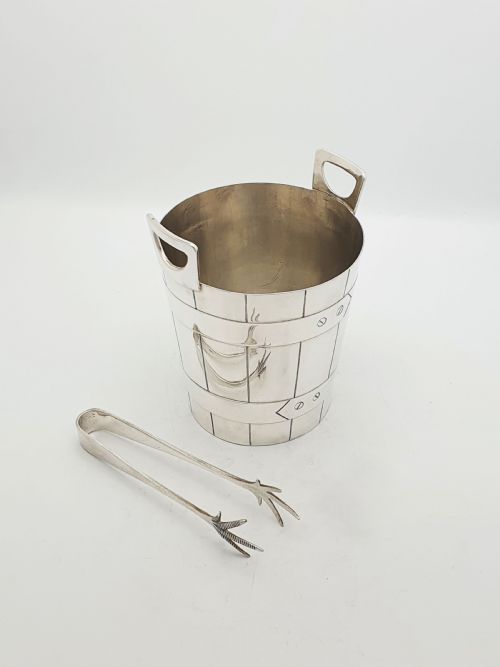
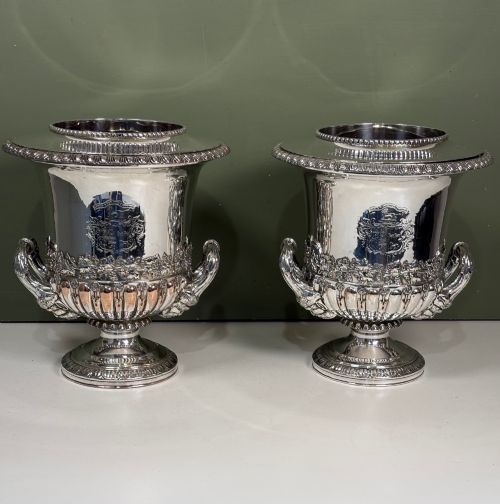
When you search for a vintage silver wine pail, you encounter ice buckets, champagne coolers, barware and biscuit barrels dating from the nineteenth century through the mid-century period. These vessels serve to chill wine or hold ice at the table, taking forms such as barrels, lidded pails, ship's lanterns and classical coolers.
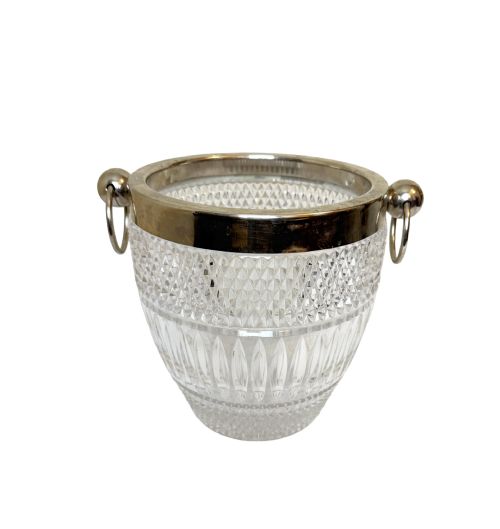
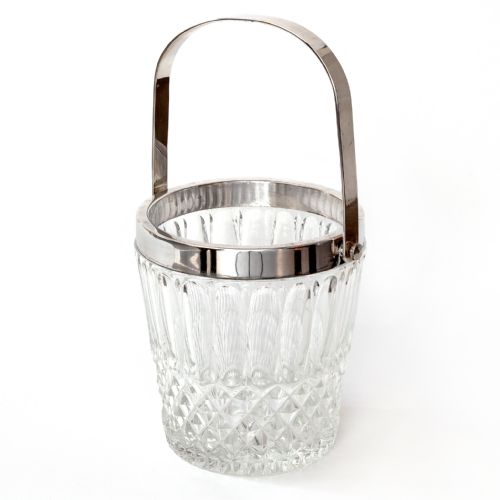
The versions you meet most often on this page combine silver plate or Old Sheffield plate with cut glass, lead crystal, ceramic creamware or oak bodies. Examples range from Victorian Rococo Revival pieces and Edwardian designs to Art Deco items and Italian Neoclassical creations.
Makers and firms from England, France and Italy produced these items using metals alongside glass and wood. Their forms span simple cylindrical buckets to heavily embossed champagne coolers and novelty biscuit boxes.
How they were made
Makers combined silver plate, Old Sheffield plate and solid silver with glass liners, lead crystal bodies, oak staves and copper. Cut glass and heavy lead crystal insert bowls fit securely within plated metal frames, whilst ceramic creamware liners appear in wooden examples.
Techniques include heavy embossing, chased surface decoration and casting applied details such as cherubs and dolphins. Smiths constructed wooden barrels with oak staves bound in plated bands, and silversmiths shaped sheet metal over copper cores for early Old Sheffield plate pieces.
Listings span the nineteenth century, Victorian, Edwardian, Art Deco and mid-century periods, utilising silver plate, cut glass, oak and lead crystal.
What varies in quality
The weight of the metal and the thickness of the silver plating distinguish the better examples from standard production. Heavy lead crystal bodies and substantial oak construction indicate superior manufacturing standards compared to lighter plated vessels.
Design complexity and maker attribution elevate certain pieces, particularly those bearing the marks of recognised silversmiths or design houses. Embossed detailing, cast sculptural mounts and matched components such as original draining spoons or claw tongs also set particular examples apart.
Hutton Sheffield·PH Vogel·Dawson·Christofle·Matthew Boulton and Co·Luc Lanel·Macabo·IMA
The Vintage Silver Wine Pail Glossary
- Old Sheffield plate
- A method of fusing a thin sheet of silver to a thicker copper base by heat and pressure. This technique predates modern electroplating and produces a warm tone where the copper base occasionally shows through at high points.
- Silver plate
- A layer of silver deposited onto a base metal substrate through electrochemical processes. Most Victorian and twentieth-century barware utilises this durable method.
- Lead crystal
- Glass containing metal oxide that increases weight, brilliance and clarity. It withstands thermal shock from ice and provides heavy structure for champagne buckets.
- Creamware
- A fine earthenware developed in the eighteenth century with a pale yellowish-cream glaze. It functions as an internal liner in wooden stave buckets.
- Biscuit barrel
- A covered ceramic or glass container mounted in metal plating used for storing dry biscuits. Several double as ice buckets in nineteenth and early twentieth-century dining.
Vintage Silver Wine Pail: Frequently Asked Questions
How do I clean a silver plated ice bucket?
Wash the piece gently in warm soapy water using a soft cloth, avoiding abrasive pads that damage the thin silver layer. Dry thoroughly with a lint-free cloth to prevent water spots.
Polish sparingly with a dedicated silver cream only when tarnishing appears. Remove glass or ceramic liners before washing to protect wooden bases and metal mounts.
Can I use these ice buckets for daily dining?
These vessels withstand regular use at the table for chilling wine or holding ice cubes. Their sturdy construction in glass, crystal and metal suits modern entertaining.
Take care with wooden staves and vintage plating by avoiding prolonged soaking in water. Dry the interior completely after each use to preserve the metal and internal liners.
What is the difference between Old Sheffield plate and silver plate?
Old Sheffield plate involves fusing a sheet of silver to a copper core through heat and mechanical pressure before shaping the item. Electroplated silver applies a coating to a base metal using electrical current.
Old Sheffield plate pieces usually date from the late eighteenth to the mid-nineteenth century. They display a characteristic soft lustre and occasional copper showing at exposed edges.
How do I date a silver wine pail?
Examine the stylistic indicators such as Art Deco geometric lines, Victorian embossing or Edwardian proportions. Materials like heavy lead crystal, oak staves and cut glass also correspond to specific manufacturing eras.
Look for maker stamps, retailer marks and registry numbers stamped on the base. Comparing the construction methods to known design periods helps narrow the production date.