

Vintage Silver Vessel
A vintage silver vessel brings functional elegance to any room, offering tangible links to historical dining and barware traditions.

Vintage Silver Vessel
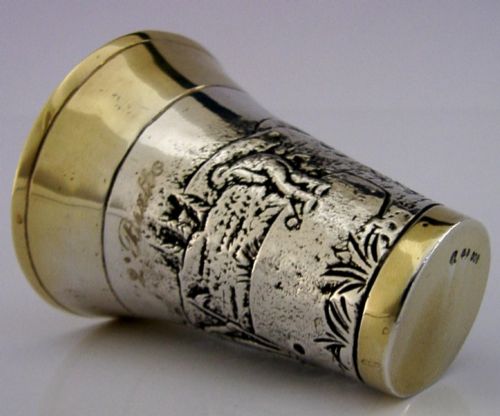
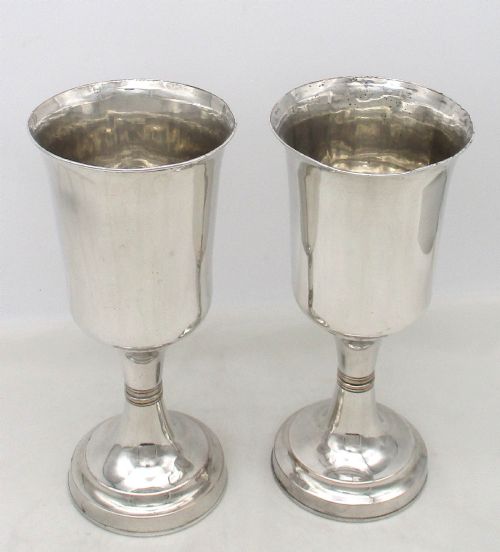
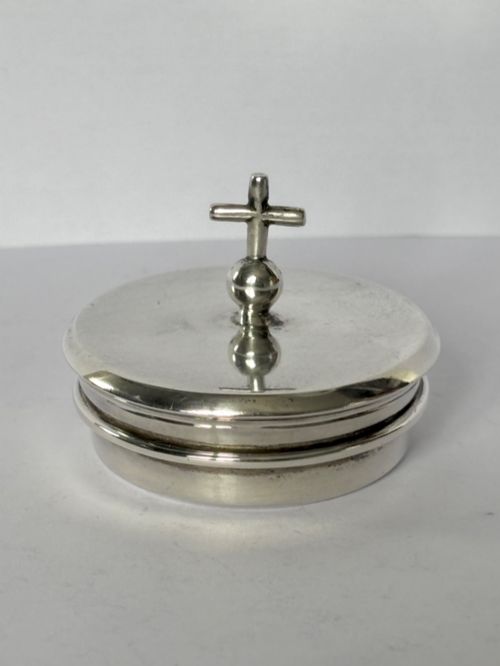
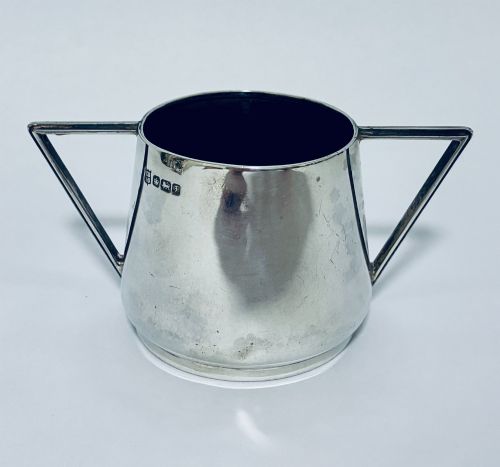
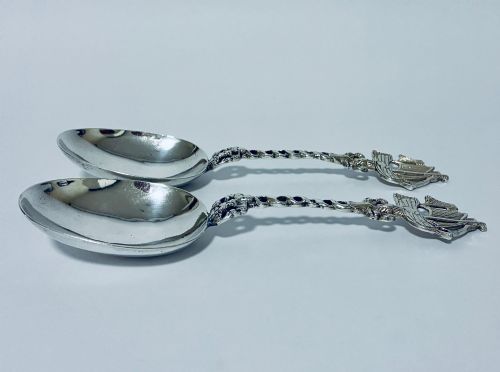
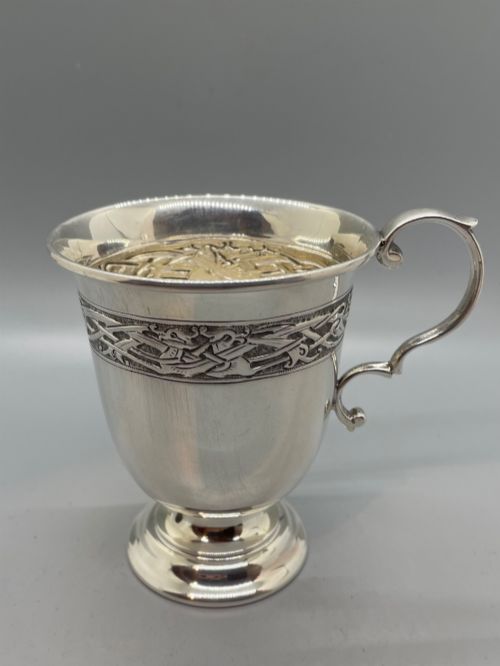
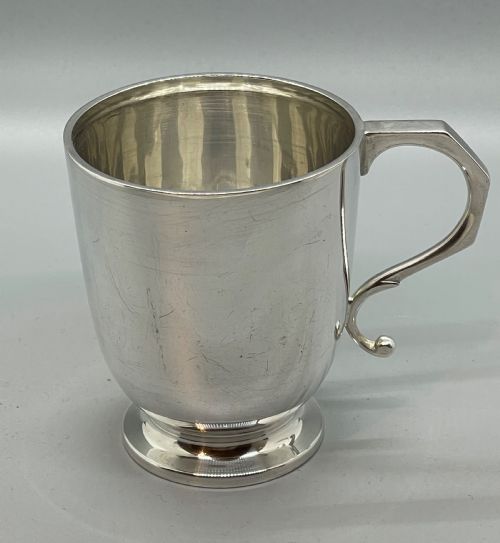
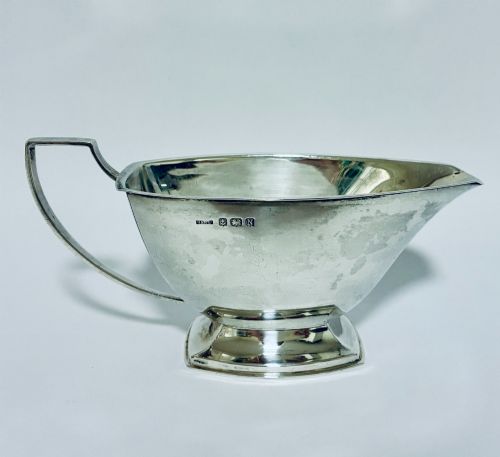
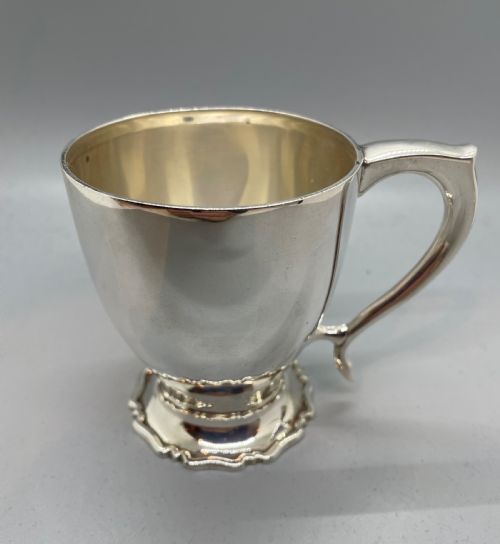
A vintage silver vessel encompasses a wide range of hollowware found on this page, spanning drinking vessels, pouring jugs, and decorative containers. Buyers searching this phrase encounter items designed for practical household use, formal dining, and social gatherings.
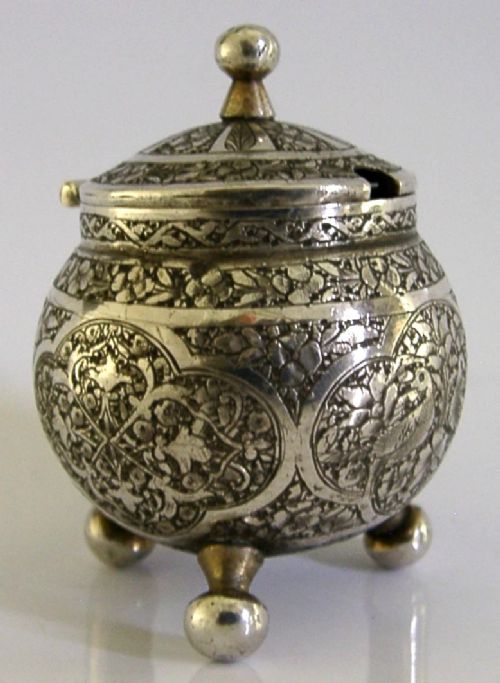
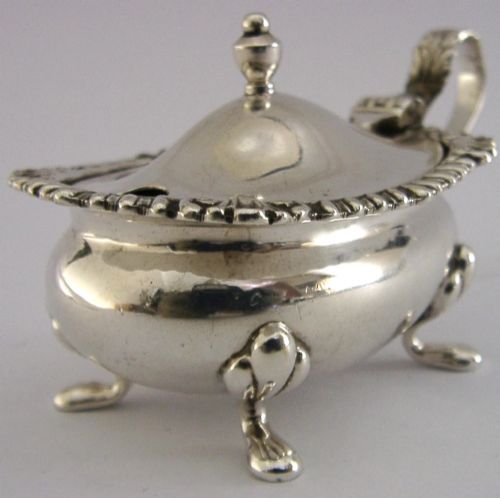
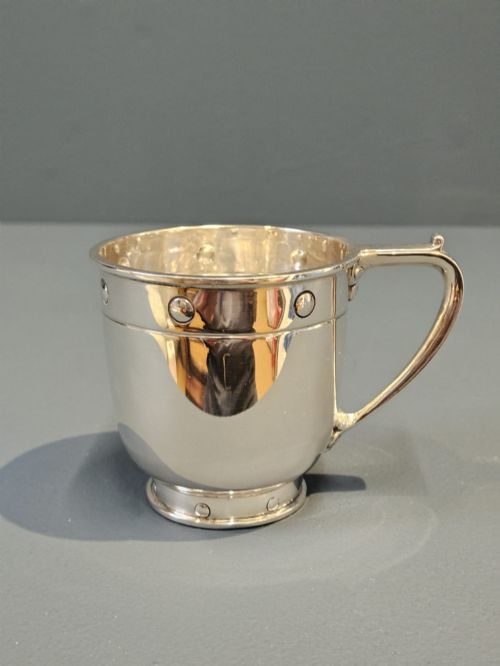
The selections here highlight domestic metalwork originating from the nineteenth century through the mid twentieth century. Pieces range from heavy sterling silver christening mugs and mustard pots to silver plated claret jugs and decorative bowls.
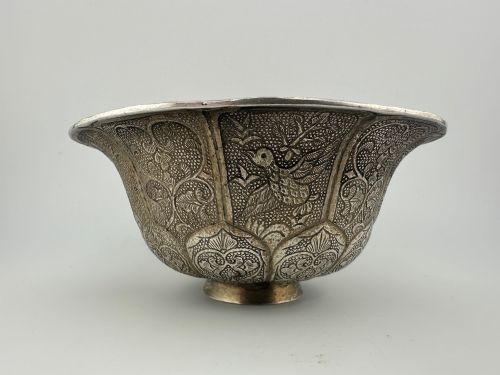
Makers and manufacturers utilised various global traditions, producing Anglo Indian bowls, Islamic mustard pots, and European barware alongside standard British domestic forms. This variety gives collectors access to both utilitarian tableware and specialised novelty items.
Materials and methods of manufacture
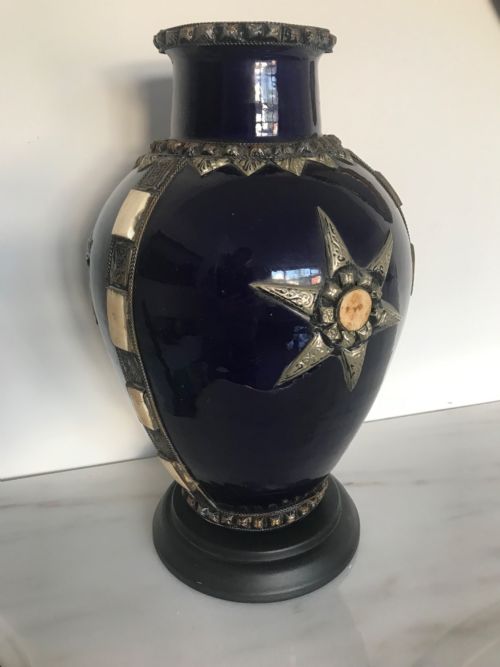
Metals form the core of these objects, utilising sterling silver, solid silver, and silver plate laid over base metals like copper and brass. Makers also combined metals with cut glass liners, glazed ceramic bodies, and terracotta to create contrasting textures.
Manufacturing techniques combine traditional smithing, casting, and piercing with applied decorative elements such as silver cabochons and metal inlay. Sheffield plating and applied mounts demonstrate the prevalent workshop methods of the nineteenth and twentieth centuries.
Listings feature materials including sterling silver, silver plate, cut glass, copper, glazed ceramic, and brass.
Distinctions in quality and execution
Quality separates objects by the weight of the metal utilised and the crispness of applied ornamentation such as pierced work or surface inlay. Substantial gauge silver and robust internal glass liners indicate higher tier production.
The reputation of the maker or silversmithing firm, alongside clear hallmarks indicating town and date, elevates a piece. Better examples maintain structural integrity and balanced proportions across handles, lids, and bases.
Barker Bros·F. Osborne & Co London·Johann Loetz·Walker & Hall·Padley Parkin & Staniforth
The Vintage Silver Vessel Glossary
- Sterling silver
- A silver alloy containing 925 parts of silver per thousand by mass, standard for British domestic silver.
- Silver plate
- A layer of silver fused or electroplated onto a base metal core such as copper, brass, or nickel silver.
- Hollowware
- Tableware items such as bowls, jugs, tankards, and pots that are hollow in construction rather than flat.
- Hallmark
- An official stamp applied by an assay office to indicate the purity of metal, maker, and year of production.
- Quaich
- A traditional Scottish two handled drinking vessel, typically shallow and circular in form.
- Claret jug
- A pourer designed for wine, usually combining a glass body with a silver or plated mount, handle, and hinged lid.
Vintage Silver Vessel: Frequently Asked Questions
How do I clean tarnished silver vessels?
Use a specialised silver polish and a soft cloth to remove tarnish gently without damaging the metal surface or applied details.
Avoid abrasive scouring pads or harsh chemical dips, which can strip thin silver plating or damage integrated glass and ceramic liners.
Are these vessels safe for daily use?
Many solid silver and plated vessels remain functional for holding liquids or dry goods, provided they receive careful hand washing.
Items featuring fragile glass inserts, delicate handles, or historic gilding are better suited for display rather than everyday dining.
How can I date a silver vessel?
Examine the stamped hallmarks or maker marks on the metal body, which typically indicate the assay office, standard, and specific year of manufacture.
Stylistic cues such as Art Deco geometric lines or Edwardian piercing also help narrow down the period of production.
What is the difference between solid silver and silver plate?
Solid silver objects consist of precious metal throughout their entire structure, marked with standard purity guarantees like sterling.
Silver plated items feature a thin outer layer of silver over a base metal foundation such as copper or brass.