
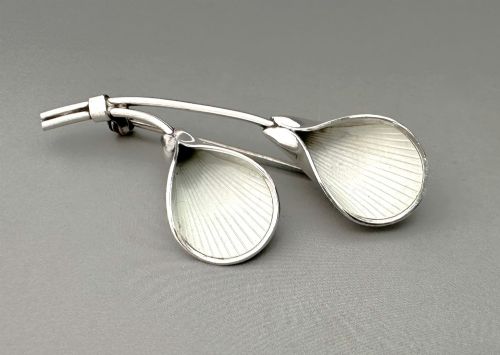
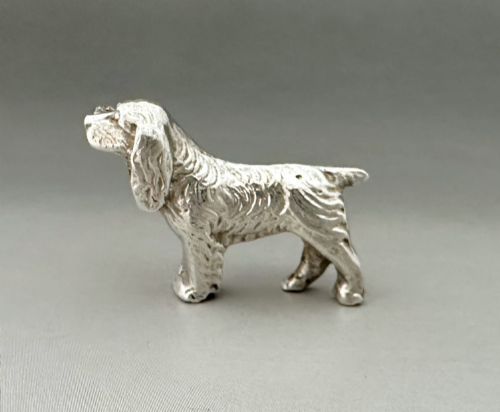
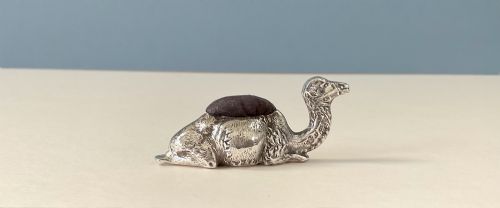


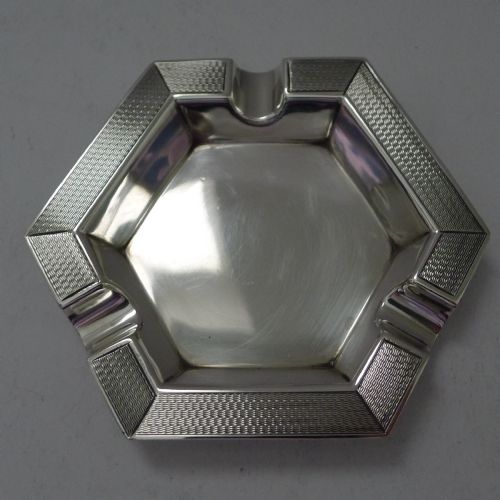
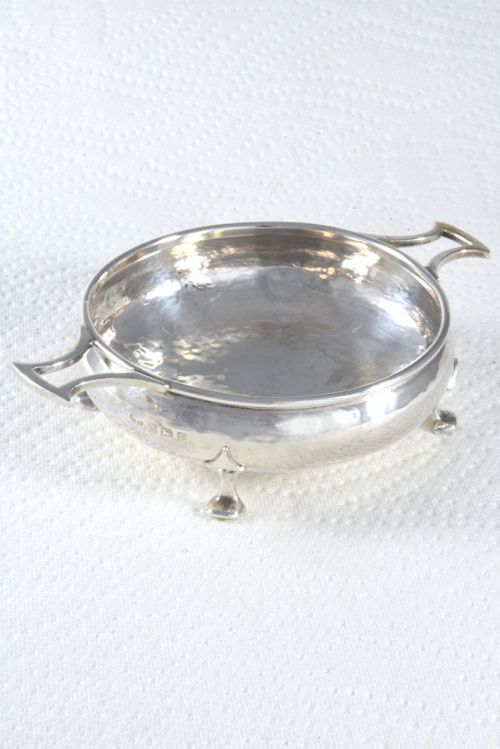
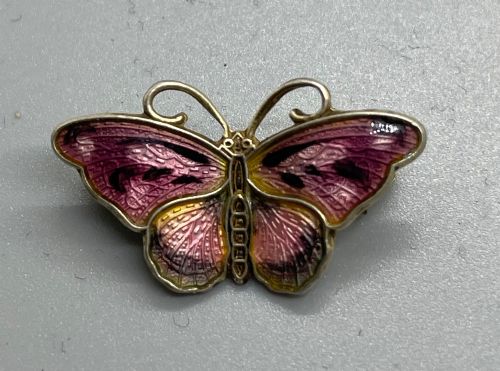
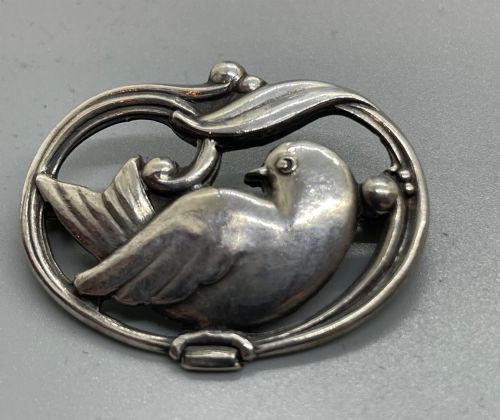
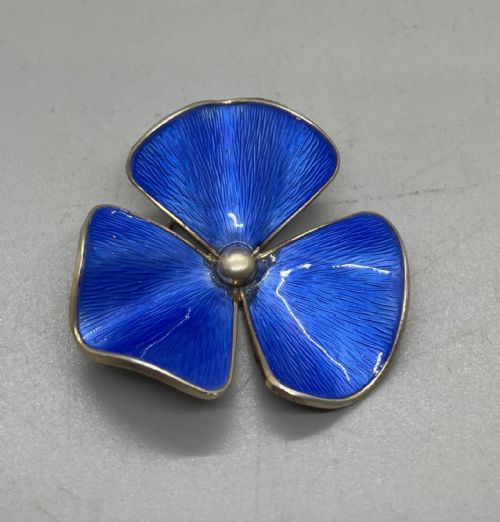
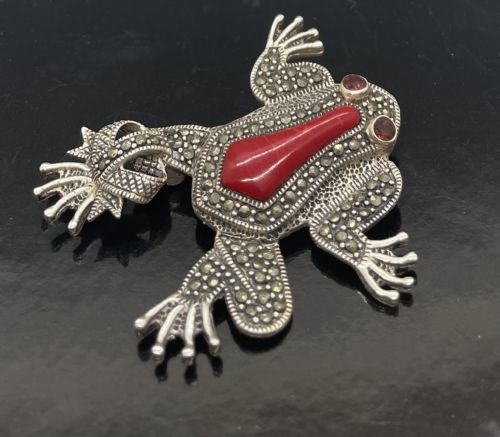
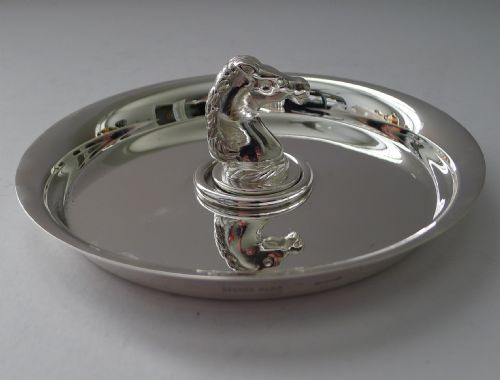
Vintage Silver Pin
These vintage silver pin designs bring together mid-century craft and enamel work, offering collectors a wearable piece of history.
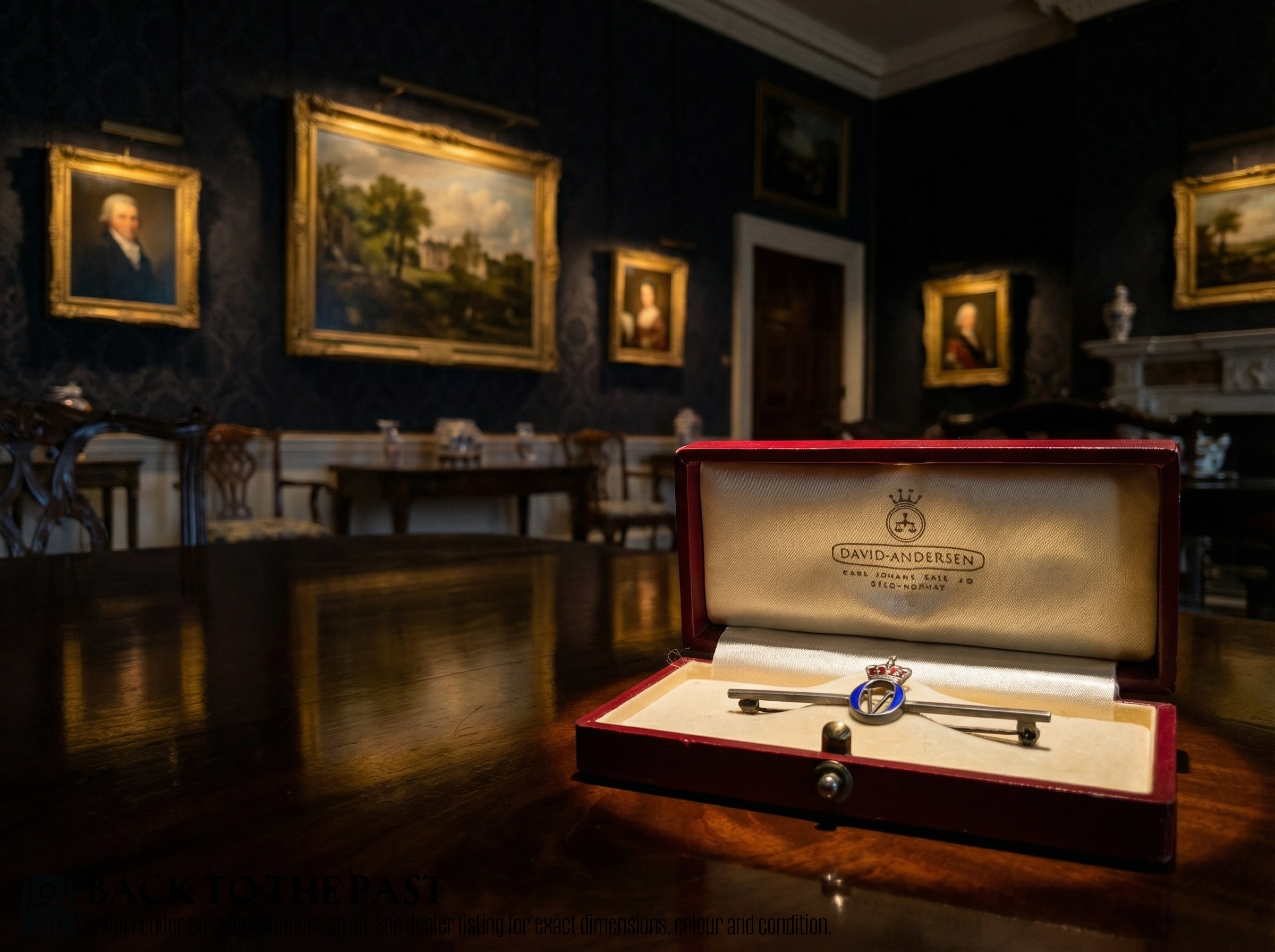
What a vintage silver pin is
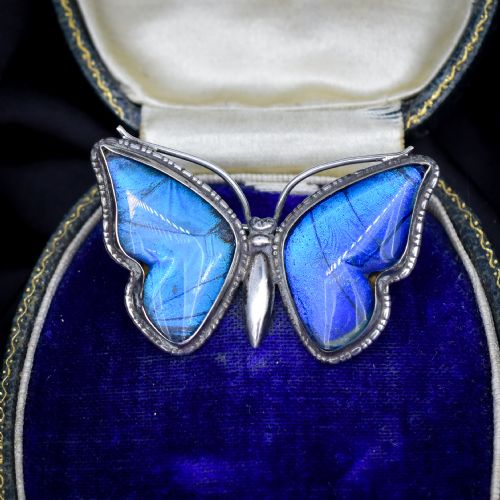
A vintage silver pin takes several forms, predominantly appearing as brooches across the inventory. These pieces span from the early twentieth century through to the mid-century modern era, reflecting changing tastes in personal adornment.
Originating from British workshops and Scandinavian designers alike, these items serve as both decorative dress accessories and collectible examples of twentieth-century metalwork.
How they were made
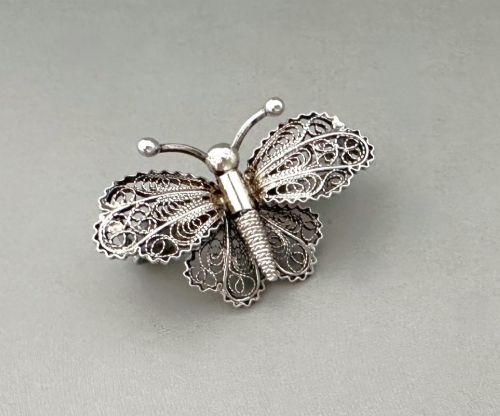
Silversmiths shaped the base metal using traditional methods of stamping, casting, and hand-wiring. Filigree work appears alongside solid plates, creating varied textures within the silver and silver-plated frameworks.
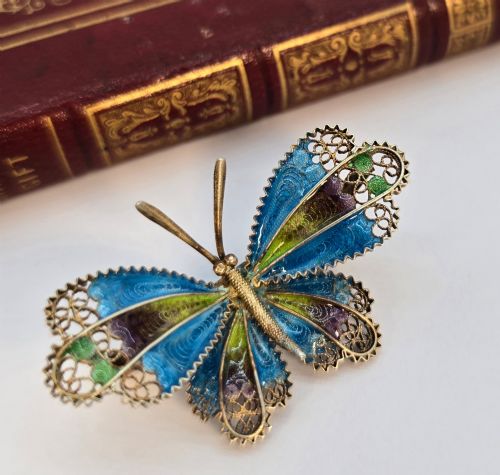
Enamelling techniques play a central role, with artisans applying coloured glass paste to recessed cells or guilloche patterns before kiln-firing. Guilds and individual makers also utilised gold gilt and vermeil to enrich the silver surfaces, sometimes pairing the metal with pearl, glass, or marcasite stones.
Retail Price Guide 2026
Typical UK retail prices for vintage silver pin, calculated from the Sellingantiques database of over a million retail prices indexed since 2003. This retail price guide relies exclusively on Sellingantiques data; no external sources or auction records are used, so the figures do not describe the wider market.
Listings for this phrase include pieces from the 1910s to the 1960s, spanning Art Deco, George V, and Mid-Century Modern styles.
What varies in quality
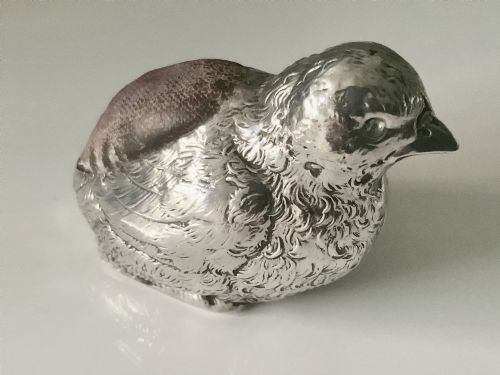
The standard of execution in enamel work dictates the upper tier of these pieces, particularly where guilloche engraving catches the light beneath translucent colour. Clean lines in filigree and crisp casting on figural subjects distinguish skilled studio output from standard mass production.
Maker attribution and hallmarks elevate certain items, as signed Scandinavian and British pieces retain clearer provenance. The preservation of original gilding and the intact state of delicate enamel surfaces also separate everyday examples from exceptional survivals.
Aksel Holmsen·Volmer Bahner·Hroar Prydz·Mappin and Webb·Asprey
The Vintage Silver Pin Glossary
- Guilloche
- An intricate decorative engine-turning technique engraved directly into metal beneath translucent enamel. This method creates repetitive geometric patterns that shimmer under the surface.
- Vermeil
- Sterling silver coated with a thin layer of gold. It provides the warm appearance of solid gold while retaining a silver base.
- Filigree
- Delicate openwork jewellery created by twisting and soldering fine silver wire into lace-like patterns. It requires high dexterity from the maker.
- Silver Plate
- A base metal substrate covered with a thin layer of silver. This technique offered an accessible alternative to solid sterling items.
- Enamel
- Fused powdered glass melted onto metal surfaces under high heat. It provides vibrant, durable colour to brooches and decorative objects.
Frequently Asked Questions
How do I date a vintage silver pin?
Dating relies heavily on hallmarks, maker stamps, and stylistic cues such as Art Deco geometry or mid-century abstract motifs. Enamel colours and fastening mechanisms also offer clues to the decade of manufacture.
Comparing pieces against documented maker output helps narrow down the production period further.
What is the difference between silver and silver plate?
Solid silver items consist of precious metal throughout, often stamped with sterling or standard purity marks. Silver plate uses a base metal core covered by a thin exterior layer of silver.
Over time, plated items may show base metal underneath where wear occurs, whereas solid silver maintains its composition.
How were these enamel pins worn?
These pieces typically function as brooches, secured to lapels, scarves, hats, or collars using a pin stem and safety catch. In the mid-century period, they added a focal point of colour to tailored wool coats and dresses.
Collectors today often display them on fabric boards or continue to wear them on heavy fabrics.
Are Scandinavian enamel pins different from British ones?
Scandinavian workshops frequently focused on vibrant guilloche enamel over sterling silver, particularly featuring natural forms like butterflies and flowers. British examples often incorporated traditional motifs, such as Celtic Revival patterns or local flora, alongside maker marks from established silversmiths.
Both regions shared high standards of design during the mid-century decades.
How should I clean my silver pin?
Cleaning requires caution to avoid damaging delicate enamel work or removing antique patination. A soft microfibre cloth is generally sufficient for removing light tarnish from the silver elements.
Harsh chemical dips and abrasive polishes should be avoided, as they can permanently ruin enamel surfaces and gilt layers.