



Norwegian Silver Jewellery
Norwegian silver jewellery brings together bright enamels and solid sterling silver, offering collectors vibrant mid-century modern pieces and delicate antique designs.
Norwegian Silver Jewellery
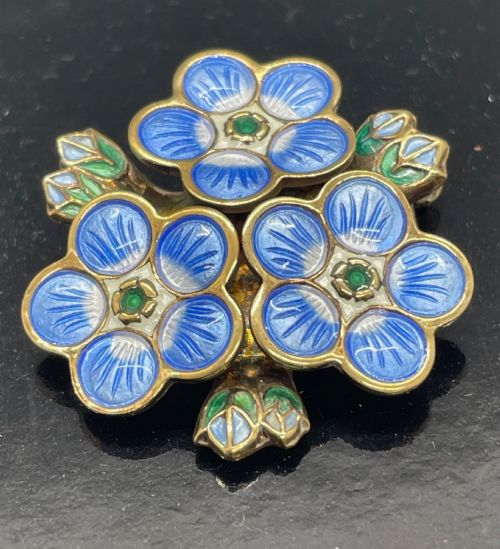
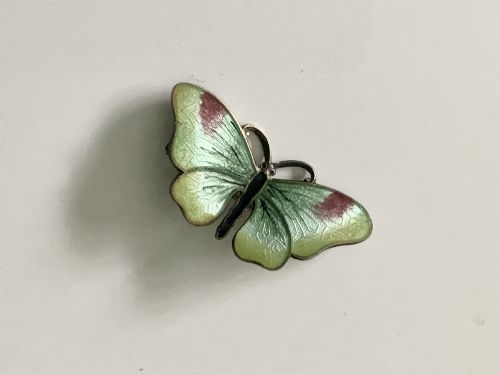
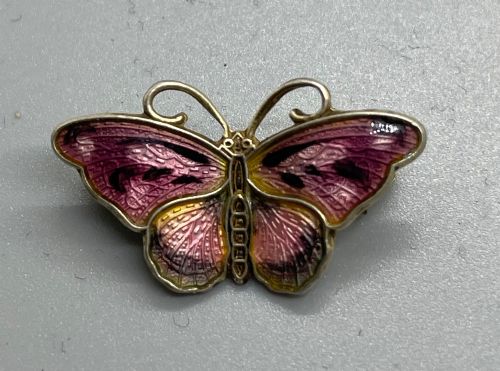
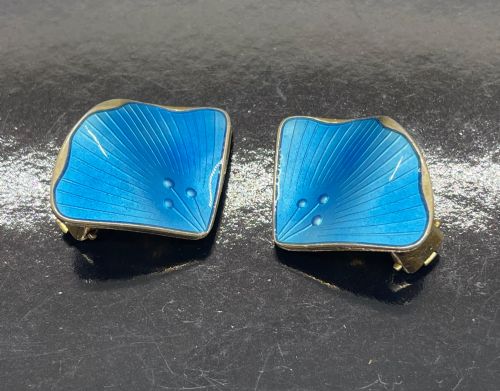
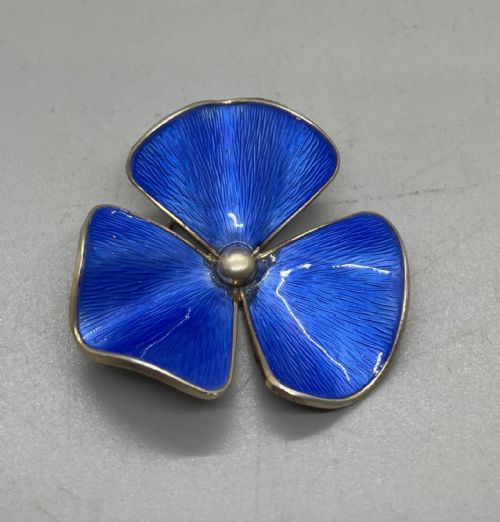
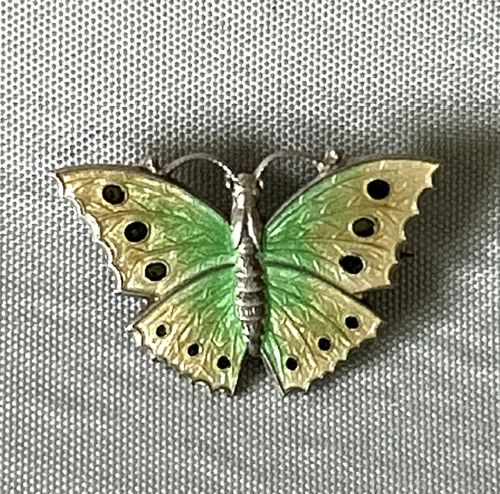
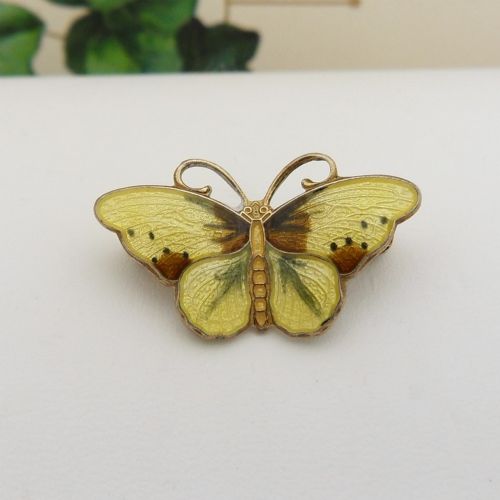
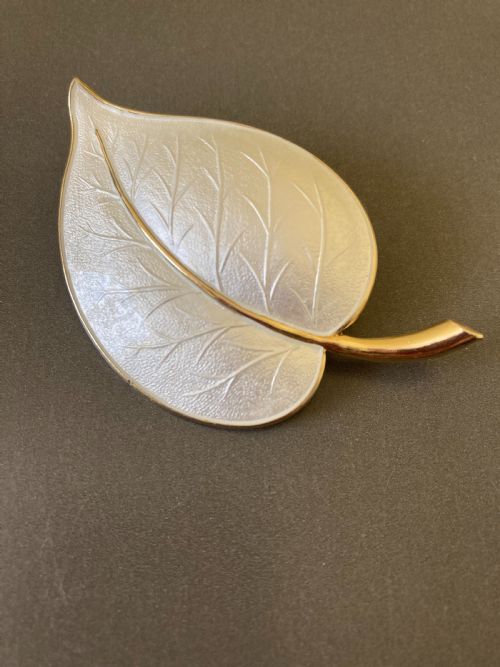
When you search for norwegian silver jewellery, you encounter a distinct range of brooches, pendants, bracelets, and earrings shaped by Scandinavian design traditions. The selection spans the early twentieth century through the mid-century modern era, taking form as floral motifs, royal crowns, and detailed butterflies.
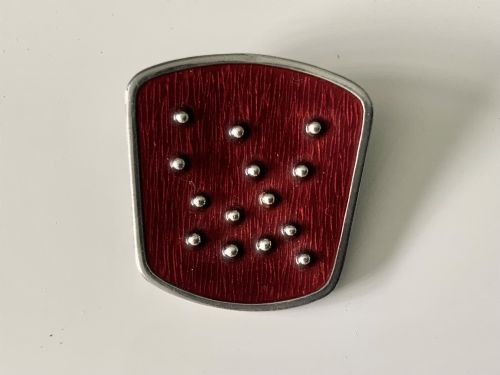
You meet pieces that cross multiple aesthetic movements, from the sweeping lines of Art Nouveau and geometric Art Deco shapes to the clean forms of Scandinavian Modern. Brooches and butterfly pins dominate the selection, often accompanied by matching pendant necklaces and link bracelets.
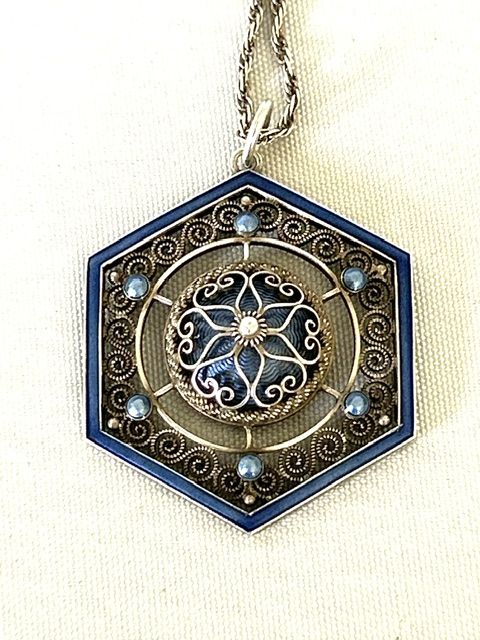
The pieces reflect workshops operating across Norway, bringing together traditional filigree work and colourful vitreous enamel surfaces. These ornaments capture the shifting styles of decades ranging from the Victorian period through to the nineteen-sixties and beyond.
Materials and construction
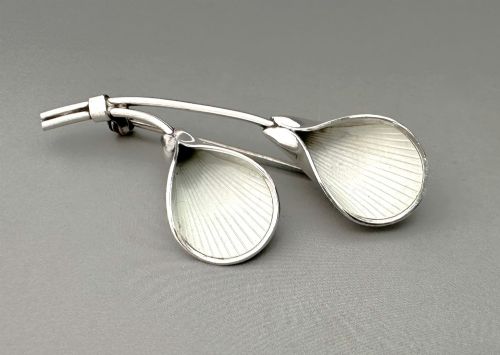
Maker workshops shape sterling silver and silver gilt into intricate bases using wirework and sheet metal. Craftsmen then apply vitreous enamel or guilloche enamel across the metal surfaces, creating translucent colour layers over engine-turned patterns.
Gold gilt and gold vermeil often coat the silver foundations to add warmth and contrast to the enamel work. Artisans balance these precious metals with careful soldering to form sturdy pins, clasps, and links for daily wear.
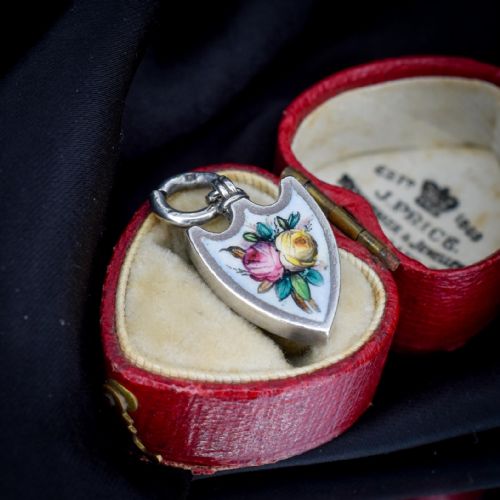
Object forms include brooches, pendant necklaces, charm pendants, earrings, bracelets, and torque necklaces.
Assessing quality in the metalwork
Quality rests in the precision of the guilloche engine-turning beneath the enamel and the clarity of the coloured glass layers. Superior pieces show an even depth of enamel without bubbling or cloudiness across the silver ground.
The finesse of the underlying filigree and the crispness of the cast silver details set finer works apart from simpler productions. Well-preserved gilding and secure pin mechanisms further distinguish superior examples from standard workshop output.
Marius Hammer·Aksel Holmsen·Hroar Prydz·Gustav Gaudernack·David-Andersen
The Norwegian Silver Jewellery Glossary
- Guilloche enamel
- A decorative technique where transparent enamel is layered over a mechanically engraved metal surface. This creates shifting geometric patterns that catch the light beneath the coloured glass.
- Silver gilt
- Sterling silver that has been plated with a thin layer of real gold. This finish provides a warm golden tone while maintaining a silver core.
- Vitreous enamel
- Glass powder fused to metal through high-temperature firing. The process produces a durable, glossy surface with rich, permanent colour.
- Filigree
- Delicate jewellery work formed from fine twisted silver threads soldered together in openwork patterns. It creates airy, lace-like motifs common in traditional Scandinavian pieces.
Norwegian Silver Jewellery: Frequently Asked Questions
How do I date norwegian silver jewellery?
Dating relies on stylistic markers, hallmarking conventions, and the specific enamel techniques used in the piece. Art Nouveau and early floral designs often point to the turn of the twentieth century, while clean geometric forms align with the mid-century modern era.
Maker marks stamped onto the reverse provide further clues, connecting individual pieces to recorded workshop active periods. Comparing the clasp type and metal purity stamps helps narrow down the decade of manufacture.
How should I clean enameled silver?
Cleaning requires a soft microfibre cloth and warm soapy water to remove surface dust without scratching the delicate glass enamel. Harsh chemical dips and abrasive silver polishes will ruin the enamel surface and strip away any gold gilt.
Dry the piece thoroughly after washing to prevent moisture from settling around the pin hinges or stone settings. Store each item in a separate pouch to avoid friction damage against other metal items.
What motifs are most common?
Butterfly and floral motifs appear frequently across the selection, reflecting a strong Scandinavian fascination with natural forms. Shield charms, Viking ships, and royal crowns also emerge as recurring subjects in the regional output.
These designs often incorporate vibrant red, blue, or green enamels to highlight the wings of insects or the petals of flowers. The scale ranges from tiny petite pins to larger statement pendants.