



Norwegian Enamel Pin
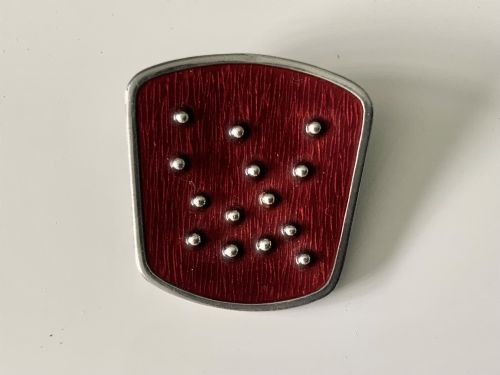
These norwegian enamel pin designs combine bright vitreous colour with fine silver work, offering a touch of Scandinavian modernism for your lapel.
Norwegian Enamel Pin
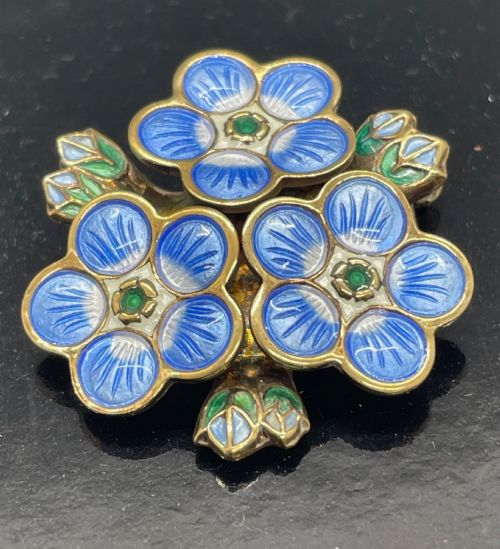
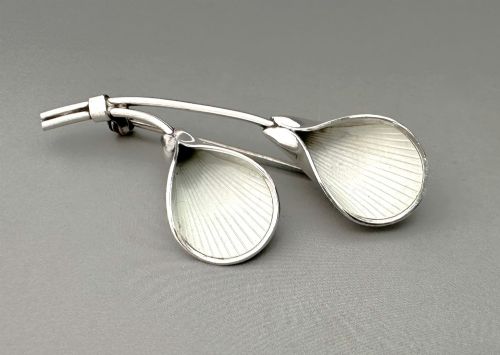
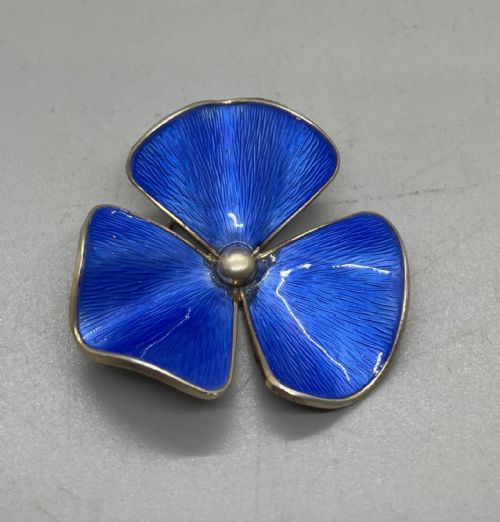
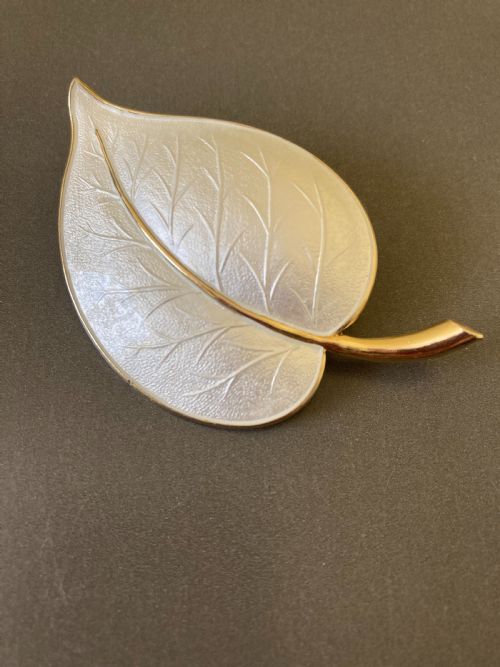
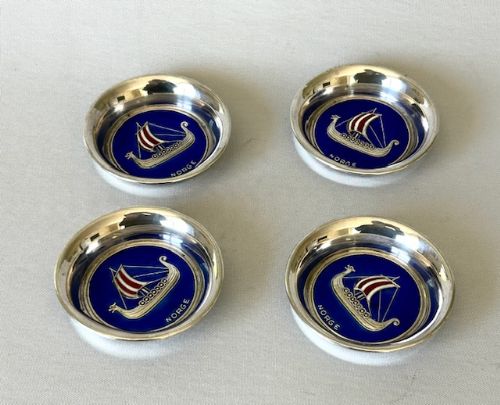
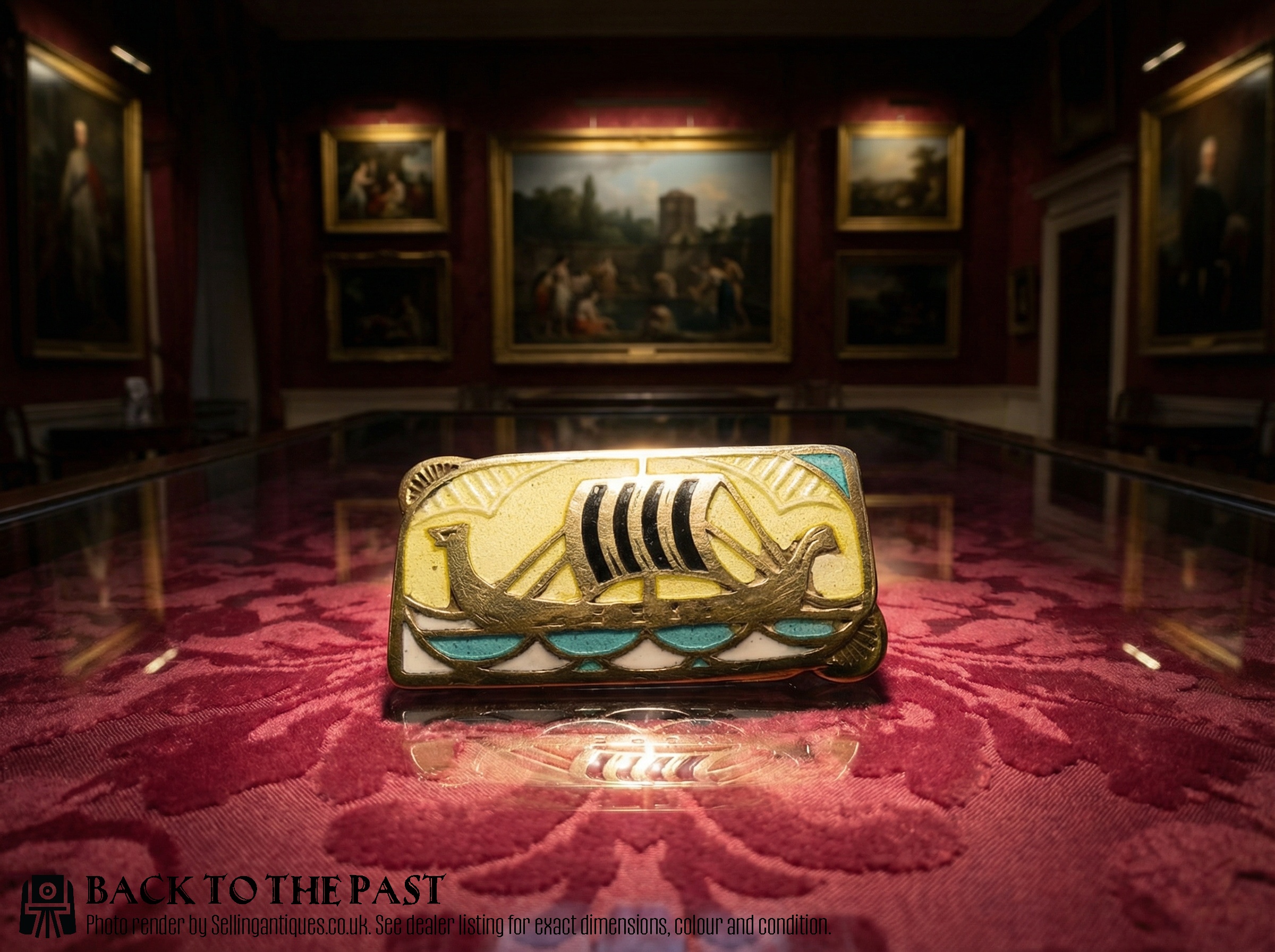
A norwegian enamel pin typically takes the form of a brooch or small dish, spanning periods from the Victorian era through the mid-century decades. The selection here leans heavily towards mid-century Scandinavian and Art Deco styles, featuring insects, floral motifs, and Viking themes.
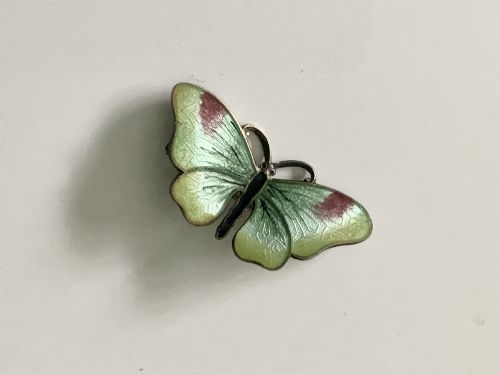
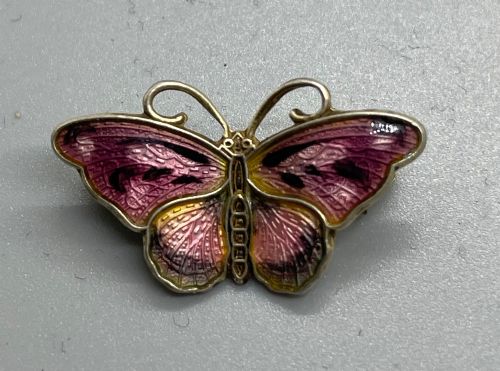
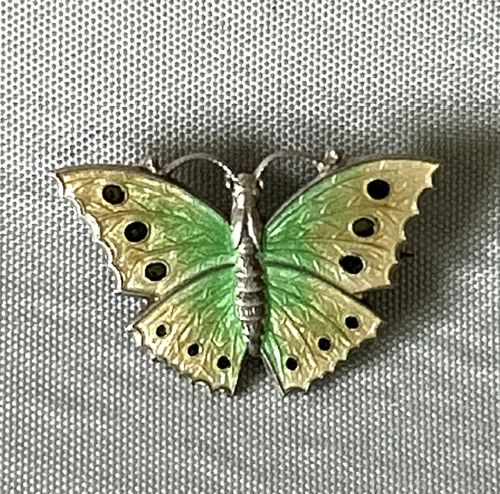
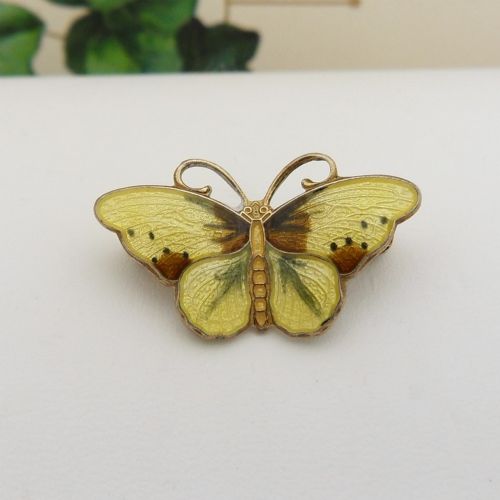
Butterflies and bar brooches dominate the forms you will encounter on this page, executed in sterling silver or silver gilt. Alongside wearable jewellery, the occasional pin dish appears in the records.
Most pieces date from the mid-century revival of the 1950s and 1960s, though earlier examples from the 1920s and 1930s surface regularly. Victorian pieces represent the earliest end of the spectrum seen here.
Materials and Technique
Craftsmen applied vitreous enamel onto sterling silver or silver gilt bases, often employing a guilloche technique to engrave geometric patterns beneath translucent colour. The underlying metal provides structural support while the glass paste is fired to a hard, glossy finish.
Gold gilt, gold vermeil, and silver gilt finishes were frequently utilised over 925 silver to enrich the visual depth of the enamel work. This combination of precious metal plating and coloured glass defined the workshop output across multiple decades.
Tiny winged creatures flutter across multiple decades, as butterflies remain the undisputed favourite insect for these enamellers.
Quality Variations
The sophistication of the guilloche engine-turning beneath the translucent enamel dictates much of the visual appeal. Finer pieces display crisp, intricate engraving that catches the light clearly through the coloured glass layer.
The precision of the silver gilt or vermeil application and the crispness of the casting on subjects like butterflies or Viking ships separate standard production from superior maker output.
David Andersen·Aksel Holmsen·Hroar Prydz·Gustav Gaudernack·O F Hjortdahl
The Norwegian Enamel Pin Glossary
- Guilloche
- A decorative engraving technique that etches precise repeating geometric patterns into metal. This worked surface sits beneath transparent enamel to create shimmering visual depth.
- Vitreous Enamel
- A material made by fusing powdered glass to a substrate by firing, usually between eight hundred degrees Celsius. It results in a smooth, durable, and chemically resistant surface.
- Silver Gilt
- Silver that has been coated with a thin layer of gold. This treatment provides the warm appearance of solid gold while utilising a silver base.
- Vermeil
- Sterling silver plated with a heavy layer of gold. It represents a higher standard of plating than standard gold gilt.
- Bar Brooch
- A long, narrow pin shape popular across various twentieth-century periods. These pieces often feature central enamel ornaments or floral motifs.
Norwegian Enamel Pin: Frequently Asked Questions
What metals are used in these pins?
The listings show sterling silver, 925 silver, and silver gilt as the primary structural metals. Gold gilt and gold vermeil finishes also appear frequently across the pieces.
Craftsmen paired these metals with vitreous enamel to achieve the characteristic vibrant colours.
How do I date a norwegian enamel pin?
Dating relies on stylistic markers such as Art Deco geometric lines or Mid-Century Scandinavian organic shapes, alongside maker marks. The records span from Victorian times through the nineteen-fifties and sixties.
Earlier twentieth-century pieces from the twenties and thirties often display distinct guilloche patterns associated with specific workshops.
Were these items worn or displayed?
The majority of pieces function as brooches and pins designed to be worn on clothing. Butterfly and floral motifs are typical examples of wearable items.
A small number of entries include pin dishes and trinket bowls intended for tabletop use.
What styles are most common here?
Mid-century Scandinavian and Scandinavian modern designs appear most frequently in the current selection. Art Deco and Art Nouveau aesthetics also represent earlier design influences.
Subject matter ranges from naturalistic butterflies and flowers to historical Viking ships.