



Norwegian Silver Brooch
A norwegian silver brooch brings vibrant vitreous enamel and sterling silver together in winged insect, floral and modernist forms.
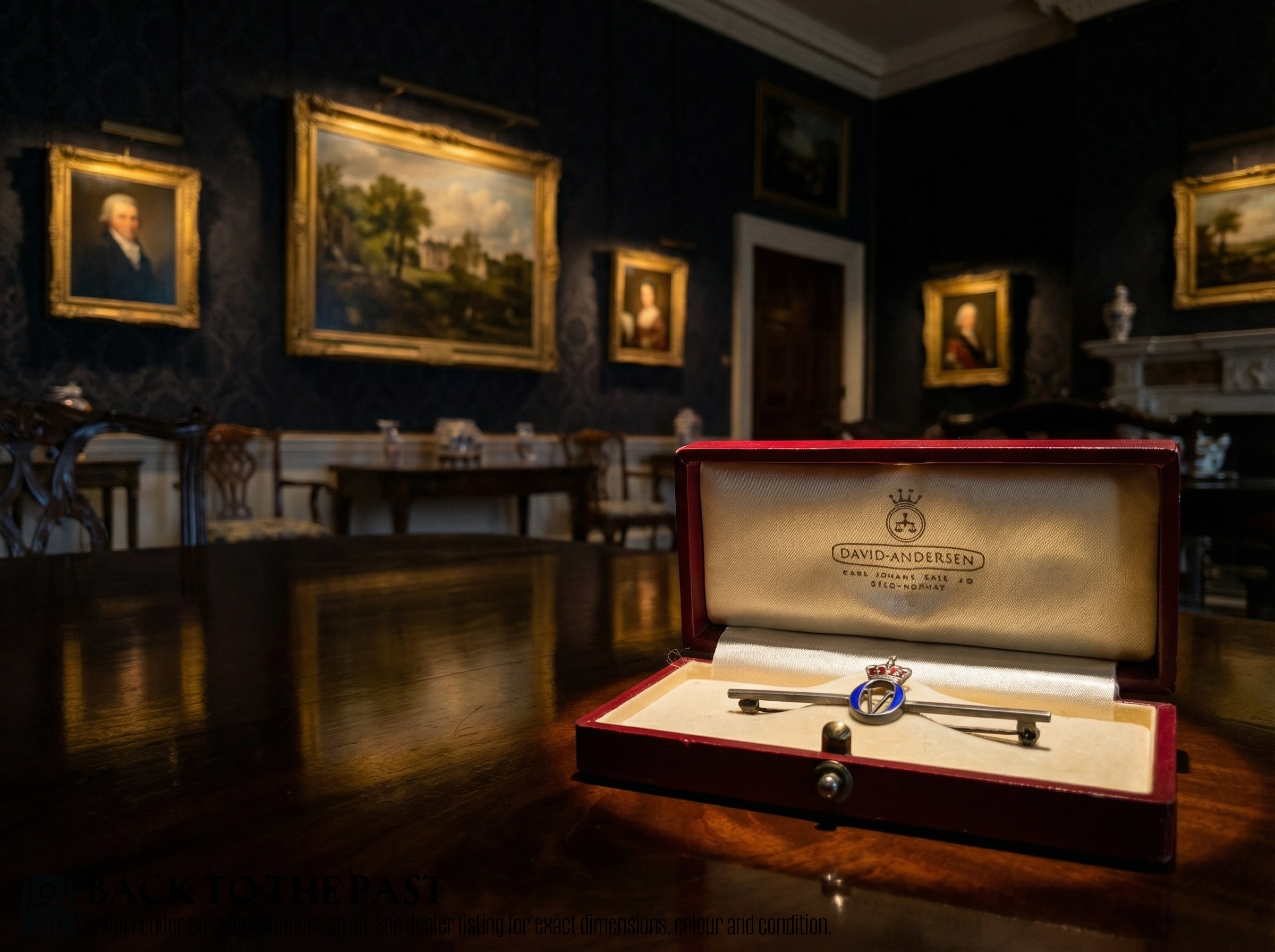
Identifying a Norwegian silver brooch
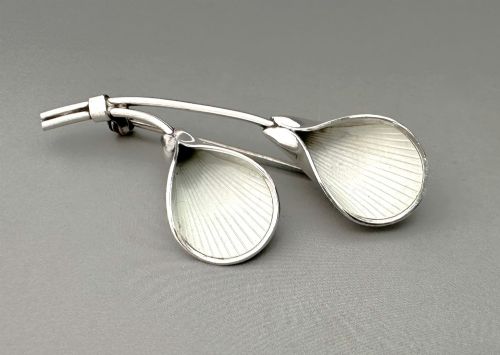
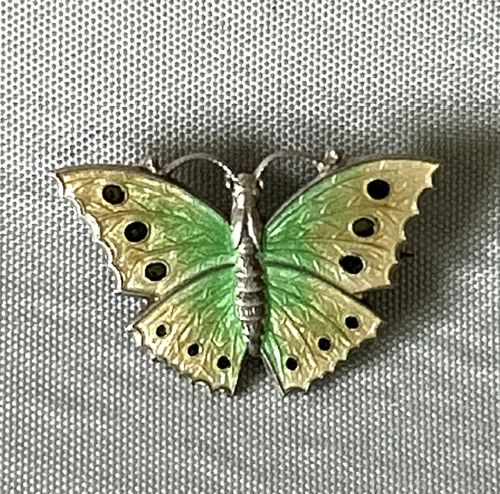
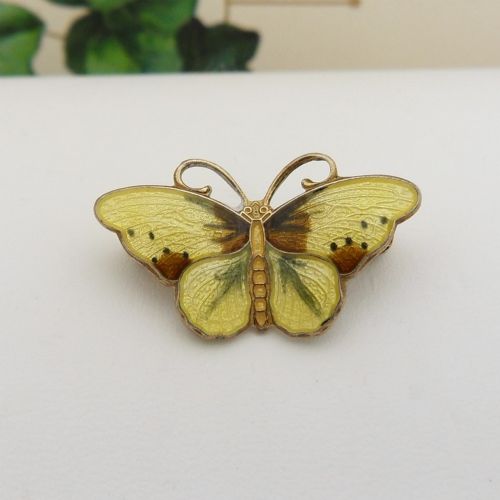
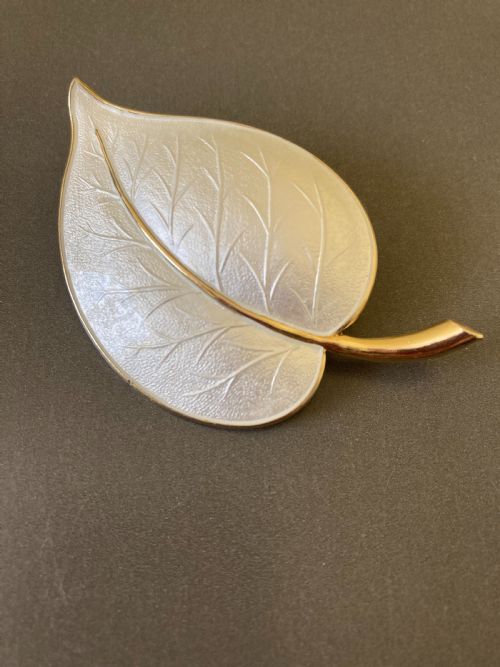
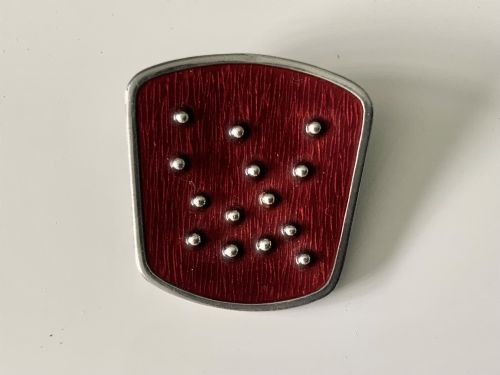
When you search for a norwegian silver brooch, you encounter pieces spanning the Victorian period through the mid-century modern era. The forms range widely from naturalistic butterflies and leaves to stylized Viking ships, royal crowns, and abstract modernist shapes. These ornaments reflect both traditional Scandinavian motifs and the clean lines of mid-century Scandinavian design.
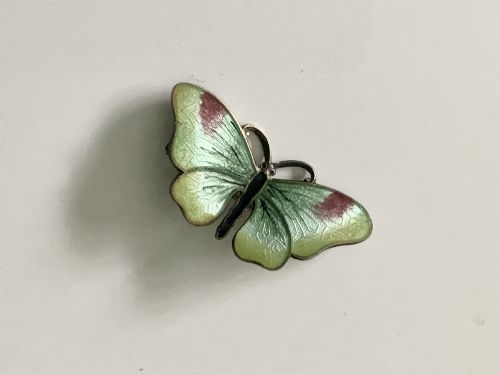
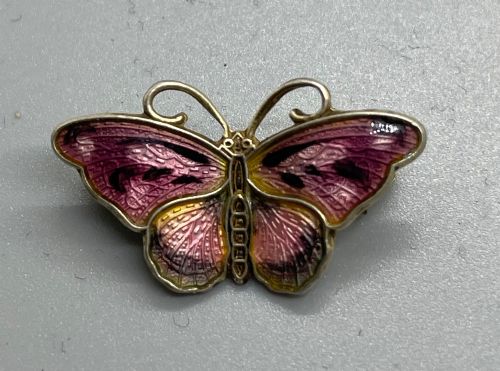
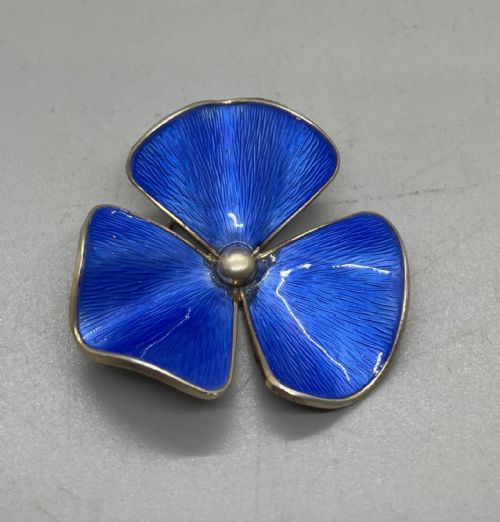
The most common examples you meet on this page date from the 1940s, 1950s, and 1960s, heavily featuring colourful guilloche enamel over textured or smooth silver grounds. Enamelled insects, particularly butterflies in red, blue, green, and white, appear frequently alongside botanical leaf and floral motifs. Silversmiths also produced distinct regional designs drawing on Norse heritage, including Viking boat and dragonstil pieces.
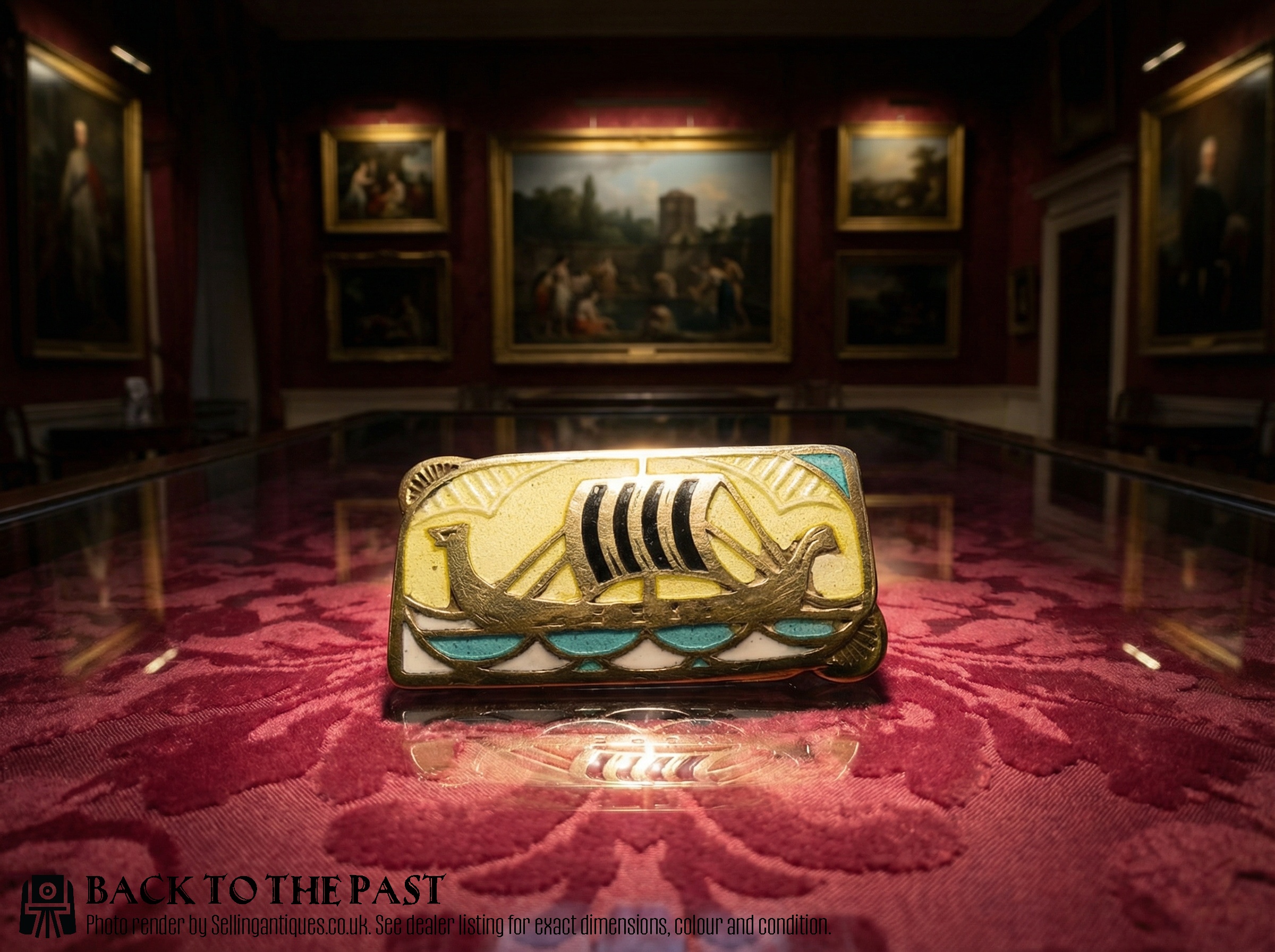
Materials and construction
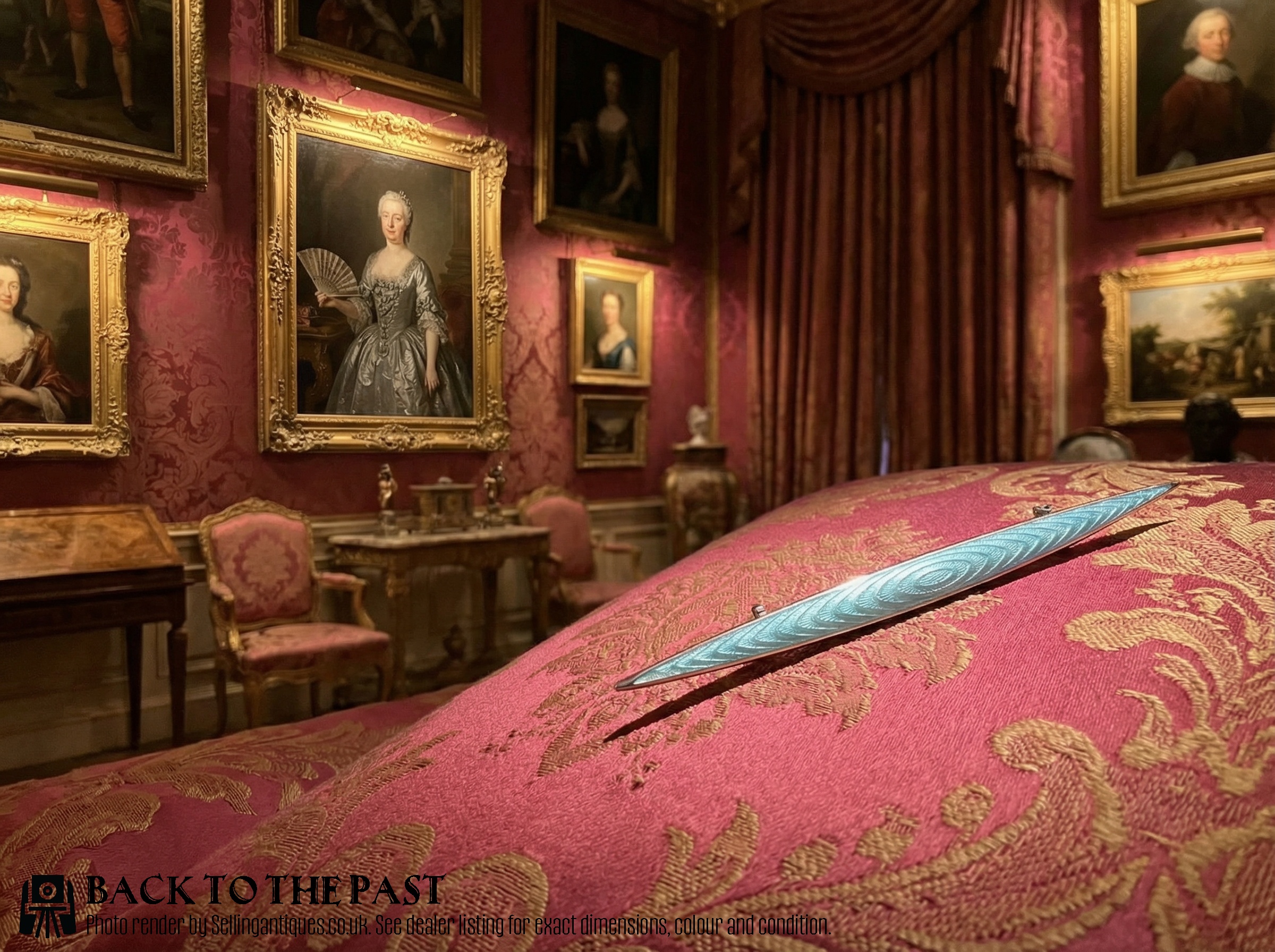
Silversmiths constructed these pieces primarily using sterling silver and silver gilt, often applying vitreous enamel directly onto the metal surface. Many examples employ guilloche techniques, engraving engine-turned geometric patterns beneath translucent coloured enamels to create depth and shimmer. Metalwork includes delicate wirework outlines forming the cells for multi-coloured enamel applications in butterfly wings and floral petals.
Makers utilised standard pin stems, safety clasps, and occasionally integrated loops allowing a piece to function as both a pendant and a brooch. The underlying silver is frequently marked with silver standards like 925 alongside specific workshop hallmarks. Gilt finishes provide a warm gold tone over the silver base, enhancing the contrast with white, red, blue, or green enamel sections.
Retail Price Guide 2026
Typical UK retail prices for norwegian silver brooch, calculated from the Sellingantiques database of over a million retail prices indexed since 2003. This retail price guide relies exclusively on Sellingantiques data; no external sources or auction records are used, so the figures do not describe the wider market.
Listings feature silver and enamel works across four distinct periods: Victorian, 1940, 1950, and 1960.
Distinctions in quality
The division between standard production and exceptional work rests upon the intricacy of the enamel work and the precision of the underlying metal engraving. Pieces featuring complex guilloche patterning beneath translucent enamel require advanced technical skill compared to flat, opaque coloured surfaces. The refinement of the hand-applied enamel shading, particularly in multi-coloured butterfly wings and naturalistic leaves, elevates certain examples above standard output.
Attribution to documented master designers and workshops adds a distinct layer of distinction to individual items. Pieces carrying clear workshop stamps from prominent makers display superior execution in the weight of the silver and the crispness of the applied motifs. The balance of the composition and the durability of the gilding further separate workshop pieces from mass-market output.
Gustav Gaudernack·Hroar Prydz·Ivar T Holth·OF Hjortdahl·Andresen & Scheinpflug·N M Thune·Hans Myhre·Knut A. Rasmussen·J Tostrup·Aksel Holmsen·Albert Scharning
The Norwegian Silver Brooch Glossary
- Guilloche
- An engraving technique that etches precise geometric patterns into metal before translucent enamel is applied. This method allows light to reflect through the coloured glass surface, producing a shimmering effect.
- Vitreous enamel
- A material made by fusing powdered glass to a substrate by firing, resulting in a smooth, durable coloured coating. It forms the vibrant surface seen on wings, leaves, and floral motifs.
- Silver gilt
- Silver that has been coated with a thin layer of gold over its surface. This finish provides a warm, rich background tone that complements specific enamel colour combinations.
- Dragonstil
- A decorative style inspired by traditional Norse art and Viking wood carvings, featuring interlaced dragon motifs and serpentine patterns. It appears in antique silver pieces connected to Scandinavian heritage.
- Sterling silver
- An alloy of silver containing parts of other metals to increase durability while maintaining a high purity standard. It serves as the primary structural metal for these brooches, often marked as 925.
Frequently Asked Questions
What periods do these pieces come from?
The selection includes Victorian items alongside mid-century pieces from the 1940s, 1950s, and 1960s. Mid-century Scandinavian modern designs are particularly prevalent among these listings.
Victorian examples draw on Norse and Viking revival styles, while later decades favour colourful enamelled butterflies, leaves, and abstract forms.
How do I identify the maker?
Makers often stamped their initials, full names, or specific workshop symbols onto the reverse side of the silver mounting. Hallmarks indicating silver standards, such as 925, frequently accompany these maker marks.
Matching the specific enamel style, colour palette, and motif with documented workshop output helps confirm attribution.
Were these worn exclusively as brooches?
Most examples function strictly as dress pins or brooches, designed to fasten onto garments using a standard pin and safety catch. Certain larger iterations double as pendants through the inclusion of an integrated loop on the reverse.
This dual functionality allowed wearers to display the enamel work either pinned to fabric or suspended from a chain.
How should I care for vintage enamel jewellery?
Enamel and silver require gentle handling to preserve the glass surface and the polished metal finish. Avoid harsh chemical dips, ultrasonic cleaners, and abrasive cloths that can scratch translucent enamel or remove silver gilt.
Store pieces individually in soft pouches to prevent contact with other items that might chip the glass or bend the pin stems.