



Green Enamel Brooch
A green enamel brooch brings together vibrant vitreous colour and precious metal work, offering wearable history from the Edwardian era to the mid twentieth century.
Understanding the green enamel brooch
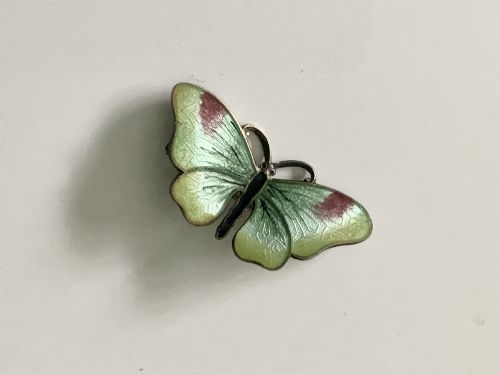
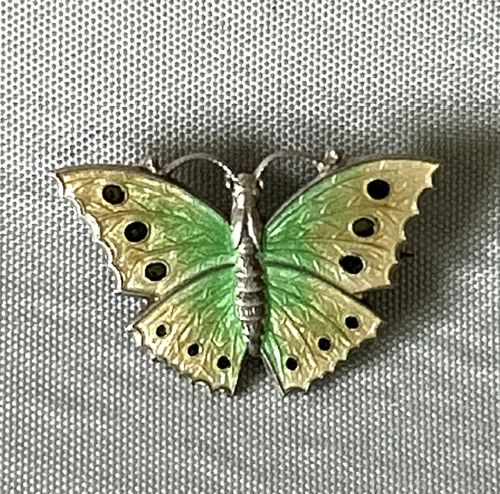
Norwegian workshops dominate the material record for these jewels, producing delicate guilloche and translucent designs executed in sterling silver and silver gilt. English and continental makers also contribute notable floral and insect examples employing similar metalworking traditions. Pieces span from the nineteen hundreds through to the nineteen fifties.
The aesthetic vocabulary shifts from the organic curves of the early nineteen hundreds to the geometric symmetry of the nineteen thirties and the cleaner lines of the nineteen fifties. Collectors select these items for their distinct period character and the enduring brilliance of the vitreous pigments. Each piece reflects the dominant decorative ethos of its decade of origin.
Materials and construction
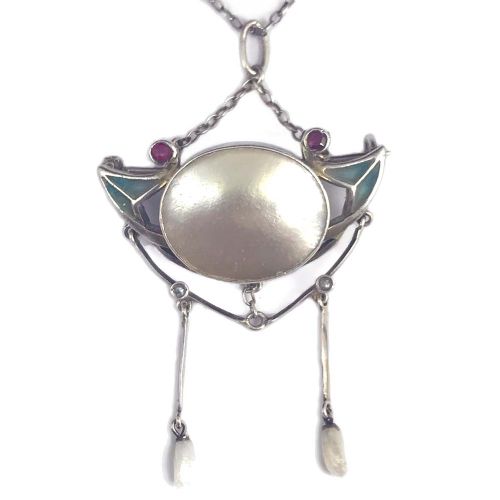
Silversmiths constructed the foundational mounts using sterling silver and silver gilt, frequently applying filigree wirework or solid sheet bases. Seed pearls and cultured pearls appear as supplementary embellishments on select Edwardian and Jugendstil designs. The metal settings provide a secure housing for the glass based vitreous coatings.
Craftsmen applied powdered glass pastes into engraved or wired metal cells before firing them at high temperatures to fuse the vitreous layer. Techniques include guilloche enamel with engine turned patterns beneath translucent green glazes, and plique a jour which creates a stained glass effect without a solid backing. Surface polishing completed the glass hardening process to achieve a lustrous finish.
Retail Price Guide 2026
Typical UK retail prices for green enamel brooch, calculated from the Sellingantiques database of over a million retail prices indexed since 2003. This retail price guide relies exclusively on Sellingantiques data; no external sources or auction records are used, so the figures do not describe the wider market.
Factors of distinction
Quality rests upon the precision of the metalwork and the complexity of the enamelling technique employed by the workshop. Superior examples utilise advanced methods such as plique a jour or detailed engine turned guilloche patterns beneath deeply saturated green tones. The crispness of the casting or hand shaping defines the artistic merit of the subject, whether a butterfly wing or a floral petal.
Maker attribution elevates the standing of a jewel, with documented workshops commanding greater attention from collectors. The integration of supplementary stones like seed pearls alongside well preserved gilding indicates higher initial manufacture standards. Condition of the glass surface, free from major stress fractures or restoration, preserves the integrity of the design.
Levinger and Bissinger·Meyle and Mayer·John Atkins·Andresen and Scheinpflug·Hroar Prydz·Ivar T Holth·J Tostrup·J Aitken and Son·Aksel Holmsen
The Green Enamel Brooch Glossary
- Guilloche
- A decorative engine turned technique that etches precise geometric patterns into a metal substrate beneath translucent enamel. This method adds perceived depth and shifting light effects to the coloured surface.
- Plique a jour
- An enamelling method resembling miniature stained glass where the vitreous material rests in open metal cells without a backing. Light passes directly through the translucent green pigments.
- Silver gilt
- Sterling silver that has been coated with a thin layer of gold through chemical or electrolytic processes. This finish provides a warm golden tone complementary to rich green enamel.
- Filigree
- Delicate twisting and soldering of fine silver threads into intricate openwork patterns. It forms decorative borders or entire structural wings within butterfly and leaf brooches.
- Seed pearl
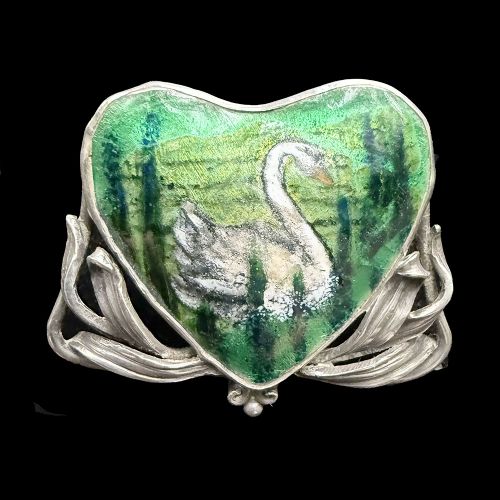
- Very small natural or cultured pearls incorporated into early twentieth century jewellery designs. They frequently accent floral and heart motifs on Edwardian and Art Nouveau pieces.
Frequently Asked Questions
How do I date a green enamel brooch?
Dating relies upon stylistic markers such as the flowing organic lines typical of nineteen hundred Art Nouveau work versus the clean geometric precision seen in nineteen thirties Art Deco pieces. Maker marks and silver standard stamps on the reverse provide further chronological context.
Examining the pin mechanism and catch style offers additional clues to the decade of manufacture. Earlier Edwardian items often feature simple C clasps, while mid century examples adopt more secure safety roll overs.
How were these brooches worn originally?
Wearers pinned these ornaments to lapels, collars, hats, and the shoulders of dresses as decorative focal points. The butterfly and leaf motifs suited the naturalistic dress trends of the early and mid twentieth century.
During the Edwardian period, smaller items accented lace collars and high necklines. Later decades saw them fastened to heavy winter coats and tailored wool suits as spots of colour.
How do I care for antique enamel jewellery?
Enamel is essentially glass and requires protection from sharp impacts that can cause chipping or cracking. Cleaning demands a soft cloth and mild soapy water, avoiding harsh chemical dips or ultrasonic cleaners that damage delicate metalwork and pearls.
Storage should involve separate compartments or soft pouches to prevent scratching against other metallic items. Keeping pieces away from prolonged direct sunlight preserves the vibrancy of the green pigments.
What is the difference between guilloche and plique a jour?
Guilloche enamel involves coating an engraved metal base with translucent coloured glass, allowing the underlying pattern to reflect light. The metal backing remains solid and supportive throughout the structure.
Plique a jour lacks a backing plate entirely, suspending the transparent green enamel within open wire cells. This allows light to shine straight through the glass akin to a church window.