




Silver Enamel Pin
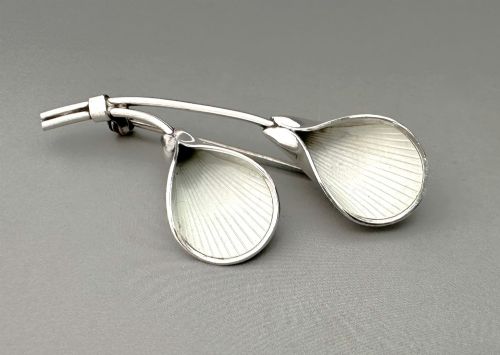
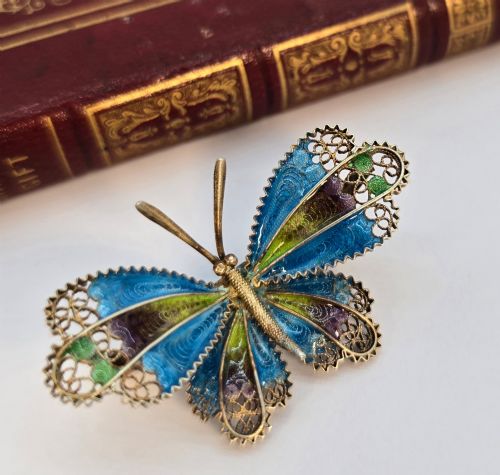
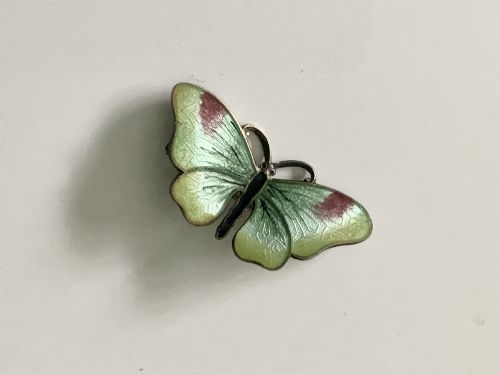
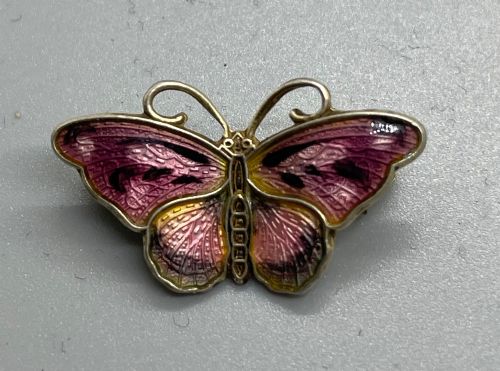
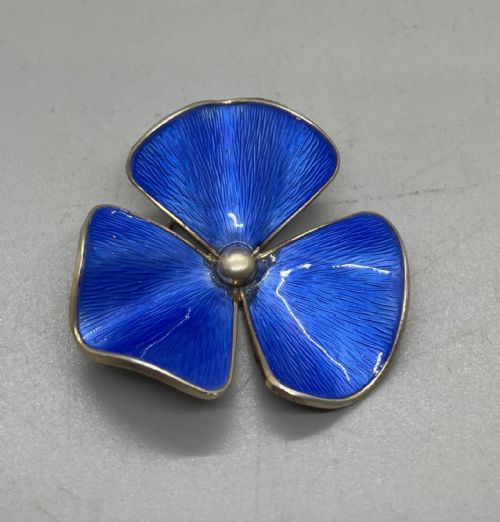
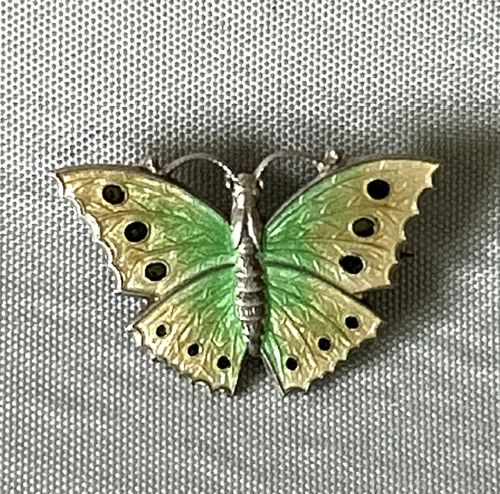
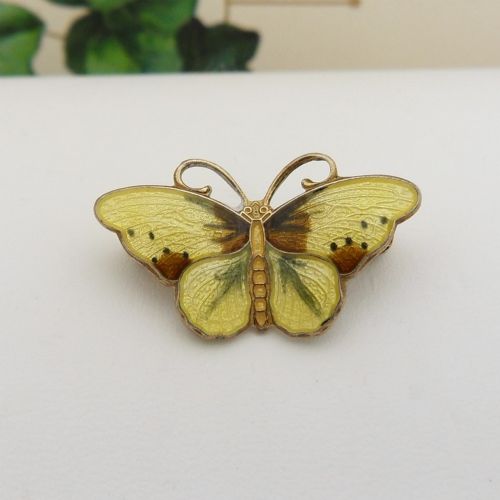
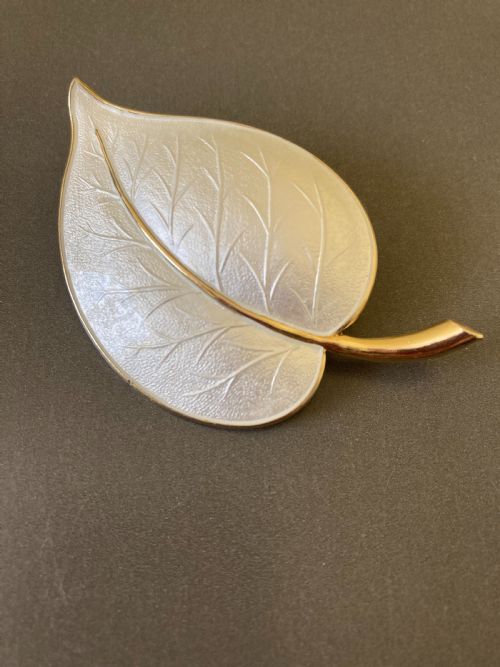
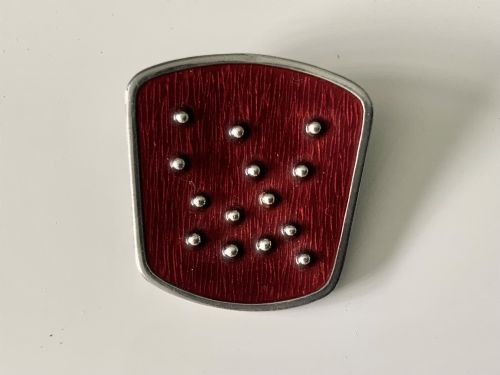
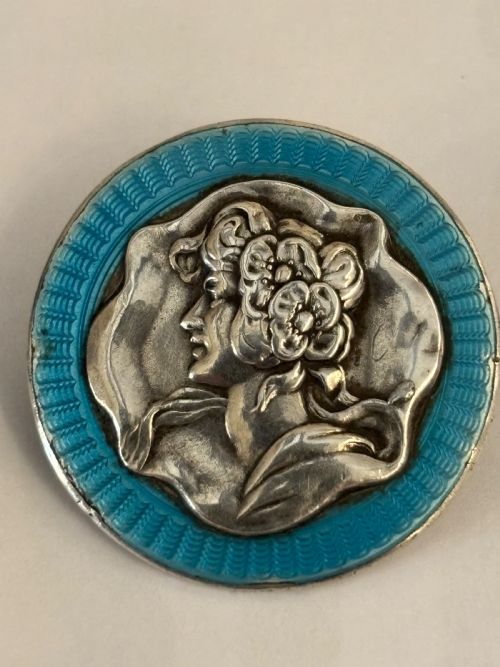
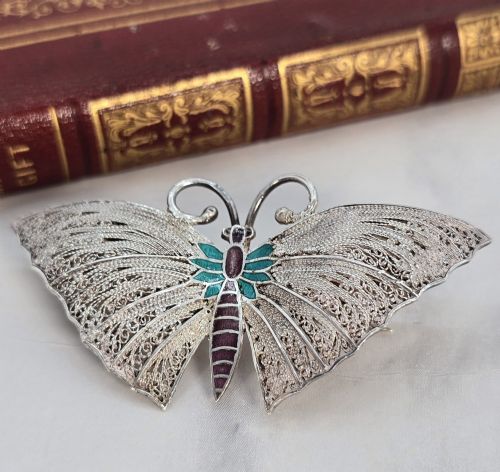
Silver enamel pin selections range from delicate Edwardian floral brooches to vibrant mid-century Scandinavian butterfly designs.
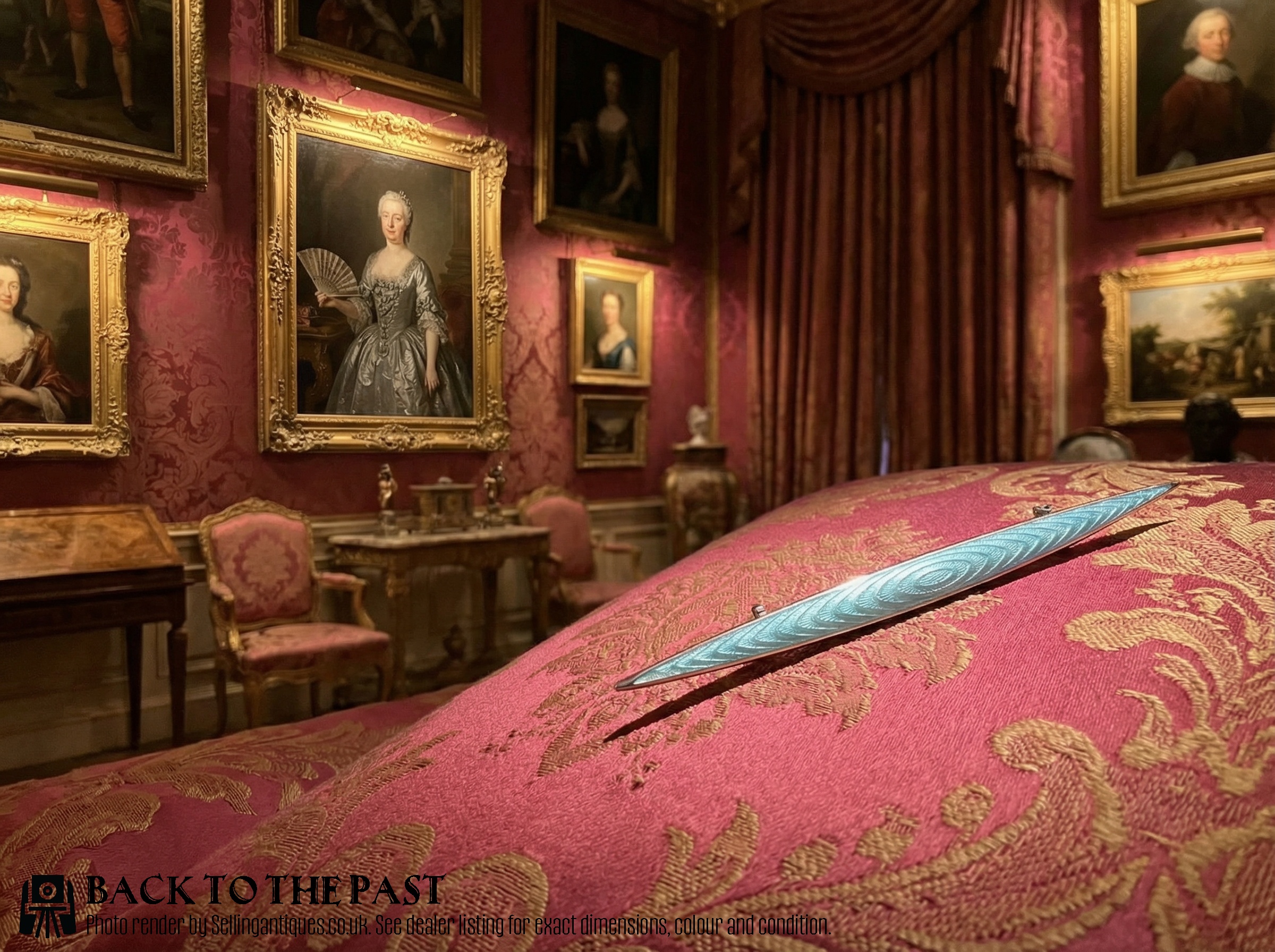
Silver Enamel Pin
A silver enamel pin combines precious metalwork with fused glass decoration, primarily taking the form of wearable brooches and dress accessories. Collectors encounter examples spanning from the late nineteenth century through the mid-twentieth century.
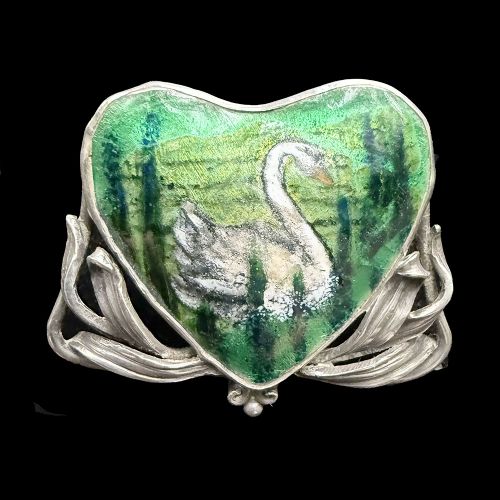
Scandinavian workshops contribute a substantial portion of the pieces found here, frequently depicting butterflies, flowers, and natural motifs in bright translucent colours. English and continental makers also provide floral sprays, pictorial scenes, and geometric Art Deco designs.
Beyond standard dress pins, the category encompasses related functional items such as hatpins, lapel badges, and small bar brooches. These items demonstrate the versatility of enamelling techniques applied to sterling silver and silver gilt structures.
Materials and construction methods
Silversmiths formed the base structures using solid sterling silver, frequently applying a layer of gold wash known as silver gilt to enhance the brilliance of the underlying metal. Metal wire work, filigree, and engine turned machine engraving provided textured foundations for the vitreous coatings.
Glass powder was applied to the prepared metal surfaces and fired at high temperatures to create smooth, durable enamel layers. Guilloche techniques involved working engine turned geometric patterns beneath translucent coloured enamel, while plique-a-jour left the enamel unbacked by metal to resemble stained glass.
Silver Enamel Pin Retail Price Guide 2026
Typical asking prices for silver enamel pin among the pieces listed under this phrase on Sellingantiques today, from the lower quarter to the upper quarter. They describe what is for sale here now, not the wider market.
Listings feature pieces spanning the Edwardian period, Art Deco era, and mid-century Scandinavian modern design.
Assessing quality in enamelled silver
The precision of the metalwork and the clarity of the fused glass determine the standing of an individual piece. Finer examples display crisp engine turned guilloche patterns and flawless glass surfaces without clouding or surface pitting.
Design complexity and maker attribution elevate certain works above standard production pieces. Pieces bearing documented signatures from notable Scandinavian and British designers exhibit superior handling of proportions, colour gradients, and secure stone settings.
Aksel Holmsen·Hroar Prydz·David Anderson·Mappin And Webb·Charles Horner·Gustav Gaudernack·Meyle And Mayer·Volmer Bahner·Anton Michelson
The Silver Enamel Pin Glossary
- Guilloche
- A decorative technique where mechanical lathes engrave precise geometric patterns into metal before enamel is applied. This method allows light to reflect through translucent coloured glass.
- Plique-a-jour
- An enamelling technique similar to cloisonne but without a backing metal, allowing light to pass directly through the transparent glass cells. It creates a delicate, stained glass effect.
- Silver Gilt
- Sterling silver that has been coated with a thin layer of gold, often referred to as vermeil. This treatment adds a warm yellow tone to the underlying silver structure.
- Vitreous Enamel
- A material made by fusing powdered glass to a metallic substrate through high temperature firing. The resulting glossy compound provides durable colour to jewellery.
- Filigree
- Delicate jewellery ornamentation created from fine twisted threads of silver soldered together in openwork patterns. It frequently surrounds enamel panels in continental and Asian pieces.
Silver Enamel Pin: Frequently Asked Questions
How do I clean a silver enamel pin?
Clean these items gently using a soft cloth dampened with mild soapy water, avoiding harsh chemical dips that can damage the glass surface or remove gold gilt layers.
Dry the piece thoroughly immediately after washing to protect any exposed metal or pin mechanisms from moisture damage.
Are silver enamel pins fragile to wear?
Vitreous enamel is essentially glass fused to metal, meaning it can crack or chip if subjected to sharp impacts or dropped onto hard surfaces.
Store each brooch separately in a padded box or pouch to prevent scratching when not being worn.
How can I date an enamel brooch?
Examine the stylistic markers, such as geometric Art Deco lines from the interwar period or organic floral motifs characteristic of the earlier Arts and Crafts movement.
Maker marks, stamped silver hallmarks, and pin fastening types also provide reliable indicators of the manufacturing decade.