

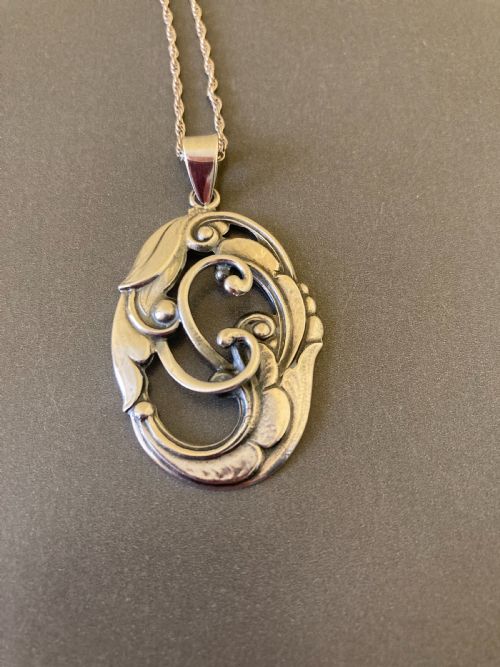
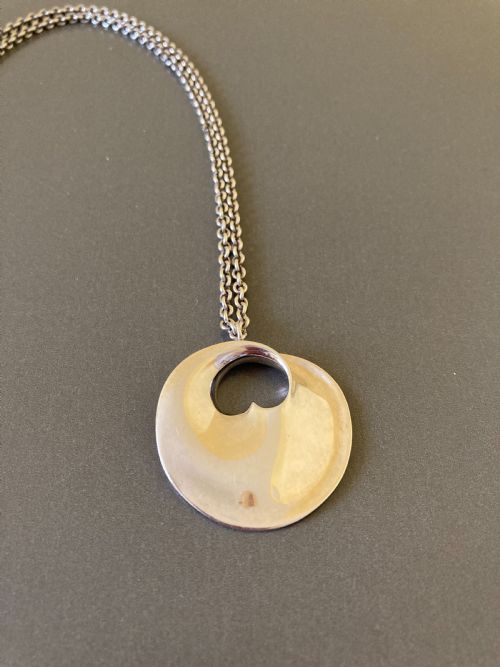


Scandinavian Silver Necklace
A scandinavian silver necklace brings together clean modernist lines and skilled metalwork, offering wearable design that collectors prize.
Scandinavian Silver Necklace
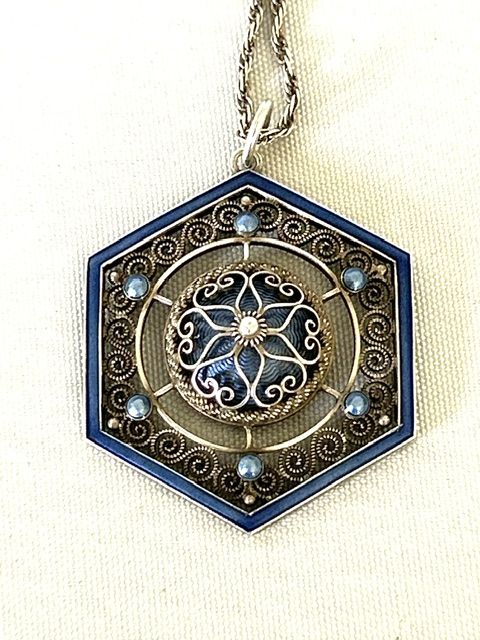
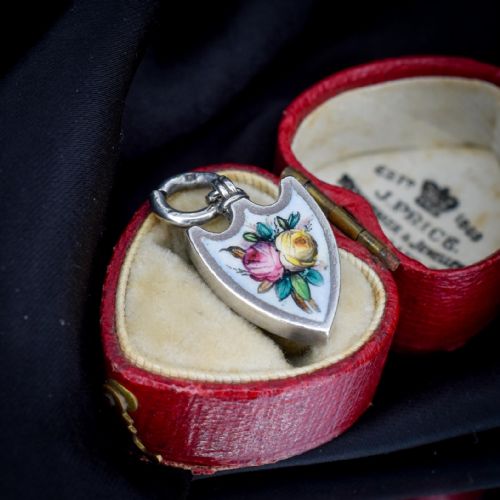
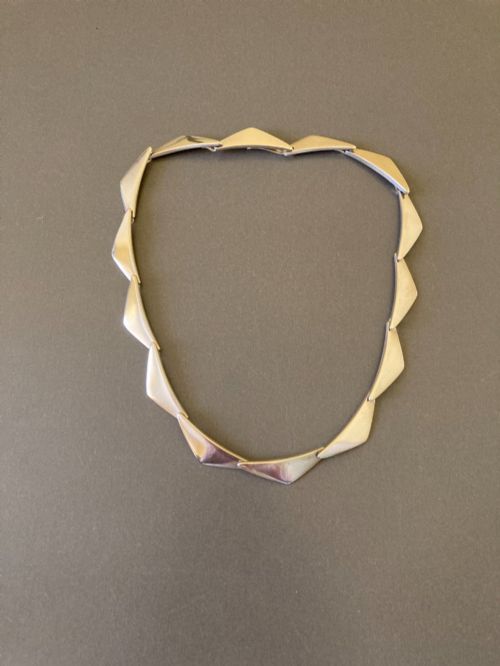
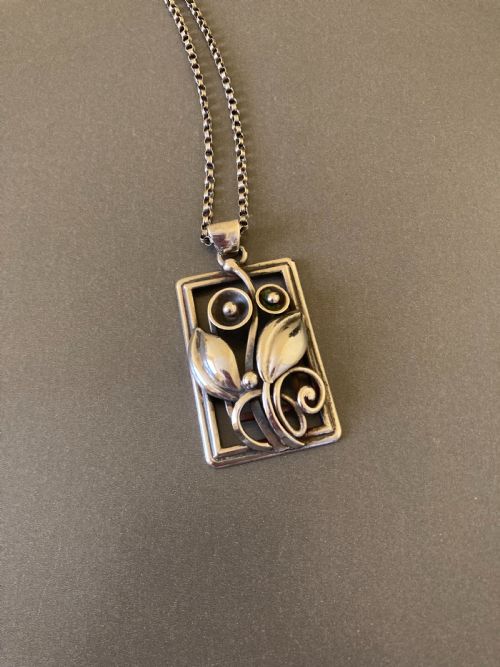
A scandinavian silver necklace spans several distinct design movements, ranging from floral floral shield charms to geometric Mid-Century Modern creations. Buyers exploring this category will frequently encounter Danish silver pendants and torque designs originating from the twentieth century.
The pieces often feature named motifs or specific makers, such as the Peak and Hidden Heart necklaces by Georg Jensen. Formats vary from simple chains to substantial pendants incorporating enamel panels and coloured stones like amethyst.
Origins stretch across Denmark, Norway, and Finland, capturing the regional shift from the intricate details of Skønvirke and Art Nouveau towards sleek Scandinavian Modern aesthetics. Most surviving examples date from the 1930s up to the later decades of the twentieth century.
Materials and construction methods
Makers shaped these items primarily from sterling silver and standard silver, frequently employing torque bands that sit rigid around the neck. The metalwork relies on casting, sheet manipulation, and linked construction to create flexible chains or structured pendant drops.
Enamel work appears across multiple periods, including guilloche enamel techniques that lay translucent coloured glass over engine-turned metal grounds. Master silversmiths also set polished amethyst stones directly into silver bezels to accent floral or abstract pendant designs.
Scandinavian Silver Necklace Retail Price Guide 2026
Typical asking prices for scandinavian silver necklace among the pieces listed under this phrase on Sellingantiques today, from the lower quarter to the upper quarter. They describe what is for sale here now, not the wider market.
Separating the ordinary from the exceptional
Quality rests heavily on the clarity of the maker's mark and the precision of the silversmithing, where crisp links and secure stone settings elevate a piece above standard production. Designer attribution, particularly works associated with major workshops like Georg Jensen or David-Andersen, commands greater attention from serious collectors.
The depth and preservation of the enamel work dictate overall visual impact, with undamaged guilloche surfaces showing intricate geometric under-patterns. Weight and structural heft also separate simple commercial jewellery from substantial artist-designed pendants.
Marius Hammer·Georg Jensen·G Hoppe·David-Andersen
The Scandinavian Silver Necklace Glossary
- Guilloche enamel
- A decorative technique where intricate geometric patterns are mechanically engraved into metal before being covered with translucent enamel. This method allows light to reflect through the coloured glass layer.
- Torque
- A rigid, circular neck ring that remains open at the front or back rather than hanging on a flexible chain. These pieces often feature an integrated pendant drop.
- Skønvirke
- The Danish variant of Art Nouveau and Arts and Crafts styles, prominent in the early twentieth century. It emphasises organic motifs and traditional craft techniques.
- Sterling silver
- An alloy consisting of silver and other metals, usually copper, formulated to increase durability while maintaining a bright lustre. It serves as the primary metal for these Scandinavian designs.
- Mid-Century Modern
- A design movement spanning the middle decades of the twentieth century, characterised by clean lines and minimalist forms. In jewellery, this translates to abstract shapes and functional elegance.
Scandinavian Silver Necklace: Frequently Asked Questions
How do I date my scandinavian silver necklace?
Dating relies primarily on identifying maker's marks, workshop stamps, and standard silver hallmarks stamped onto the reverse of the pendant or clasp. Stylistic cues also help, as ornate floral charms point towards earlier decades while abstract geometric drops align with mid-century production.
Examining the closure type and construction methods provides further context. Heavier torque bands and specific designer numbering systems often narrow down the decade of manufacture.
What is guilloche enamel?
Guilloche enamel is a meticulous decorative process where a machine etches precise, repeating patterns into a silver base. Translucent coloured glass enamel is then applied over the engraving, allowing the underlying pattern to shine through.
This technique creates a sense of depth and shimmer that flat enamel surfaces lack. It appears frequently on early twentieth-century Scandinavian pendants and charms.
Who are the key makers to look for?
Prominent names associated with these pieces include Georg Jensen, David-Andersen, Marius Hammer, and G. Hoppe. These silversmiths and firms defined the progression of Scandinavian design through distinct stylistic periods.
Pieces bearing these workshop marks generally carry stronger collector interest. The stamps are typically found on the back of the silver mount or along the clasp.
How should I clean silver and enamel jewellery?
Cleaning requires a gentle approach to protect delicate enamel surfaces and soft silver patinas from abrasive polishes. Warm water and mild soap applied with a soft cloth will remove everyday oils without scratching the metal.
Avoid chemical dips entirely, as harsh liquids can ruin enamel or strip away intentional dark patinas in the recessed details. Store pieces separately in soft pouches to prevent scratching.