




Antique Enamel Medallion
An antique enamel medallion brings together intricate vitreous fusing and precious metalwork, offering portable miniature art that collectors prize for its colour and historical detail.
Antique Enamel Medallion
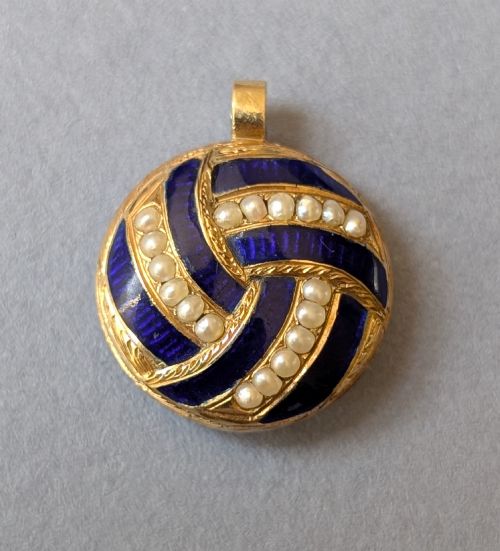
When you search for an antique enamel medallion, you encounter small decorative discs, plaques, and pendants that incorporate fused glass powders onto metal or ceramic surfaces. These pieces frequently appear in pendant, charm, and decorative plaque formats dating from the eighteenth century through to the early twentieth century.
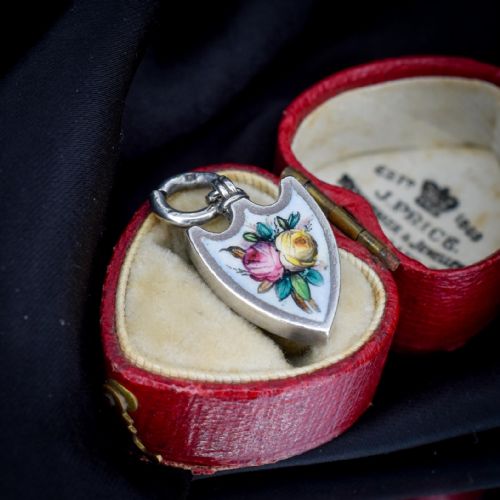
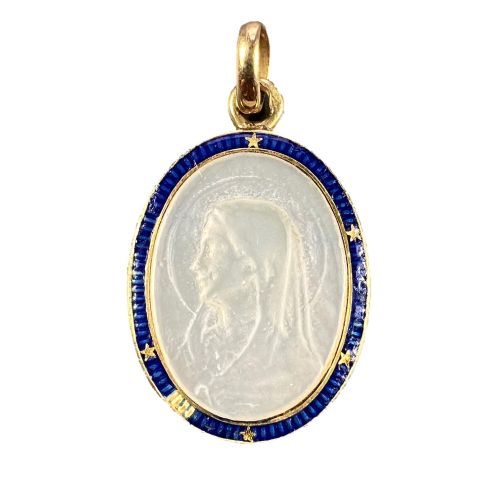
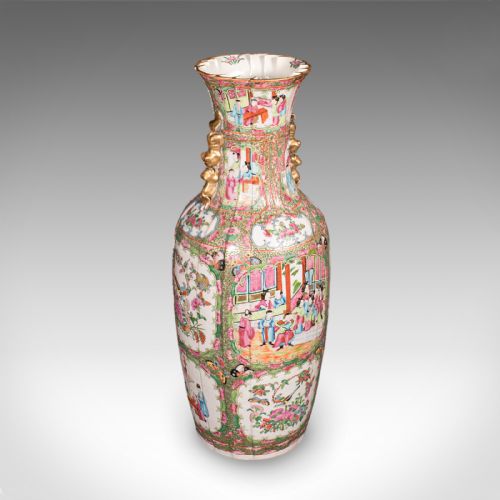
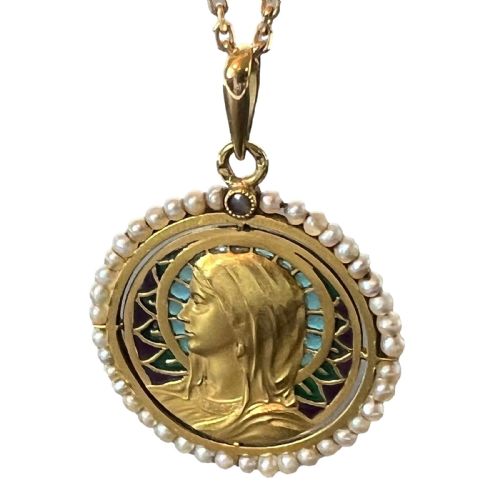
The selection here draws heavily from French devotional pieces, Scandinavian silver work, and Chinese export ceramics sharing similar medallion motifs. You find devotional subjects such as the Virgin Mary alongside floral shield charms and heraldic coats of arms executed in rich polychrome palettes.
How they were made
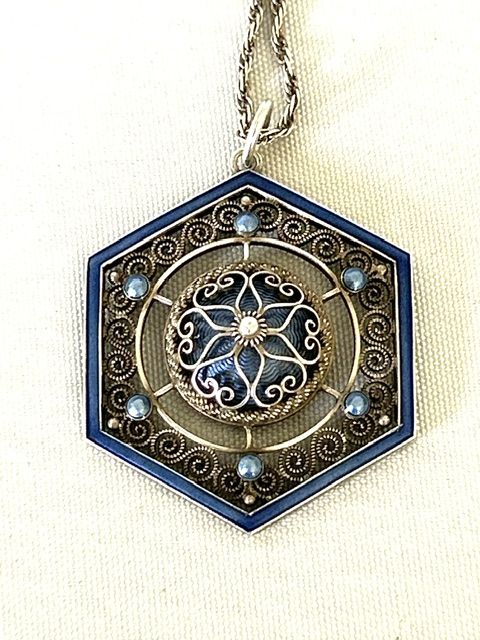
Craftsmen built these pieces using vitreous enamel fused to solid bases of silver, eighteen-carat yellow gold, or copper. Techniques such as guilloche engraving and translucent plique-a-jour allow light to pass through the coloured glass layer, creating depth across the metal surface.
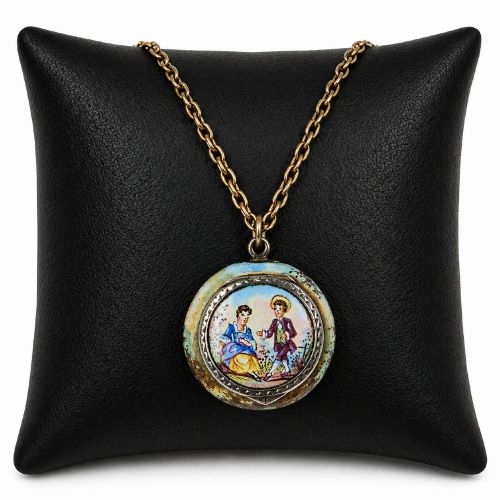
Plaques and pendants often combine hand-painted pictorial details with cast metal suspension loops or gilt frames. Artisans applied layers of powdered glass and fired them repeatedly in a kiln to achieve permanent vitreous colour.
Some medallions double as tiny windows for holy light, while others conceal tiny folding prayer books inside.
What varies in quality
Quality rests in the precision of the metal chassis and the clarity of the vitreous enamel work. Finer examples display even glass fusion without bubbling, alongside crisp hand engraving on the underlying silver or gold.
Marius Hammer·Charles Horner·Henry Pierce Bone·Sellier
The Antique Enamel Medallion Glossary
- Guilloche
- A decorative mechanical engraving technique that etches precise geometric patterns into a metal substrate beneath translucent enamel. This method creates shimmering light effects across pendants and inkwells.
- Plique-a-jour
- An enamelling technique where the glass is fired in open metal cells without a backing, producing a stained-glass window effect. Light passes directly through the translucent colours.
- Vitreous enamel
- A material made by fusing powdered glass to a metallic substrate at high temperatures. The resulting glossy coating resists tarnishing and retains its original colour indefinitely.
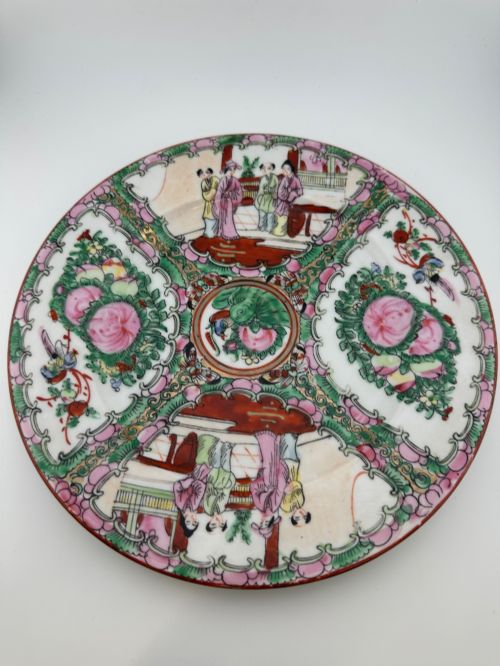
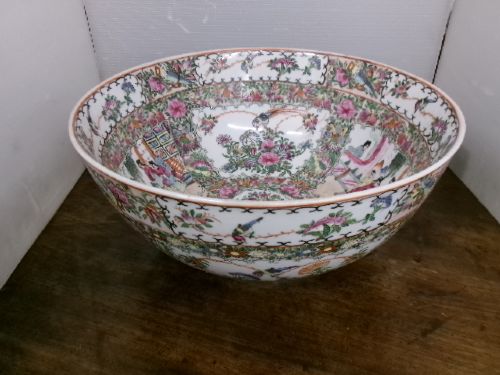
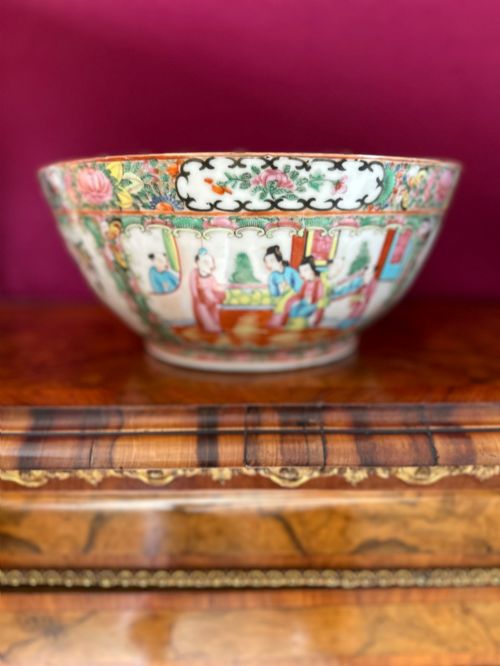
- Rose Medallion
- A distinct style of Chinese export porcelain decorated with panels of figures, birds, and flowers in pink and green enamel. These large bowls and vases date mainly through the nineteenth century.
Antique Enamel Medallion: Frequently Asked Questions
What is an antique enamel medallion?
An antique enamel medallion is a small portable art object or piece of jewellery featuring fused glass designs on metal. They were produced across Europe and Asia in various periods.
These pieces often depict religious figures, floral motifs, or heraldry. Makers mounted them as pendants, charms, or decorative plaques for personal adornment and display.
How do I date an enamel medallion?
Dating relies on examining the metal hallmarks, the mounting style, and the manufacturing technique. Georgian and Victorian pieces often show hand-wrought backs and distinct bezel settings.
Later pieces from the early twentieth century utilise machine-led guilloche patterns and specific Art Nouveau or Edwardian aesthetic markers. Maker marks stamped into the silver or gold provide a direct link to active registration years.
How were these medallions worn?
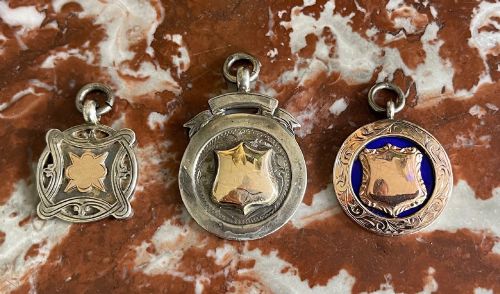
People wore these items suspended from chains as pendant necklaces or attached them to chatelaines and watch fobs. Smaller versions served as charm bracelets and devotional medals.
Some examples function as decorative plaques for interiors or small desk accessories rather than personal jewellery. Their versatile sizing made them popular across multiple social classes throughout the nineteenth century.
How do I care for antique enamel?
Care involves protecting the glass surface from sharp impacts and sudden thermal shocks. Enamel is essentially glass and can chip or crack if dropped against hard surfaces.
Clean the metal and glass gently using a soft, dry cloth without harsh chemical dips. Store each piece individually to prevent the metal mounts from scratching adjacent enamel panels.