


Vintage Silver Ice Pail
A vintage silver ice pail brings functional glamour to a home bar, offering chilled hospitality shaped by a century of changing design.
Vintage Silver Ice Pail
A vintage silver ice pail encompasses barware designed to keep ice or bottles cold, spanning periods from the nineteenth century through the mid-twentieth century. The selection ranges from compact table pails to substantial champagne coolers.
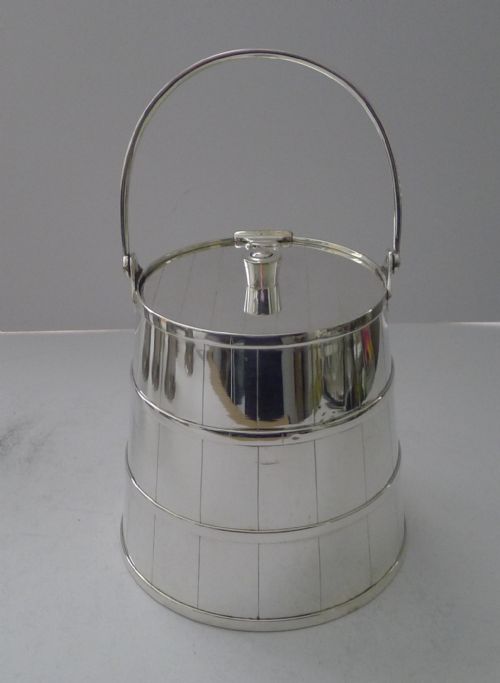
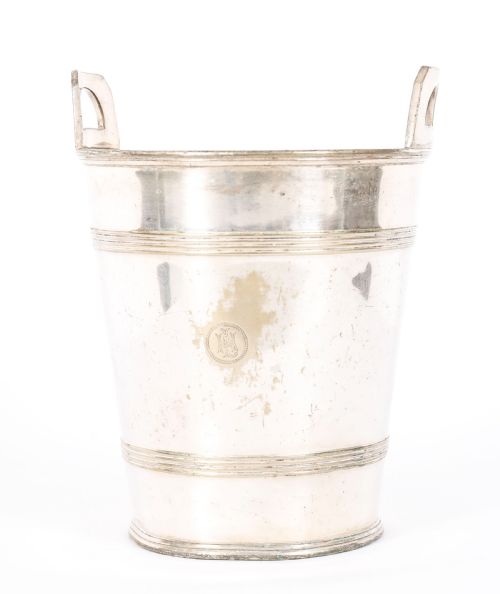
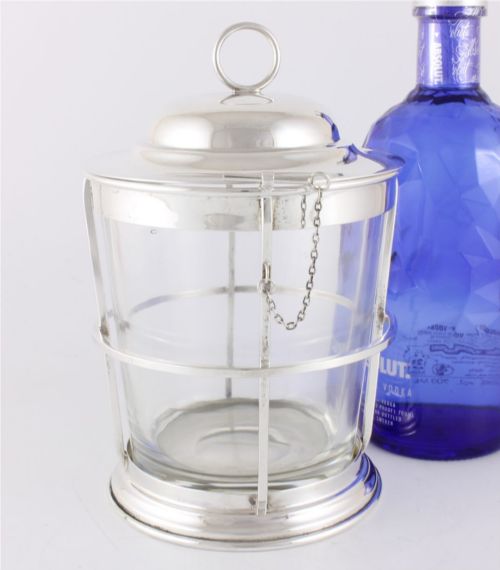
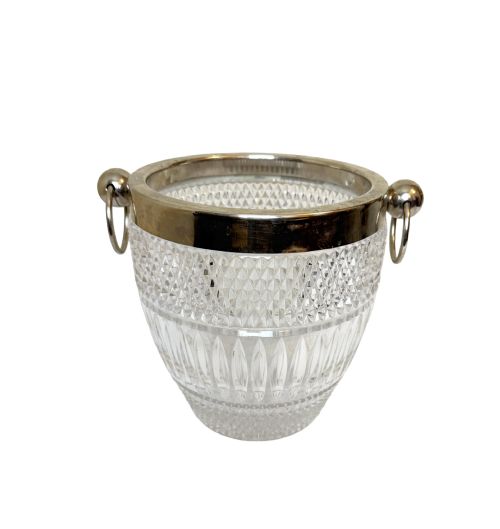
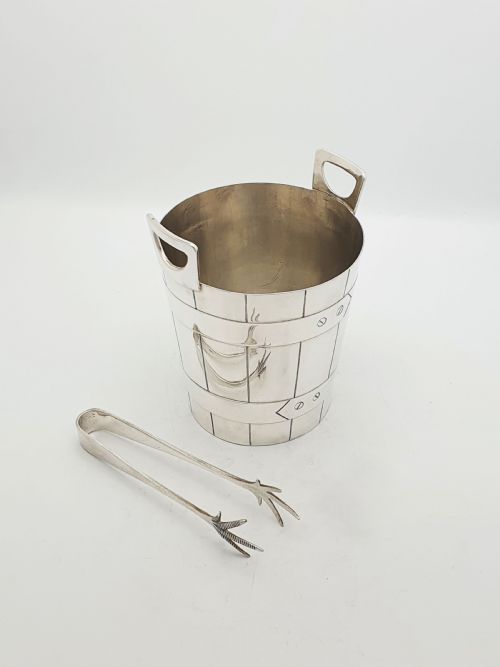
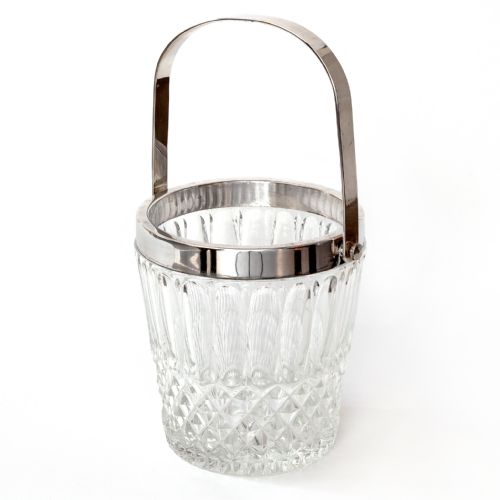
Buyers will encounter various forms when searching for a vintage silver ice pail, including cut glass liners, barrel shapes, novelty biscuit boxes, and ship's lantern designs. Many examples originate from English, French, and Italian workshops.
The materials combined in these vessels reflect distinct eras, uniting metal plating with glass, lead crystal, copper, and oak. Certain forms incorporate specific accessories such as claw tongs, talon tongs, and draining spoons.
How they were made
Makers utilised silver plate, Old Sheffield plate, and solid silver over foundational metals like copper, shaping them through embossing, casting, and plating techniques. Heavy lead crystal and cut glass vessels were blown and wheel-cut to fit metal mounts precisely.
Composite pieces integrated wooden elements such as oak staves with metal bands, occasionally housing ceramic creamware liners inside the wooden barrels. Handles, rims, and lids often featured cast detailing like cherubs, dolphins, or lion claws.
Materials documented across the inventory include silver plate, Old Sheffield plate, cut glass, lead crystal, copper, oak, and ceramic creamware.
What varies in quality
The weight of the metal and the thickness of the glass or lead crystal dictate the physical presence of the object, with heavier vessels indicating substantial manufacture. Quality also rests on the crispness of chased or embossed ornamentation and the integrity of the plating over the base metal.
Makers' marks and workshop signatures elevate certain pieces, distinguishing standard commercial production from documented work by notable silversmiths and manufacturers. The survival of matching original components, such as tongs, draining spoons, and liners, defines the completeness of the object.
Hutton Sheffield·PH Vogel·Dawson·Christofle·Matthew Boulton and Co·Luc Lanel·Macabo
The Vintage Silver Ice Pail Glossary
- Old Sheffield plate
- A composite material made by fusing a thin sheet of silver to a thicker copper core. This technique predates modern electroplating and is identified by a thin line of exposed copper at the edges.
- Silver plate
- A layer of silver deposited onto a base metal, commonly nickel silver or copper, through electroplating or chemical processes. It provides the appearance of solid silver at a different weight and cost.
- Lead crystal
- Glass containing a significant proportion of lead oxide, which increases brilliance, weight, and clarity. It is frequently cut with geometric or floral patterns to catch the light.
- Creamware
- A type of fine earthenware developed in the eighteenth century with a pale yellowish-cream glaze. It appears in certain fitted interiors of wooden barware.
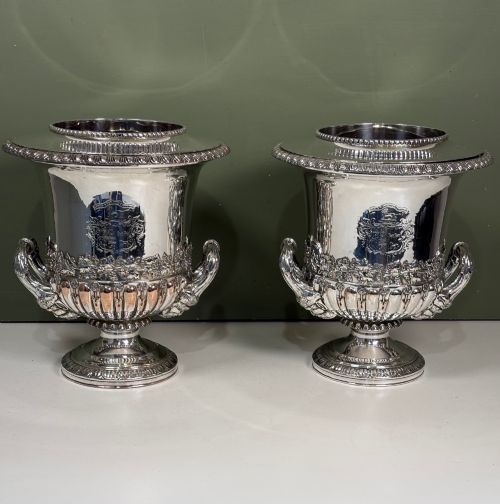
- Old Sheffield plated wine cooler
- A heavy-walled vessel designed to chill wine bottles, often produced with classical proportions during the nineteenth century.
Vintage Silver Ice Pail: Frequently Asked Questions
How do I clean a silver plated ice pail?
Wash the vessel gently using warm water, mild soap, and a soft cloth to protect the plated surface from abrasion. Avoid harsh chemical dips that strip the underlying metal.
Dry the metal completely after washing to prevent water spotting. Use a specialised silver polish sparingly only when tarnish requires removal.
Can I use these ice pails for daily entertaining?
These vessels are robust enough for regular use, provided they are handled with care and dried thoroughly after holding ice or wine. The materials, from thick crystal to plated copper, withstand practical hosting tasks.
Protect interior liners and wooden staves from prolonged standing water to preserve the materials. Empty melting ice promptly after use.
How do I date a silver ice pail?
Examine the style, construction marks, and material combinations to establish a period of manufacture. Art Deco geometric lines point toward the nineteen-twenties and thirties, while heavier embossing often aligns with Victorian periods.
Look for maker stamps and registry marks on the base of the metal. These often provide specific clues to the workshop and decade of production.