


French Art Deco Bucket
A french art deco bucket brings geometric rigour and clean metalwork to the table, serving as an exceptional wine cooler or ice vessel.
French Art Deco Bucket
A french art deco bucket typically takes the form of a champagne cooler, wine bucket, or ice vessel, shaped with clean, modernist lines from the early decades of the twentieth century. These pieces serve practical hosting duties while displaying the characteristic aesthetic of the period.
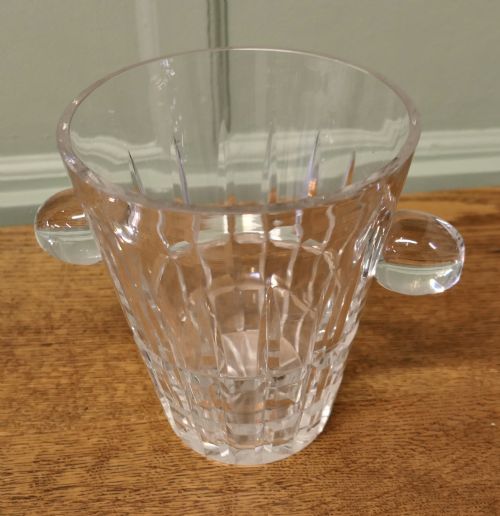
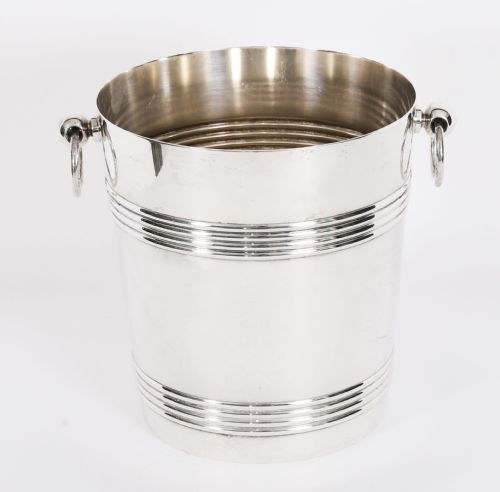
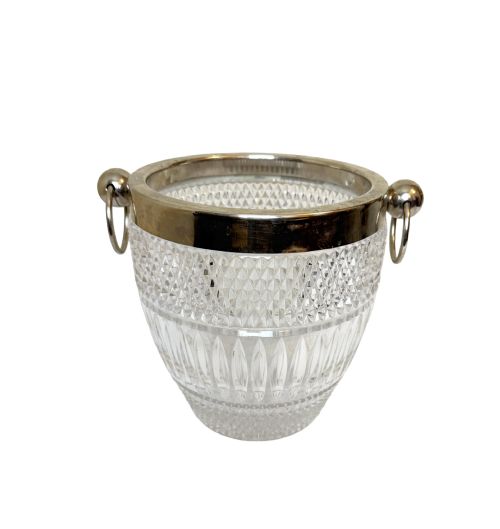
Silver-plate dominates the selection, accompanied by cut crystal, hand-blown glass, copper, brass, and chrome. Forms range from straightforward cylindrical wine coolers to heavy crystal ice buckets and large dinanderie copper planters or log bins.
Originating predominantly from Parisian workshops and major silversmiths, these vessels span production dates from the nineteen-twenties through to nineteen-forty. Buyers encounter both domestic ice buckets and substantial restaurant-grade champagne coolers.
Materials and construction
Makers utilised heavy silver-plating over base metal or applied chrome finishes to achieve a bright, durable surface capable of withstanding constant contact with ice and water. Copper and brass pieces often employed dinanderie techniques, involving beaten and patinated metal surfaces.
Glass and crystal components were hand-blown and subsequently cut with geometric facets or linear patterns that catch the light. Silver-plated mounts, swing handles, and applied bands were soldered or riveted to the main body with precision.
Listings feature periods spanning from nineteen-hundred to nineteen-forty, with materials ranging from silver-plate and chrome to cut crystal and copper.
Evaluating the standard
Substance and weight distinguish the best examples, as heavier metal gauges and thick-walled crystal provide durability and thermal retention. Maker attribution significantly elevates a piece, particularly when bearing marks from established Parisian houses.
The crispness of the cutting on crystal and the integrity of the silver-plate over the underlying metal define the visual success of the object. Clean proportions and well-integrated handles separate utilitarian vessels from finer studio productions.
Christofle·Luc Lanel·Ercuis·St Medard·Le Chardon·Berger
The French Art Deco Bucket Glossary
- Dinanderie
- A term for worked and patinated brass or copper objects, often finished with chemical treatments or geometric surface engraving. This technique creates rich, textured surfaces on vessels and planters.
- Silver-plate
- A process of bonding a thin layer of silver to a base metal such as copper or nickel silver. It provides the appearance of solid silver while maintaining structural rigidity.
- Gallia
- A high-grade silver-alloy and associated line utilised by Christofle for modernist tableware. Items bearing this mark indicate specific luxury production standards.
- Champagne cooler
- A deep vessel designed to hold ice and water alongside a wine bottle. These pieces often feature sturdy side handles for transport.
French Art Deco Bucket: Frequently Asked Questions
How do I clean a silver-plated bucket?
Use a soft cloth and a dedicated silver cream designed for plated items to maintain the shine without removing the thin metal layer. Avoid abrasive pads or harsh chemical dips.
Rinse the interior thoroughly with warm water and dry immediately to prevent water spots from forming on the metal surface.
Were these buckets meant for wine or ice?
Makers produced these vessels for multiple hospitality uses, including chilling champagne bottles, holding table wine, or serving ice cubes at a bar. Their deep proportions accommodate various bottle sizes.
Smaller iterations typically function as ice buckets, while taller, wider cylinders serve as dedicated wine and champagne coolers.
How can I tell a nineteen-twenties piece from a nineteen-forty piece?
Pieces from the nineteen-twenties often feature intricate cut crystal and more ornate geometric motifs, reflecting early modernist optimism. By the nineteen-forties, designs leaned towards streamlined, industrial silhouettes with minimal ornamentation.
Maker marks and stamped registry numbers can also help narrow down the exact production window when visible on the base.
Can I use these vintage coolers daily?
These robust metal and crystal vessels remain entirely functional for modern entertaining and hold ice or bottles reliably. Regular use adds to their storied patina over time.
Ensure that moisture is not left sitting inside unplated interiors for extended periods to preserve the metal.