
Vintage Silver Cane
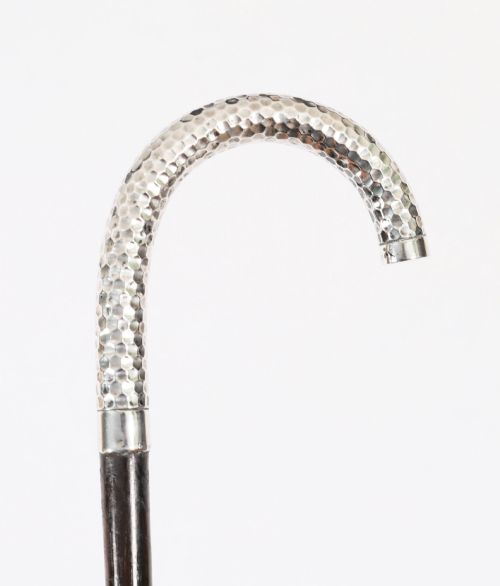
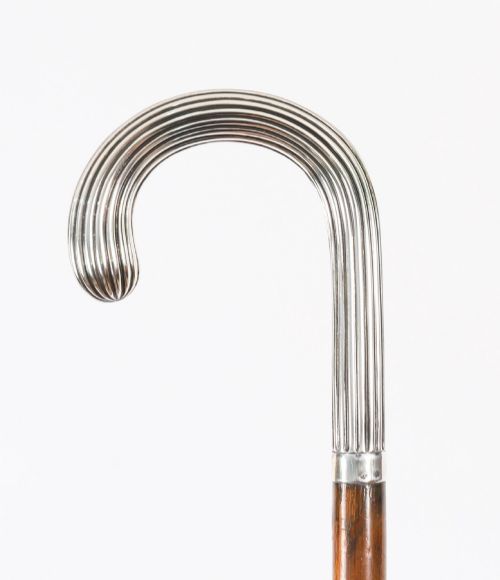
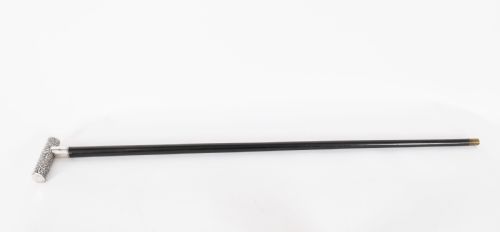
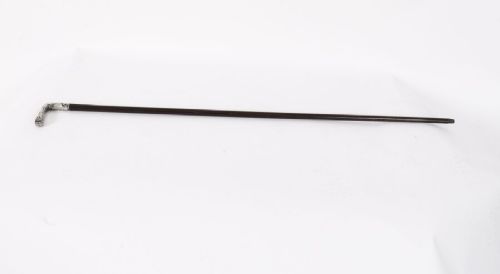
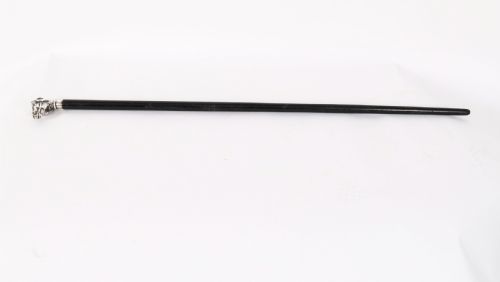
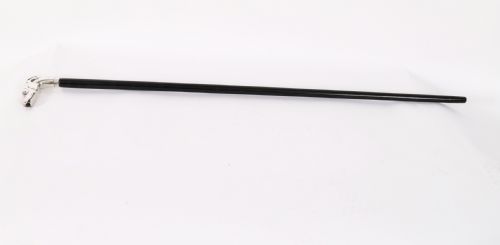
Vintage silver cane designs combine functional support with sculptural handles, offering collectors striking examples of nineteenth and early twentieth-century metalwork.
Vintage Silver Cane
When you search for a vintage silver cane, you encounter walking aids and gentleman's accessories featuring metal handles, collars, or mounts. The selections span the nineteenth century, the Victorian and Edwardian eras, through to the Art Deco period.
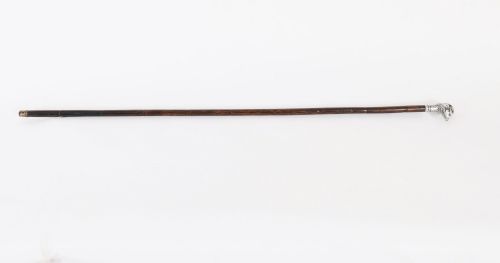
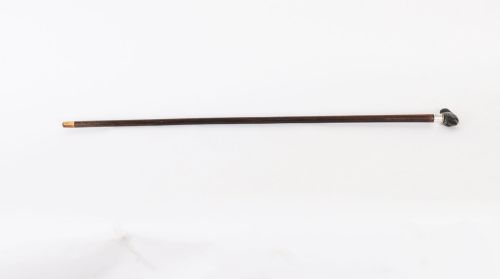
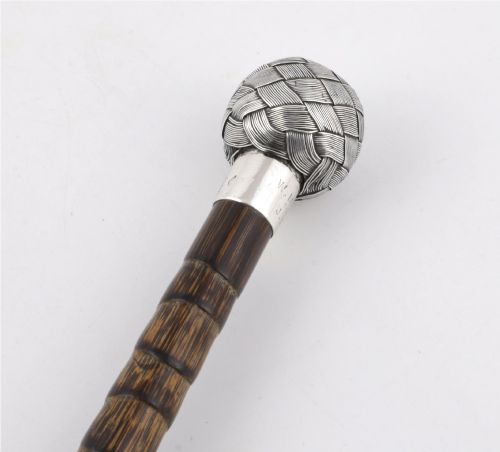
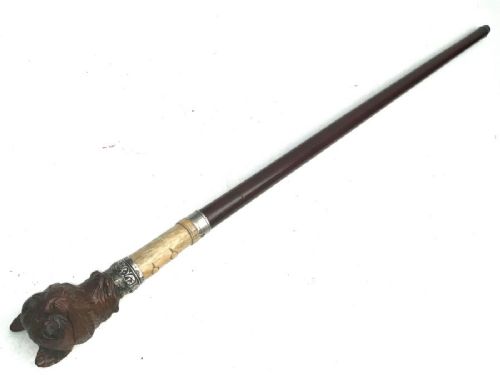
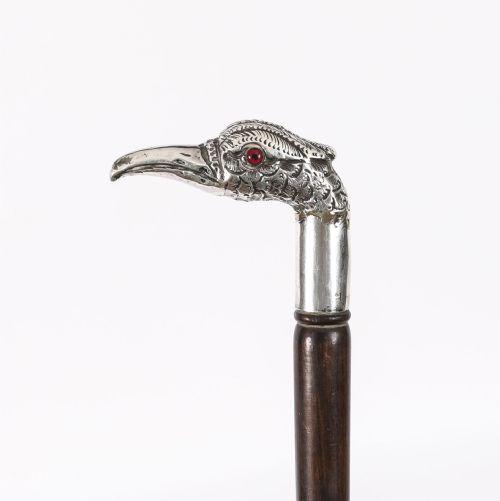
Handles take many forms, including carved animal heads such as ducks, horses, greyhounds, pheasants, boars, and rabbits, alongside novelty designs, wire knots, and floral motifs. Shaft materials paired with the silver include wood, bamboo, snakewood, hazel, and ebonised hardwood.
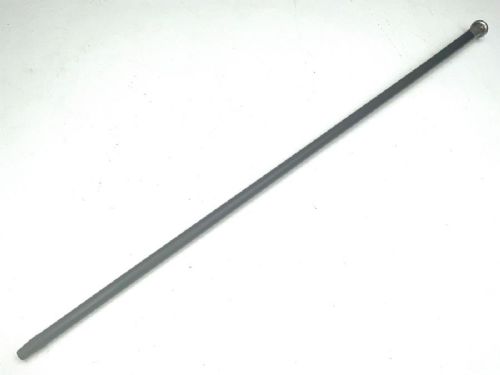
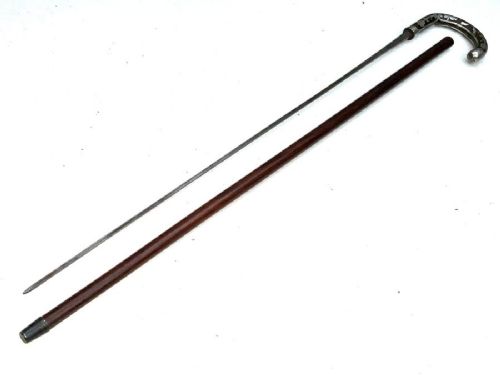
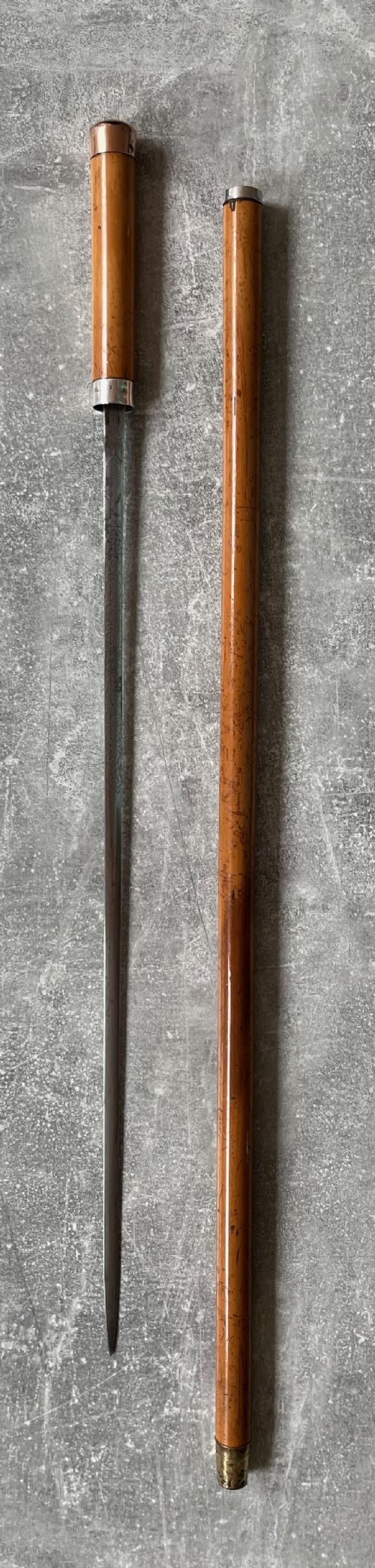
Specialised variants also appear within these listings, including sword sticks with concealed blades, gadget canes with hidden corkscrews or watch movements, and child-sized walking sticks. Continental, French, Chinese Export, and English origins all contribute to the variety found on this page.
How they were made
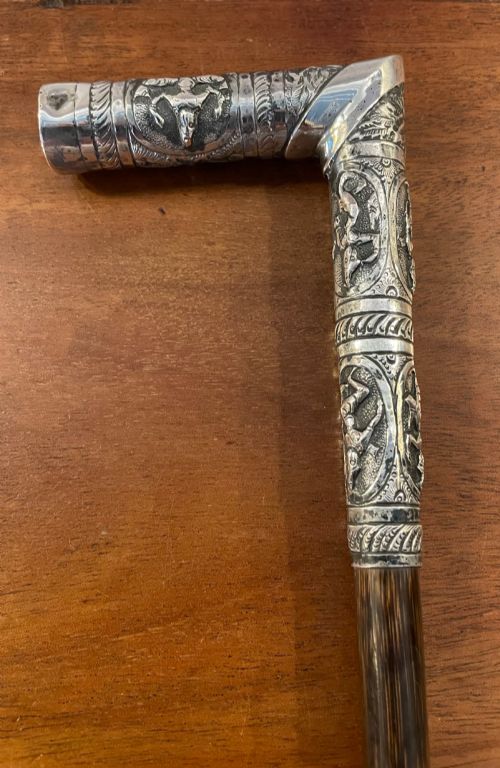
Silversmiths shaped the metal handles through casting, repoussé, and hand-engraving, often mounting them onto wooden shafts using silver collars or pins. Woods such as malacca, rosewood, and chestnut provided sturdy, flexible shafts that could support daily use.
Blades for sword sticks came from established makers like Wilkinson or utilised Toledo steel, fitted securely inside the wooden shafts. Horn, bone, and leather coverings further augmented the construction of handles and shafts during the Victorian and Edwardian periods.
Among the functional supports hide secret sword blades, hidden corkscrews, and even a watch opera cane.
What varies in quality
Quality rests in the sculptural detail of the silver handle and the integrity of the join between metal and shaft. Sculpted animal heads with deep chiselling, clear hallmarks, and undamaged engraving represent higher tiers of craftsmanship.
The choice of shaft material also dictates standard, with dense hardwoods like snakewood or finished malacca demonstrating greater durability than simpler domestic woods. Concealed mechanisms in sword sticks and gadget canes operate with greater precision in superior examples.
The Vintage Silver Cane Glossary
- Hallmark
- An official stamp applied to silver indicating purity, origin, and date of assay. These marks help historians date the piece accurately.
- Knop
- A rounded knob or handle at the top of a walking stick. It provides a comfortable grip for the user's hand.
- Malacca
- A type of rattan cane prized for its mottled brown surface and resilience. It formed the preferred shaft for many gentleman's sticks.
- Sword stick
- A walking cane containing a concealed blade within the shaft. They were carried for personal defence in urban and rural settings.
- Repoussé
- A metalworking technique where the silver is hammered from the reverse side to form a raised design in relief.
Vintage Silver Cane: Frequently Asked Questions
How were vintage silver canes used?
These pieces served primarily as walking aids, status symbols, and fashion accessories for gentlemen and gentlewomen during the nineteenth and early twentieth centuries.
Certain variants incorporated concealed blades or tools, functioning as covert personal defence items or gadget canes for leisure use.
How do I identify the period of a cane?
Stylistic indicators such as Art Deco geometric lines, Victorian naturalism, or French Belle Epoque motifs help assign a broad era to the piece.
Silver hallmarks stamped onto the metal mount provide the most reliable evidence for dating English and continental items.
What materials are common in these handles?
Solid silver, silver plate, and nickel form the primary metal components, frequently shaped into figurative animal heads or abstract knots.
Organic materials like horn, bone, and wood also appear as core handle elements or decorative collars.
How should I display a cane at home?
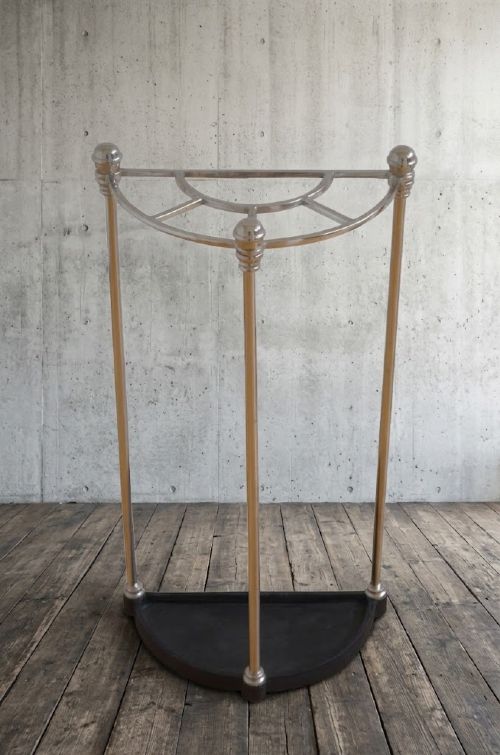
Sticks can be placed vertically in umbrella stands made from metal or ceramic, grouping them by height and handle style.
Wall-mounted display racks also allow collectors to exhibit the detail of carved silver handles horizontally.