
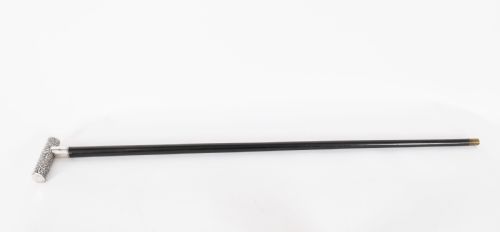
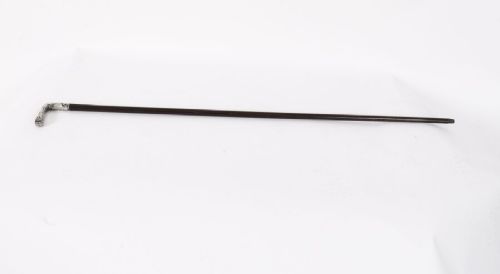
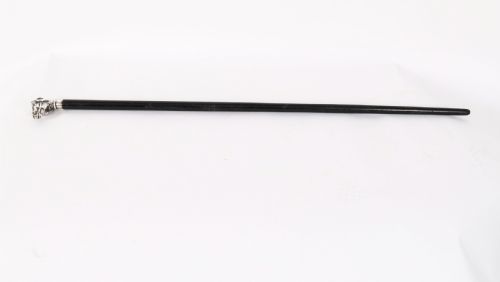
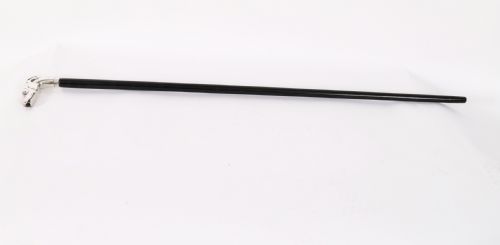


Ebonised Wood Stick
An ebonised wood stick is a dark, formal support, and collectors prize these pieces for their striking contrast between blackened timber and precious metal mounts.
Ebonised Wood Stick
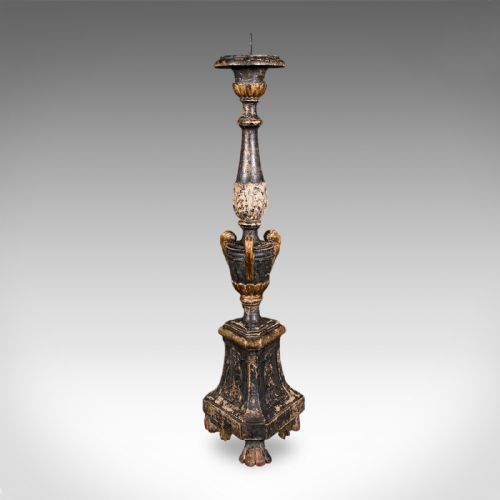
An ebonised wood stick takes several forms on this page, appearing principally as walking sticks and walking canes alongside occasional candlesticks and seating. The selection spans the nineteenth century, including specific dates such as eighteen seventy, eighteen eighty, and nineteen hundred, as well as the Georgian era.
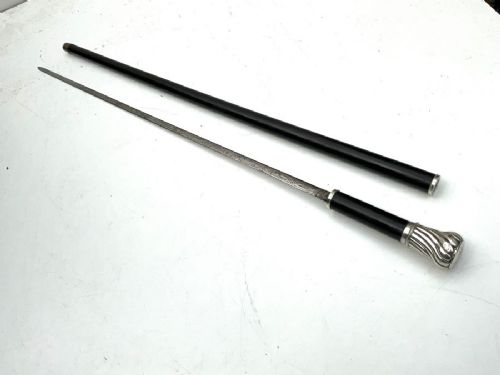
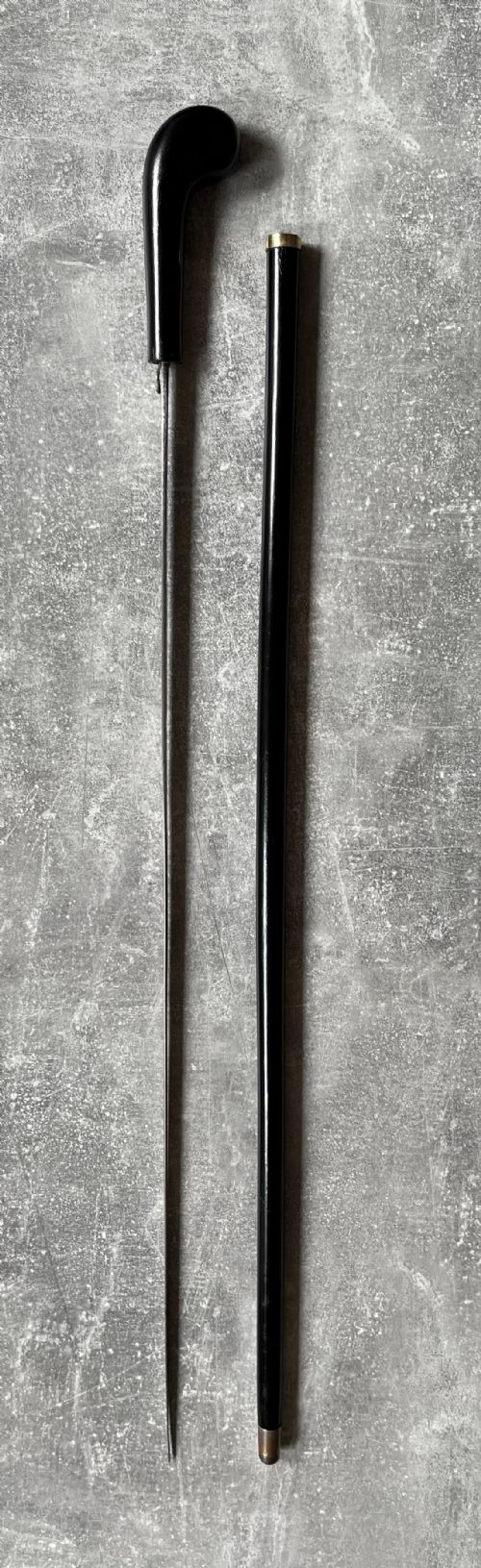
Walking sticks and canes dominate the offerings, often fitted with silver, brass, or steel mounts and occasionally housing a hidden blade. Buyers also encounter pieces featuring animal heads, such as horses and greyhounds, alongside Chinese export designs and timber flute variants.
Origins vary across English, French, Chinese export, and continental European workshops, reflecting diverse aesthetic traditions. The nineteenth-century Victorian pieces provide the bulk of the walking stick selection currently available.
How they were made
Maker's workshops produced the ebonised finish by treating timber with black stain or paint to imitate more costly ebony wood. Craftsmen then mounted these shafts with handles formed from silver, gold leaf, brass, or horn, securing them with metal collars.
Metalworking techniques allowed artisans to integrate functional elements like steel sword blades or internal flute mechanisms within the timber shafts. Silver mounts frequently display detailed chasing, engraving, or hallmarks that anchor the piece to a specific year and origin.
Listings feature ebonised wood combined with silver, brass, steel, and gold leaf across nineteenth-century and Georgian periods.
What varies in quality
Quality rests in the precision of the handle attachment and the integrity of the ebonised surface treatment over time. Superior examples exhibit crisp metalwork, such as finely modelled silver animal heads, and robust shaft construction without excessive surface wear.
The sophistication of the internal mechanism, whether a concealed Toledo blade or a playable flute, separates standard items from exceptional survivals. Hallmarks and documented maker details further distinguish pieces originating from established urban workshops from uncredited vernacular work.
Kendall And Sons
The Ebonised Wood Stick Glossary
- Ebonised
- Wood treated with a black finish to resemble genuine ebony. This process was widely utilised during the Victorian period for walking canes and decorative furniture.
- Pricket
- A sharp metal spike on a candlestick designed to hold a candle upright. This form appears on ebonised wooden candlesticks from the Georgian and Victorian eras.
- Hallmark
- An official stamp indicating the purity of precious metals and the year of assay. These marks help date silver-mounted walking sticks precisely.
- Toledo blade
- A steel sword blade produced in a Spanish city renowned for weapon-making. These blades are occasionally found concealed within nineteenth-century gentleman's walking sticks.
- Chinese export
- Goods manufactured in China specifically for Western markets during the nineteenth century. These items often feature distinctive motifs such as prunus blossom handles.
Ebonised Wood Stick: Frequently Asked Questions
What is an ebonised wood stick?
An ebonised wood stick is a piece of timber stained or painted black to mimic solid ebony, commonly fashioned into walking canes during the nineteenth century. These items often feature contrasting metal handles made of silver or brass.
Such objects served as fashionable accessories for gentlemen and ladies of the Victorian era. They combine practical support with decorative metalwork and occasional hidden utilities.
How do I date an ebonised walking stick?
Dating relies primarily on metal hallmarks found on the silver collars or handles, which record the assay office and year of manufacture. Stylistic details like animal motifs and regional turning methods also indicate the period.
Written records in listings often point to specific decades, such as eighteen seventy or eighteen eighty. Examining the construction of the shaft and the material of the handle offers further clues to the age.
Were all ebonised sticks used for walking?
Most pieces functioned as walking aids or fashionable dress canes for daily promenade. However, some examples incorporated hidden elements like steel sword blades for personal defence.
Other items catalogued under similar terms include wooden candlesticks and turned seating rather than walking aids. Each form served a distinct domestic or personal purpose in nineteenth-century life.
How should I display a walking cane?
Walking canes display effectively in traditional umbrella stands, wall-mounted racks, or dedicated floor holders. Their slender profiles allow them to fit into narrow hallways or beside period furniture.
Protecting the ebonised finish from direct sunlight and dry indoor heat preserves the black surface. Handling the silver mounts with care prevents unnecessary wear on the metalwork.