
Victorian Dress Stick
A victorian dress stick is a refined gentleman's accessory combining functional support with decorative metalwork, carved wood, or porcelain handles.
Victorian Dress Stick
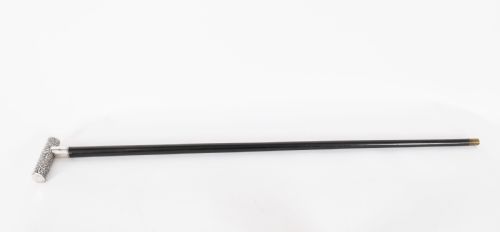
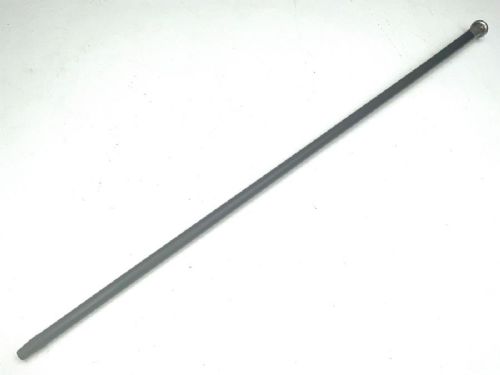
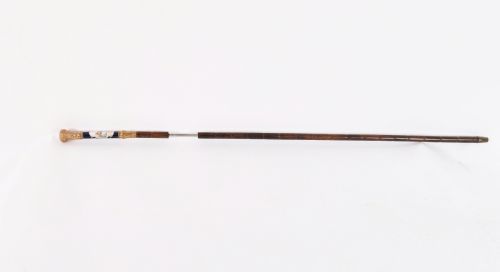
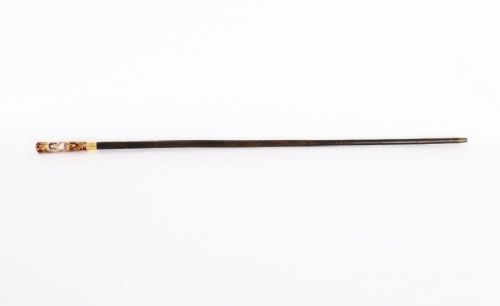
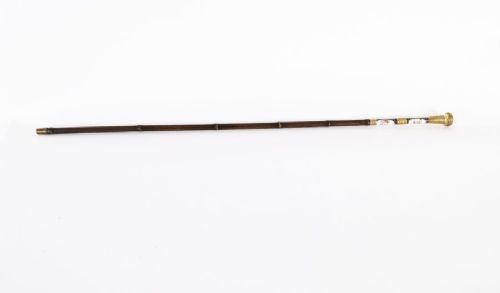
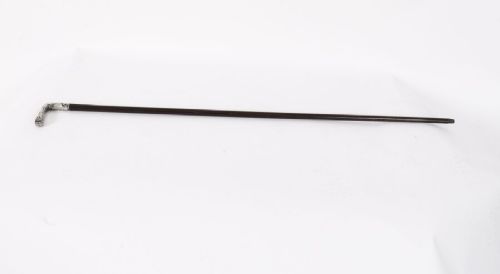
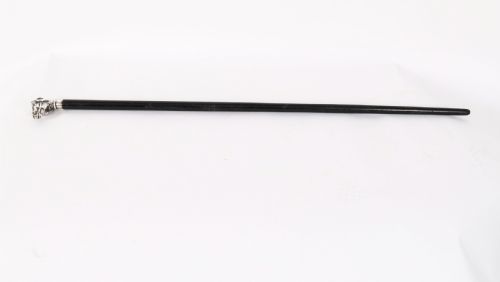
A victorian dress stick functions primarily as a sartorial accessory for nineteenth-century gentlemen, frequently appearing in forms designed for formal promenade or evening wear. The pieces documented here span the nineteenth century and the Edwardian period, incorporating specific iterations such as sword sticks, watch canes, and novelty animal heads.
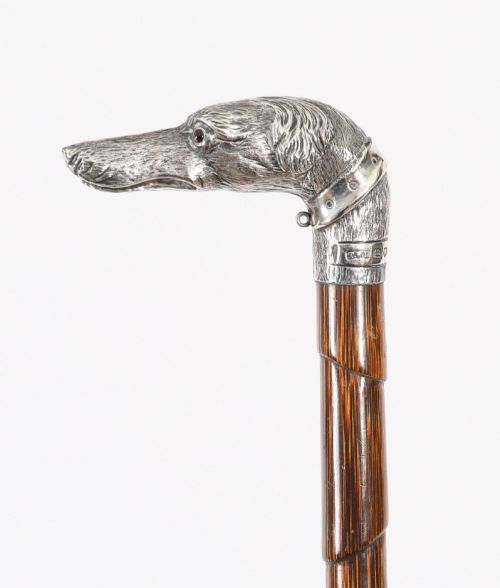
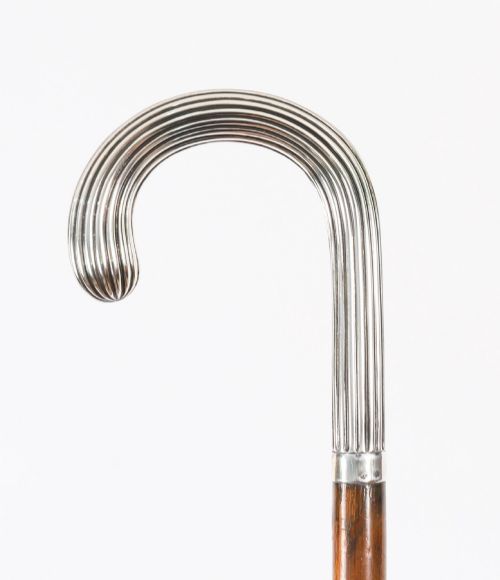
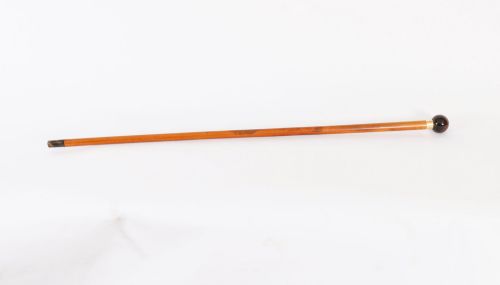
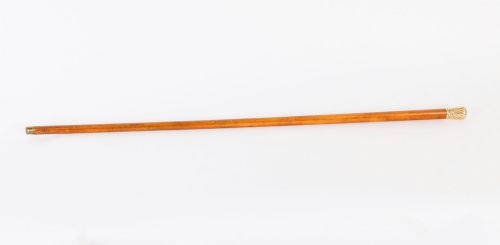
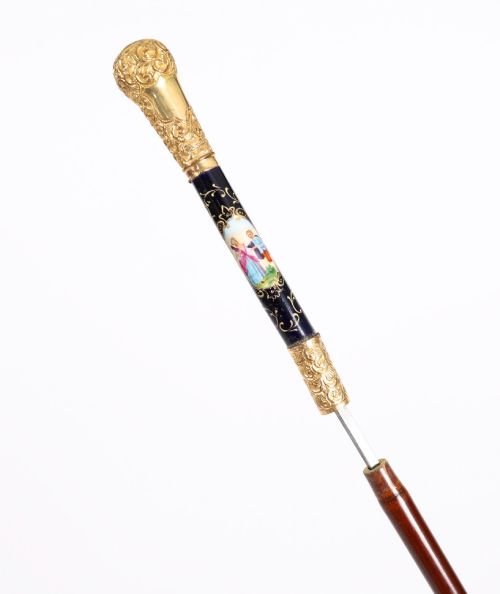
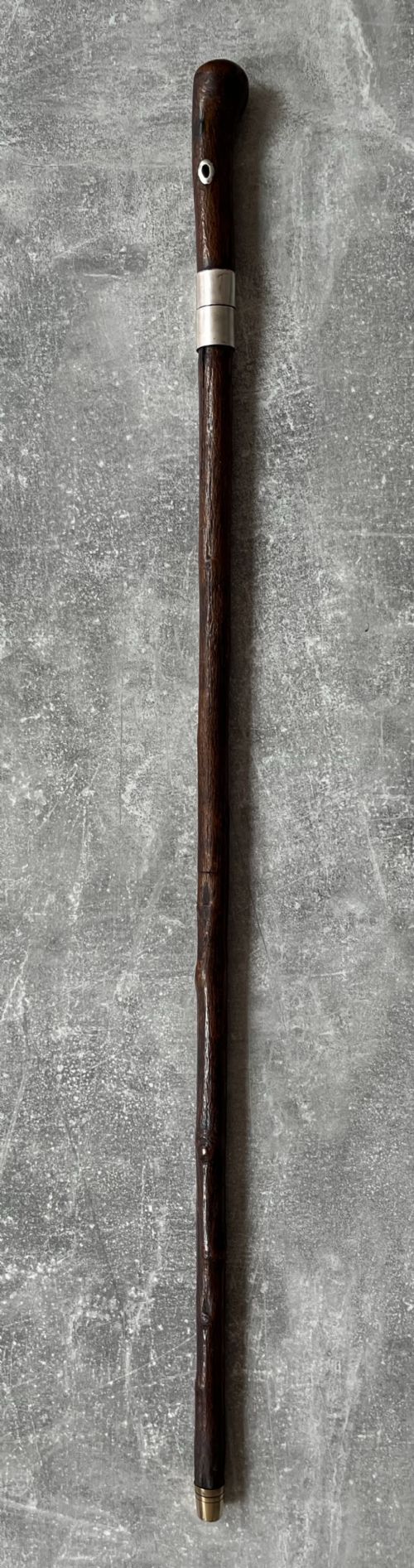
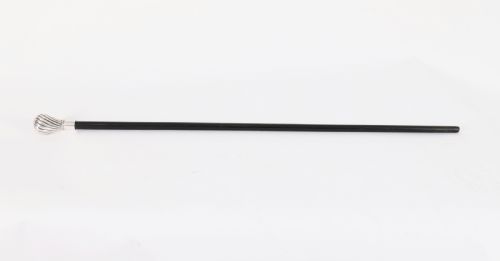
Handles dominate the visual interest of these objects, rendered in silver, gold pommels, porcelain, and carved fruitwood. Shaft materials vary between traditional hardwoods, ebonised wood, hazel, palm wood, and snakewood, often reaching lengths between eighty-five and one hundred centimetres.
Regional variations emerge clearly across the inventory, encompassing French, Chinese export, Anglo-Indian, and domestic English origins. Stylistic influences span traditional Victorian design, Rococo revival motifs, and Arts and Crafts simplicity.
Materials and construction methods
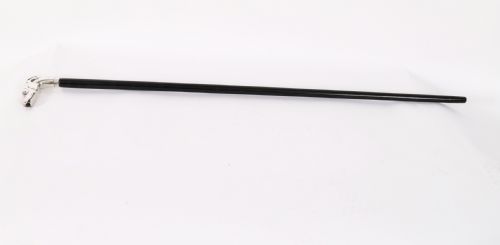
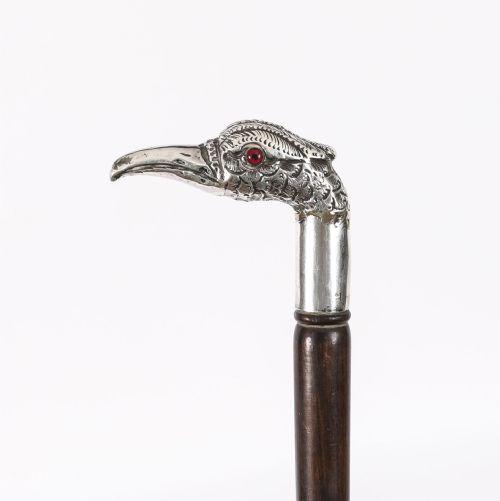
Metals such as silver, gold plate, brass, and steel form the pommels and handles, often decorated with embossed patterns or shaped into detailed animal forms like greyhounds, boars, horses, and pheasants. Precious metals frequently carry period hallmarks or maker marks, while structural elements rely on robust timbers.
Hidden mechanisms distinguish tactical variants, integrating concealed blades within sword sticks or pocket watches within watch canes. Joinery between handle and shaft depends on threaded metal collars or secure adhesives appropriate to the period.
Materials span silver, wood, steel, metal, ebonised wood, brass, porcelain, and hardwood.
Judging quality and craftsmanship
Finishing detail on the handle determines the upper tier of quality, seen in the hand-painted floral panels of porcelain tops or the intricate chiselling of silver animal heads. Mass-produced items display simpler cast ornament with minimal hand finishing.
Material selection dictates the structural integrity of the shaft, where dense hardwoods like snakewood or figured palm wood outlast plain painted timbers. The precision of the join between handle and shaft reveals the skill of the original maker.
Thomas Johnson·Henry Borlase Stevens·Hukin & Heath
The Victorian Dress Stick Glossary
- Pommel
- The decorative handle or knob fitted to the top of a walking stick. Pommels are often cast in silver, plated metal, or carved from wood and porcelain.
- Sword stick
- A covert walking cane containing a hidden blade within the wooden shaft. These dual-purpose items served protection and ceremonial needs.
- Ebonised wood
- Timber treated with a dark stain or finish to imitate ebony. This technique provides a uniform black surface popular in nineteenth-century accessories.
- Malacca
- A sturdy rattan cane imported from Southeast Asia known for its mottled brown surface and jointed nodes. It remains prized for its resilience.
- Chinese Export
- Items manufactured in China specifically for Western markets during the nineteenth century. These pieces often feature traditional local motifs applied to European forms.
Victorian Dress Stick: Frequently Asked Questions
How do I date a dress stick?
Dating relies on metal hallmarks, style indicators, and material choices recorded across the nineteenth and early twentieth centuries. Silver components often feature assay office stamps and date letters corresponding to specific years.
Stylistic shifts from Rococo revival curves to Arts and Crafts simplicity further narrow the manufacturing window. Comparative analysis of known makers provides additional chronological context.
Were all sword sticks used as weapons?
Many sword sticks served as fashionable self-defence tools for gentlemen navigating poorly lit nineteenth-century streets. The concealed blade offered practical security during urban transit.
Owners viewed these items as standard elements of formal dress rather than purely aggressive weaponry. The craftsmanship often matched or exceeded standard walking canes.
How should I display a walking stick collection?
Displaying walking sticks safely requires wall-mounted racks or vertical floor stands that support the weight evenly without stressing the handle joints. Direct sunlight should be avoided to protect wooden shafts and painted porcelain handles from fading.
Maintaining stable indoor humidity prevents timber shafts from warping or cracking over time. Periodic dusting preserves the finish of both metal pommels and polished woods.