
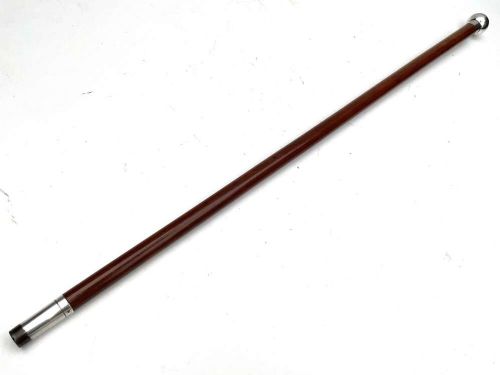
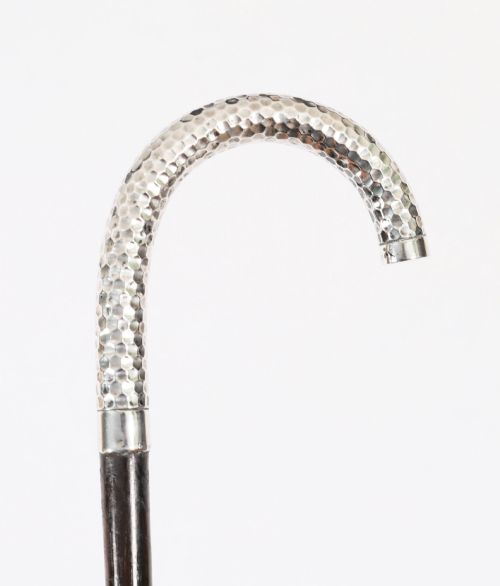
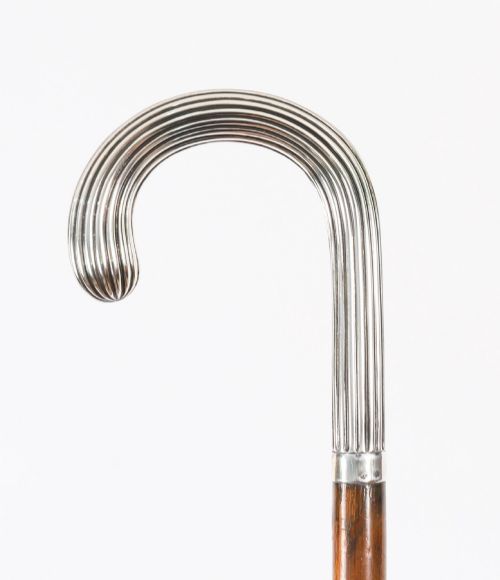
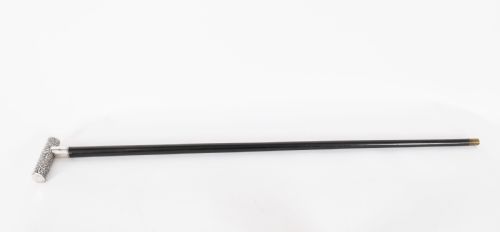


Silver Top Dress Stick
A silver top dress stick is a smart gentleman's accessory, combining a precious metal handle with a sturdy wooden shaft.
Silver Top Dress Stick
When you search for a silver top dress stick, you encounter formal walking canes designed for urban promenading rather than country support. The examples available span the Victorian and Edwardian eras, alongside pieces from the late nineteenth century.
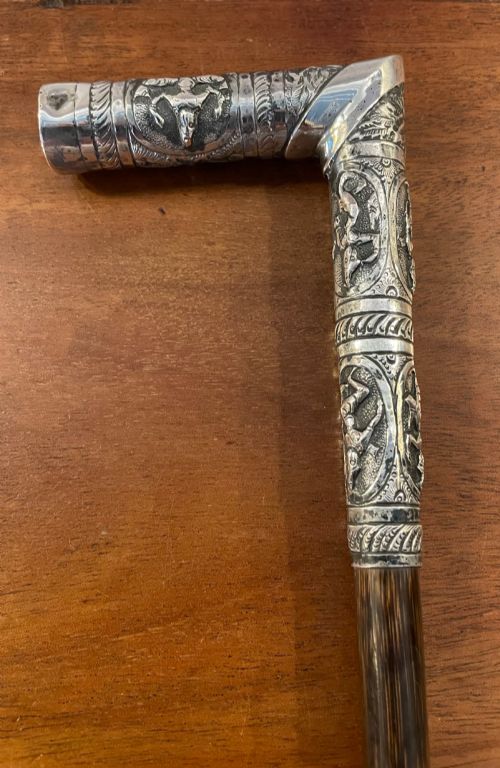
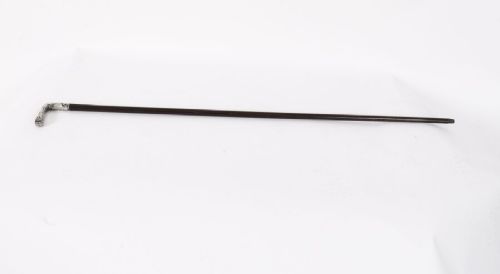
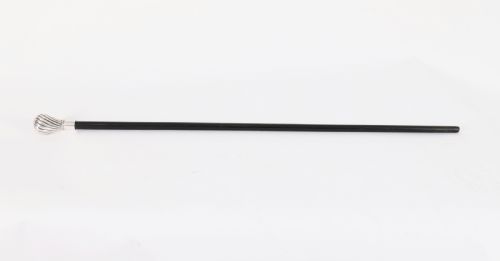
Most pieces pair a decorated metal handle with a slender shaft of ebonised wood, bamboo, or malacca. You will find both plain silver tops and figural designs shaped as animal heads, alongside rarer variants containing hidden blades or watches.
Origins vary between British workshops, French makers of the Belle Epoque, and Chinese export studios. Each piece reflects the formal dress codes of the nineteenth and early twentieth centuries.
How they were made
Handles are formed from solid silver or silver plate, frequently chased, embossed, or cast into detailed animal forms such as boars and hares. These metal caps are secured to the top of the shaft with small pins or internal screws.
Shafts utilise seasoned hardwoods including oak, snakewood, and palm wood, alongside flexible bamboo. Many wooden shafts receive an ebonised finish to create a deep black gloss that contrasts with the bright metal above.
Listings feature Victorian, Edwardian, and nineteenth-century periods, utilising materials including silver, ebonised wood, bamboo, and malacca.
What varies in quality
Quality rests primarily in the substance of the handle and the finesse of its craftsmanship. Solid silver tops with crisp, detailed chasing and clear hallmarks sit at a distinct advantage over thin silver-plated counterparts.
The choice and preparation of the shaft material also determine distinction. Straight, dense tropical hardwoods and properly finished malacca show a higher grade of manufacture than basic utility timber.
Brigg of London
The Silver Top Dress Stick Glossary
- Hallmark
- An official stamp applied to precious metals to indicate purity and origin. British pieces often display date letters and maker's marks.
- Ebonised
- Wood treated to imitate ebony. This dark finish gives the shaft a uniform black appearance.
- Chasing
- A metalworking technique where patterns are hammered into the front surface rather than engraved away. It creates relief decoration on the silver top.
- Malacca
- A slender rattan cane imported from Southeast Asia. It is prized for its mottled brown colouring and jointed bamboo-like rings.
- Export silver
- Items produced in regions such as China for Western markets. These pieces often feature traditional local motifs rendered in high-grade silver.
Silver Top Dress Stick: Frequently Asked Questions
What is a dress stick?
A dress stick is a formal walking cane intended to accompany day or evening attire in urban settings. Unlike heavier hiking staves, these focus on decorative appeal and refined proportions.
They served as a standard accoutrement for gentlemen during the Victorian and Edwardian periods, signaling social standing during walks in the park or visits to the theatre.
How do I date a silver cane?
Dating relies on hallmarks stamped onto the metal handle, stylistic cues in the chasing, and the overall construction methods. British pieces frequently bear assay office marks and date letters that pinpoint the exact year of manufacture.
Continental and Asian pieces often lack formal hallmarks but can be attributed through prevailing design styles of the late nineteenth century.
Were these canes used for support?
Most dress sticks are surprisingly light and served primarily as fashion accessories rather than orthopedic aids. The slender shafts and decorative handles are not engineered to bear heavy body weight.
Some robust examples with hardwood shafts offer minor support, but their main purpose remained ornamental.
What materials make up the shaft?
Shafts are constructed from a variety of timbers selected for straightness and strength. Ebonised oak and hardwood provide a sober, dark appearance, while malacca and bamboo offer natural patterning.
Exotic woods such as snakewood and palm wood appear on more ambitious pieces from the Victorian era.
How should I store my cane?
Canes are best kept upright in a dedicated stand or rack away from direct sunlight and damp conditions. Excessive temperature fluctuations can cause wooden shafts to warp or metal handles to loosen.
Gentle dusting of the silver top maintains its lustre without wearing away fine details.