
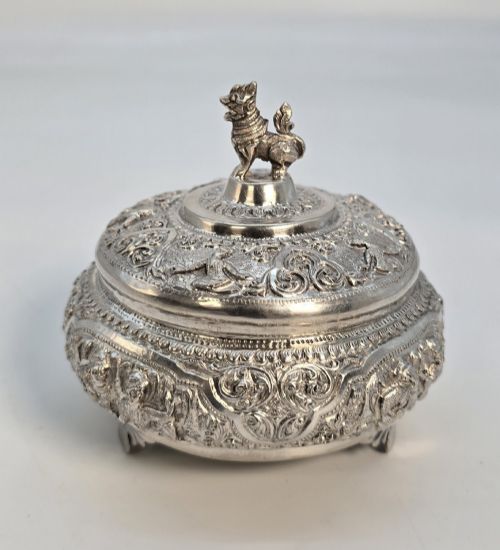


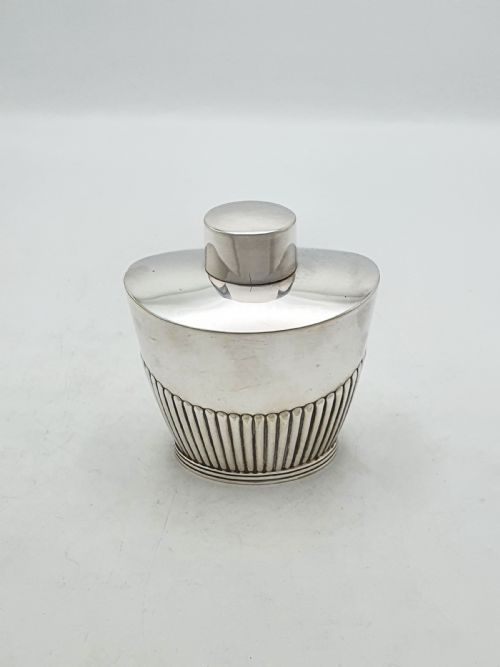


Vintage Silver Caddy Jar
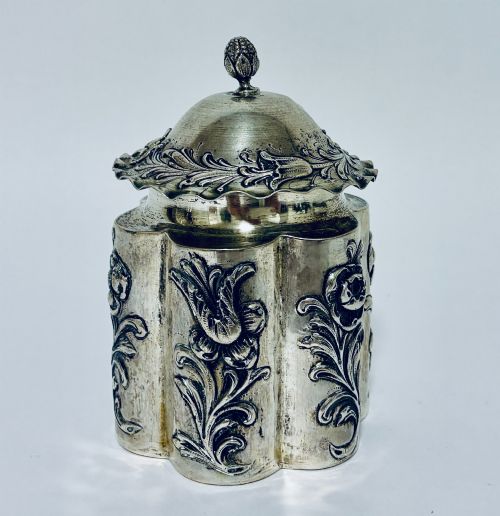
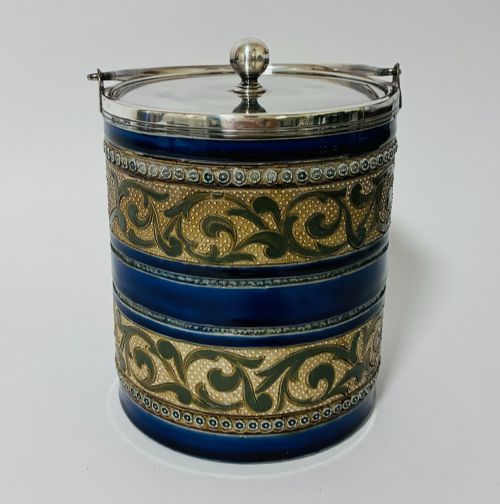
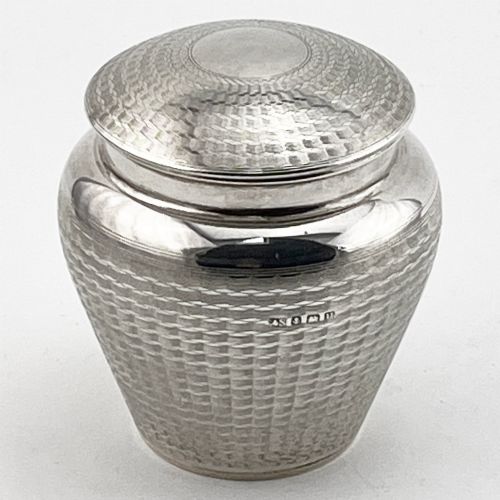
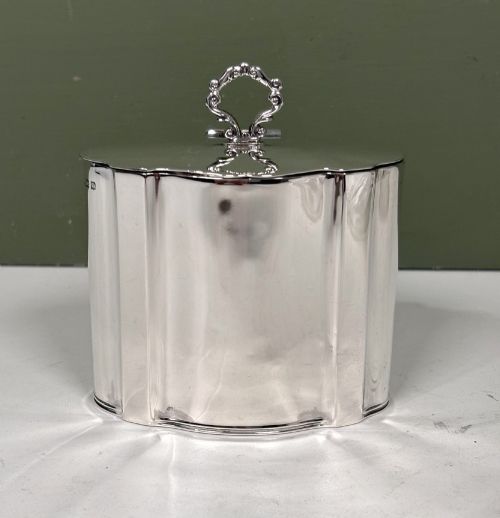
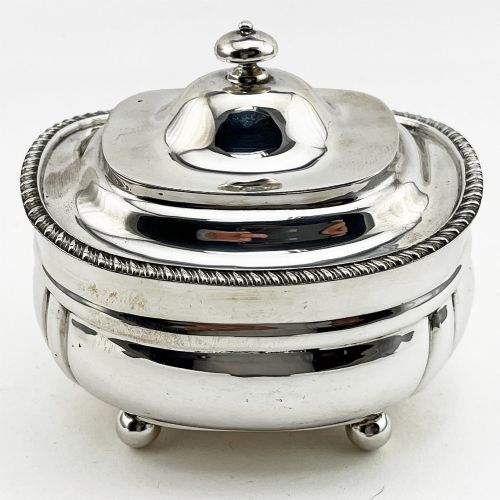
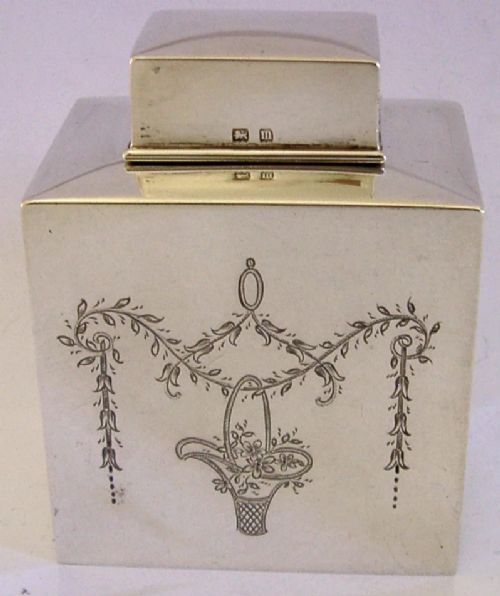
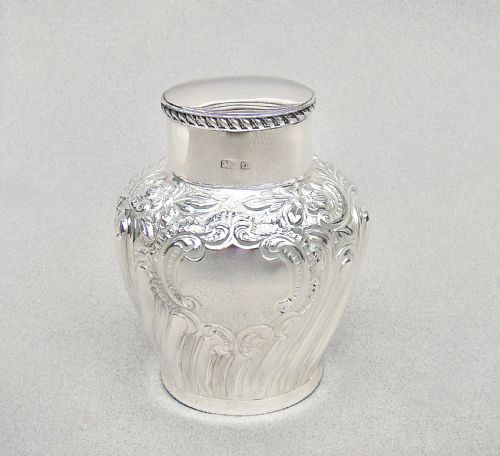
These vintage silver caddy jar examples span tea caddies, biscuit barrels, and lidded vessels, offering polished silver and cut glass to store dry goods.
Vintage Silver Caddy Jar
When searching for a vintage silver caddy jar, buyers encounter a diverse group of lidded containers designed originally for tea leaves, biscuits, or tobacco. The selection spans the Victorian, Edwardian, and Art Deco periods, drawing on styles from Rococo Revival to Anglo-Indian.
The form most frequently met is the tea caddy or the larger biscuit barrel. These pieces combine metal mounts, hinged lids, and bodies formed from sterling silver, silver plate, cut glass, earthenware, stoneware, or oak.
Origins range across English workshops, Scottish makers, and colonial Indian silversmiths. Each piece reflects the dining and drawing-room habits of the nineteenth and early twentieth centuries.
Materials and construction
Metals form the structural framework, utilising sterling silver and silver plate alongside solid oak timber for barrel bodies. Silversmiths employed techniques such as embossing, chasing, and mounting to secure metal rims, swing handles, and tight-fitting lids onto wooden staves or ceramic vessels.
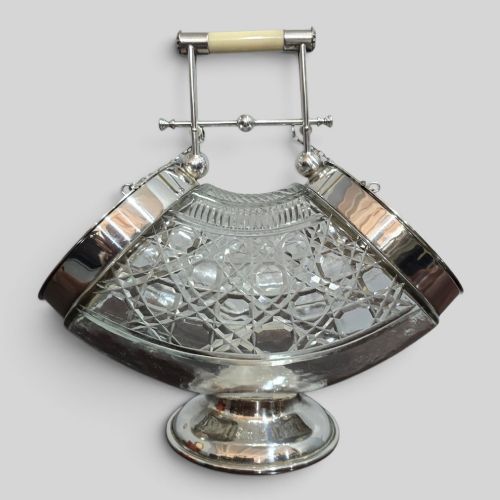
Glass bodies rely on heavy hobnail cutting or crystal blowing, fitted with pierced or engraved silver collars and covers. Earthenware and stoneware bodies, including Doulton Lambeth and flow blue ceramics, receive plated mounts that distribute weight and protect ceramic edges.
Some Victorian manufacturers turned solid metal into novelty weights, disguising biscuit storage as a heavy gym implement.
Distinctions in quality
The calibre of a piece rests on the thickness of the silver metal, the crispness of any embossed or chased detail, and the integrity of internal linings. Sterling silver examples with clear hallmarks from known makers demonstrate superior material value compared to plated alternatives.
Weight distribution and mechanism precision separate standard vessels from finer ones. Well-balanced swing handles, sound hinges, and unblemished cut glass or undamaged ceramic bodies indicate higher original manufacture and careful survival.
Thomas Hayes·Mappin & Webb·Ernest Druiff & Co·William Hutton·John Grinsell & Sons
The Vintage Silver Caddy Jar Glossary
- Biscuit barrel
- A covered vessel designed to hold biscuits on the dining table or sideboard. These often combine ceramic or glass bodies with silver plated swing handles and mounts.
- Tea caddy
- A small container built to store tea leaves securely before brewing. Interiors sometimes feature secondary Lids or dividing compartments.
- Silver plate
- A layer of silver fused to a base metal foundation, such as copper or nickel brass. This method offered the appearance of solid silver at a lower cost.
- Hallmark
- An official stamp applied to precious metals indicating the standard of purity, the assay office, and the date letter. Sterling silver pieces frequently display these marks on the body or lid rim.
- Hobnail cut
- A decorative facet pattern cut into glass vessels resembling the hobnails on stout boots. This technique catches the light across heavy crystal surfaces.
Vintage Silver Caddy Jar: Frequently Asked Questions
What is the difference between a tea caddy and a biscuit barrel?
Tea caddies are scaled for storing loose tea leaves, often featuring internal lids and smaller footprints intended for the tea table.
Biscuit barrels are larger cylindrical vessels designed to hold dry baked goods, commonly fitted with a prominent swing handle and a broader lid.
How do I care for silver and glass containers?
Silver components require gentle cleaning with a soft cloth and a dedicated silver polish to remove tarnish without abrading the surface. Glass and ceramic bodies wash safely in warm soapy water, keeping moisture away from any glued mounts or wooden elements.
Were these jars used for food?
These vessels served everyday domestic functions in Victorian and Edwardian households for storing tea, biscuits, and tobacco. Modern use mirrors this history for dry goods or display.
How do I identify the date of a piece?
Sterling silver items usually carry hallmarks that record the specific assay office and year letter of manufacture. Plated items rely on stylistic clues from periods like the Edwardian era or Art Deco.