





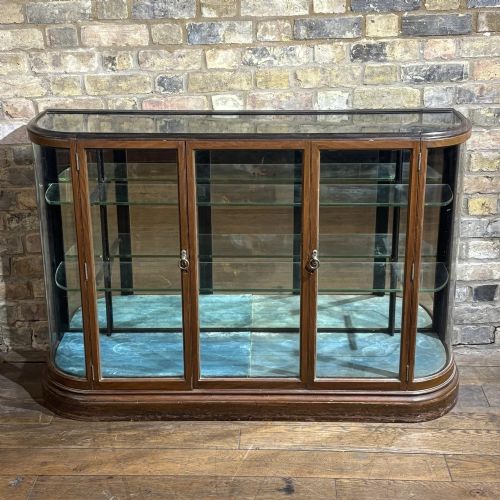
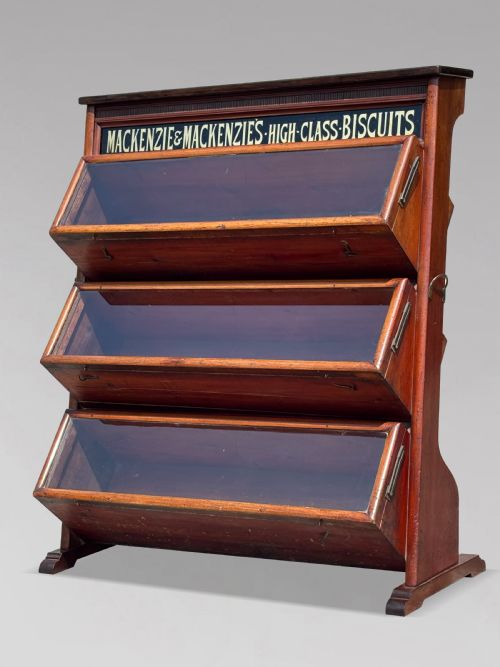
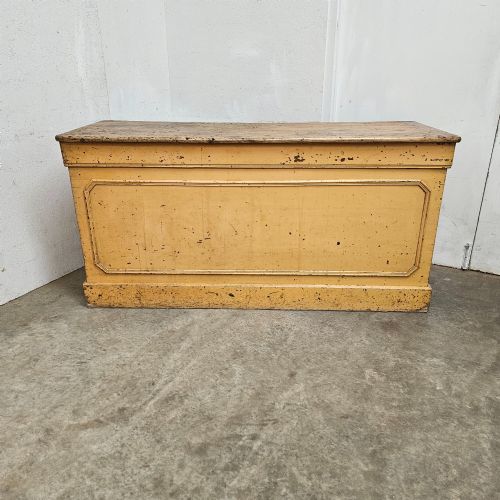


Vintage Shop Counter Cabinet
These vintage shop counter cabinet pieces bring commercial utility and glazed display into domestic spaces, offering sturdy timber frames and glass panels designed for merchant trade.
Vintage Shop Counter Cabinet
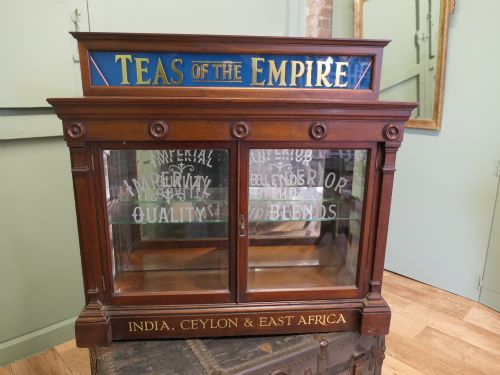
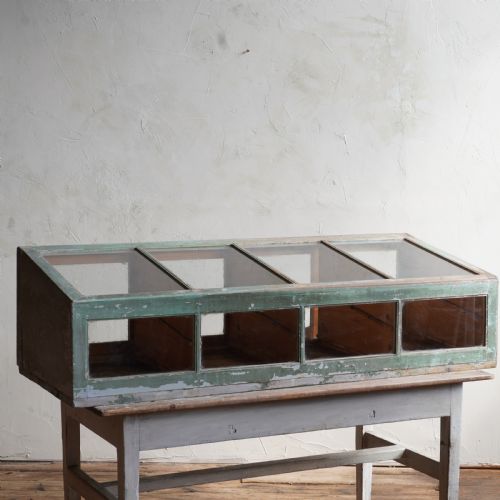
A vintage shop counter cabinet serves as a functional display unit or storage counter originating from commercial environments of the nineteenth and twentieth centuries. Buyers encounter variations ranging from tabletop glass cases to large freestanding oak and mahogany display counters.
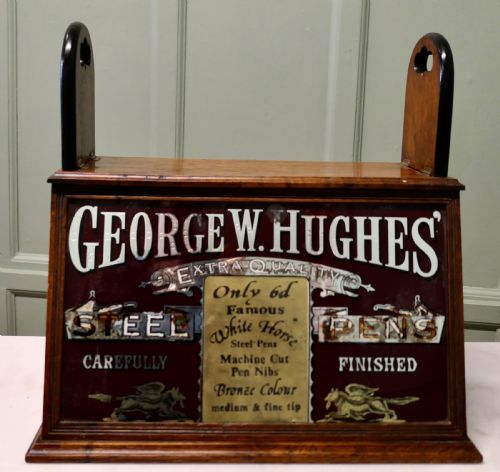
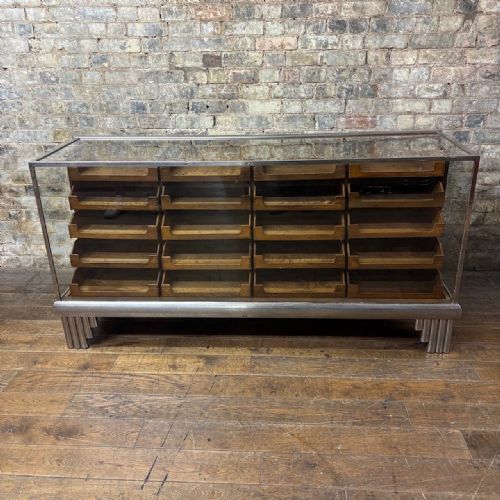
The selection includes specialised forms such as haberdashery cabinets with multiple drawers, chemist shop fittings, and dedicated advertising units. Pieces date from the Victorian and Edwardian eras through to the Art Deco period and the 1930s.
Origins span British commercial makers alongside French and Hungarian provincial workshops. Forms include bow end display units, pentagonal counters, and narrow countertop cases intended for retail goods.
Materials and construction methods
Construction relies heavily on durable hardwoods like mahogany and oak, alongside utilitarian pine and metal frames in aluminium or chrome. Glazing is standard for display elements, allowing merchandise to remain visible while protected within the shop interior.
Surface finishes vary from polished mahogany and ebonised wood to original painted schemes in white, cream, green, or distressed textures. Fixtures incorporate brass hardware, mirrored interiors, and multi-drawer carcases designed for heavy commercial use.
Vintage Shop Counter Cabinet Retail Price Guide 2026
Typical asking prices for vintage shop counter cabinet among the pieces listed under this phrase on Sellingantiques today, from the lower quarter to the upper quarter. They describe what is for sale here now, not the wider market.
Some cabinets still whisper tales of forgotten biscuits and chocolate bars through surviving Fry's and Mackenzie's advertising glass.
Evaluating standard and distinction
Quality rests upon the integrity of the original timber framing, the clarity and condition of the glass panes, and the retention of maker details or branded advertising signage. Surviving original paint finishes and operational drawer runners elevate the standing of a piece.
Proportion and scale dictate utility, with larger freestanding counters and specialist multi-drawer apothecary or watchmaker units representing more complex commercial craftsmanship than simple tabletop glass cases.
F. Sage & Co·Dudley & Co·Manoah Rhodes & Sons Ltd
The Vintage Shop Counter Cabinet Glossary
- Haberdashery cabinet
- A multi-drawer unit originally utilised in drapers and clothiers for storing ribbons, threads, and small garments. These typically feature glazed or wood-fronted pull-out drawers.
- Chemist shop fitting
- Commercial cabinetry and drawer banks sourced from Victorian and Edwardian pharmacies. They often include numerous small labelled drawers for medicines and dried herbs.
- Countertop display cabinet
- A smaller glazed showcase designed to sit directly upon a retail counter for customer viewing. They frequently incorporate hinged rear doors for clerk access.
- Bow end
- A curved glass or timber front configuration applied to display counters and cabinets. This styling softens the rectangular profile of the furniture.
- Advertising cabinet
- A branded display unit created by manufacturers to promote specific retail products such as thread, chocolate, or biscuits. They combine product storage with prominent company lettering.
Vintage Shop Counter Cabinet: Frequently Asked Questions
What rooms suit a shop counter cabinet?
These cabinets suit kitchens, living rooms, and hallways where glazed display space and practical drawer storage prove useful. Tabletop models sit comfortably on sideboards or desks, while larger counters function as freestanding islands.
The commercial depth and height require careful measurement against domestic floor plans. Lower countertop variants provide accessible display surfaces without overwhelming smaller rooms.
How do I identify a Victorian piece?
Victorian examples often utilise solid mahogany, oak, or pine with traditional dovetail joinery in the drawer carcases. Cabinet designs from this period tend to show heavier timber mouldings and hand-finished details.
Maker plaques and structural hardware further assist in dating pieces to the nineteenth century. Paint finishes on Hungarian pine fittings also reflect regional nineteenth-century commercial palettes.
Are these cabinets suitable for retail use?
Original retail cabinets serve modern boutiques, galleries, and museums seeking authentic commercial character. The glazed panels and secure drawer banks continue to function effectively for merchandise display.
Internal mirrored surfaces and adjustable shelving assist in presenting small goods or collections. The robust construction handles daily public interaction just as it did in historic shops.
How should I care for original paint finishes?
Original painted surfaces require gentle dusting with a dry microfibre cloth to preserve the historic pigment. Avoid harsh chemical cleaners or abrasive pads that can strip distressed or aged layers.
Wax can be applied sparingly to unpainted timber elements to nourish the wood. Maintaining stable room humidity prevents the timber from warping and protects old joints.
What is the difference between haberdashery and chemist units?
Haberdashery units feature wide, shallow drawers designed for textiles, often with glass panels to view contents easily. Chemist shop fittings comprise numerous narrow drawers intended for botanical and pharmaceutical storage.
Both serve distinct storage functions originating from specialised retail trades. Haberdashery pieces emphasise display and fabric organisation, whereas apothecary units focus on compartmentalised storage.